
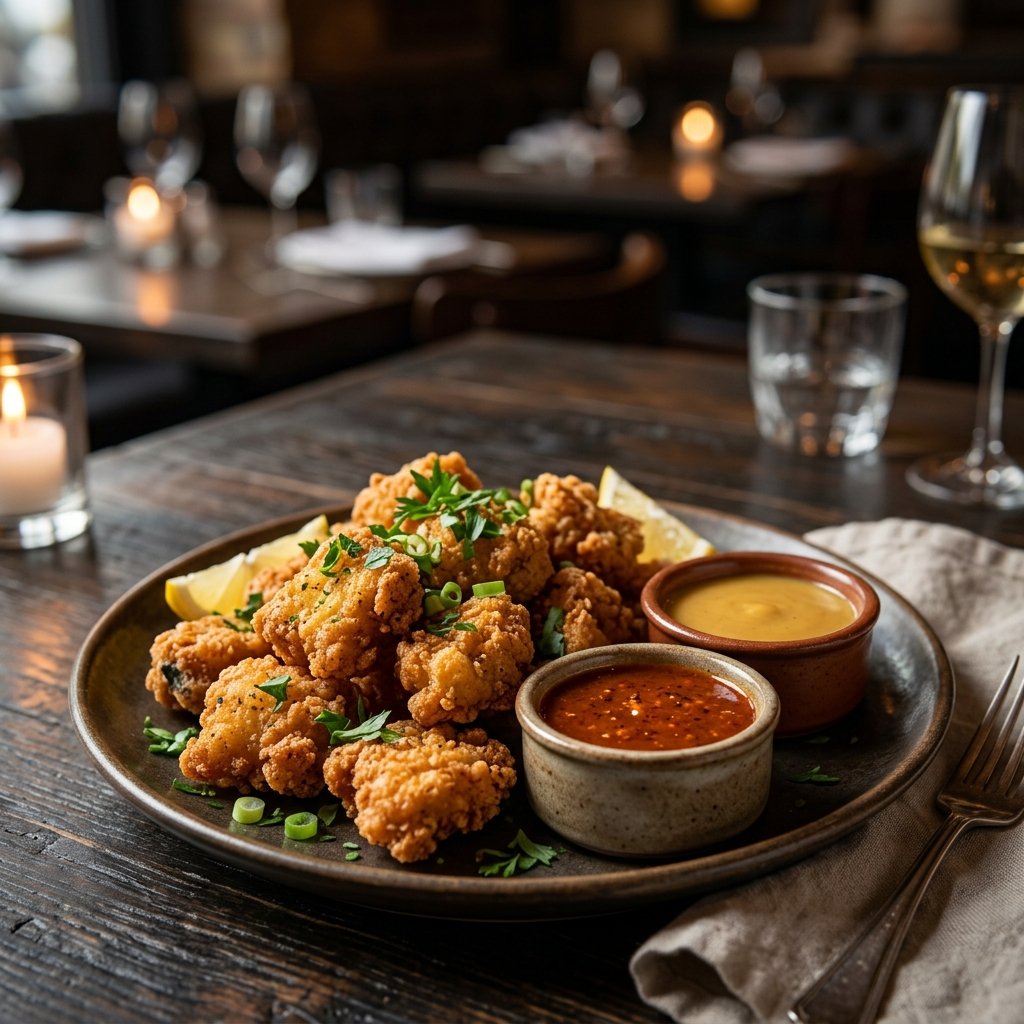
Alligator bites have a reputation as a “dare” food, something you order once on a Louisiana road trip and tell people about later. In a home kitchen they are far less dramatic. The meat is lean, mild, and cut into small cubes, so the whole job comes down to three things: a soak that keeps it tender, a seasoned crust that stays crisp, and a short, hot fry that does not dry it out.
This alligator bites recipe covers all three, plus the questions first-timers always ask: which cut to buy, whether it really tastes like chicken, and how to cook it safely. Quantities are in the recipe summary if you want to skip ahead.
Before You Buy: Tail, Sirloin, or Pre-Cut Nuggets?
Most alligator sold in the United States is farm-raised and comes frozen. You will usually see it labeled by cut, and the cut matters more than any other choice you make.
Tail meat is the cut most recipes call for. It is the most tender, which is why it shows up in nearly every fried gator bites recipe. Sirloin or fillet from the body is also a good option and holds up well to grilling. Leg and other body cuts are tougher and generally do better in slow, moist dishes like gumbo or stew than in a quick fry. Some stores also sell pre-cut “nuggets” or “bites,” which save time but vary in size, so cut any oversized pieces down to match.
Buy from a reputable butcher or seafood market, and check that the package is sealed and still frozen. Thaw it in the refrigerator overnight on a plate or tray, never on the counter.
Does Alligator Taste Like Chicken?
People say so constantly, and it is a fair shorthand. The flavor is mild, a little sweet, with a faint hint of seafood. The texture sits somewhere between chicken breast and firm white fish. It is a lean meat, which is the reason it can turn chewy when overcooked. That is also why the buttermilk soak and the short frying time below matter so much.
How to Make Crispy Fried Alligator Bites
You do not need special equipment. A heavy pot or Dutch oven, a thermometer, and a wire rack are enough.
Step 1: Cut and soak
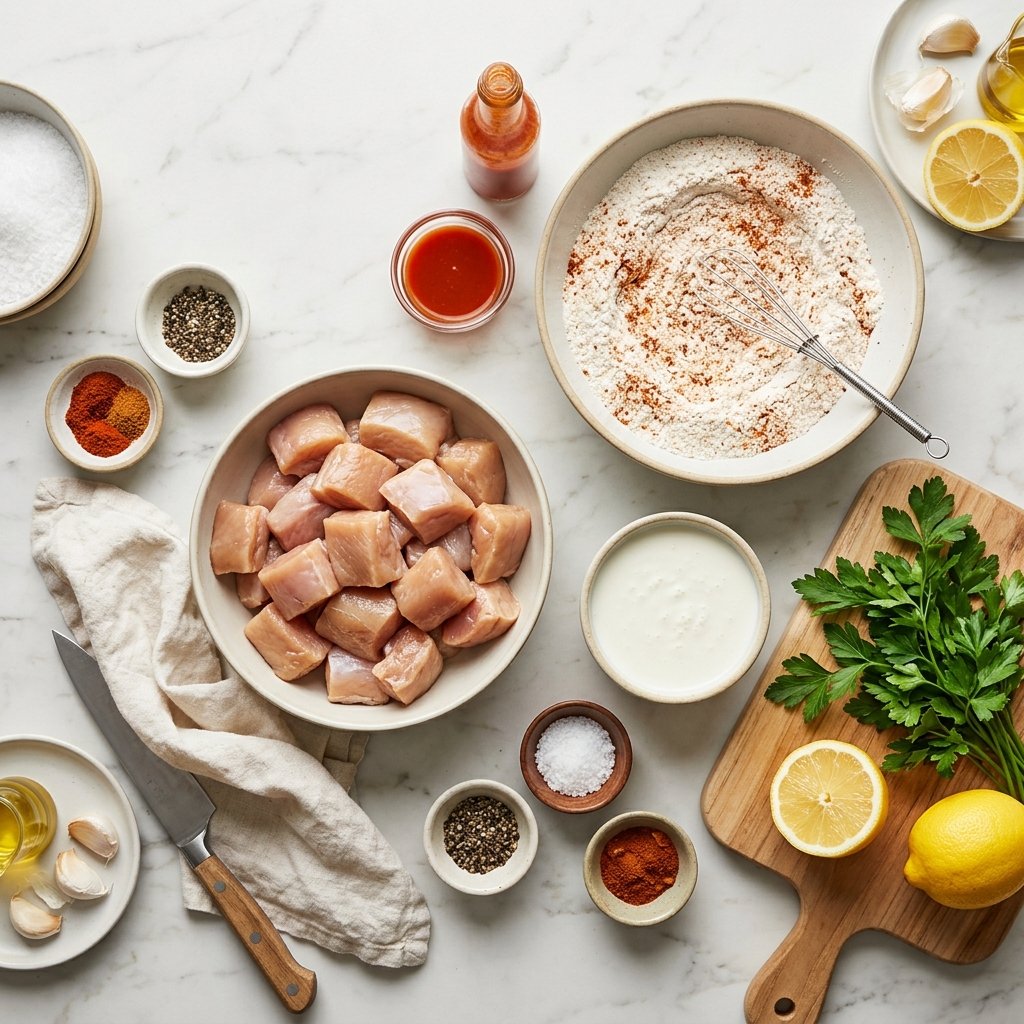
Trim off any visible fat or silvery connective tissue, then cut the meat into 1-inch (2.5 cm) cubes. Uniform pieces cook at the same speed, so take a minute to even them out. Stir together the buttermilk, hot sauce, and a teaspoon of Cajun seasoning, add the alligator, and refrigerate for at least 30 minutes. Overnight works too. The acid in buttermilk gently tenderizes the meat, and the hot sauce adds a background heat that carries through the crust.
Step 2: Mix the coating
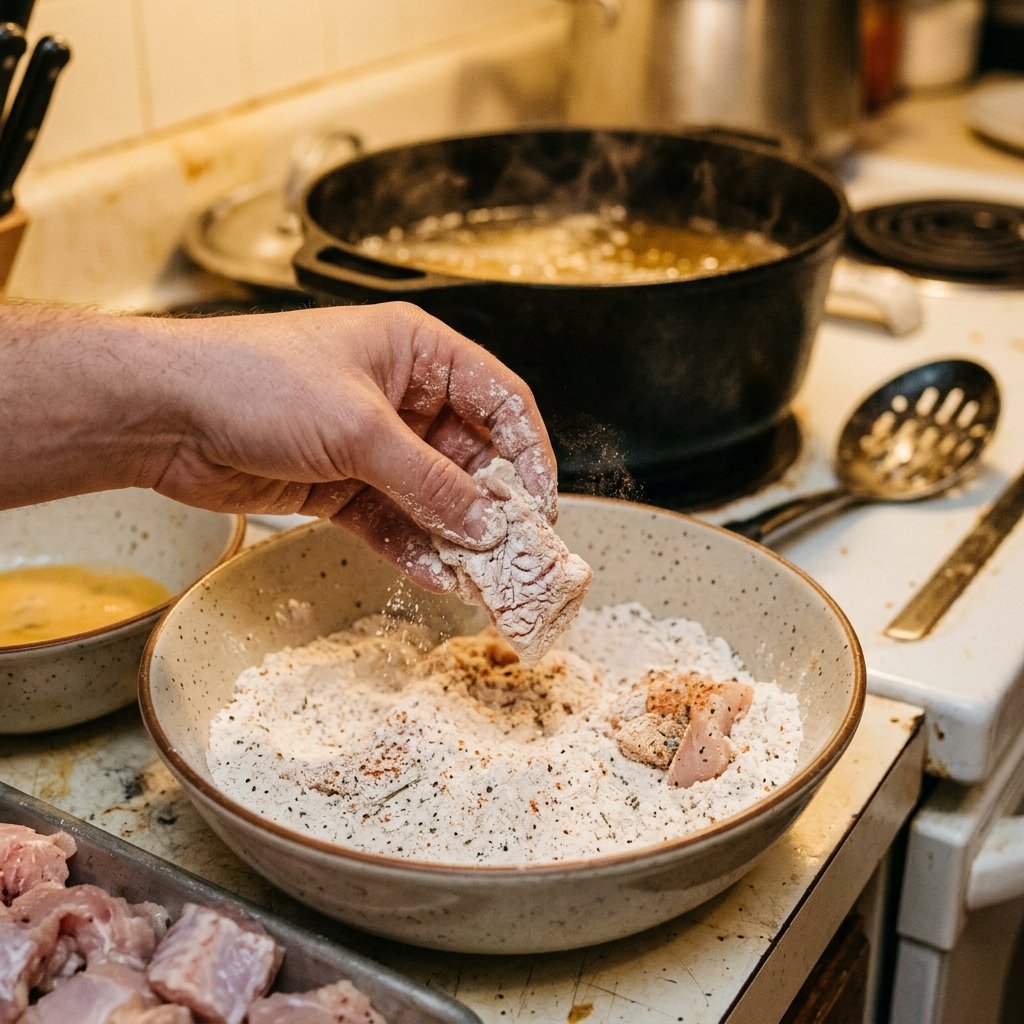
Whisk the flour, cornmeal, Cajun seasoning, paprika, garlic powder, pepper, and salt in a wide bowl. Cajun blends vary a lot in saltiness, so start with the amount listed and adjust on the next batch. The cornmeal gives the crust a sandy crunch that flour alone does not.
Step 3: Dredge
Lift the cubes out of the buttermilk and let the excess drip off. Press them into the flour mixture, turning to coat every side. Set them on a wire rack for 5 to 10 minutes. This short rest helps the coating cling instead of sliding off in the oil.
Step 4: Fry in small batches
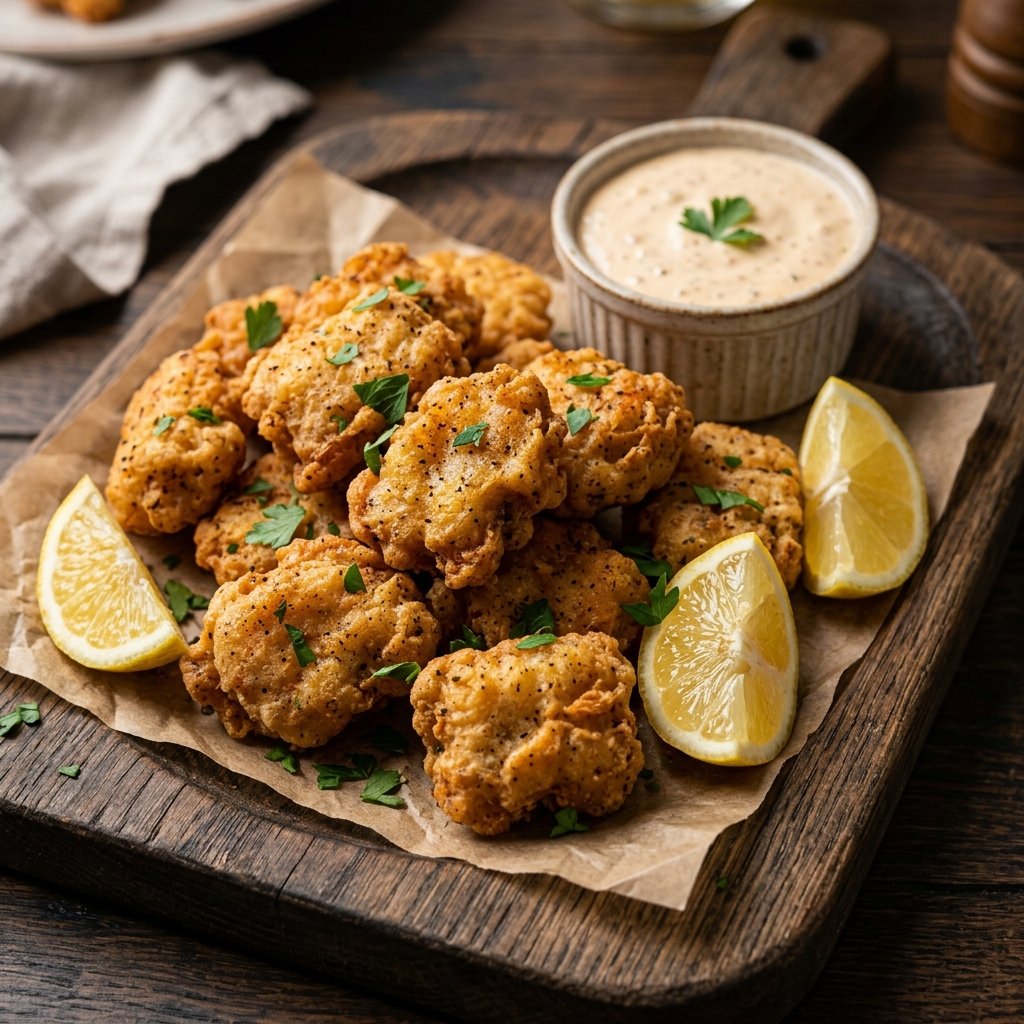
Pour about 2 inches of peanut or canola oil into a heavy pot and heat it to 365 to 375°F (185 to 190°C). Fry in batches of 8 to 10 pieces for 3 to 4 minutes, turning once, until deep golden. Crowding the pot drops the oil temperature and makes the crust greasy, so be patient. Let the oil come back up to temperature between batches.
Step 5: Check, drain, and season
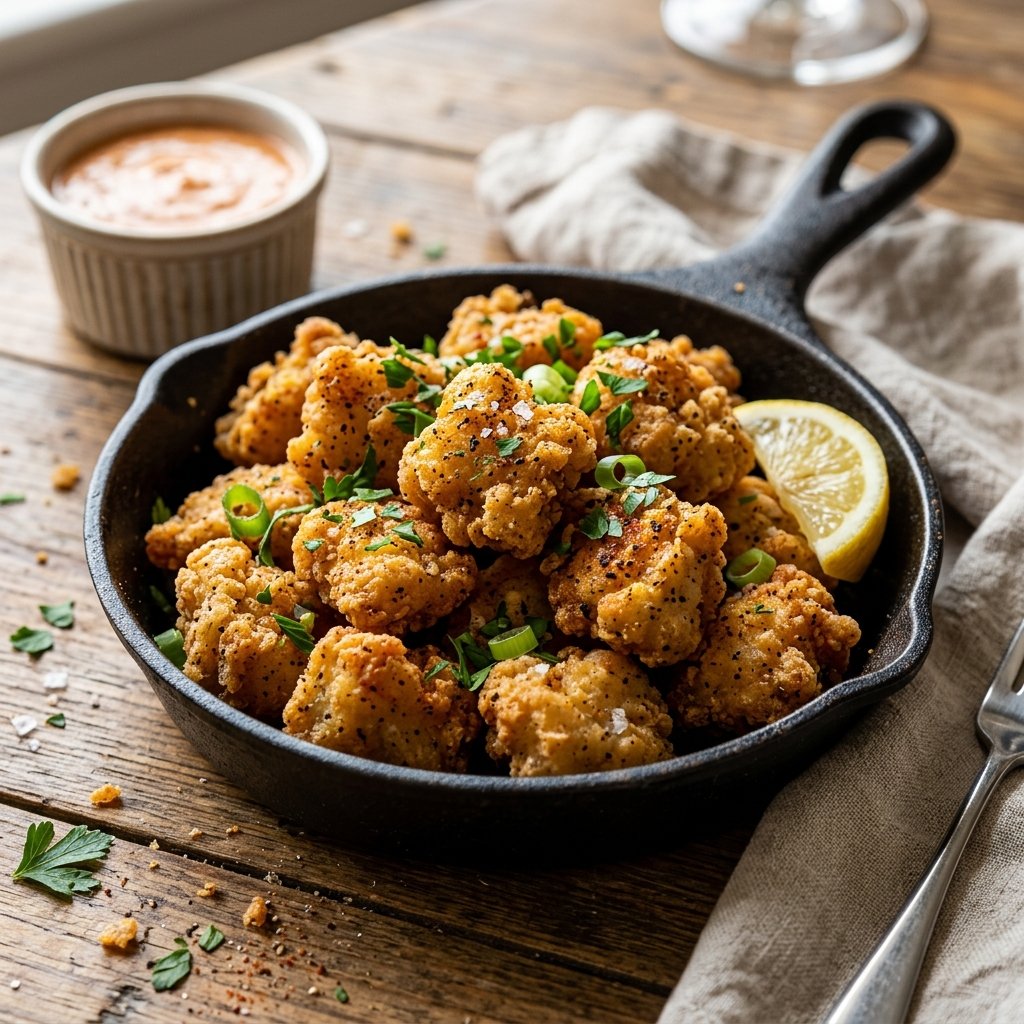
The USDA’s safe minimum temperature chart does not list alligator, so use the conservative 165°F (74°C) that applies to poultry and check a piece with an instant-read thermometer. Drain on a clean wire rack rather than paper towels, which trap steam and soften the crust. Sprinkle with a pinch of Cajun seasoning while still hot and serve right away with lemon wedges.
Air Fryer and Grilled Alligator Bites
Not everyone wants a pot of hot oil. For air fryer alligator bites, skip the flour-and-cornmeal dredge in favor of a lighter coating, spray the pieces generously with oil, and cook in a single layer at 400°F (200°C), shaking the basket halfway. Start checking around 8 minutes and stop when a thermometer reads 165°F. Air fryer models run differently, so treat the time as a range, not a promise. The crust will be drier and less shatter-crisp than the fried version, but it is still good.
For a Cajun grilled version, skip the coating completely. Toss the cubes with oil and seasoning, thread them onto skewers, and grill over medium-high heat, turning often, until they reach 165°F. Soaking wooden skewers first keeps them from scorching.
Dipping Sauces That Work
Alligator bites are mild, so the sauce does a lot of the talking. A quick Cajun remoulade-style dip takes two minutes: stir together ½ cup mayonnaise, 1 tablespoon Creole or whole-grain mustard, 1 tablespoon lemon juice, ½ teaspoon hot sauce, ½ teaspoon paprika, and a spoonful of chopped parsley.
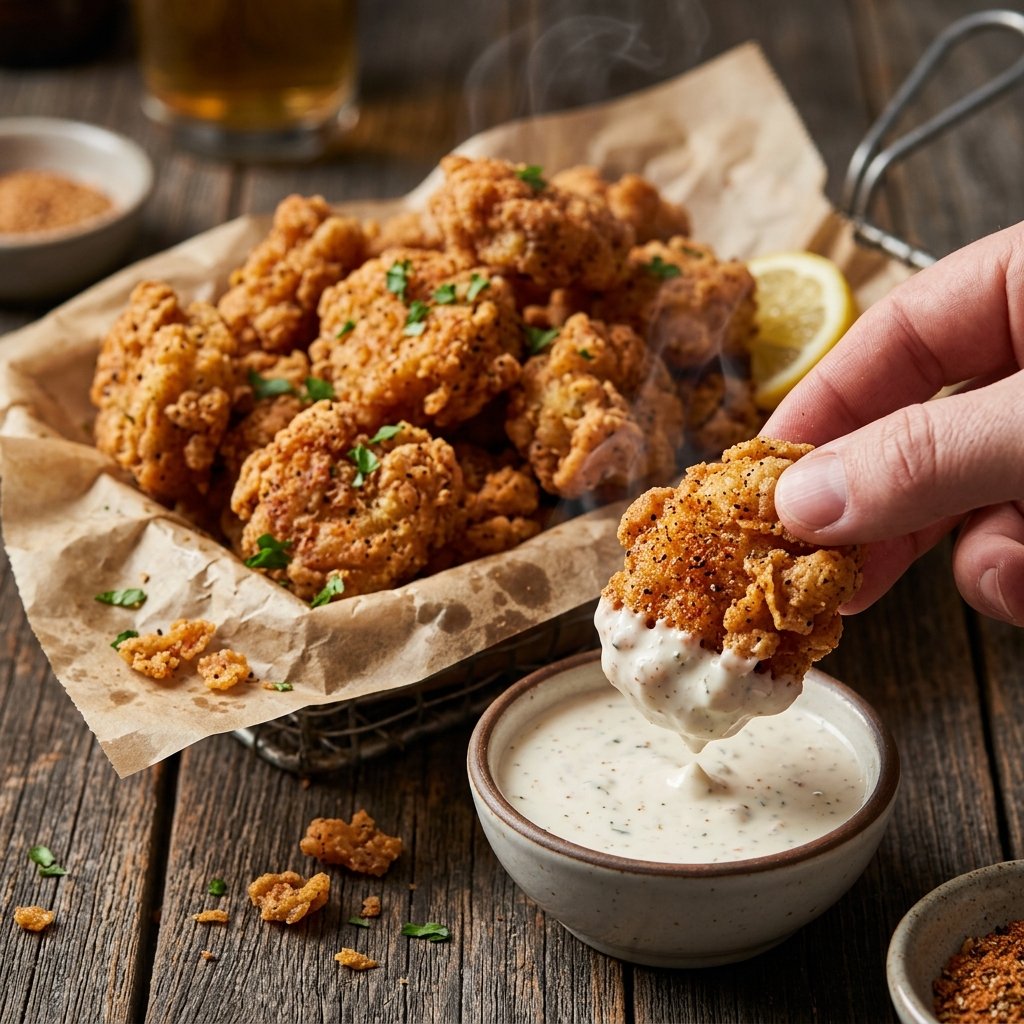
If you like a sweet and spicy angle, a few sauces from our own kitchen pair well:
- Honey mustard wing sauce for a tangy, sweet dip.
- Hot honey ranch sauce if you want creamy with a kick.
- Salsa rosada for a mild, creamy pink sauce that suits seafood-style bites.
What to Serve With Gator Bites
These work as a party appetizer or the center of a casual Southern-style platter. Pair them with crispy hush puppies, coleslaw, corn on the cob, or a simple green salad with a sharp lemon dressing. If you are building a Louisiana spread, our creamy crawfish enchiladas make a good second dish for a crowd.
Why Your Alligator Bites Turn Out Tough or Soggy
Tough or rubbery. Usually overcooking, or using a tougher cut than tail or sirloin. Keep the pieces to 1 inch, pull them as soon as they hit temperature, and never leave them sitting in the oil.
Soggy crust. Oil that is too cool, a crowded pot, or draining on paper towels. Use a thermometer, fry in small batches, and drain on a rack.
Coating falls off. The meat was too wet when it hit the flour. Let the excess buttermilk drip off, and rest the coated pieces for a few minutes before frying.
Bland. The buttermilk soak adds tenderness but not much salt. Season the coating well, and hit the bites with seasoning again right out of the oil.
Gluten-free. Swap the flour for a gluten-free blend or rice flour you make at home, and check that your Cajun seasoning and hot sauce are gluten-free.
Storing and Reheating
Fried alligator bites are best eaten right away, because the crust softens as they cool. If you have leftovers, refrigerate them in an airtight container within two hours and eat within 3 days. Reheat on a rack in a 400°F oven or in the air fryer for a few minutes until crisp and hot all the way through, which the USDA recommends reaching 165°F for leftovers. See the USDA’s guidance on leftovers and food safety for details. A microwave works in a pinch but will not bring the crunch back.
Raw alligator, like raw poultry, can carry bacteria such as Salmonella, so keep it away from ready-to-eat foods and wash your hands, board, and knife after handling it. The same goes for the marinade, which should be discarded and never reused as a sauce.
Alligator Bites Recipe Summary
Prep time: 15 minutes, plus at least 30 minutes to marinate. Cook time: 15 minutes. Serves: 4 as an appetizer.
Ingredients
- 1 lb (450 g) alligator tail meat, trimmed and cut into 1-inch cubes
- 1 cup buttermilk
- 1 tablespoon Louisiana-style hot sauce
- 1 teaspoon Cajun or Creole seasoning, for the soak
- 1 cup (125 g) all-purpose flour
- ½ cup (70 g) fine cornmeal
- 1½ tablespoons Cajun or Creole seasoning, for the coating
- 1 teaspoon paprika
- ½ teaspoon garlic powder
- ½ teaspoon black pepper
- ½ teaspoon salt, or to taste
- Peanut or canola oil, for frying (about 2 inches deep)
- Lemon wedges and chopped parsley, to serve
Instructions
- Mix the buttermilk, hot sauce, and 1 teaspoon Cajun seasoning. Add the alligator and refrigerate for 30 minutes to overnight.
- Whisk the flour, cornmeal, 1½ tablespoons Cajun seasoning, paprika, garlic powder, pepper, and salt in a wide bowl.
- Drain the alligator, letting the excess buttermilk drip off, then toss in the coating. Rest on a wire rack for 5 to 10 minutes.
- Heat 2 inches of oil to 365 to 375°F (185 to 190°C).
- Fry in batches for 3 to 4 minutes, turning once, until deep golden and 165°F (74°C) inside.
- Drain on a wire rack, sprinkle with a pinch of Cajun seasoning, and serve hot with lemon and dipping sauce.
Frequently Asked Questions
Is alligator meat safe to eat?
Yes, when it comes from a reputable supplier and is handled and cooked properly. Treat it like raw poultry: keep it cold, avoid cross-contamination, and cook it until a thermometer reads 165°F.
What does alligator taste like?
Mild and slightly sweet, often compared to chicken, with a firmer texture and a faint seafood note. The sauce and seasoning shape the flavor more than the meat does.
Where can I buy alligator meat?
Specialty butchers, seafood markets, Southern grocery stores, and online game-meat suppliers. It is almost always sold frozen.
Can I use frozen alligator?
Yes. Thaw it in the refrigerator overnight, then pat it dry before the soak and the coating.
Why are my alligator bites chewy?
Overcooking is the usual cause, followed by using a tougher cut. Stick with tail meat or sirloin, keep the pieces small, and fry for only 3 to 4 minutes.
Can I make alligator bites in the air fryer?
Yes. Cook in a single layer at 400°F, spray with oil, and shake halfway through. Start checking around 8 minutes and pull them when they reach 165°F.
Can I skip the buttermilk?
You can, but the meat will be less tender. If you do not have buttermilk, stir 1 tablespoon of lemon juice into 1 cup of milk and let it sit for 5 minutes.
Is alligator meat lean?
It is generally described as a lean meat, which is why it dries out so easily when overcooked. For exact nutrition numbers, check the label on the package you buy, since cuts differ. You can also read a general overview of alligator meat.
Final Thoughts
Good alligator bites come down to a few small habits: the right cut, a buttermilk soak, even cubes, hot oil, and a thermometer. Get those right and you have a crispy, juicy appetizer that earns its place on a game-day table, no road trip required.
rispy Cajun Alligator Bites
Ingredients
Equipment
Method
- Mix the buttermilk, hot sauce, and 1 teaspoon Cajun seasoning. Add the alligator and refrigerate for 30 minutes to overnight.
- Whisk the flour, cornmeal, 1½ tablespoons Cajun seasoning, paprika, garlic powder, pepper, and salt in a wide bowl.
- Drain the alligator, letting the excess buttermilk drip off, then toss in the coating. Rest on a wire rack for 5 to 10 minutes.
- Heat 2 inches of oil in a heavy pot to 365 to 375°F (185 to 190°C).
- Fry in small batches for 3 to 4 minutes, turning once, until deep golden and 165°F (74°C) inside. Let the oil return to temperature between batches.
- Drain on a wire rack, sprinkle with a pinch of Cajun seasoning, and serve hot with lemon wedges and parsley.
Notes
- Tail meat or sirloin gives the most tender result. Leg and other body cuts are tougher and suit slow, moist cooking better.
- Thaw frozen alligator in the refrigerator overnight, and pat it dry before soaking.
- The USDA chart does not list alligator, so 165°F (74°C), the poultry minimum, is used as a conservative target. Check with an instant-read thermometer.
- Cajun seasonings vary in saltiness, so start with the amount listed and adjust on the next batch.
- Air fryer: skip the dredge, spray generously with oil, and cook in a single layer at 400°F (200°C), shaking halfway. Start checking around 8 minutes and pull at 165°F.
- Gluten-free: use a gluten-free flour blend or rice flour, and check your seasoning and hot sauce labels.
- Quick dipping sauce: ½ cup mayonnaise, 1 tablespoon Creole mustard, 1 tablespoon lemon juice, ½ teaspoon hot sauce, ½ teaspoon paprika, and a spoonful of chopped parsley.
- Store leftovers in an airtight container in the refrigerator within 2 hours and eat within 3 days. Reheat on a rack in a 400°F oven until hot and crisp.
- Raw alligator can carry bacteria such as Salmonella. Keep it away from ready-to-eat foods, wash hands and tools after handling, and discard the soaking liquid.