
You are not alone if you ask how to make white rice flour. Homemade ingredients are increasingly selected by many consumers because they taste fresher, cost less on average and do not contain unnecessary additives. The good news is that there are only a handful of really basic tools you will need to learn how to make white rice flour yourself.
It is a staple ingredient in gluten-free baking and sauces, noodles, pancakes, desserts, etc. The flour is also used to make many of the food items we call traditional across multiple cultures around the world. You can control not only the texture and quality of homemade white rice flour, but you’re also saving money!
In this ultimate guide, you will learn how to make white rice flour, what types of rice are best for making the flour from scratch, tools needed & many more tips, plus common mistakes. And by the end of this article, you will know how to make your own excellent batch of fresh rice flour right in your kitchen.
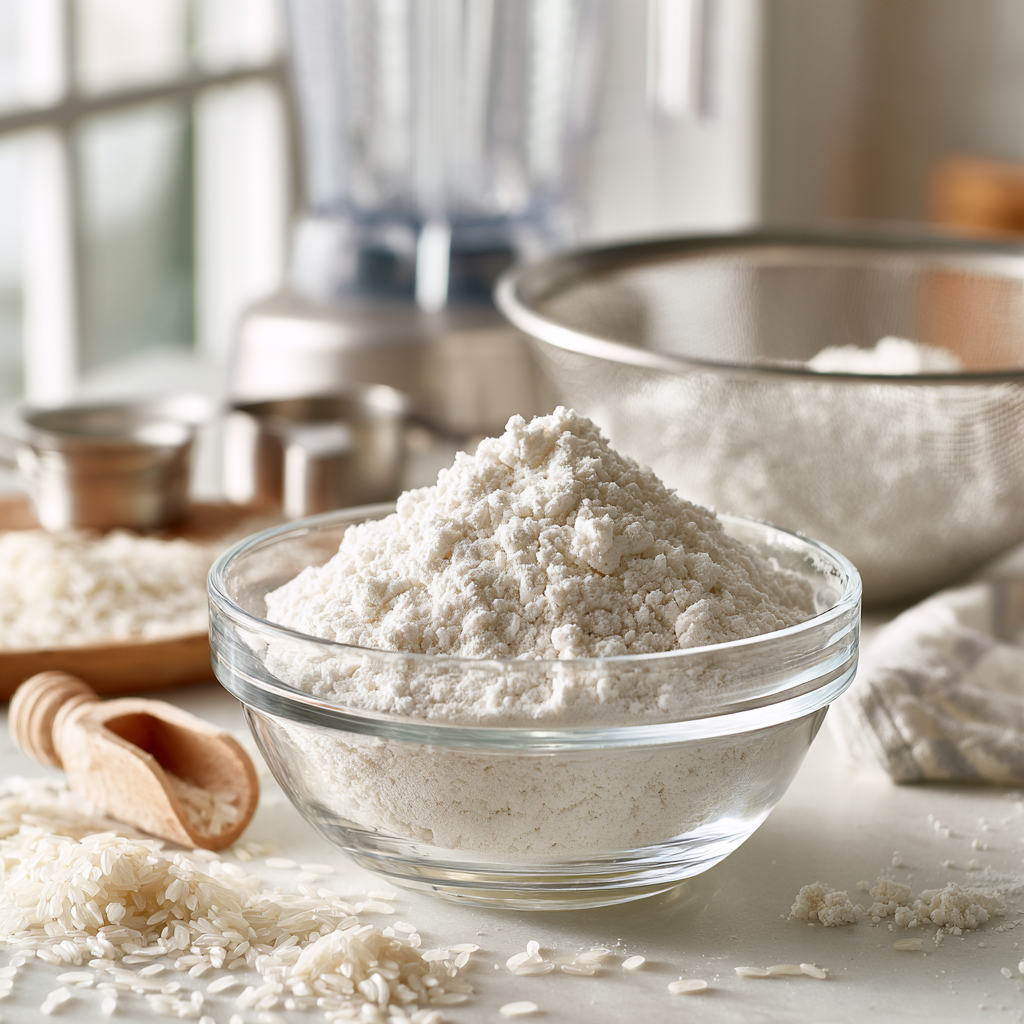
What Is White Rice Flour?
Before learning how to make white rice flour, it is helpful to understand what it actually is.
White rice flour is obtain by grinding white polished round grained of rice in powder form. White rice flour is naturally gluten-free, making it a popular option for those that are unable to tolerate wheat or luxuriate in gluten free diets.
White Rice Flour vs Regular Rice
| Feature | White Rice | White Rice Flour |
|---|---|---|
| Form | Whole grain | Fine powder |
| Use | Side dishes | Baking and cooking |
| Texture | Firm | Smooth |
| Gluten-Free | Yes | Yes |
White Rice Flour vs Brown Rice Flour
| Feature | White Rice Flour | Brown Rice Flour |
|---|---|---|
| Flavor | Mild | Nutty |
| Color | White | Light brown |
| Shelf Life | Longer | Shorter |
| Texture | Smooth | Slightly coarse |
Because white rice flour has a neutral flavor and smooth texture, it works exceptionally well in baking and thickening recipes.
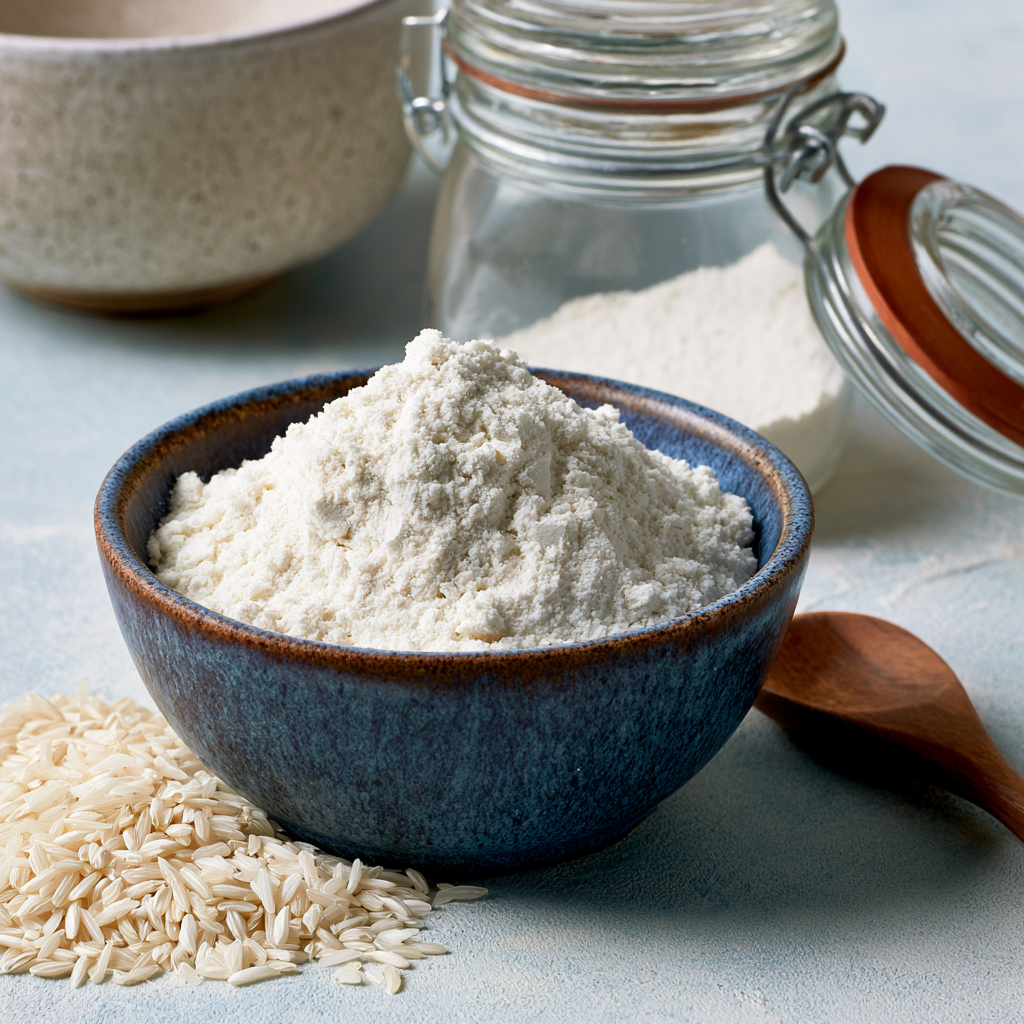
Why Learn How to Make White Rice Flour?
There are several advantages to making your own rice flour.
1. Save Money
Store-bought gluten-free flour can be expensive. In contrast, making white rice flour at home often costs much less.
2. Freshness
Freshly ground flour usually tastes better. In addition, homemade flour contains no preservatives.
3. Control the Texture
When learning how to make white rice flour, you can choose whether you want very fine flour for baking or a slightly coarser texture for traditional recipes.
4. Fewer Additives
Many packaged flours include anti-caking agents or preservatives. Homemade flour gives you complete control over ingredients.
Expert Tip: Making small batches ensures maximum freshness and better flavor.
What You Need to Make White Rice Flour
Before starting how to make white rice flour, gather the necessary tools and ingredients.
Ingredients
- White rice
- Airtight storage container
Equipment
- High-speed blender
- Grain mill
- Coffee grinder
- Fine mesh sieve
- Bowl
Best Types of Rice for White Rice Flour
- Long-grain rice
- Jasmine rice
- Basmati rice
- Medium-grain rice
- Short-grain rice
Generally, long-grain rice creates a lighter flour, while short-grain rice may produce a slightly stickier texture.
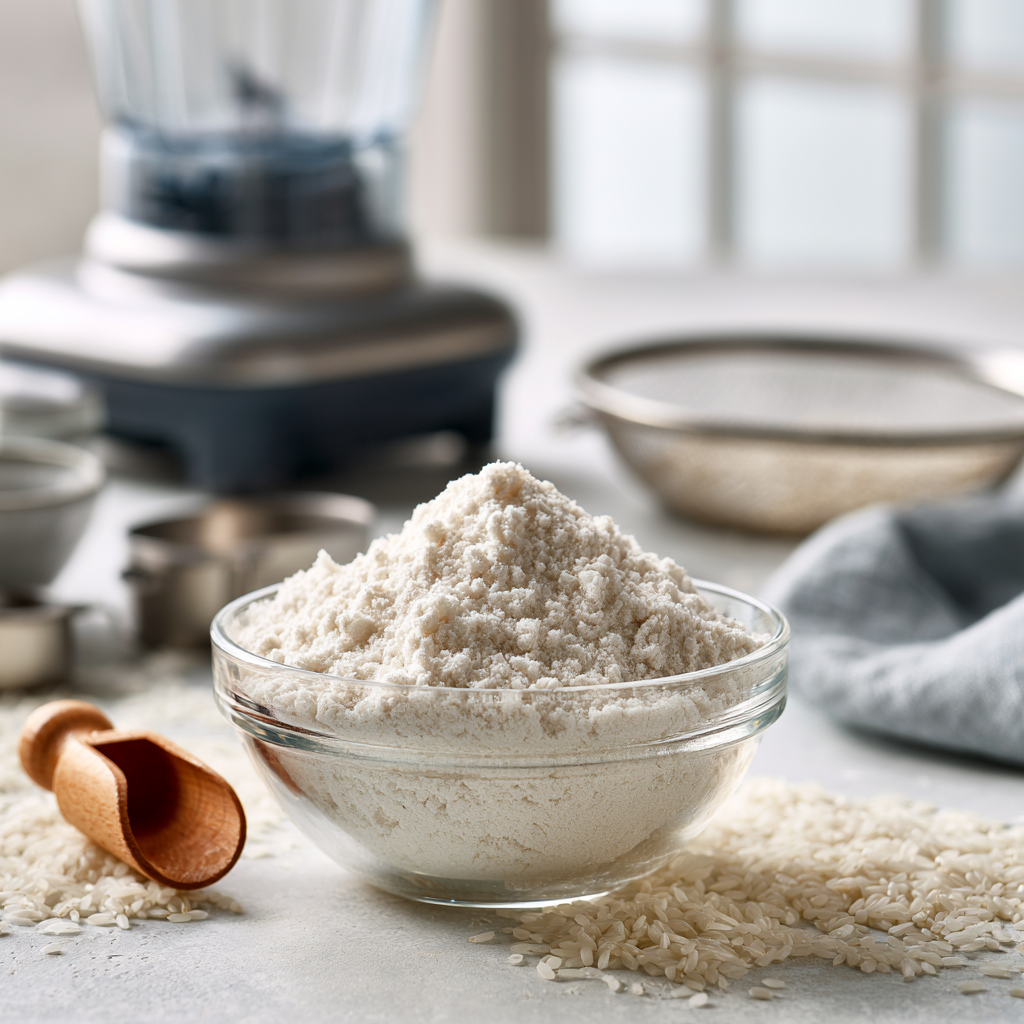
How to Make White Rice Flour: Step-by-Step Guide
Now let’s look at exactly how to make white rice flour at home.
Step 1: Measure the Rice
Start by measuring the amount of rice you need.
| Rice Amount | Flour Yield |
|---|---|
| 1 cup | About 1 cup flour |
| 2 cups | About 2 cups flour |
| 4 cups | About 4 cups flour |
Step 2: Make Sure the Rice Is Dry
Dry rice grinds more effectively. Therefore, avoid using wet or cooked rice.
Step 3: Grind the Rice
Place small amounts of rice into your blender or grinder.
Blend for:
- 30–60 seconds
- Stop occasionally
- Shake the container if needed
Step 4: Sift the Flour
Use a fine sieve to remove larger pieces.
Step 5: Regrind Remaining Rice
If larger particles remain, grind them again until fine.
Step 6: Store Properly
Transfer the flour into airtight containers.
This simple process is the easiest method for how to make white rice flour at home.
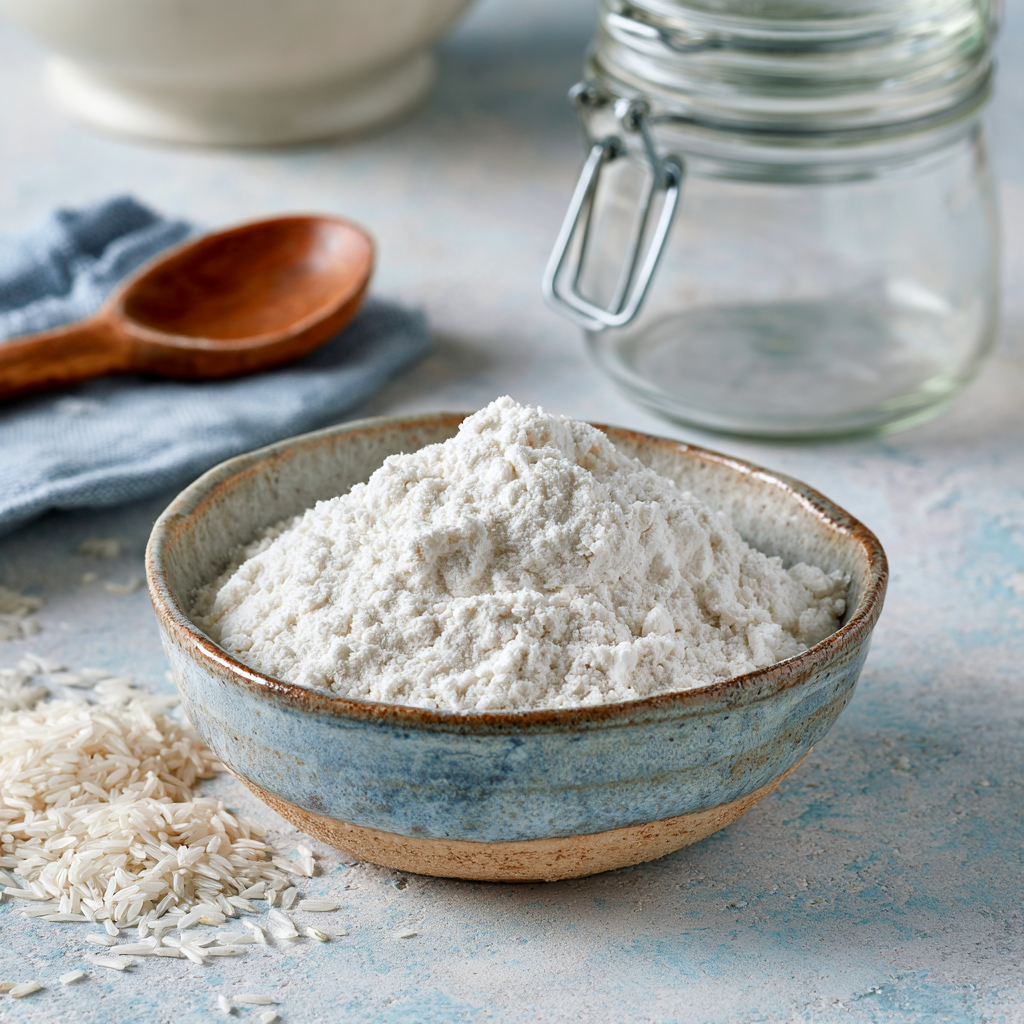
Best Appliances for Making White Rice Flour
Different appliances produce different results.
| Appliance | Quality | Best For |
|---|---|---|
| Grain Mill | Excellent | Frequent use |
| High-Speed Blender | Very Good | Home kitchens |
| Coffee Grinder | Good | Small batches |
| Food Processor | Fair | Coarse flour |
A grain mill usually creates the finest flour. However, many people successfully use high-speed blenders.
Tips for Making Super Fine White Rice Flour
If you want bakery-quality flour, follow these tips:
Grind Small Batches
Smaller quantities create finer flour.
Sift Multiple Times
Sifting removes larger particles.
Avoid Overheating
Overheating can affect flavor and texture.
Use High-Speed Equipment
Powerful blenders usually create smoother flour.
Store Immediately
Fresh flour absorbs moisture quickly, so proper storage is essential.
Common Mistakes to Avoid When Learning How to Make White Rice Flour
Many beginners make simple mistakes.
Using Damp Rice
Moisture prevents proper grinding.
Overloading the Blender
Too much rice creates uneven flour.
Skipping the Sifting Process
Sifting improves texture significantly.
Poor Storage
Air and moisture reduce freshness.
Avoiding these mistakes will help you make consistently good flour.
How to Store Homemade White Rice Flour
Proper storage keeps flour fresh longer.
Room Temperature
Store in airtight containers for up to 3 months.
Refrigerator
Keeps flour fresh for about 6 months.
Freezer
Can extend shelf life up to 12 months.
| Storage Method | Shelf Life |
|---|---|
| Pantry | 2–3 months |
| Refrigerator | 6 months |
| Freezer | 12 months |
Always label containers with the date.

Recipes That Use White Rice Flour
Once you learn how to make white rice flour, you can use it in many recipes.
Popular uses include:
- Gluten-free bread
- Pancakes
- Cakes
- Cookies
- Rice noodles
- Tempura batter
- Sauces
- Soups
White rice flour is also commonly used in Asian, Indian, and gluten-free recipes.
Case Study: Homemade vs Store-Bought White Rice Flour
A home baker compared homemade rice flour with store-bought flour over one month.
Results:
| Category | Homemade | Store-Bought |
|---|---|---|
| Cost | Lower | Higher |
| Freshness | Excellent | Good |
| Texture | Adjustable | Fixed |
| Additives | None | Sometimes present |
The baker found that homemade flour offered more flexibility and better freshness.
Nutritional Information
Approximate nutrition for 100 grams:
| Nutrient | Amount |
|---|---|
| Calories | 366 |
| Carbohydrates | 80 g |
| Protein | 6 g |
| Fat | 1 g |
| Fiber | 2 g |
White rice flour is mainly a source of carbohydrates and energy.
Frequently Asked Questions
Can I Make White Rice Flour in a Blender?
Yes. A high-speed blender works very well.
Can I Use Cooked Rice?
No. Dry, uncooked rice is necessary.
Is White Rice Flour Gluten-Free?
Yes, naturally.
Which Rice Is Best?
Jasmine, basmati, and long-grain rice are excellent options.
Why Is My Flour Gritty?
Usually because the rice was not ground finely enough.
Final Thoughts on How to Make White Rice Flour
White rice flour is unbelievably simple, inexpensive and very satisfying to make. You can make flour for baking, cooking, and gluten-free right with just rice and a grinder.
Additionally, flour made at home allows you full control over quality, texture and freshness. If you follow this guide step by step, with the right tools and flour storage methods, you can make good white rice flour at home every time.
If you have never attempted to create white rice flour, now is the time. It only takes a few minutes to whip up a small batch, but the outcomes will elevate many of your go-to recipes.
How to Make White Rice Flour at Home
Ingredients
Equipment
Method
- Measure the rice. Add 2 cups of dry, uncooked white rice to your work area.

- Add rice to the grinder. Place ½ to 1 cup of rice into a high-speed blender or grain mill. Avoid overfilling to ensure even grinding.
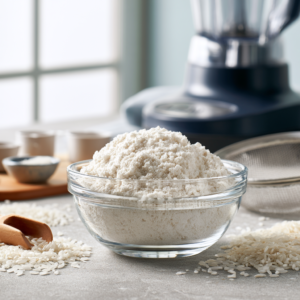
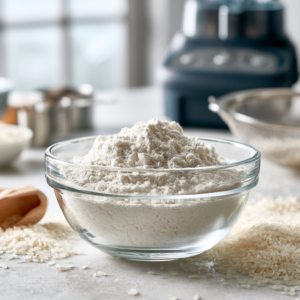
- Grind the rice. Blend for 30–60 seconds, or until the rice becomes a fine powder. If needed, stop and stir the rice between pulses for even grinding.
- Sift the flour. Pour the ground rice through a fine mesh sieve into a bowl. This removes any coarse particles.
- Regrind larger pieces. Return the coarse rice left in the sieve to the grinder and blend again until finely ground. Repeat until all the rice has been processed.
- Cool if necessary. If the flour feels warm after grinding, allow it to cool completely before storing.
- Store properly. Transfer the finished white rice flour to an airtight container or glass jar. Store in a cool, dry place for up to 3 months, refrigerate for up to 6 months, or freeze for up to 1 year.
Video
Notes
- Use only dry, uncooked rice. Cooked or damp rice will not grind into flour.
- Grind in small batches for the finest texture.
- Sifting is essential if you plan to use the flour for cakes, cookies, or other baked goods.
- A grain mill produces the finest flour, but a high-speed blender works well for most home kitchens.
- Different rice varieties produce slightly different flavors and textures. Long-grain white rice is the most versatile choice.
- Homemade white rice flour is naturally gluten-free, but if you have celiac disease, ensure your equipment has not been contaminated with gluten-containing grains.
- For the freshest flavor and best baking results, make only the amount of flour you expect to use within a few weeks.