
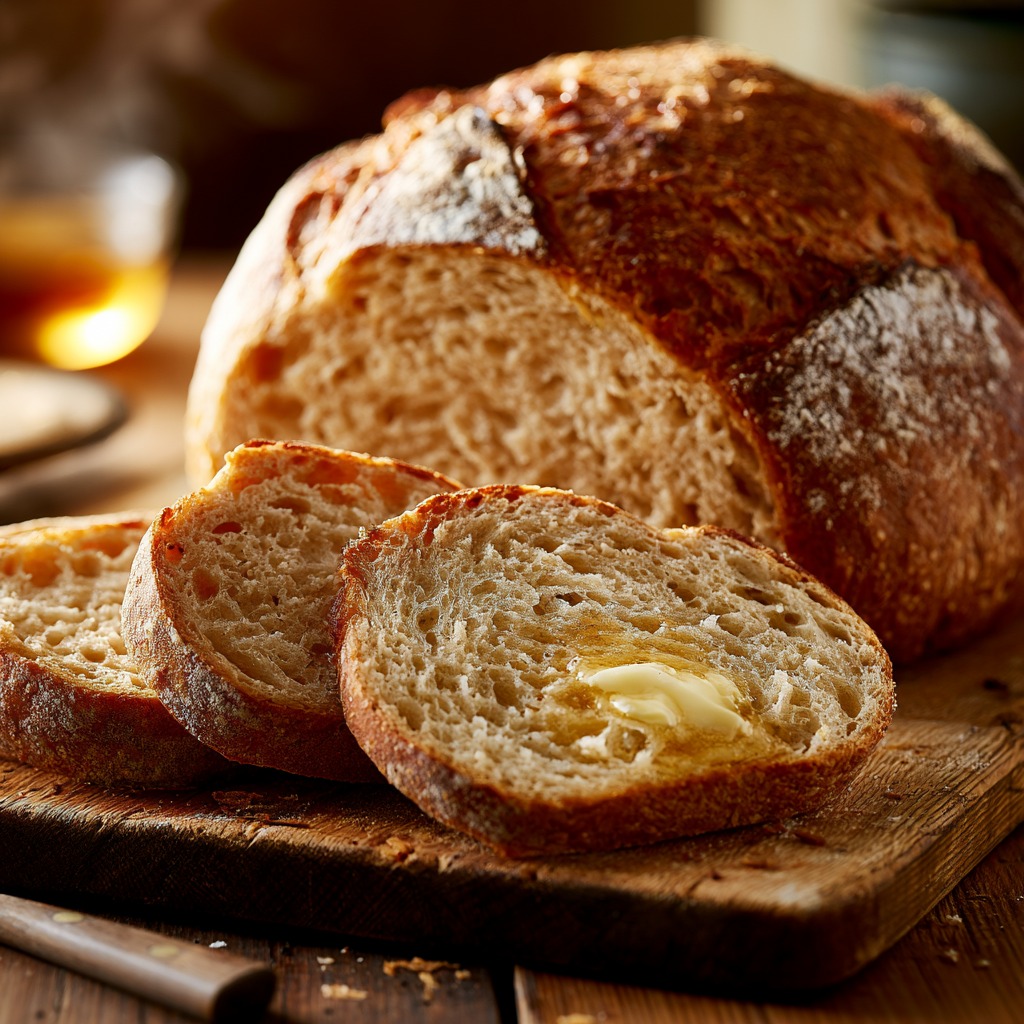
This squaw bread recipe makes the soft, dark, faintly sweet sandwich loaf that many people first met at a West Coast bakery or as the warm brown bread served before dinner at chain restaurants. It is a yeast bread made with bread flour, whole wheat, and rye, sweetened with molasses and honey and darkened with a spoonful of cocoa and coffee. It is not a sourdough and not a dense pumpernickel; the crumb stays tender enough for kids’ sandwiches.
Many bakeries now sell the same loaf as prairie bread, pioneer bread, or simply brown bread. We explain why below, and we use those names alongside the old one so you can find the recipe either way.
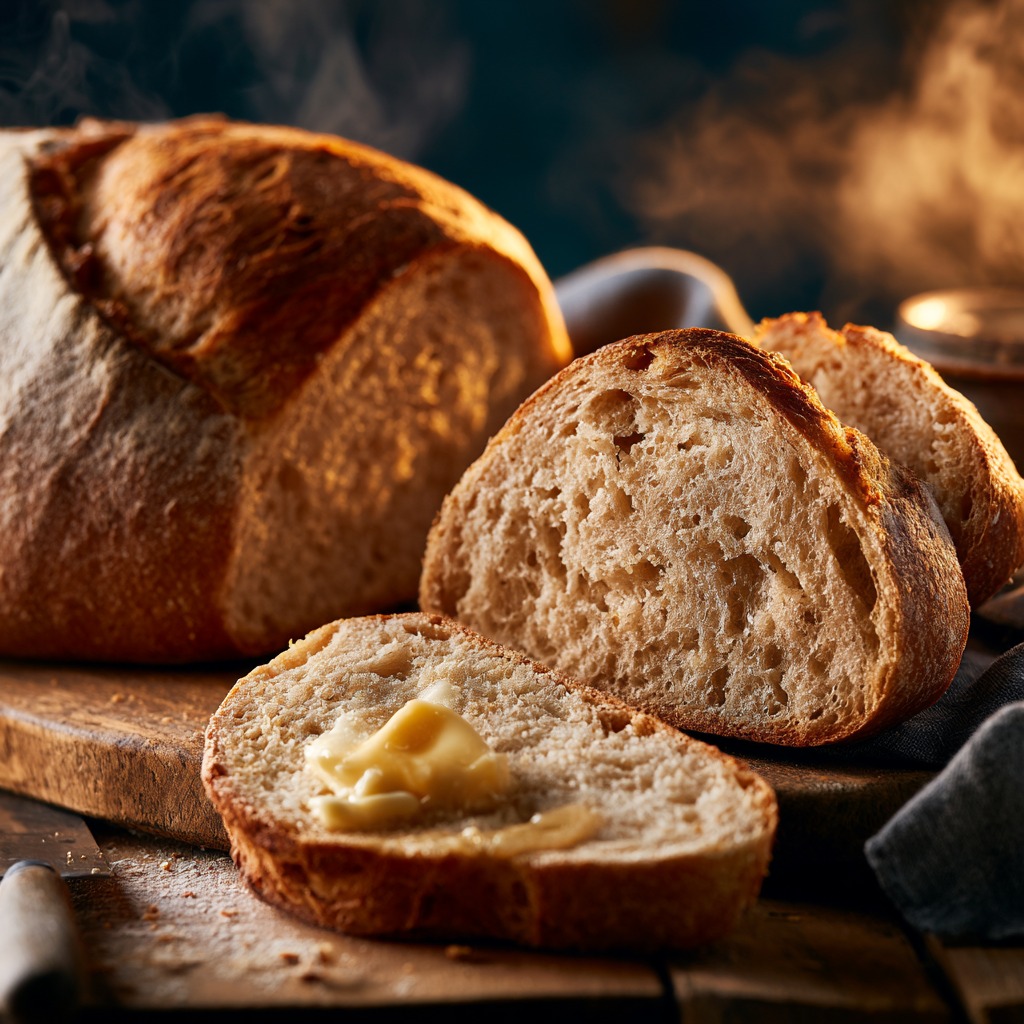
What Is Squaw Bread?
Squaw bread is an American sweet brown bread built on a mix of white, whole wheat, and rye flours with molasses and honey. Food writers usually connect it to German-style rye and molasses breads adapted by settlers in the American West, and it became a common deli and supermarket loaf in California. The exact origin story is fuzzy, and claims about a single inventor are hard to verify.
What everyone agrees on is the eating experience:
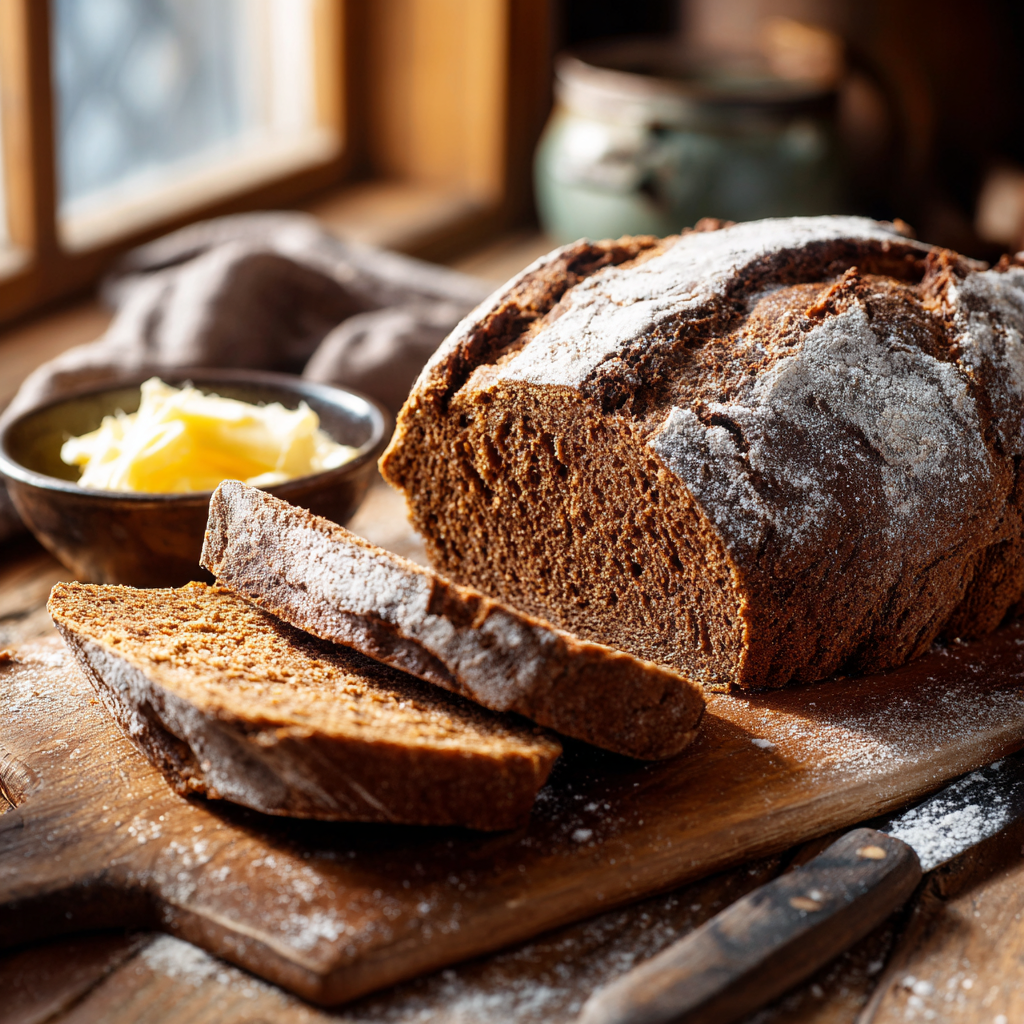
- Color: deep brown all the way through, from molasses, cocoa, and rye.
- Flavor: lightly sweet and malty, with a gentle earthy note from the rye. It is not sour.
- Texture: soft, moist, and close-crumbed, which is why it slices so neatly for sandwiches.
What is squaw bread called now?
The word “squaw” is widely considered an ethnic and sexist slur against Native American women, and most dictionaries now label it offensive. The U.S. Interior Department removed it from hundreds of place names on federal land, and California’s Squaw Valley ski resort became Palisades Tahoe in 2021. Bakeries have followed. A Reno bakery, for example, renamed its loaf “prairie bread” in 2025, and other shops use “pioneer bread,” “brown bread,” or “honey molasses bread.”
The recipe below is the same bread no matter what is on the label. If you are baking it for a bake sale, a café, or a gift, “prairie bread” or “molasses rye bread” is the kinder name to use.
Is it the same as restaurant brown bread?
It is a close cousin. The brown bread served at steakhouses and cheesecake restaurants uses the same idea (wheat flour darkened with molasses, cocoa, and coffee) but is usually lighter on rye and shaped as small loaves. If you want that style, bake this dough as rolls (see the variations below).

Ingredients for the Squaw Bread Recipe
One 9×5-inch loaf, about 10 slices.
| Ingredient | Amount | Role in the loaf |
|---|---|---|
| Warm water (105–110°F) | 1¼ cups | Wakes the yeast and hydrates the whole grains |
| Active dry yeast | 2¼ tsp (1 packet) | Rise and soft crumb |
| Honey | 2 tbsp | Feeds the yeast, adds gentle sweetness |
| Unsulphured molasses | ¼ cup | The main color and the malty, slightly bitter-sweet flavor |
| Neutral oil or melted butter | 2 tbsp | Keeps the crumb tender and slows staling |
| Bread flour | 2 cups (about 250 g) | Gluten strength so the loaf rises tall |
| Whole wheat flour | 1 cup (about 120 g) | Nutty flavor and fiber |
| Rye flour (medium or dark) | ¾ cup (about 80 g) | Earthy flavor and moisture |
| Unsweetened cocoa powder | 1 tbsp | Deepens the color without tasting like chocolate |
| Instant coffee or espresso powder | 1 tsp | Adds roasted depth; no coffee flavor comes through |
| Fine salt | 1½ tsp | Seasoning and dough control |
| Rolled oats | 1 tbsp (optional) | Topping |
Ingredient notes and swaps
- Molasses: use regular unsulphured molasses. Blackstrap is much more bitter; if it is all you have, use 2 tablespoons blackstrap plus 2 tablespoons honey.
- Rye flour: it has very little gluten-forming power, which is why it stays at about 20% of the flour here. More rye makes a heavier, stickier loaf. If you can’t find it, replace it with more whole wheat; the bread will be lighter and less earthy. Read more about how rye behaves in bread.
- Bread flour vs. all-purpose: all-purpose works, but the loaf will spread a little more and rise a little less.
- Instant yeast: use the same amount and mix it directly with the flours. Skip the proofing step.
- Raisin version: many older home recipes blend a handful of raisins into the warm water before mixing. It sweetens the loaf naturally and keeps it moist.
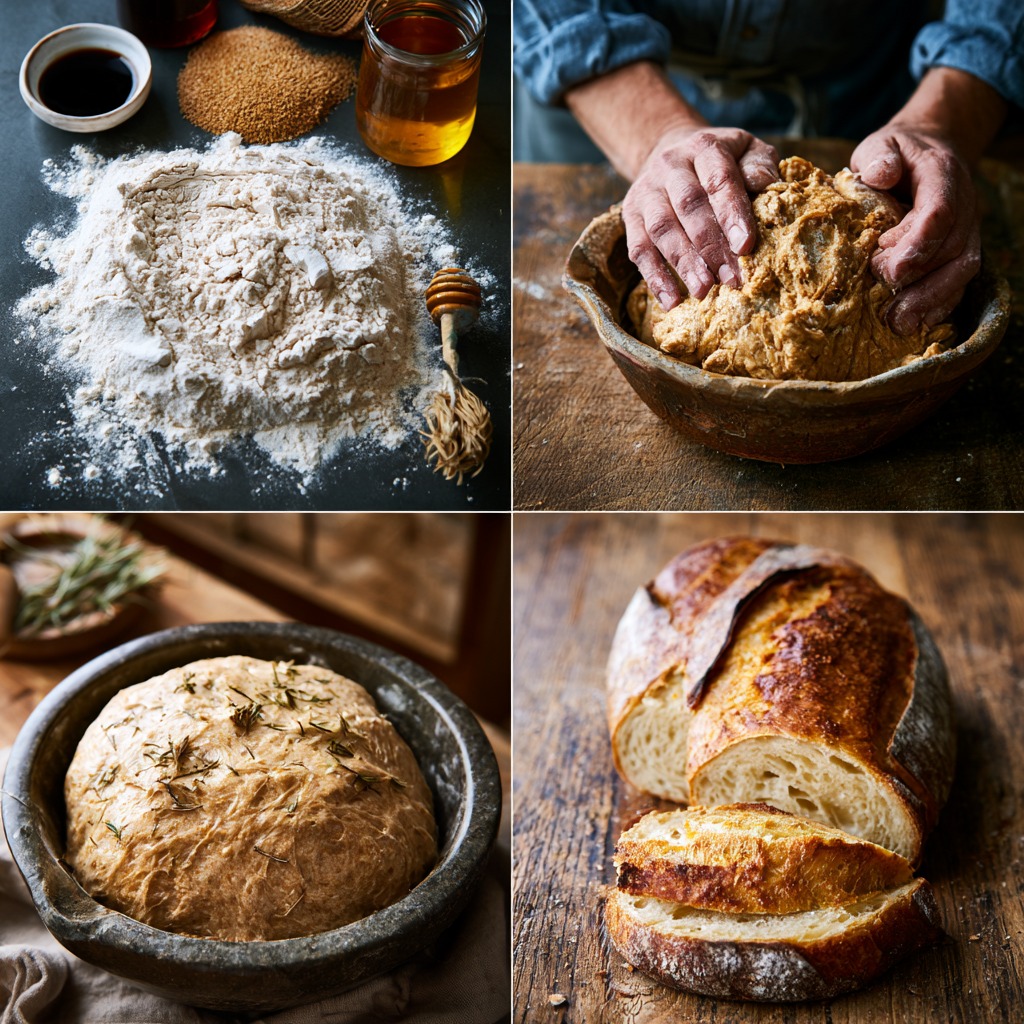
How to Make Squaw Bread (Prairie Bread)
Active time is about 20 minutes. Plan around 3 hours from start to slicing, most of it hands-off rising and cooling.
1. Proof the yeast
Stir the warm water, honey, and yeast in a large bowl and wait 5 to 10 minutes. You want a foamy, beige layer on top. No foam means the yeast is old or the water was too hot; start again before you waste the flour.
2. Add the dark ingredients
Whisk in the molasses, oil, cocoa, and coffee powder until no streaks remain. Dissolving the cocoa in the liquid first prevents dry pockets in the finished bread.
3. Mix in the flours
Add the bread flour, whole wheat flour, rye flour, and salt. Stir with a spoon until a shaggy dough forms, then let it rest for 10 minutes. This short rest lets the whole grains soak up water, so you add less extra flour later.
4. Knead
Knead 8 to 10 minutes by hand or 6 to 7 minutes in a stand mixer with the dough hook. Rye doughs stay slightly tacky; that is normal. Add flour only a tablespoon at a time and stop as soon as the dough no longer sticks to a clean hand.
5. First rise
Place the dough in a lightly oiled bowl, cover, and let it rise in a warm spot for 60 to 90 minutes, until nearly doubled. Whole grain doughs rise more slowly than white bread, so go by size, not the clock.
6. Shape and second rise
Press out the air, pat the dough into a rectangle about 8 inches wide, and roll it up tightly from the short side. Pinch the seam, set it seam-down in a greased 9×5-inch pan, brush the top with water, and sprinkle on oats if you like. Cover and let it rise 35 to 50 minutes, until it crowns about 1 inch above the rim. Heat the oven to 375°F during the last 20 minutes.
7. Bake and cool
Bake 32 to 38 minutes. Because the dough is already dark, color is a poor guide; check that the loaf sounds hollow when tapped underneath or that the center reads 190–195°F on an instant-read thermometer. If the top darkens too fast, tent it with foil for the last 10 minutes. Turn the loaf out and cool at least 1 hour before slicing, or the crumb will look gummy.
Troubleshooting
| Problem | Likely cause | Fix next time |
|---|---|---|
| Dense, short loaf | Too much flour added during kneading, or under-risen | Accept a slightly tacky dough; let the second rise go until it crowns over the pan |
| Gummy center | Underbaked or sliced warm | Bake to 190°F inside and cool a full hour |
| Bitter taste | Blackstrap molasses or too much coffee | Use regular molasses; keep coffee at 1 tsp |
| Crust too hard | Long bake, dry storage | Brush the hot loaf with butter; store wrapped |
| Top cracked on one side | Seam not sealed or under-proofed | Pinch the seam firmly; give it 10 more minutes to rise |
Variations
- Dinner rolls: divide the dough into 12 pieces after the first rise, shape into balls or small batons, and bake at 375°F for 16 to 20 minutes. This is the closest to restaurant-style brown bread.
- Seeded loaf: knead in 3 tablespoons of sunflower seeds and 1 tablespoon of flaxseed.
- Raisin bread: fold in ½ cup raisins after kneading, or blend them into the water as noted above.
- Bread machine: add liquids first, then flours, cocoa, coffee, and salt, with the yeast on top. Use the whole wheat cycle with a medium crust.
- More rye: you can go up to 1 cup rye and reduce the whole wheat to ¾ cup. Expect a denser, more rustic loaf.
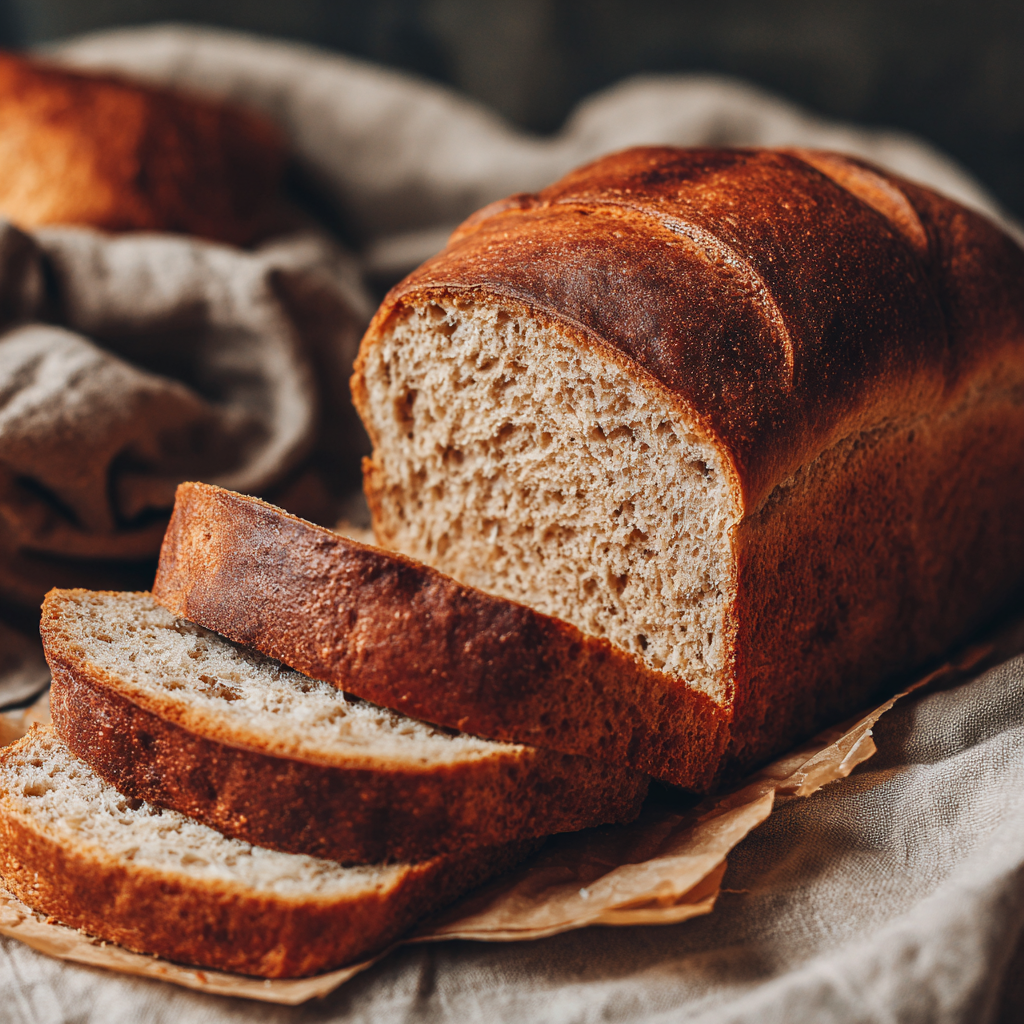
How to Serve It
The slight sweetness is what makes this bread so versatile. It is classic for turkey, avocado, and sprout sandwiches, and the dark slices look great with cream cheese and smoked salmon. Toasted, it only needs salted butter or honey butter. It is also a natural partner for soups and stews: try it alongside bean soup, chili, or a bowl of cucuzza soup.
If you enjoy baking with whole grains and honey, you may also like our honey wheat berry bread, the soft milk and honey bread, or our manna bread for something completely different.
Storage and Freezing
- Room temperature: wrap the cooled loaf in a bread bag or foil and keep it for up to 3 days. Molasses and rye help it stay moist longer than plain white bread.
- Refrigerator: not recommended; it dries bread out faster.
- Freezer: slice first, wrap tightly, and freeze up to 2 months. Toast slices straight from frozen.
Is Squaw Bread Healthy?
It is a better everyday choice than plain white bread because almost half the flour is whole grain, which adds fiber, but it is still a sweetened bread. Based on the ingredients, one slice of this loaf (1/10 of the recipe) is roughly 220 calories. For more fiber, swap ½ cup of the bread flour for whole wheat; the loaf will be a little denser. Exact numbers depend on your flour and how thick you slice.
Squaw Bread (Prairie Bread)
Equipment
- Large mixing bowl
- Measuring cups
- Measuring spoons
- Wooden spoon or dough scraper
- Loaf pan
- Clean kitchen towel or cover
- Cooling rack
Ingredients
- 1¼ cups warm water 105-110°F
- 2¼ tsp active dry yeast 1 packet
- 2 tbsp honey
- ¼ cup unsulphured molasses not blackstrap
- 2 tbsp neutral oil or melted butter
- 1 tbsp unsweetened cocoa powder
- 1 tsp instant coffee or espresso powder
- 2 cups bread flour about 250 g, plus a little for kneading
- 1 cup whole wheat flour about 120 g
- ¾ cup rye flour about 80 g, medium or dark
- 1½ tsp fine salt
- 1 tbsp rolled oats optional, for topping
Instructions
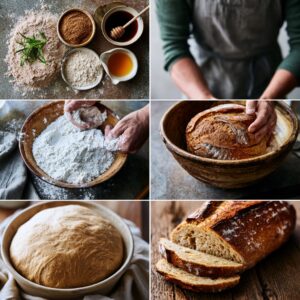
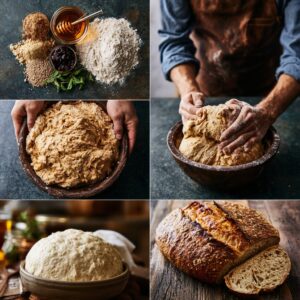
- Stir the warm water, honey and yeast in a large bowl. Let stand 5 to 10 minutes until foamy.
- Whisk in the molasses, oil, cocoa powder and coffee powder until smooth.
- Add the bread flour, whole wheat flour, rye flour and salt. Stir into a shaggy dough and rest 10 minutes.

- Knead 8 to 10 minutes by hand (6 to 7 in a mixer) until smooth but slightly tacky, adding flour only a tablespoon at a time.
- Place in an oiled bowl, cover and let rise 60 to 90 minutes, until nearly doubled.
- Press out the air, roll into a tight log and place seam-down in a greased 9×5-inch loaf pan.
- Brush with water, sprinkle with oats if using, cover and let rise 35 to 50 minutes, until it crowns about 1 inch above the rim. Heat the oven to 375°F.
- Bake 32 to 38 minutes, until the loaf sounds hollow underneath or reads 190-195°F in the center. Tent with foil if the top darkens too fast.
- Turn out of the pan and cool at least 1 hour before slicing.
Video
Notes
- Instant yeast: use the same amount, mix it with the flours and skip proofing.
- No rye flour: replace with whole wheat flour.
- Rolls: divide into 12 pieces after the first rise and bake at 375°F for 16 to 20 minutes.
- Storage: wrapped at room temperature up to 3 days; sliced and frozen up to 2 months.
- Nutrition: estimated from the ingredients; varies with flour brand and slice thickness.
Squaw Bread FAQs
What is squaw bread made of?
A blend of bread flour, whole wheat flour, and rye flour, sweetened with molasses and honey. Many versions, including this one, add cocoa and coffee for a darker color.
Why is it called prairie bread now?
Because “squaw” is considered a slur against Native American women. Bakeries that renamed the loaf commonly chose prairie bread, pioneer bread, or brown bread. The recipe did not change.
Squaw bread vs. rye bread: what’s the difference?
Deli rye is mostly white flour with some rye, flavored with caraway, and has no sweetener to speak of. This bread uses rye as one of three flours, skips caraway, and is noticeably sweet from molasses and honey.
Can I make it without rye flour?
Yes. Replace the rye with whole wheat flour. The loaf will be a bit lighter in flavor and color, so you can add an extra teaspoon of cocoa.
Why is my bread dense?
Usually too much flour during kneading or a short second rise. Keep the dough slightly tacky and let it rise until it domes above the pan.

goood
good