
It all begins with delicious bread, and this sourdough hoagie rolls recipe is an ideal way to prepare soft, flavourful rolls from your kitchen. Golden with a tender but fluffy interior, you will get that bakery taste at home to enjoy.
These rolls differ from regular bread as they incorporate a live sourdough starter that provides an organic flavor and appealing texture. Long and slow fermentation typically gives a dense flavour, but it also makes the rolls soft enough to eat with each meal.
These hoagie rolls are easy to customize and perfect for classic subs, grilled sandwiches or lunchbox favorites, simple enough for any occasion. Make wholesome sandwich bread right in your own kitchen with this very straightforward recipe.
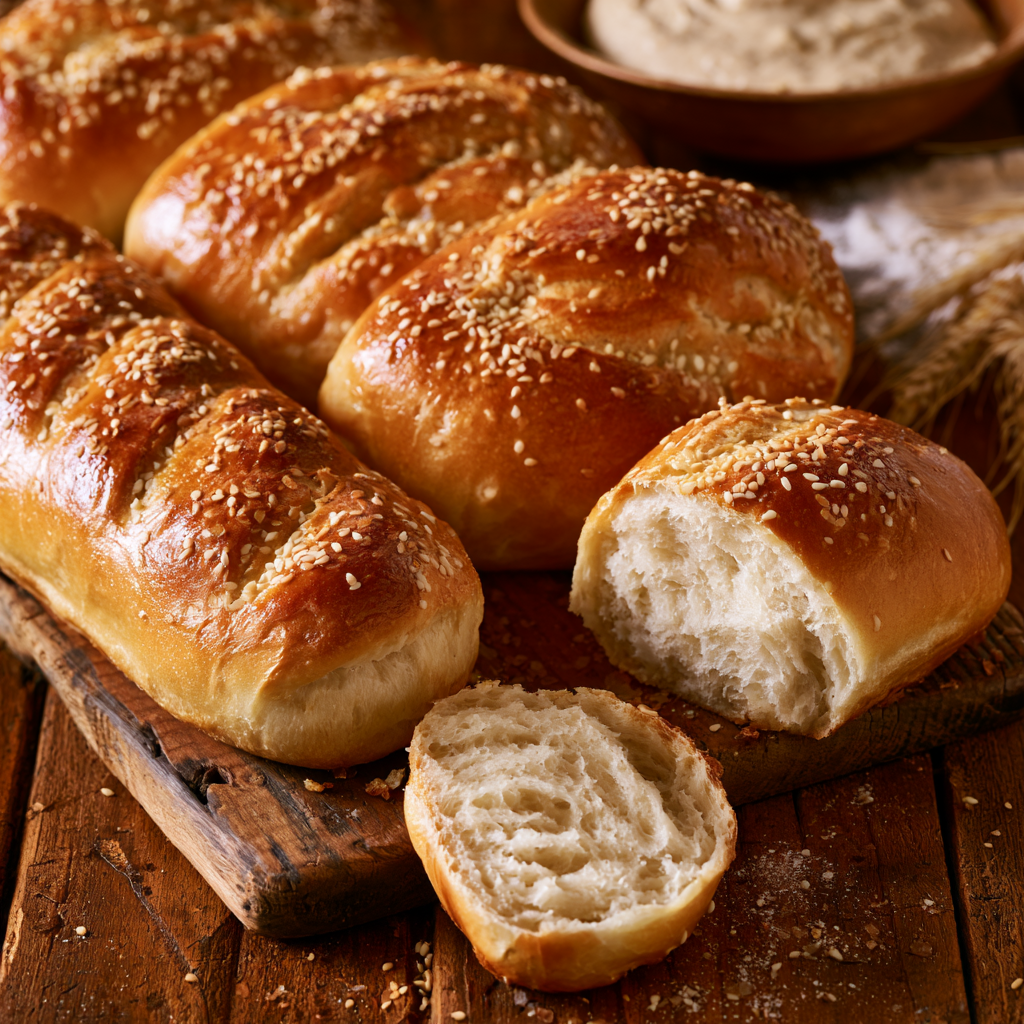
What Makes These Sourdough Hoagie Rolls Special?
These rolls are absolutely magical because of that sourdough starter! Sourdough stands apart from commercial yeast breads, utilizing naturally occurring yeast and bacteria that develop more slowly during the fermentation of dough.
This process improves flavor, creates a softer texture, and gives the bread its signature slight tanginess.
These rolls are also incredibly versatile. You can use them for:
- Classic Italian-style sandwiches
- Meatball subs
- Chicken sandwiches
- Breakfast rolls
- Toasted garlic bread
- Party sliders
The long fermentation time may require patience, but the final result is worth every minute.
Ingredients You Need for Perfect Homemade Rolls
To prepare these soft sandwich rolls, you will need simple pantry ingredients:
For the Dough:
- 500 grams bread flour
- 250 grams active sourdough starter
- 250 grams warm water
- 30 grams olive oil
- 20 grams honey or sugar
- 10 grams salt
- 1 large egg (optional, for richer texture)
- Sesame seeds or toppings of your choice (optional)
For the Egg Wash:
- 1 egg
- 1 tablespoon water
The egg wash helps create a beautiful golden crust while keeping the rolls visually appealing.
How to Make Sourdough Hoagie Rolls Step by Step
1. Prepare the Dough
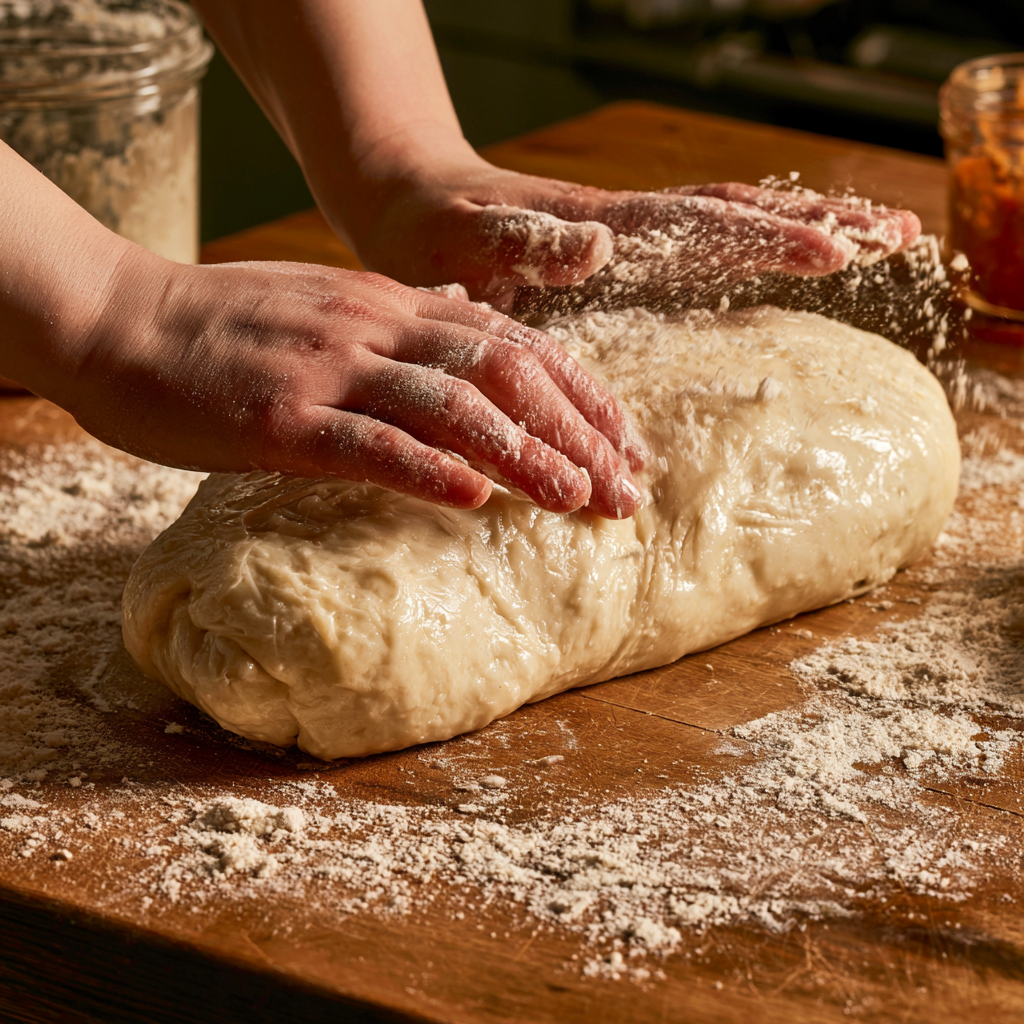
In the large bowl, combine bread flour and water. Combine until the flour absorbs all the liquid, and then leave to rest for around 30 minutes. This fully hydrates the flour and helps to create a better final texture.
Next, add in the active sourdough starter, followed by honey, olive oil and salt. Knead the dough until it is smooth and elastic.
In about 10 minutes, you can knead by hand or use a stand mixer with a dough hook.
2. Allow the Dough to Ferment
Put the dough in a lightly oiled bowl and cover it. Leave it to ferment in a warm place for an hour or two until puffy and expanded.
Depending on your room temperature and starter strength, this might take from 4–6 hours.
After fermentation, the dough should be airy, and there may even be bubbles visible.
3. Shape the Hoagie Rolls
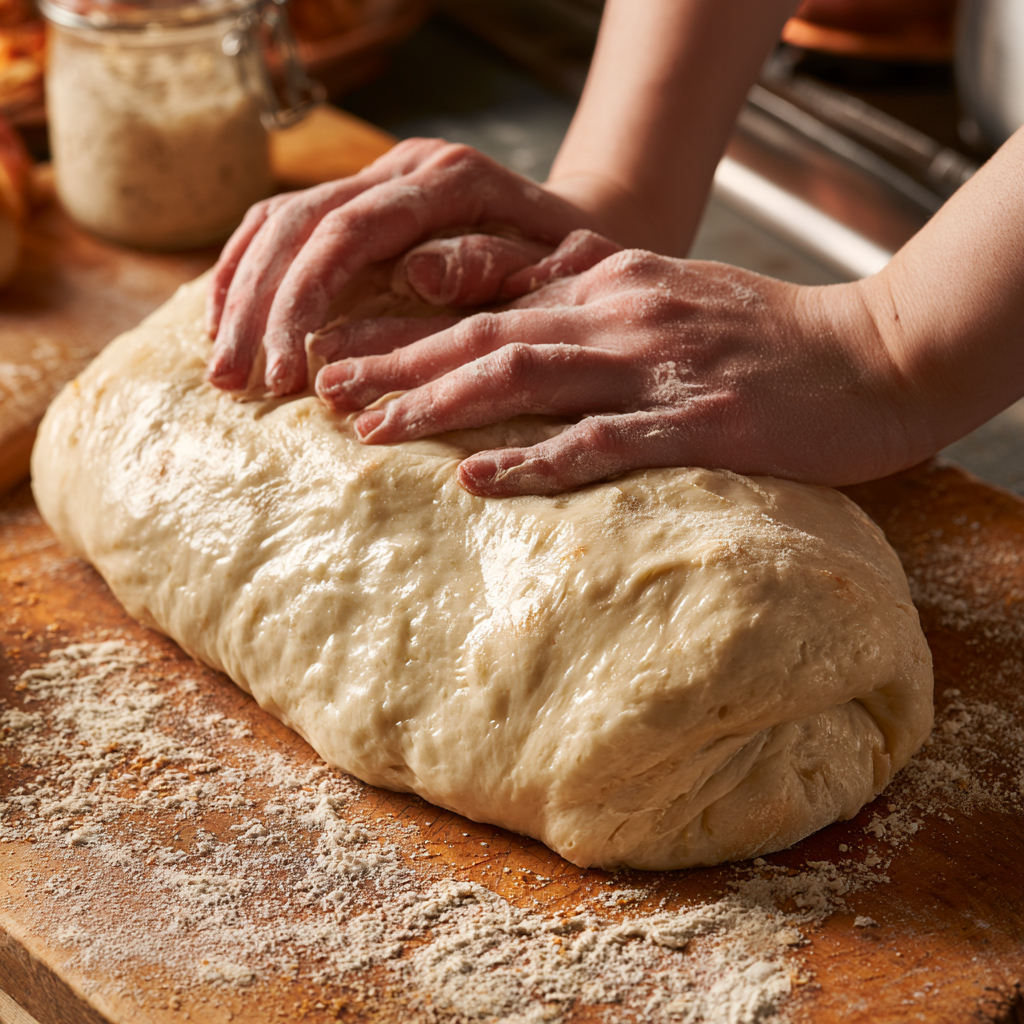
Move onto a lightly floured surface, and also divide the dough into equal parts.
Shape each piece into a long oval shape, like old-school sandwich rolls. Whatever you do, keep that surface tension tight so the rolls hold their shape when baked.
Put them on a lined baking tray with plenty of space between the rolls.
4. Final Proof and Baking
Cover the formed rolls, and let rise again until soft and just puffy.
Lodge the tops with egg wash and sesame seeds, if desired.
Bake at 375°F (190°C) for about 20–25 minutes, until rolls turn golden.
Let them cool before slicing; otherwise the inside gets gummier.
Baking Mistakes That Can Affect Your Rolls
Making fermented bread requires a little practice. These common mistakes can change the final result.
Using an Inactive Starter
A weak sourdough starter will produce dense rolls. Always use a starter that is bubbly, active, and recently fed.
Adding Too Much Flour
Many beginners add extra flour when the dough feels sticky. This can create dry and heavy bread. A slightly sticky dough usually creates softer rolls.
Skipping the Fermentation Time
The slow rise is what develops flavor and texture. Reducing fermentation time may result in bland and dense bread.
Cutting Rolls Before Cooling
Fresh bread continues cooking after leaving the oven. Waiting allows the crumb structure to set properly.
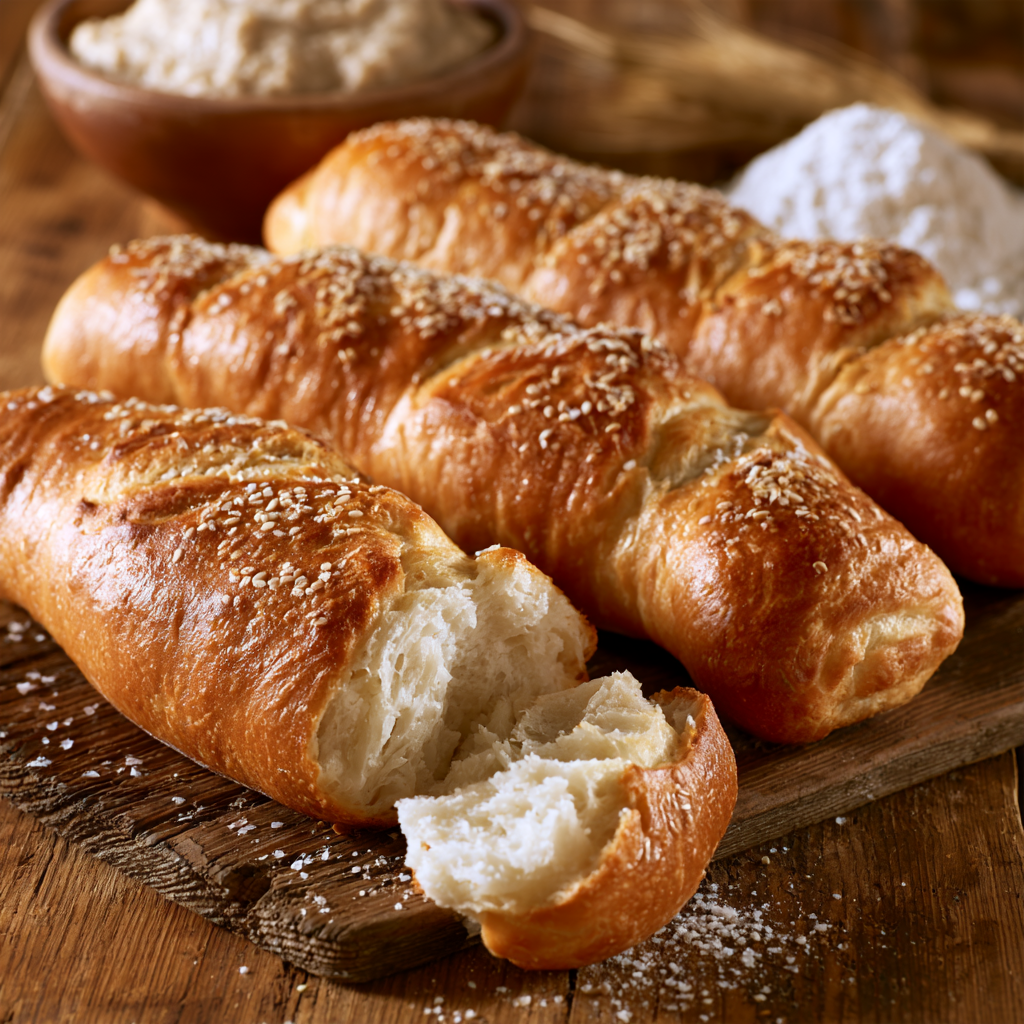
Why Choose Homemade Sourdough Sandwich Rolls?
By making the rolls yourself, you are in sole control of what goes into them and just how fresh they should taste.
Unlike store-bought bread, which is loaded with preservatives, homemade hoagie rolls require no additives and can be made to your specific tastes.
So it is the fermentation process that makes sourdough, and a naturally fermented loaf will taste far more delicious than normal sandwich bread.
These fermented bread buns can easily be made by baking lovers and home bakers.
Storage and Serving Tips
Freshly baked rolls can be stored in an airtight container at room temperature for up to 3 days.
For longer storage:
- Freeze completely cooled rolls for up to 3 months
- Wrap individually before freezing
- Thaw at room temperature before serving
To refresh frozen rolls, warm them in the oven for a few minutes until soft.
- Serve them with:
- Soups and salads
- Grilled vegetables
- Cold cuts
- Cheese fillings
- Homemade sauces
Frequently Asked Questions
Can I make these rolls without a sourdough starter?
Yes, but the flavor and texture will be different. A sourdough starter provides the natural fermentation that creates the unique taste of these rolls.
Why are my sourdough rolls dense instead of fluffy?
Dense rolls usually happen because of an inactive starter, insufficient fermentation, or adding too much flour during kneading.
Can I prepare the dough overnight?
Yes. Overnight fermentation is actually a great option because it allows the dough to develop deeper flavor while saving preparation time the next day.
How do I know when my dough is ready to bake?
The dough should feel light, slightly expanded, and spring back slowly when gently pressed.
Can I use whole wheat flour for this recipe?
Yes, but replacing all bread flour may make the rolls heavier. For a softer texture, try using a combination of whole wheat and bread flour.
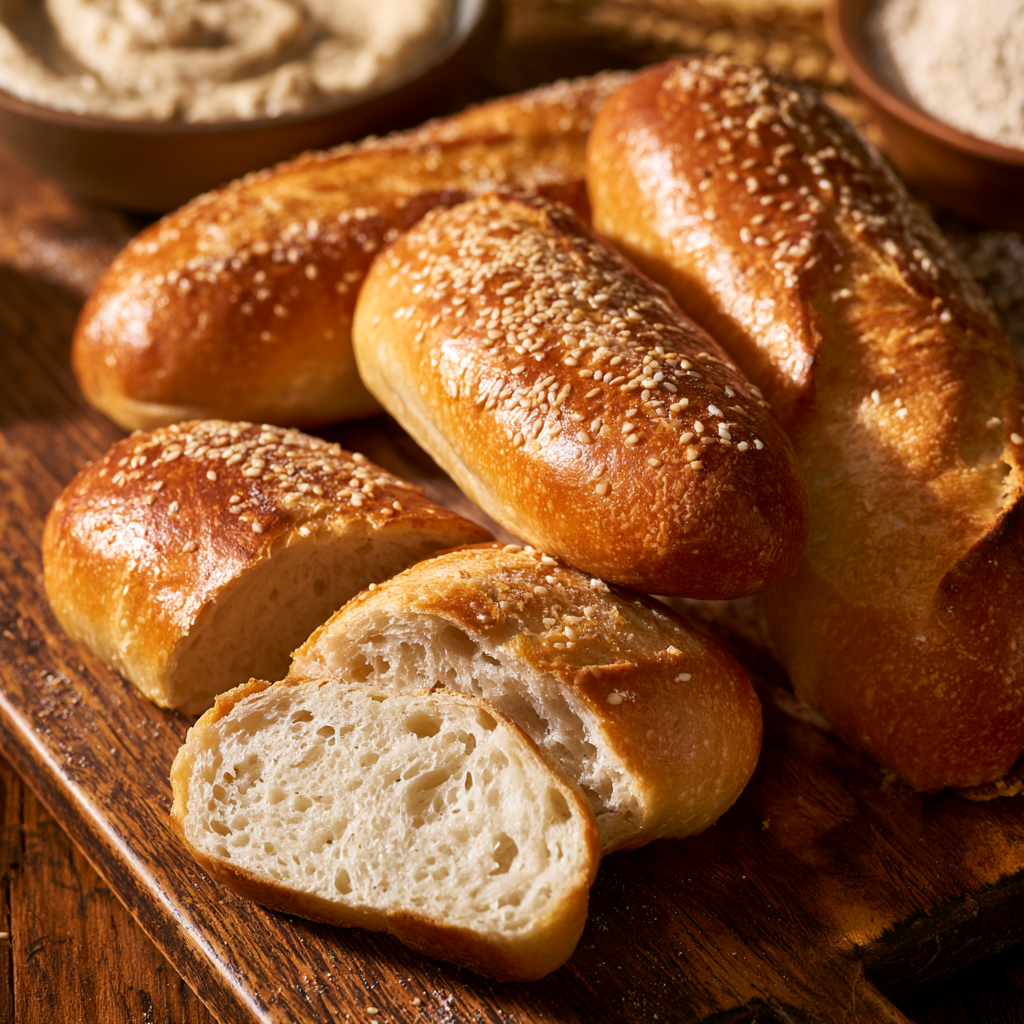
Final Thoughts on Making the Perfect Sourdough Hoagie Rolls Recipe
Homemade rolls can take your meals from decent to mindblowing, because even a good sandwich starts with great bread. These Sourdough Hoagie Rolls Recipe are soft, chewy, and packed with flavor.
Though sourdough baking is a slow process, that lengthy natural fermentation rewards you with superior flavor and texture (and far more joy from the fact you’ve just made something at home).
Because these rolls are so good at home, you may not want to go back to regular sandwich bread. These are a very simple bake that taste as good, if not better, than they look cooked, either inside with your favourite fillings or outside, fresh out of the oven, then melted butter.
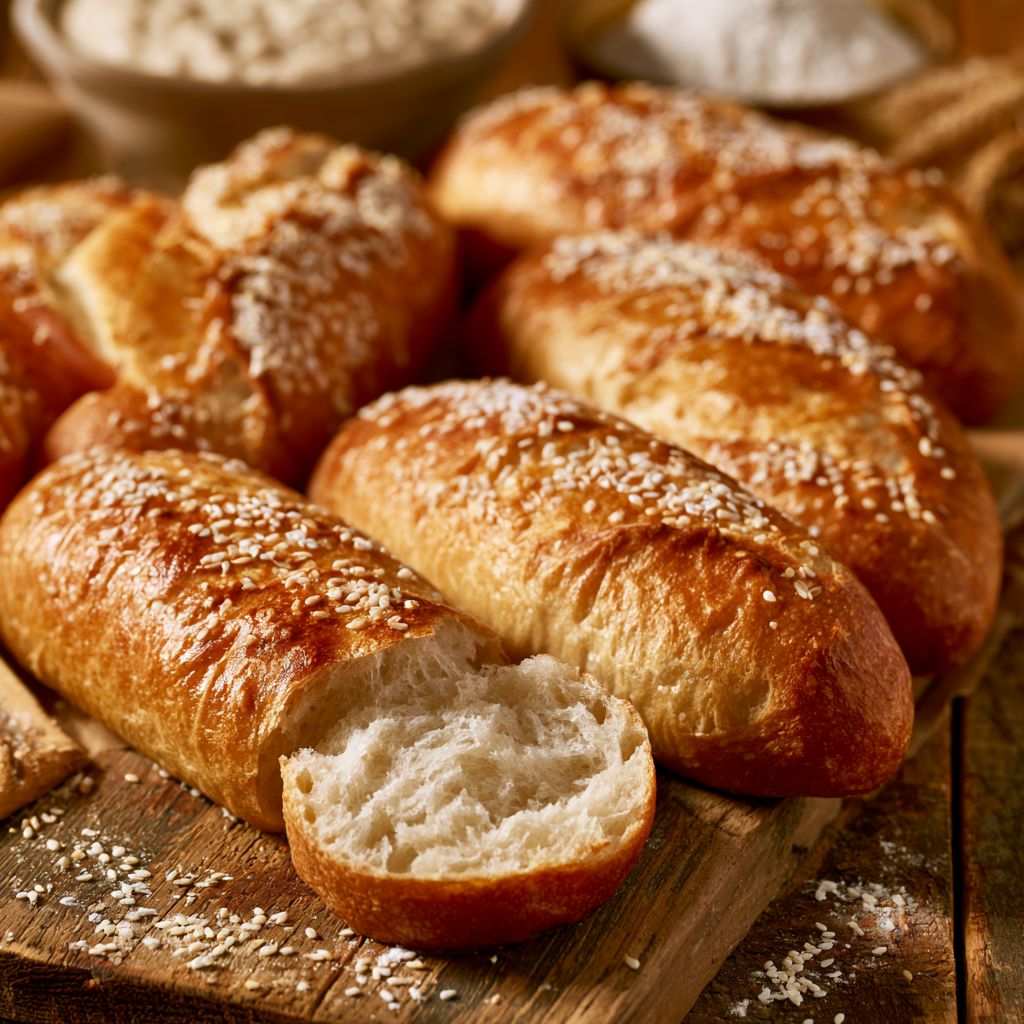
Sourdough Hoagie Rolls Recipe
Ingredients
Equipment
Method
- Mix flour, water, sourdough starter, olive oil, honey, and salt to make a soft dough.

- Knead the dough until smooth, then let it rise until doubled in size.
- Divide the dough into pieces and shape them into hoagie rolls.
- Let the shaped rolls rise again until soft and puffy.
- Brush with egg wash, add toppings if desired, and bake at 375°F (190°C) for 20–25 minutes.
- Cool before slicing and serving.
Video
Notes
- Use an active sourdough starter for the best results.
- Do not add too much flour, or the rolls may become dry.
- Store rolls in an airtight container for up to 3 days.
- You can freeze baked rolls for longer storage.