
Have you ever taken a beautiful-looking sourdough loaf out of the oven, only to cut into it and discover a heavy, sticky, or flat center? Many home bakers experience this frustrating moment, especially when working with naturally fermented dough.
The good news is that most sourdough failures are not random. They usually happen because of small changes in fermentation, hydration, starter activity, or baking technique. Once you understand what affects your dough, you can easily improve your results.
This guide explains the most common challenges bakers face and provides practical solutions to help you create a lighter, better-textured sourdough loaf every time.
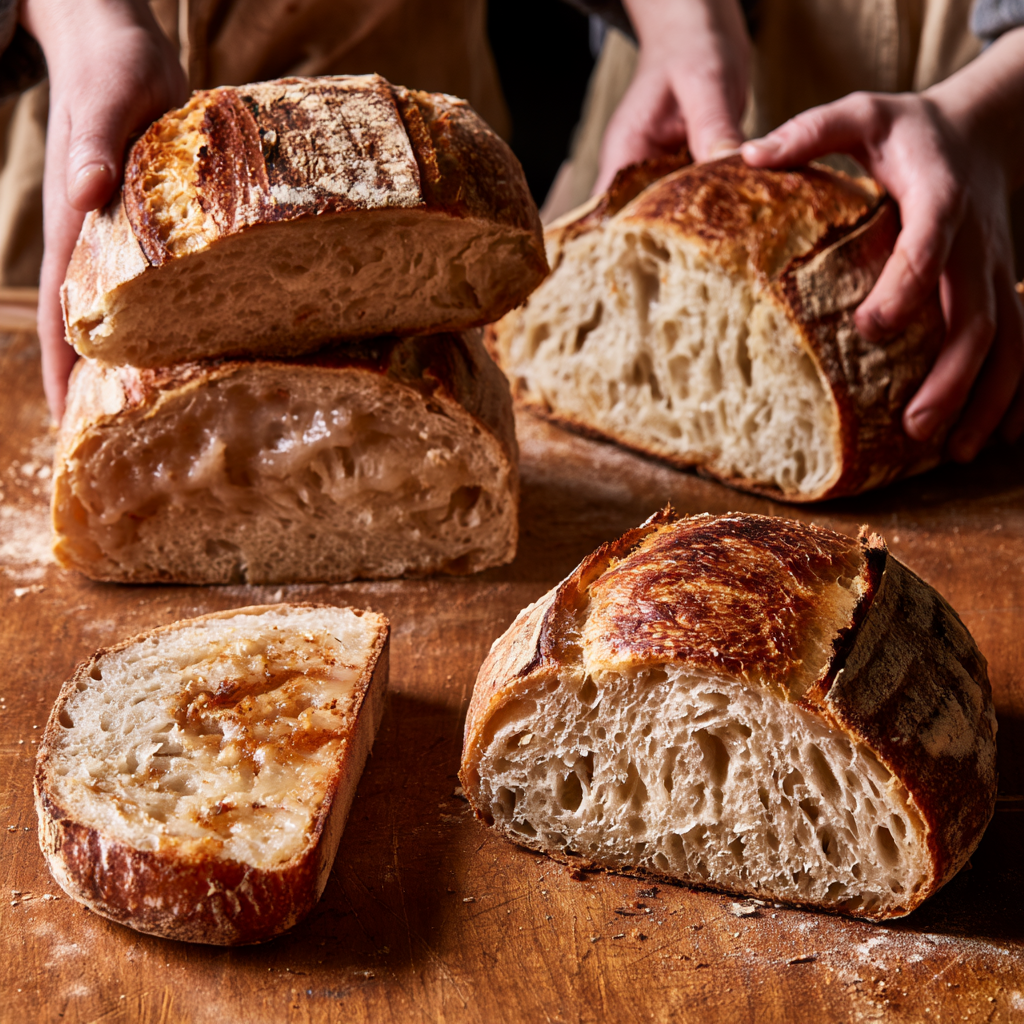
Understanding Why Sourdough Bread Can Go Wrong
Flour, water, wild yeast, and bacteria (along with temperature) to make the pitch-perfect dough for sourdough baking require a delicate balance of all those elements. Sourdough is fermented with wild bacteria, unlike commercial yeast bread, which ferments somewhat predictably under controlled environments.
The final loaf can be sabotaged by an underpowered starter, incorrect fermentation timing, or not shaping properly. The first step to successful baking is understanding how these things work together.
Common Sourdough Bread Problems and Their Solutions
Why Is My Sourdough Bread Not Rising?
Joking aside, one of the most common problems for beginner bakers is a flat loaf that has not risen in the oven.
By far the most common reason is that it was an inactive starter. This could mean that your starter is weakened or dead, as an active sourdough starter should bubble, rise and smell pleasant after about 6 hours of being fed.
Other possible causes include:
- The dough was fermented in a cold environment
- The starter was used before reaching peak activity
- The dough was under-proofed
- Too much flour was added during shaping
How to Fix It
Ensure your starter is active before you start to mix. Keep feeding regularly and bake when it is at its highest point in activity.
Moving your dough into a warmer area will also help improve fermentation. Ideally, the healthiest fermentation would take place between a temperature of roughly 75 and 82 degrees F.
The Secret Behind a Light and Airy Sourdough Loaf
Why Is My Sourdough Bread Too Dense?
Sour bakers dread turning out a dense, brick-like loaf with a tight crumb. Solutions for sourdough bread being too dense usually relate to either fermentation or dough development when people search for them.
A dense texture can happen because:
- The starter was weak
- The dough did not ferment long enough
- Gluten was not properly developed
- The dough hydration was too low
- The loaf was shaped too aggressively
How to Improve the Texture
Give it sufficient time for bulk fermentation. The dough needs time to grow strong here, and this is also what creates the little air pockets that sourdough relies on for its characteristic lightness.
Although gluten structure can be damaged by rough treatment, gentle stretching and folding during fermentation also strengthens the dough.
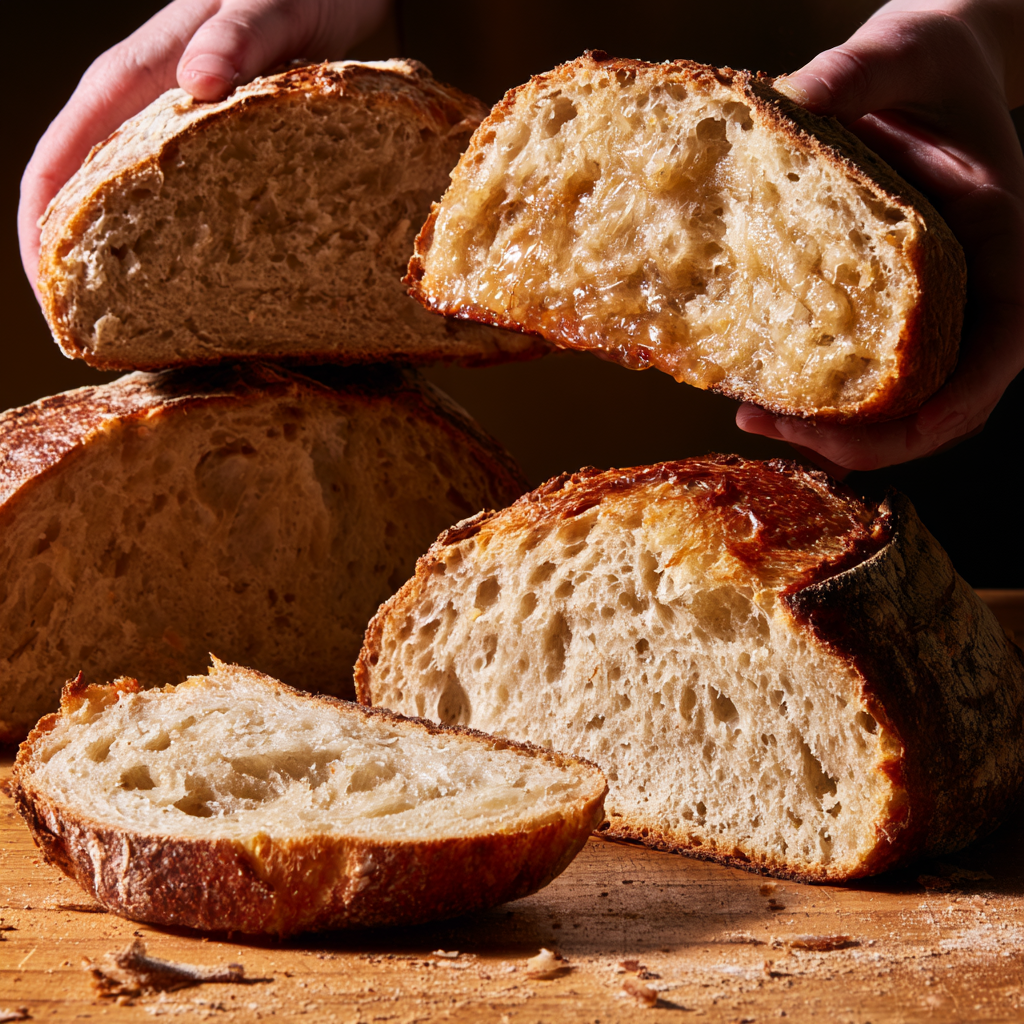
Why Does My Sourdough Bread Have a Gummy Centre?
A loaf may look perfect from the outside but still have a wet, sticky interior after slicing.
This usually happens because the bread was:
- Removed from the oven too early
- Baked at an incorrect temperature
- Cut while still warm
- Made with excessive hydration
A freshly baked sourdough loaf continues to set as it cools. Cutting too soon traps moisture inside and creates a gummy crumb.
Solution
Let your bread cool down completely before slicing it. For most sourdough, waiting a minimum of 2–3 hours allows the interior to gather its thoughts.
If the issue persists, when you bake next time, either extend your baking duration slightly or reduce the water content in the dough a little.
Sourdough Bread Mistakes That Affect Your Final Loaf
Even experienced bakers make mistakes. Understanding these errors can help you avoid repeating them.
Using an Unhealthy Starter
Your starter is the foundation of sourdough baking. If it lacks activity, the dough will struggle to rise.
A healthy starter should:
- Double in size after feeding
- Show visible bubbles
- Smell slightly tangy and fresh
- Perform consistently between feedings
Incorrect Fermentation Timing
The temperature in your room, the type of flour you use and how strong your starter dough is will all influence fermentation.
Ferment too early, you end up with a brick; wait too long, and the dough weakens to the point of collapse.
Adding Too Much Flour During Shaping
Often, novice bakers add more flour because sticky dough feels hard to work with. Adding too much additional flour can throw off the dough balance and affect final texture.
Better to use wet hands or a dusting of flour instead of dry brushing extensively on the dough.
Sourdough Bread Troubleshooting: Texture and Shape Issues
Why Does My Sourdough Loaf Spread Instead of Rising?
A loaf that spreads outward instead of growing upward usually has weak dough structure.
Common reasons include:
- Over-proofing
- Poor gluten development
- Incorrect shaping technique
- Too much water in the dough
Fix
Try reducing fermentation time and improving shaping tension. Creating a tighter surface during shaping helps the loaf maintain its structure.
Why Are There No Large Holes Inside My Bread?
Many bakers expect the large open crumb commonly seen in artisan sourdough.
Small or uneven holes can happen because:
- The dough was not fermented enough
- The starter was weak
- The dough was handled too roughly
- The hydration level was too low
Developing a beautiful crumb takes practice. Focus on fermentation quality before trying to achieve dramatic holes.
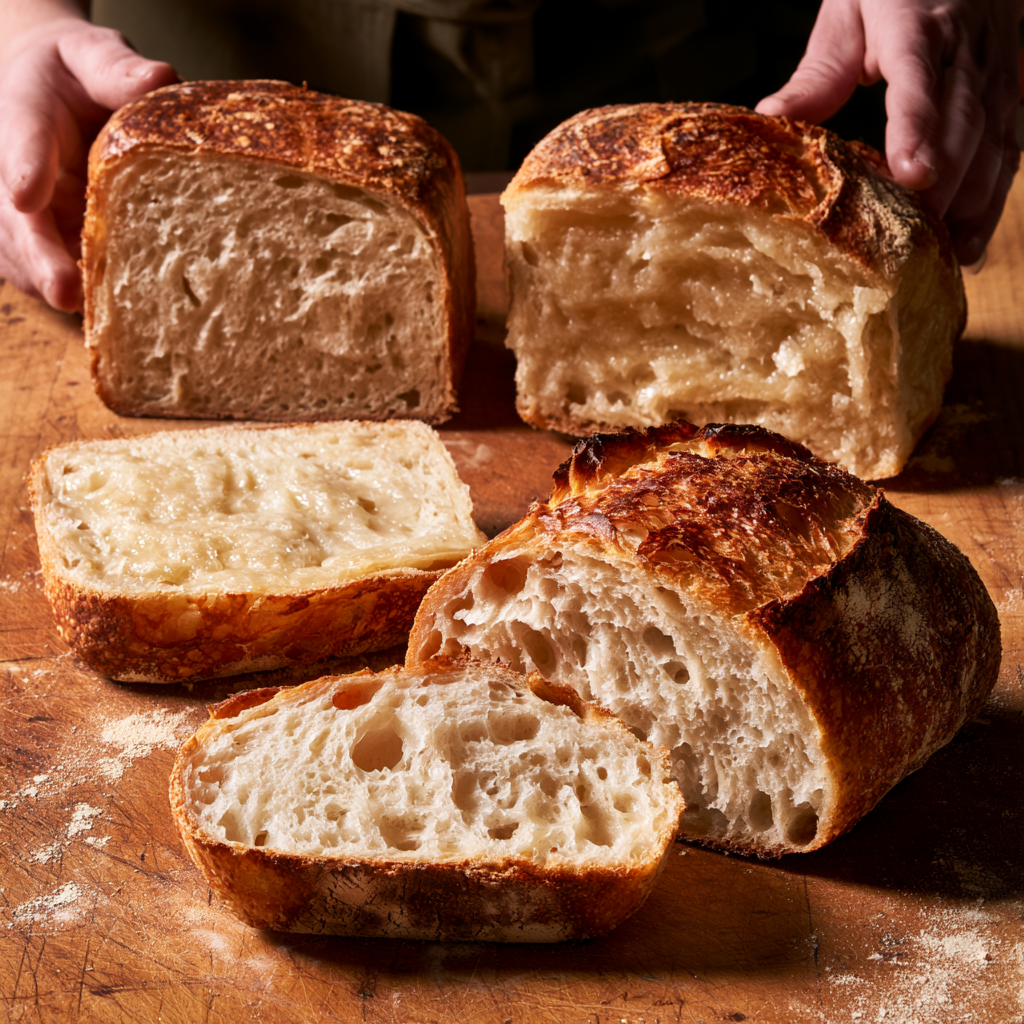
How to Fix Sourdough Bread Problems Before They Happen
Prevention is easier than correction. Following a consistent baking routine can dramatically improve your results.
Keep Your Starter Healthy
Feed your starter regularly and avoid using it when it has already collapsed after reaching peak activity.
Measure Ingredients Accurately
Bread baking is sensitive to ratios. Using a kitchen scale instead of cups provides more reliable results.
Control Your Fermentation Environment
Temperature plays a major role in sourdough success. A warmer kitchen speeds up fermentation, while a cooler environment slows it down.
Practice Proper Dough Handling
Avoid excessive kneading or rough shaping. Sourdough dough benefits from gentle techniques that protect the air bubbles created during fermentation.
Quick Sourdough Troubleshooting Checklist
Quick Sourdough Troubleshooting Checklist
| Problem | Possible Cause | Solution |
|---|---|---|
| Sourdough bread not rising | Weak or inactive sourdough starter | Feed your starter regularly and use it when it is bubbly and active |
| Dense and heavy bread | Short fermentation time or poor gluten development | Allow longer fermentation and use proper stretching and folding techniques |
| Gummy interior texture | Bread removed too early or not baked enough | Bake longer and allow the loaf to cool completely before slicing |
| Flat or collapsed loaf | Over-proofing or weak dough structure | Reduce proofing time and improve dough shaping techniques |
| Thick or hard crust | Incorrect baking temperature or low oven moisture | Adjust baking temperature and use steam during the first stage of baking |
Frequently Asked Questions About Sourdough Bread Problems
Why does my sourdough bread collapse after baking?
A loaf may collapse because it was over-proofed, had weak gluten structure, or was not shaped properly. Reducing fermentation time and improving dough strength can help.
Can I save sourdough bread that did not rise?
Yes, depending on the condition of the dough. If fermentation has not progressed too far, you may reshape and allow it additional proofing time.
Why is my sourdough crust too thick?
A thick crust can happen from excessive baking time, low oven humidity, or baking at a temperature that is too high for too long.
How long should sourdough bread cool before cutting?
Most sourdough loaves should cool for at least 2–3 hours before slicing. This allows the crumb to finish setting properly.
Is sourdough bread supposed to have a sour taste?
A mild tang is normal, but an extremely sour flavour can happen from long fermentation or a starter that has not been refreshed regularly.
Final Thoughts: Better Bread Comes From Understanding the Process
Sourdough baking is mostly an observational craft, and learning to bake sourdough takes experience. Each loaf teaches you something about fermentation and dough strength, or how hot your oven is running.
Fixing your starter health, controlling fermentation, but tiny strives in setting work at it. Consider your mistakes as clues that help you to be a better baker with more confidence.
With patience and consistency, you can overcome these challenges and enjoy homemade sourdough bread with a beautiful crust, balanced flavour, and satisfying texture.
Related Sourdough Recipe
Ready to apply these troubleshooting tips? Try our homemade Crusty Sourdough Rolls Recipe and learn how proper fermentation creates a crispy crust and soft interior.