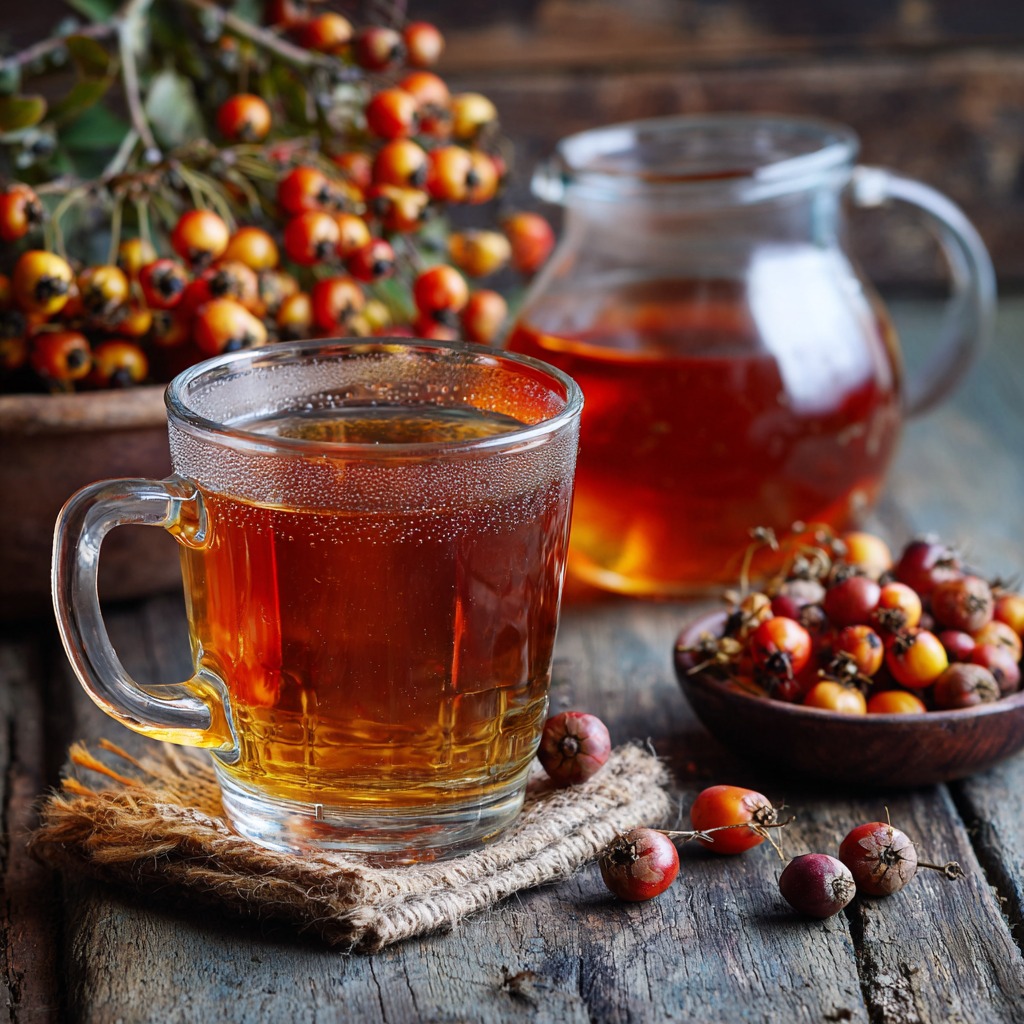
Hawthorn tea has become increasingly popular as a gentle and heart-friendly drink known for its natural antioxidants and potential cardiovascular benefits. Hawthorn berry– This herbal tea has a delicate, mildly sour flavor and is made from the berries, leaves, or flowers of the hawthorn plant. A good quality Hawthorn Tea Recipe can, however, turn these humble ingredients into a warming and healthful drink to be enjoyed daily.
Apart from that reason, people look for a Hawthorn Tea Recipe because of its traditional use to support digestion and as a circulation booster. With the tea being laid-back, it is therefore perfect for someone looking to make a shift from regular teas and drinks without caffeine. It is an easy soothing tradition, whether prepared fresh from the berries or with other herbs added to it for a medicinal beverage like tea.
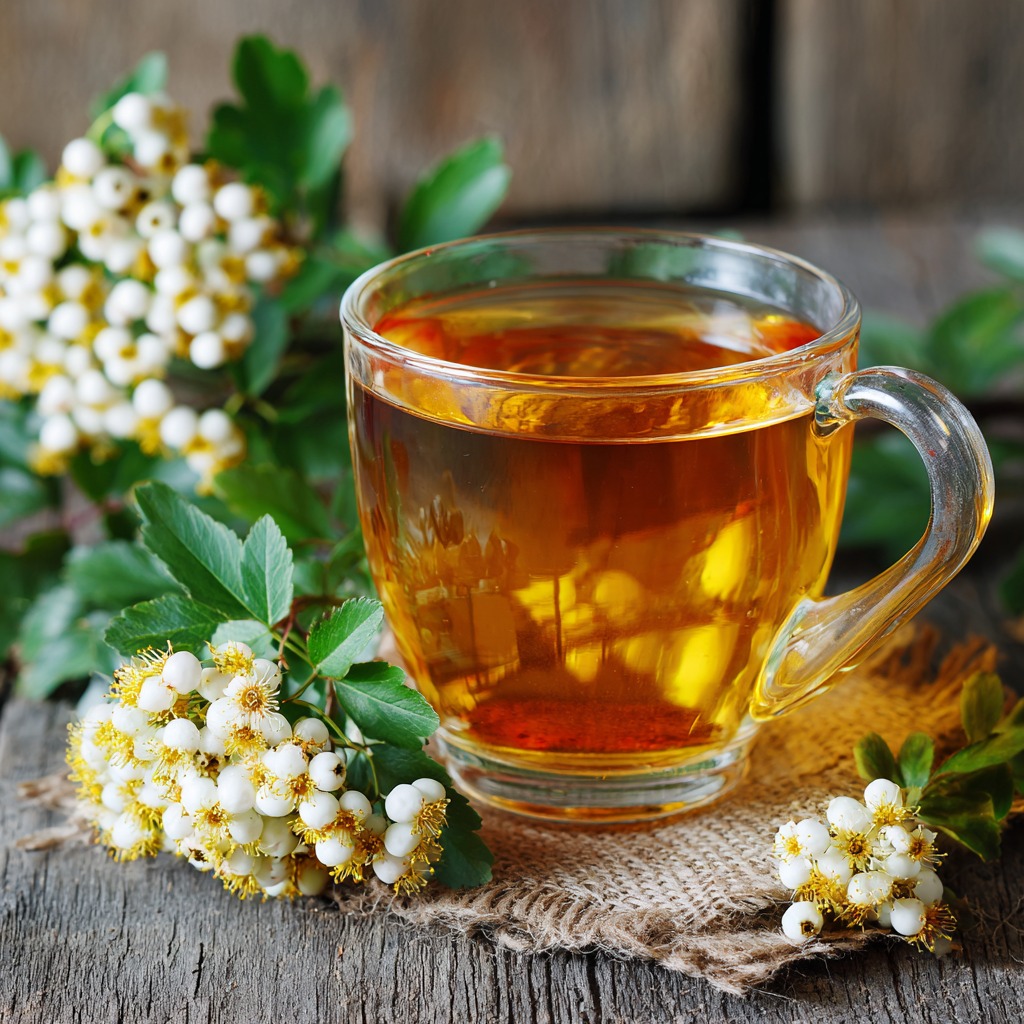
Carefully made from selecting just the right lychee or hawthorn to deciding exactly when and how long you brew each cup, it all matters. An expertly crafted hawthorn tea recipe harmonizes the flavors, scent, and health benefits that make it a must-have in any herbalist’s library. Trying different shades can open up fresh taste horizons and keep this historic treatment alive in modern kitchens.
Table Of Contents
What is Hawthorn and Why Use it in Tea?
Understanding the Hawthorn Plant
Hawthorn (Crataegus spp.) is a flowering shrub that is native to Europe, North America, and Asia. This plant bears tiny crimson berries, called hawthorn berries, which are the main ingredient in herbal teas. For centuries, hawthorn has been used by herbalists for heart and digestive purposes.
| Part of Plant | Usage in Tea | Benefits |
|---|---|---|
| Berries | Steeped or boiled | Rich in antioxidants, supports heart health |
| Leaves | Steeped in hot water | Mild flavor, supports circulation |
| Flowers | Steeped or combined | Soothing, calming, gentle on digestion |
Hawthorn Berries are regarded for their high flavonoid content, which is the type of compound that makes tea an antioxidant. Hawthorn has long been used as a herbal medicine for heart function, circulation, and even stress relief.
Benefits of Drinking Hawthorn Tea
Drinking hawthorn tea regularly can provide several health benefits:
- Heart Health: May improve circulation and strengthen heart function
- Digestive Support: Gentle on the stomach and helps with bloating
- Antioxidant Boost: Protects cells from oxidative stress
- Calming Effects: Can reduce mild anxiety and stress
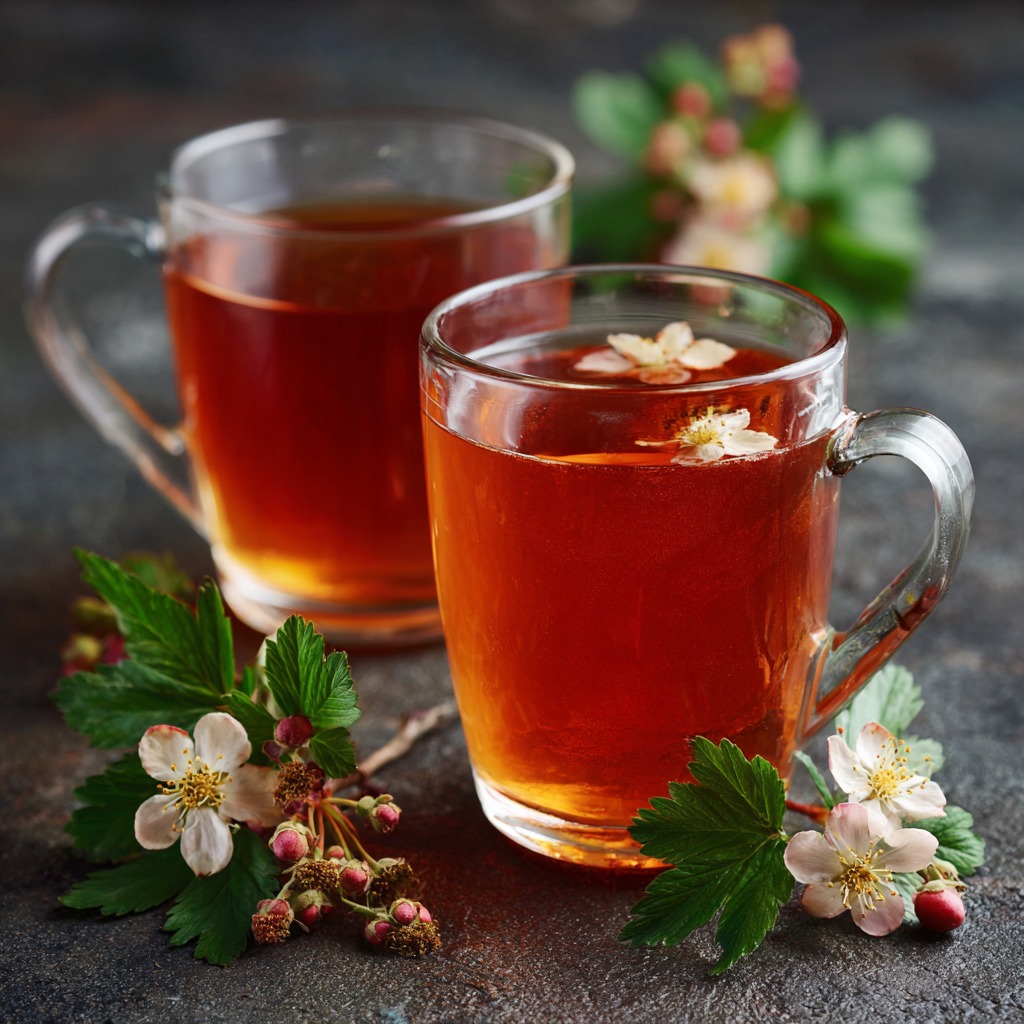
Health Benefits of Hawthorn Tea
Drinking hawthorn tea regularly can provide multiple benefits:
- Heart Health: Supports healthy circulation and strengthens the heart muscle.
- Digestive Aid: Helps soothe bloating, indigestion, and stomach discomfort.
- Antioxidant Boost: Protects cells from damage caused by free radicals.
- Stress Reduction: Offers a calming effect on the nervous system.
“Hawthorn has been used for centuries to naturally support heart health, making it a favorite in traditional herbal medicine.” – Herbal Medicine Journal
“Hawthorn has been used for centuries to support heart health naturally, making it a staple in traditional herbal medicine.” – Herbal Medicine Journal
Ingredients Needed for a Hawthorn Tea Recipe
Basic Ingredients
To brew the traditional Hawthorn Tea Recipe, you will need:
- 1–2 tablespoons of dried hawthorn berries (or fresh berries if available)
- 2 cups of water
- Brewing equipment: teapot, saucepan, or mug
Optional Additions
Enhance the flavor or health benefits of your hawthorn tea recipe with:
- Honey or maple syrup – for natural sweetness
- Lemon – to boost antioxidants and add a fresh taste
- Spices: cinnamon, ginger, or cardamom
- Herbs: chamomile, mint, or rosehip for complementary flavors
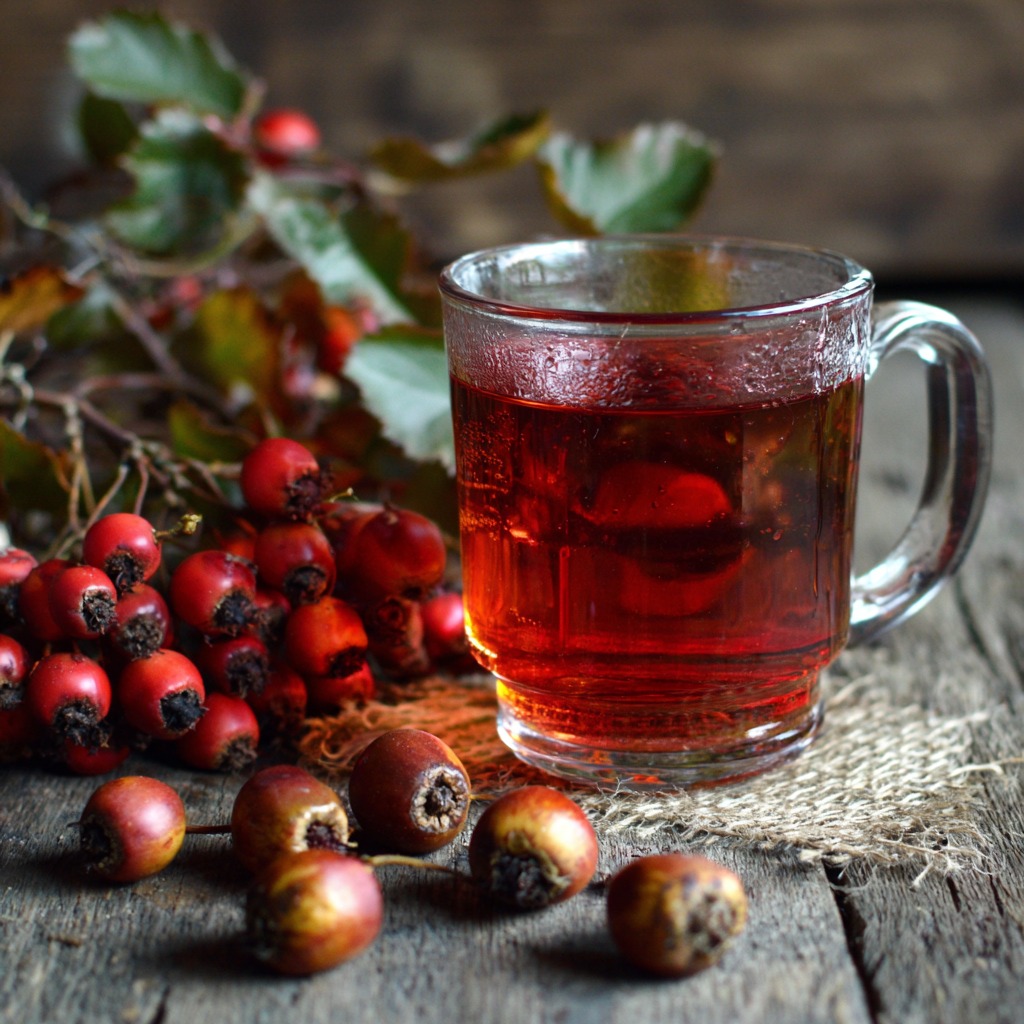
Step-by-Step Hawthorn Tea Recipe
Preparing Hawthorn Berries
- Rinse the hawthorn berries thoroughly to remove dust and debris.
- Optional: Crush or slice berries slightly to release more flavor and nutrients.
Brewing Instructions
- Boil 2 cups of water in a saucepan or teapot.
- Add hawthorn berries to the boiling water.
- Reduce heat and simmer for 10–15 minutes.
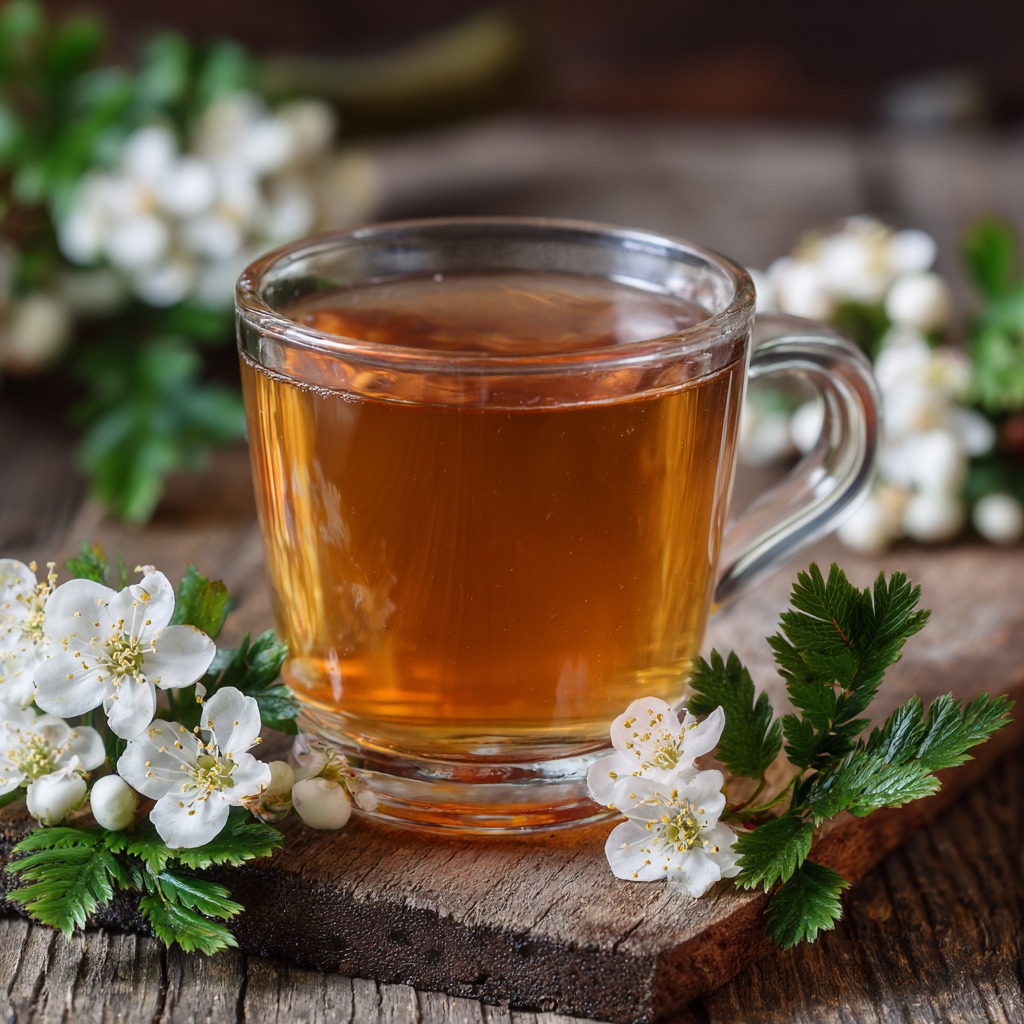
- Strain the tea into a cup.
- Optional: Add honey, lemon, or herbs to taste.
Storage Tips
- Brewed tea can be stored in the refrigerator for up to 2 days.
- Reheat gently to avoid bitterness.
- Adjust berry quantity for a stronger or milder cup.
Variations of Hawthorn Tea Recipes
Hawthorn Berry and Herbal Blends
- Hawthorn + Chamomile: Calming, great for evenings
- H awthorn + Mint: Refreshing and soothing for digestion
- Hawthorn + Rosehip: Extra antioxidants and tangy flavor
Cold Brew and Iced Hawthorn Tea
Cold-brewed hawthorn tea is refreshing and perfect for hot days:
- Place 1–2 tablespoons of berries in 2 cups cold water.
- Refrigerate for 6–8 hours.
- Strain and serve over ice.
- Optional: Add honey or lemon slices.
Hawthorn Tea with Spices
Enhance your hawthorn tea recipe with spices:
- Cinnamon: Supports circulation and adds warmth
- Ginger: Aids digestion and adds a zesty flavor
- Cardamom: Boosts antioxidants and flavor complexity
Tips for the Perfect Hawthorn Tea
- Avoid oversteeping to prevent bitterness.
- Best consumed morning or afternoon to enjoy its gentle energizing effects.
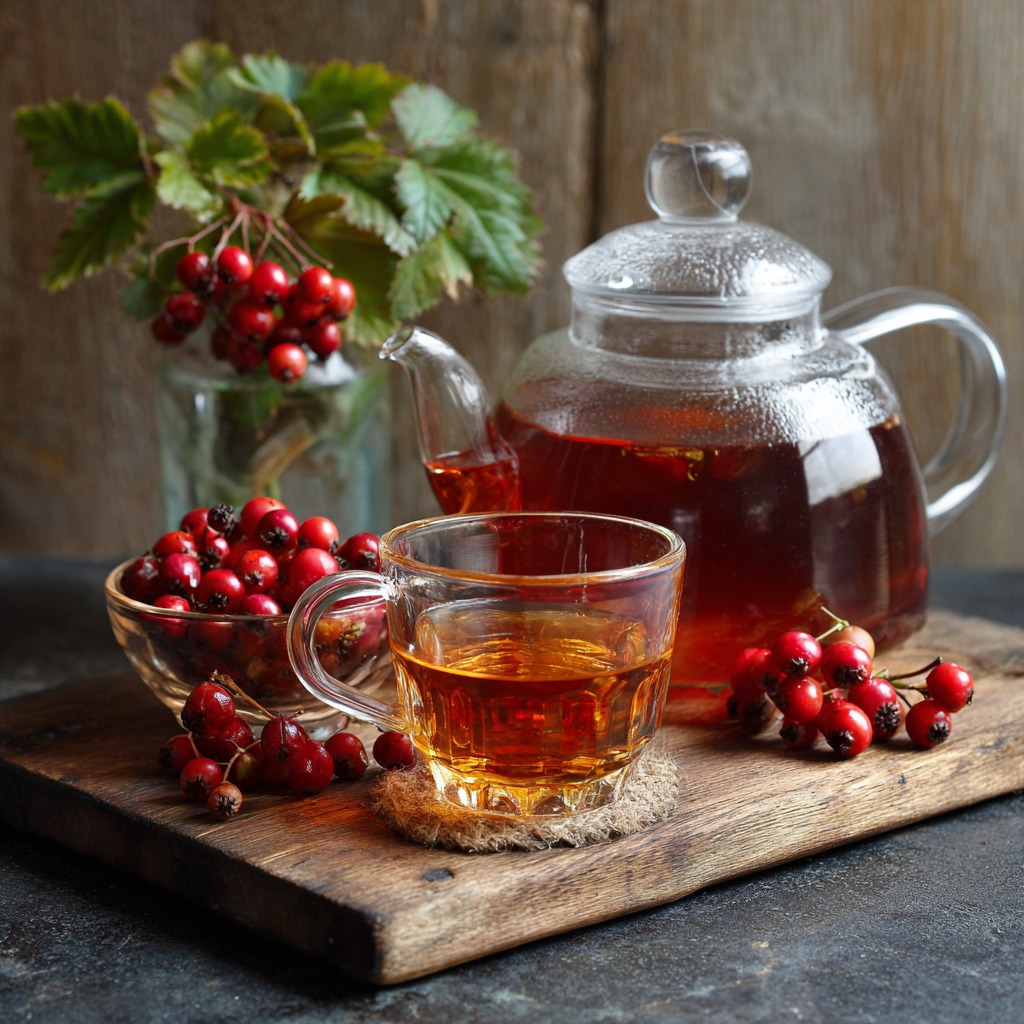
- Recommended daily intake: 1–2 cups per day.
- Pair with light snacks or herbal biscuits for optimal experience.
Common Questions About Hawthorn Tea
Is Hawthorn Tea Safe for Everyone?
While generally safe, people taking heart medications or with low blood pressure should consult a doctor before drinking regularly.
How Does Hawthorn Tea Affect Blood Pressure?
Hawthorn can support healthy blood pressure levels by improving blood flow and vessel elasticity. However, it should not replace prescribed medication.
Can You Use Hawthorn Leaves or Flowers Instead of Berries?
- Leaves: Mild, gentle flavor, good for daily consumption
- Flowers: Slightly sweet, calming effect
- Berries: Strongest flavor, highest antioxidants
Can Hawthorn Tea Help With Heart Problems?
Scientific studies suggest hawthorn supports heart health by improving blood flow and reducing oxidative stress. However, it should complement, not replace, medical treatment.

Hawthorn Tea Recipe
Equipment
- Saucepan or teapot
- Strainer or fine mesh sieve
- Measuring spoons
- Cup or mug
Ingredients
- 1 –2 tablespoons dried hawthorn berries or fresh
- 2 cups water
- Optional:
- Honey or maple syrup for sweetness
- Lemon slices for flavor and extra antioxidants
- Herbs: chamomile mint, or rosehip
- Spices: cinnamon ginger, or cardamom
Instructions
- Rinse hawthorn berries thoroughly to remove dust.
- Optionally, crush or slice berries to release more flavor.
- Boil 2 cups of water in a saucepan or teapot.
- Add hawthorn berries to the boiling water.
- Reduce heat and simmer for 10–15 minutes.
- Strain the tea into a cup.
- Add optional honey, lemon, herbs, or spices to taste.
Notes
- Do not oversteep to avoid bitterness.
- Best consumed 1–2 cups per day.
- Can be stored in the fridge for up to 2 days.
- Adjust berry quantity for stronger or milder tea.
- Combine with other herbs for unique flavors and additional health benefits.
Conclusion
Hawthorn tea is a simple, natural & delicious recipe to add herbal wellness into your daily routine. Packed with antioxidants and the ability to support heart health without aggravating existing digestive issues, hawthorn tea is as functional as it is flavorful. You can brew the perfect cup over and over again by adhering to all steps of this guide while you try out different variations & brewing tips.
Start your journey with this hawthorn tea recipe today and discover the timeless benefits of herbal tea.
Share Your Twist!
We would love to see how you put your own spin on this hawthorn tea recipe! Did you do something where it was a special spice or a new herb? Tell us your tips, post photos, or share variations in the comments below, and pass them along for others to try. Did we mention your creativity may be featured in an upcoming post?!