
Brown rice flour is a healthy gluten-free variation produced by milling whole brown rice grains into a fine powder. It retains the bran and germ layers, so unlike white rice flour, it is rich in natural fiber, minerals & whole grain nutrients.
It has a light nutty flavor and is used in many recipes, including gluten-free bread, pancakes, cookies, cakes, sauces or traditional dishes. This is a favourite amongst people looking for healthier alternatives to refined flours.
Brown rice flour is easy and cheap to make at home. All you need to make made-to-order homemade flour is raw brown rice (or other grains) and a few items of kitchenware.

What Is Brown Rice Flour?
Brown rice flour is a gluten-free combination made by grinding entire brown grains into an extremely fine powder. Brown rice flour retains all components of the whole grain, whereas white rice flour is obtained from polished and hulled grains without bran layers and germ. It is consequently richer in unprocessed fiber, minerals and nutrients.
The popularity of brown rice flour has been increasing due to the nutritional importance and ease in using it as a healthier alternative for different types of flour, gluten-free ingredients or other whole-grain cooking needs.
Brown rice flour, in simple words, is ground brown rice that can be used for a lot of purposes, from baking and cooking to thickening all kinds of sauces or making tons and loads of gluten-free recipes.
With a neutral nutty flavor and somewhat earthy taste, this flour pairs well with sweet as well as savory dishes. Additionally, it performs excellently in pancake and cookie recipes as well as other baked products like bread or crackers and even noodles used in common Asian dishes.
“Choosing whole-grain ingredients like brown rice flour is one simple way to add more nutrients and variety to everyday meals.”
How Is Brown Rice Flour Made?
The process of making brown rice flour is simple but requires careful grinding to achieve a smooth texture.
Generally, manufacturers follow these steps:
- Cleaning the brown rice
- Rice grains are cleaned to remove dust, unwanted particles, and impurities.
- Drying the rice
- The grains must contain low moisture before grinding.
- Proper drying helps create a finer flour texture.
- Grinding the rice grains
- The brown rice is processed using industrial mills or stone grinders.
- The goal is to break the grains into a fine powder.
- Filtering and packaging
- The flour is often sifted to remove larger particles.
- It is then packaged for cooking and baking use.
Can You Make Brown Rice Flour at Home?
Yes, homemade brown rice flour can be prepared using basic kitchen equipment.
You only need:
- Brown rice grains
- Blender, food processor, or grain mill
- Fine mesh strainer
- Airtight storage container
The homemade version is especially useful when you need small amounts for recipes.
However, commercial brown rice flour usually has a smoother texture because professional milling equipment creates a finer powder.
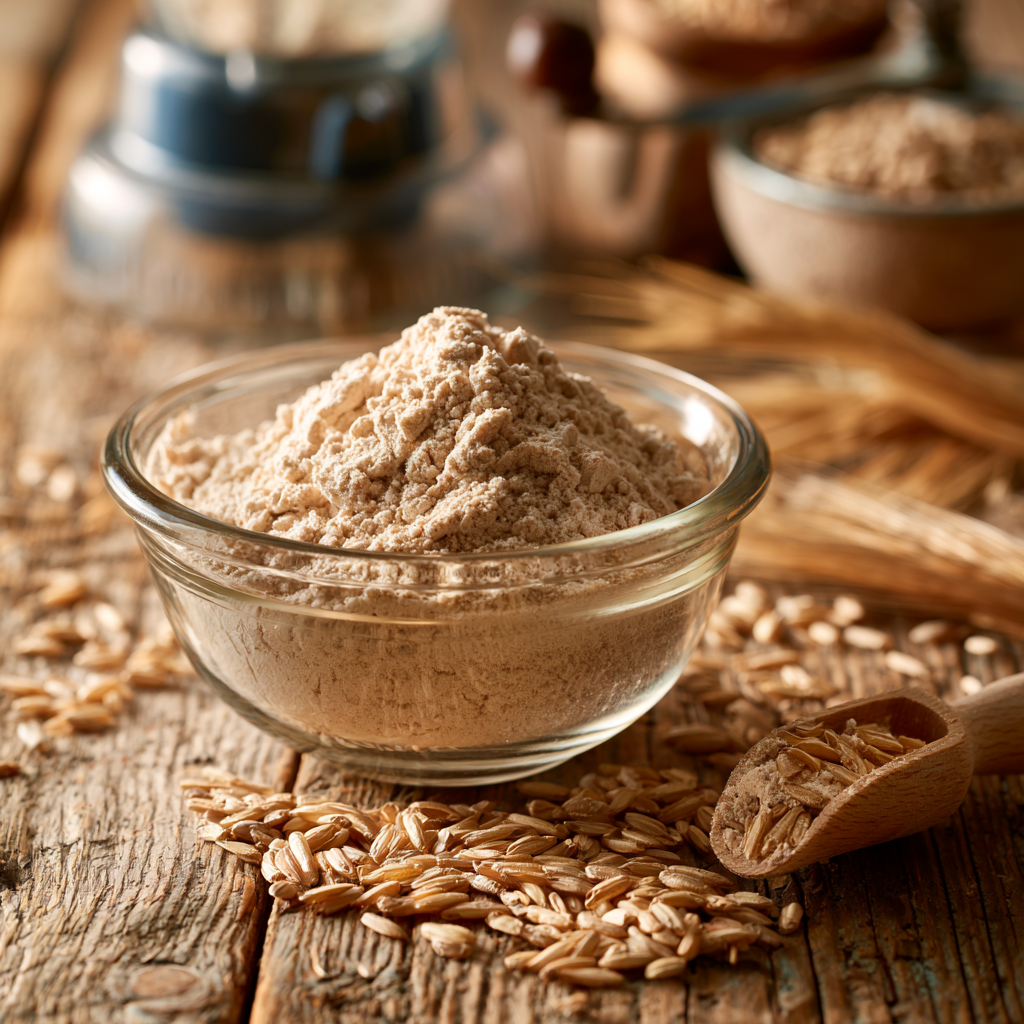
Brown Rice Flour Nutrition Facts
One of the main reasons people choose brown rice flour is its nutritional value. Since it comes from whole brown rice, it provides more nutrients compared with refined rice products.
The exact nutrition depends on the brand and processing method, but a typical serving contains:
| Nutrient | Amount (Approx. per 100g) |
|---|---|
| Calories | 360–370 kcal |
| Carbohydrates | 75–80g |
| Protein | 7–8g |
| Fiber | 3–5g |
| Fat | 2–3g |
| Iron | Moderate amount |
| Magnesium | Good source |
| Manganese | High source |
| Phosphorus | Present |
Brown Rice Flour Is Rich in Important Minerals
Because brown rice flour contains the outer layers of the grain, it naturally provides minerals such as:
Magnesium
Magnesium supports many important body functions, including:
- Normal muscle function
- Energy production
- Nerve function
Manganese
Manganese plays a role in:
- Metabolism
- Bone health
- Antioxidant protection
Phosphorus
Phosphorus contributes to:
- Healthy bones and teeth
- Normal cell function
Therefore, replacing highly refined flours with whole-grain options like brown rice flour can help increase nutrient variety in your diet.
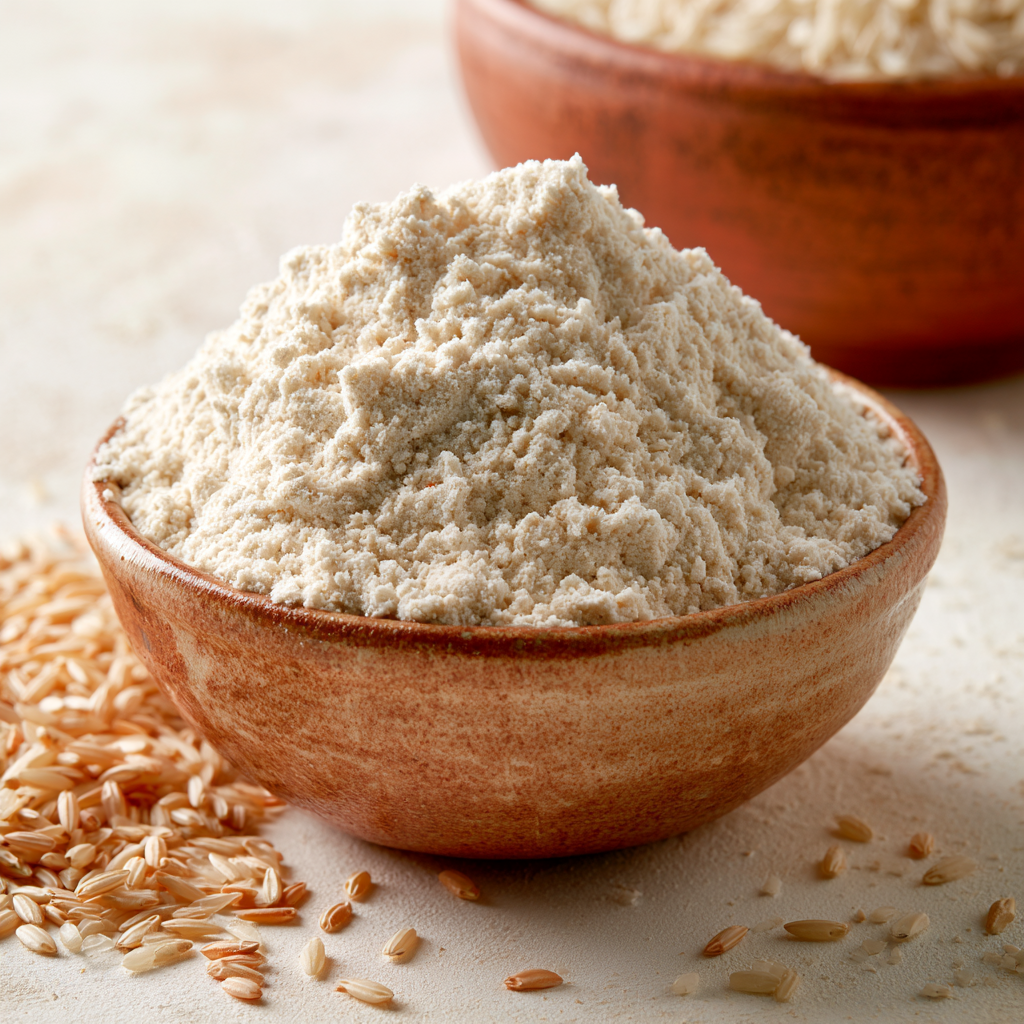
Brown Rice Flour
Ingredients
Equipment
Method
- Clean the brown rice: Rinse the brown rice thoroughly to remove dust and impurities. This step is optional if using pre-cleaned rice.
- Dry the rice completely: Spread the washed rice on a clean tray and allow it to dry fully. Moisture can affect the grinding process and reduce the shelf life of the flour.
- Grind the rice grains: Add the dried brown rice to a high-powered blender or grain mill. Grind in small batches until the rice becomes a fine powder.
- Sift the flour: Pass the ground rice flour through a fine mesh sieve to remove larger particles. Grind any remaining pieces again for a smoother texture.
- Store the brown rice flour: Transfer the finished flour into an airtight container. Store it in a cool, dry place or refrigerate it for longer freshness.
- Use as needed: Use homemade brown rice flour for gluten-free baking, thickening sauces, making bread, cookies, cakes, pancakes, and other recipes.
Video
Notes
- For softer pancakes, mix brown rice flour with a small amount of tapioca flour or oat flour.
- If the batter feels too thick, add a little more milk until you reach a smooth consistency.
- Brown rice flour absorbs liquid differently from wheat flour, so resting the batter improves texture.
- Store leftover pancakes in an airtight container in the refrigerator for up to 3 days.
- These pancakes can be frozen for up to 2 months and reheated when needed.
- Always use certified gluten-free brown rice flour if preparing this recipe for someone with gluten sensitivity or celiac disease.
Health Benefits of Brown Rice Flour
Is Brown Rice Flour Healthy?
Yes, brown rice flour can be a healthy flour choice, especially for people who want a gluten-free, whole-grain alternative.
However, like any ingredient, its health impact depends on how it is used. A cookie made with brown rice flour is still a sweet treat, while a balanced meal using brown rice flour can contribute valuable nutrients.
Below are some important benefits.
Brown Rice Flour Supports Digestive Health
One of the biggest advantages of brown rice flour is its fiber content.
Fiber helps support:
- Regular digestion
- Better fullness after meals
- Healthy gut function
Compared with refined flour products, whole-grain brown rice flour provides more of the grain’s natural structure.
For example:
A breakfast made with brown rice flour pancakes combined with fruit and protein can provide a more balanced meal compared with highly processed breakfast options.
Brown Rice Flour Is Naturally Gluten-Free
A major reason people search for gluten free brown rice flour is because it does not naturally contain gluten.
This makes it popular among:
- People with celiac disease
- People with gluten sensitivity
- Individuals following gluten-free diets
However, it is important to check packaging carefully.
Some products may be processed in facilities that also handle wheat products, which can create cross-contact risks.
For strict gluten-free diets, look for:
- Clear ingredient information
- Certified gluten-free labels
- Trusted manufacturers

Brown Rice Flour May Help Provide Longer-Lasting Energy
Brown rice flour contains complex carbohydrates, which are an important source of energy.
Unlike highly refined carbohydrates, whole-grain ingredients digest differently because they contain more natural nutrients and fiber.
For active individuals, brown rice flour can be included in:
- Breakfast meals
- Pre-workout snacks
- Homemade energy bars
- Healthy baked goods
However, portion size still matters because flour-based foods can be calorie-dense.
Brown Rice Flour vs White Rice Flour: What Is the Difference?
Many people wonder whether brown rice flour or white rice flour is better.
Both have useful applications, but they are different in nutrition and cooking performance.
| Feature | Brown Rice Flour | White Rice Flour |
|---|---|---|
| Source | Whole brown rice | Refined white rice |
| Color | Light brown | White |
| Flavor | Nutty, earthy | Mild |
| Fiber | Higher | Lower |
| Nutrients | More minerals | Fewer nutrients |
| Texture | Slightly heavier | Softer and lighter |
| Best Use | Healthy baking, whole-grain recipes | Light pastries, noodles |
Which One Is Better for Baking?
It depends on the recipe.
Brown rice flour works well when you want:
- More nutrients
- Whole-grain benefits
- A slightly nutty flavor
White rice flour works better when you want:
- Very light texture
- Smooth consistency
- Traditional Asian-style recipes
Many gluten-free bakers combine brown rice flour with other flours to achieve better texture.
Common combinations include:
- Brown rice flour + tapioca flour
- Brown rice flour + potato starch
- Brown rice flour + almond flour
How to Use Brown Rice Flour in Cooking and Baking
One of the best things about brown rice flour is its flexibility.
It can be used in many different ways.
Brown Rice Flour for Baking
Brown rice flour can be used to prepare:
- Cookies
- Muffins
- Cakes
- Brownies
- Bread
- Pancakes
However, because it does not contain gluten, it behaves differently from wheat flour.
Gluten normally provides elasticity and structure. Therefore, gluten-free recipes often require additional ingredients such as:
- Eggs
- Xanthan gum
- Psyllium husk
- Starches
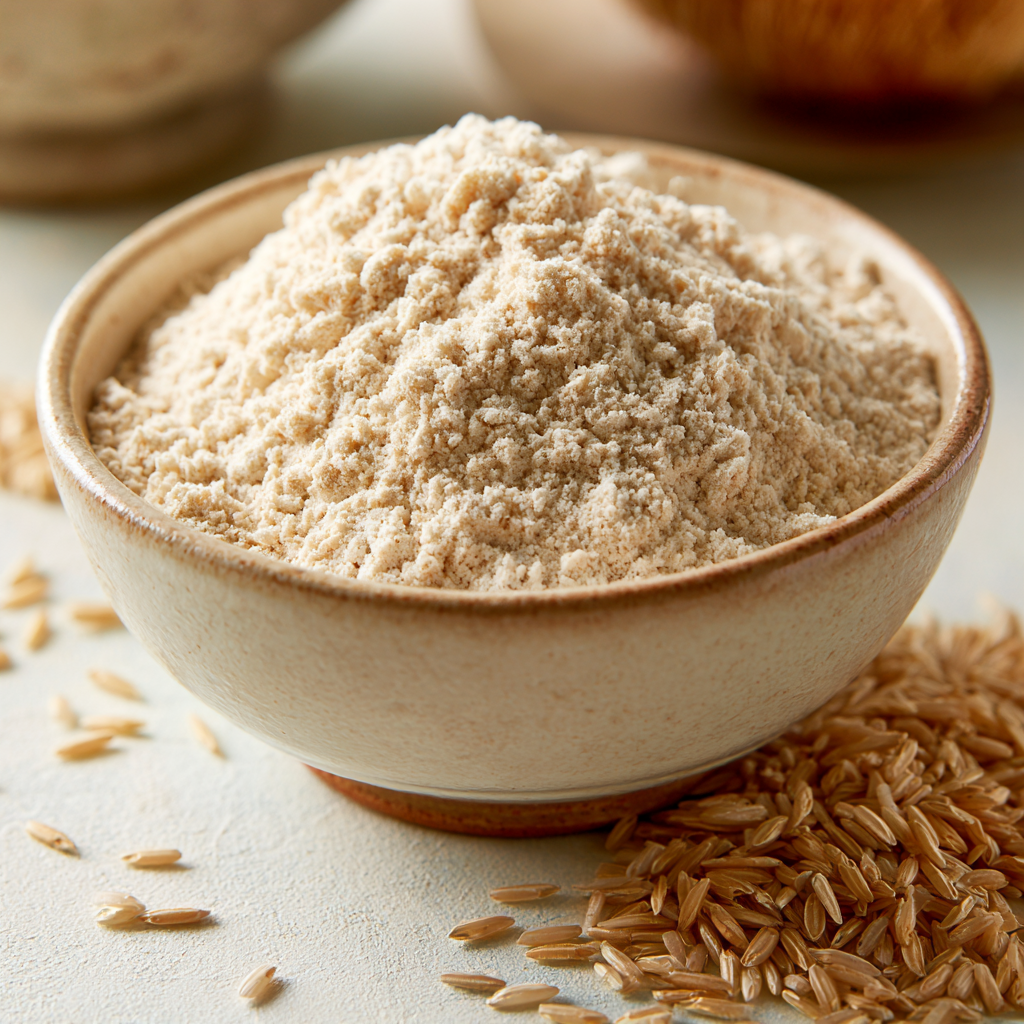
Brown Rice Flour for Pancakes and Breakfast Recipes
Brown rice flour pancakes are one of the easiest ways to use this ingredient.
Benefits include:
- Naturally gluten-free
- Mild flavor
- Easy preparation
- Good texture when combined with other ingredients
Simple pancake ingredients:
- Brown rice flour
- Eggs
- Milk or plant-based milk
- Baking powder
- A small amount of sweetener
- Vanilla extract
Adding fruits like bananas or blueberries can improve flavor and nutrition.
Brown Rice Flour as a Sauce Thickener
Another useful application is using brown rice flour as a thickening ingredient.
It can replace wheat flour in:
- Soups
- Gravies
- Sauces
- Stews
Because it is gluten-free, it is a practical option for people avoiding traditional flour.
Brown Rice Flour for Crispy Snacks
Brown rice flour can also create a crispy texture.
It is commonly used for:
- Crackers
- Coatings
- Fried snacks
- Homemade chips
The fine particles help create a crunchy outer layer.
Best Brown Rice Flour Recipes to Try
First of all, brown rice flour is a super versatile grocery item which you can use for traditional and modern recipes, from simple breakfasts to baked goods or snacks.
As brown rice flour does not contain gluten, recipes often require a slight modification from that of wheat flour. Still, with the ideal components and techniques, it can create excellent results that would otherwise include good structure and taste.
Below are some popular brown rice flour recipes that are easy to try at home.
Brown Rice Flour Pancakes Recipe
Brown rice flour pancakes are a simple way to enjoy a gluten-free breakfast while adding more whole-grain ingredients to your diet.
Ingredients:
- 1 cup brown rice flour
- 1 teaspoon baking powder
- 1 egg
- ¾ cup milk or plant-based milk
- 1 tablespoon honey or maple syrup
- 1 teaspoon vanilla extract
- A pinch of salt
Instructions:
- Mix brown rice flour, baking powder, and salt in a bowl.
- Add egg, milk, vanilla, and sweetener.
- Stir until the batter becomes smooth.
- Heat a pan and cook pancakes on both sides.
- Serve with fruit, yogurt, or natural toppings.
Why This Recipe Works
Brown rice flour provides a slightly nutty flavor that pairs well with sweet ingredients. Additionally, the fiber content makes these pancakes more filling compared with many refined-flour alternatives.
Gluten-Free Brown Rice Flour Bread
Making bread with brown rice flour requires different techniques because it does not develop gluten.
Traditional wheat bread depends on gluten networks to create elasticity and structure. Therefore, gluten-free bread often uses additional ingredients.
Common ingredients include:
- Brown rice flour
- Tapioca starch
- Eggs
- Yeast
- Psyllium husk
- Olive oil
Tips for Better Brown Rice Flour Bread:
- Combine brown rice flour with lighter starches.
- Add a binding ingredient.
- Allow enough time for rising.
- Avoid adding too much flour, as gluten-free bread can become dry.
The final texture is usually softer and slightly denser than traditional wheat bread.
Brown Rice Flour Cookies
Cookies are another excellent way to use brown rice flour.
The flour creates:
- Slightly crispy edges
- Mild nutty flavor
- Soft interior texture
Popular additions include:
- Chocolate chips
- Coconut flakes
- Nuts
- Cinnamon
- Dried fruits
Brown rice flour cookies are especially popular among people looking for gluten-free dessert options.
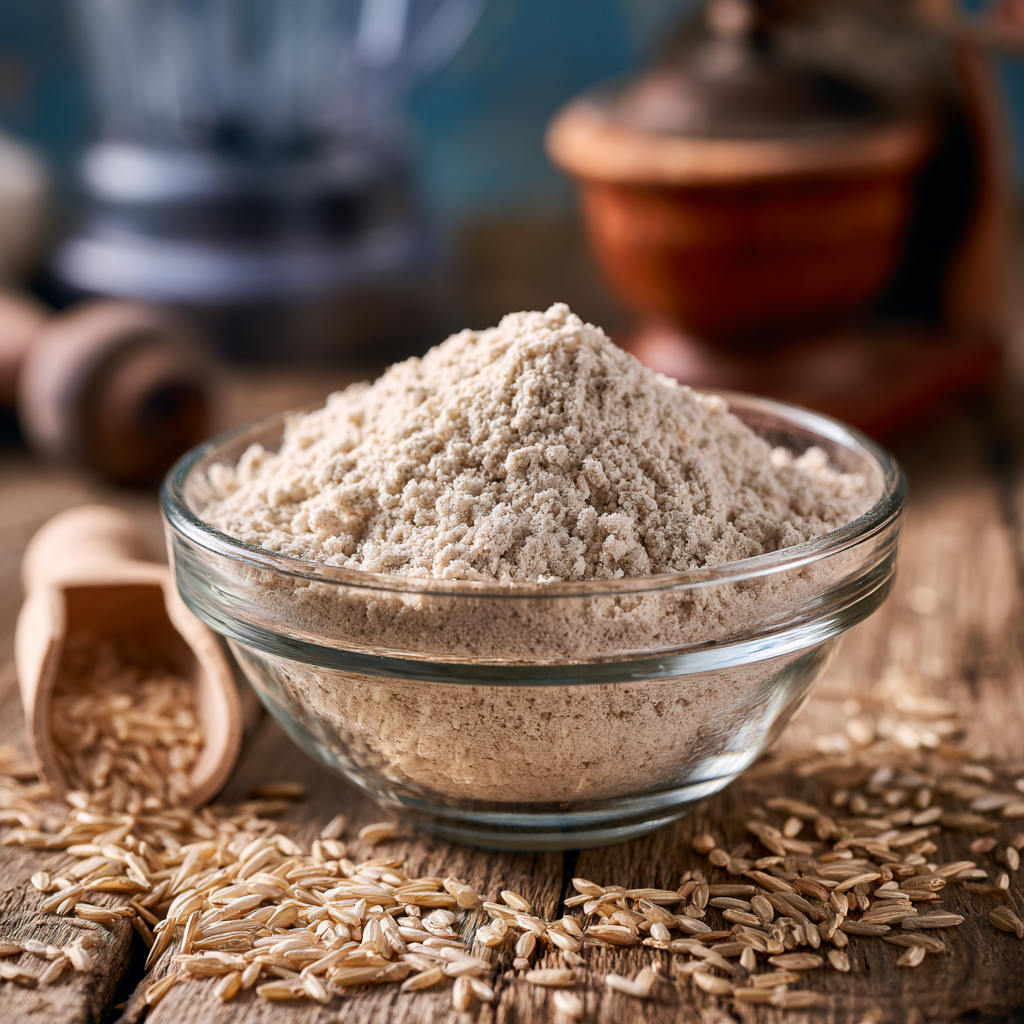
Brown Rice Flour Flatbread or Tortillas
In many cultures, rice-based flatbreads are common because rice flour creates a naturally delicate texture.
A simple recipe may include:
- Brown rice flour
- Warm water
- Salt
- A small amount of oil
The dough can be shaped and cooked on a hot pan.
These flatbreads work well with:
- Vegetables
- Curries
- Dips
- Healthy fillings
Brown Rice Flour Cookies
Cookies are another excellent way to use brown rice flour.
The flour creates:
- Slightly crispy edges
- Mild nutty flavor
- Soft interior texture
Popular additions include:
- Chocolate chips
- Coconut flakes
- Nuts
- Cinnamon
- Dried fruits
Brown rice flour cookies are especially popular among people looking for gluten-free dessert options.
Brown Rice Flour Flatbread or Tortillas
In many cultures, rice-based flatbreads are common because rice flour creates a naturally delicate texture.
A simple recipe may include:
- Brown rice flour
- Warm water
- Salt
- A small amount of oil
The dough can be shaped and cooked on a hot pan.
These flatbreads work well with:
- Vegetables
- Curries
- Dips
- Healthy fillings
How to Make Brown Rice Flour at Home
Making brown rice flour at home is easier than many people expect.
It is a practical option if you already have brown rice available.
Equipment Needed:
- High-speed blender
- Food processor or grain mill
- Fine sieve
- Airtight container
Ingredients:
- 2–3 cups uncooked brown rice
Step-by-Step Process
Step 1: Choose Quality Brown Rice
Select clean, high-quality brown rice.
You can use:
- Long-grain brown rice
- Short-grain brown rice
- Organic brown rice
Step 2: Dry the Rice Properly
If you wash the rice before grinding, allow it to dry completely.
Moisture can:
- Reduce grinding efficiency
- Create clumps
- Shorten storage life
Step 3: Grind the Rice
Add small amounts of rice into your blender or grain mill.
Grinding in smaller batches usually creates a finer texture.
Step 4: Sift the Flour
Use a fine mesh strainer to remove larger particles.
The remaining larger pieces can be ground again.
Step 5: Store Your Homemade Brown Rice Flour
Transfer the flour into an airtight container.
Proper storage helps maintain freshness.
Tips for Making Fine Brown Rice Flour
Homemade flour can sometimes feel slightly gritty.
To improve texture:
- Grind longer
- Use a powerful blender
- Sift multiple times
- Combine with other gluten-free flours
Professional milling produces extremely fine flour, but homemade versions work well for many recipes.
How to Store Brown Rice Flour Properly
Proper storage is important because brown rice flour contains natural oils from the grain’s bran layer.
These oils can become rancid if stored incorrectly.
Best Storage Methods
Pantry Storage
Suitable for:
- Small quantities
- Short-term use
Keep flour in:
- Airtight containers
- Cool areas
- Places away from sunlight
Refrigerator Storage
The refrigerator can extend freshness.
Recommended for:
- Frequently used flour
- Homemade brown rice flour
Freezer Storage
Freezing is the best option for long-term storage.
Benefits:
- Protects natural oils
- Prevents spoilage
- Maintains freshness
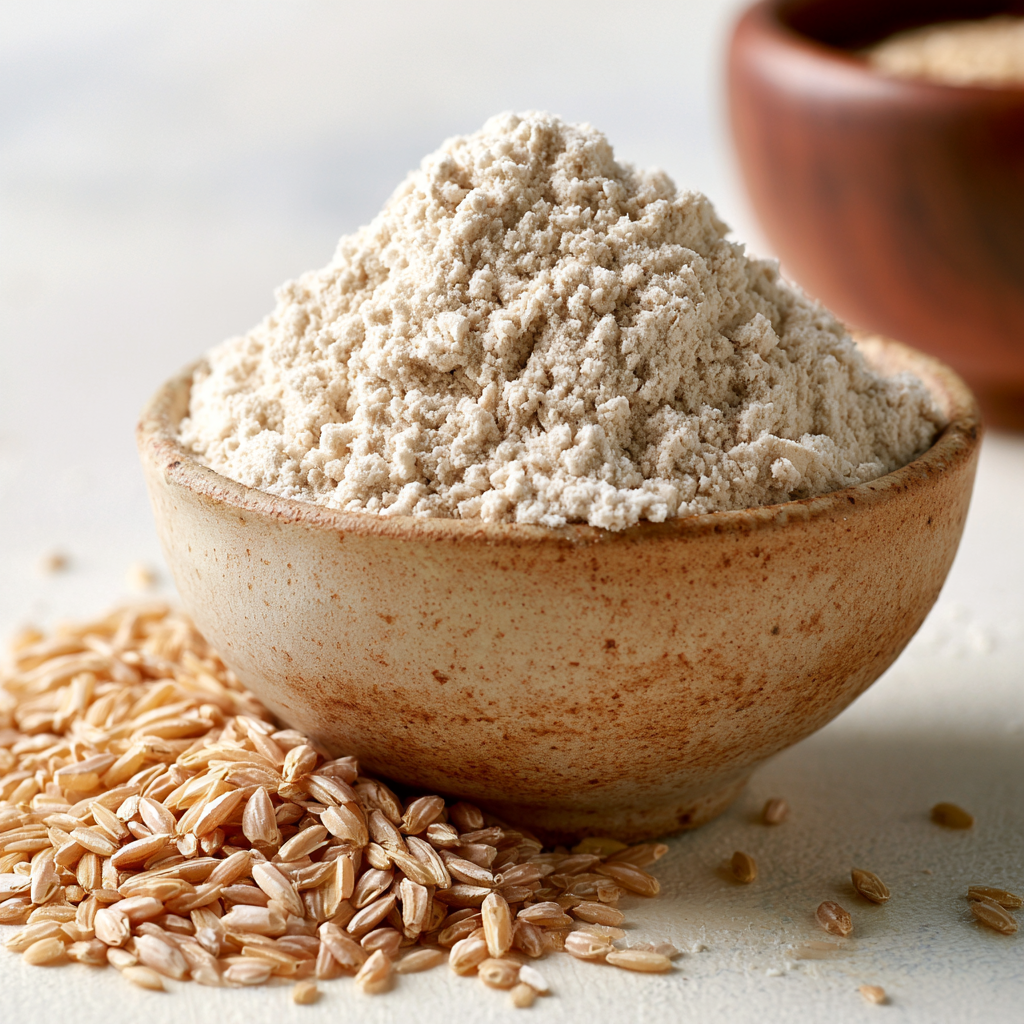
Does Brown Rice Flour Expire?
Yes, like other whole-grain flours, brown rice flour can expire.
Signs of spoiled flour include:
- Strange smell
- Bitter taste
- Change in color
- Moisture or mold
Fresh brown rice flour should have a mild, slightly nutty aroma.
Is Brown Rice Flour Good for Weight Loss?
Many people search for brown rice flour for weight loss, but the answer depends on overall eating habits.
Brown rice flour may support a healthy diet because it contains:
- Fiber
- Complex carbohydrates
- Whole-grain nutrients
Fiber can help increase feelings of fullness, which may reduce unnecessary snacking.
However, the total recipe matters.
For example:
A homemade brown rice flour pancake with fruit and protein can fit into a balanced diet.
A dessert made with large amounts of sugar and butter may not provide the same benefits.
Weight Management Tips When Using Brown Rice Flour:
- Control portion sizes
- Add protein sources
- Include vegetables and fruits
- Avoid relying only on flour-based foods
Is Brown Rice Flour Safe for Everyone?
For most people, brown rice flour is safe and well tolerated.
It is commonly used by:
- Gluten-free consumers
- Home bakers
- People looking for whole-grain alternatives
However, some considerations are important.
Brown Rice Flour and Arsenic Concerns
Rice naturally absorbs arsenic from soil and water more than some other crops.
Because of this, consumers may prefer:
- Trusted brands
- Properly sourced rice products
- A varied diet with different grains
Eating a variety of grains can help reduce dependence on one single food source.
Who Should Be Careful With Brown Rice Flour?
People who should pay attention include:
- Individuals with rice allergies
- People following strict dietary restrictions
- Parents preparing large amounts of rice-based foods for young children
When in doubt, consult a qualified healthcare professional.
Brown Rice Flour Substitutes
Although brown rice flour is useful, sometimes another flour may work better depending on the recipe.
| Flour | Best For | Main Difference |
|---|---|---|
| Almond Flour | Cookies, cakes | Higher fat, nut flavor |
| Oat Flour | Muffins, pancakes | Soft texture |
| Coconut Flour | Low-carb recipes | Very absorbent |
| White Rice Flour | Noodles, light baking | Softer texture |
| Buckwheat Flour | Pancakes, bread | Strong earthy flavor |
Frequently Asked Questions About Brown Rice Flour
Is Brown Rice Flour Gluten-Free?
Yes, brown rice flour is naturally gluten-free because it is made from rice rather than wheat.
However, people with celiac disease should choose certified gluten-free products to avoid possible contamination during processing.
Can Brown Rice Flour Replace All-Purpose Flour?
Not always.
Because brown rice flour does not contain gluten, replacing wheat flour completely may change:
- Texture
- Moisture
- Structure
For better results, many recipes combine brown rice flour with other gluten-free ingredients.
Is Brown Rice Flour Better Than Regular Flour?
It depends on your goals.
Brown rice flour provides:
- Whole-grain nutrients
- More fiber
- Gluten-free benefits
Traditional wheat flour may provide better elasticity for certain baked goods.
Can You Use Brown Rice Flour for Baking?
Yes.
It works well for:
- Pancakes
- Cookies
- Muffins
- Cakes
- Bread alternatives
For best results, use recipes specifically designed for gluten-free baking.
Does Brown Rice Flour Taste Different?
Yes.
Compared with white flour, brown rice flour has:
- Mild nutty flavor
- Slight earthy notes
- More noticeable grain taste
Many people enjoy this flavor in wholesome recipes.
How Do You Make Brown Rice Flour Less Gritty?
To improve texture:
- Use finely ground flour
- Sift before use
- Mix with starches
- Allow batter to rest before cooking
Final Thoughts: Is Brown Rice Flour Worth Trying?
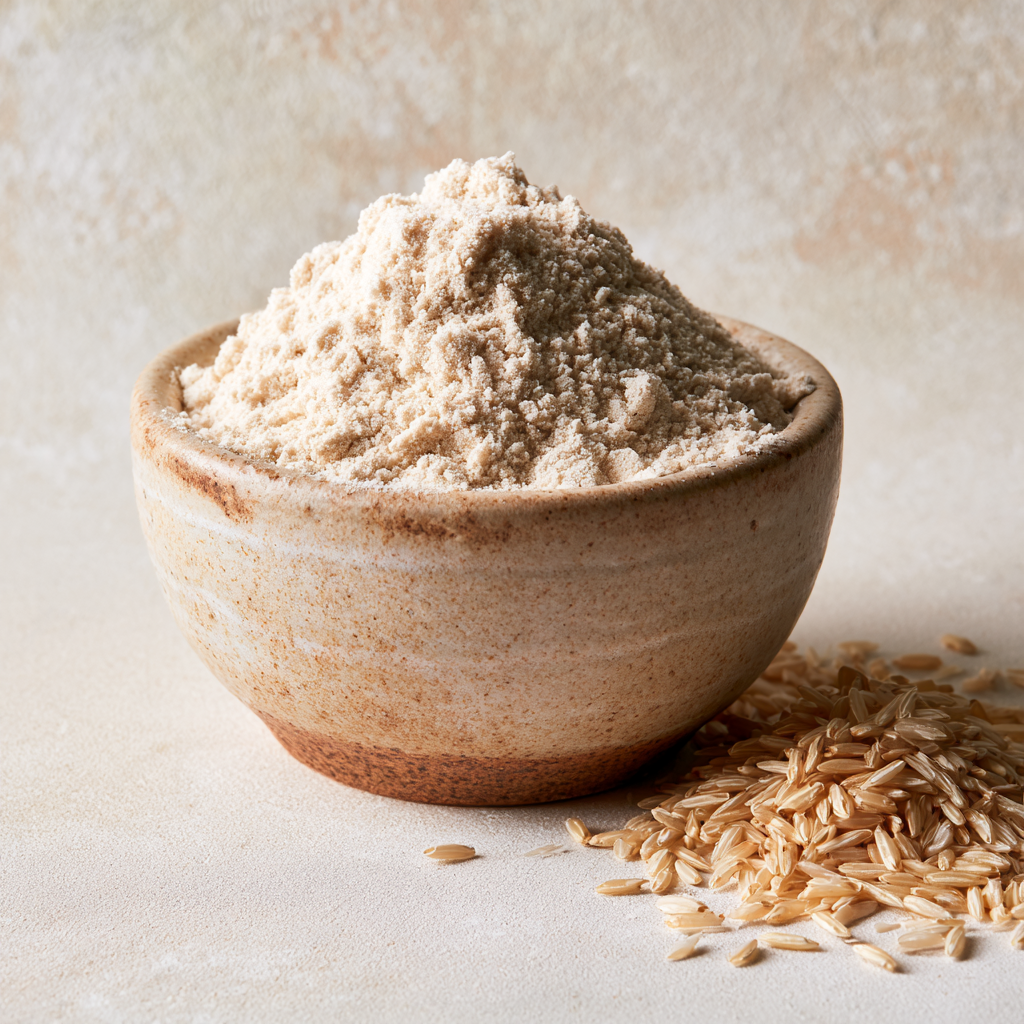
Brown rice flour is a kitchen staple that can help increase whole grain options in daily cooking. Due to its gluten-free nature, pleasant nutty flavor and health benefits, it is hidden in lots of families.
There are many types of things you can make with this flour, such as pancakes and cookies, to bread replacements and savory options. Brown rice flour is inexpensive as well as easy to prepare at home for an avid cook.
Although it is not a substitute for all flours, in moderation and used wisely can be part of an appropriate balanced diet.
So whatever the case may be, if you are experimenting with gluten-free cooking, cleaning up your baking or just want to try a new flour, brown rice is a valuable ingredient in any healthy pantry.