
Ask for amogio in a Kansas City Italian restaurant and you will get a thin, glossy pour of olive oil, lemon and oregano spooned over breaded chicken skewers. Ask a Sicilian grandmother about ammoghiu and she may hand you a bowl of crushed raw tomatoes, garlic and basil instead. Same family of names, two quite different sauces, and most recipes online pick one without telling you the other exists.
This amogio sauce recipe page covers both. The recipe card below is the Kansas City lemon-garlic style, the version most people mean when they search for amogio after eating chicken spiedini. Further down you will find the Sicilian-style tomato amogio in full, a side-by-side comparison, and the small details that decide whether the sauce tastes sharp and bright or flat and oily.
The short version: whisk ¼ cup fresh lemon juice with 2 to 3 grated garlic cloves, 1 teaspoon dried oregano, a pinch of red pepper flakes, salt and pepper. Let it sit 5 minutes, then stream in ½ cup extra virgin olive oil while whisking. Stir in chopped parsley. That is about ¾ cup of Kansas City-style amogio, ready in 10 minutes with no cooking.
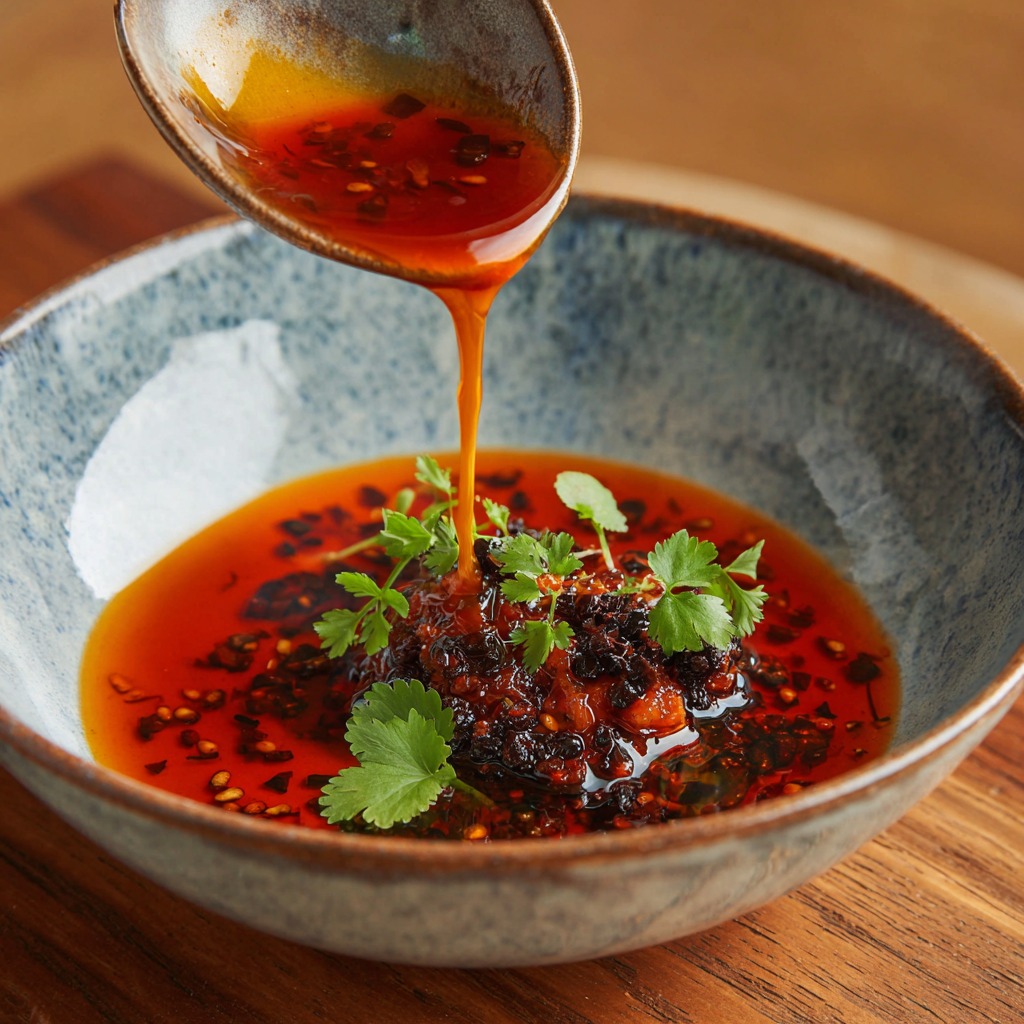
Amogio, Ammoglio, Ammoghiu: One Name, Two Sauces
The spelling wanders as much as the recipe. You will see amogio, ammoglio, ammogio, amogue and the Sicilian ammoghiu. The word is usually linked to the idea of something mixed or wetted together, which fits both versions: they are raw sauces built by stirring a few strong ingredients into good olive oil.
The Kansas City-style lemon-garlic amogio
In Kansas City, amogio is tied to chicken spiedini: breaded, skewered chicken that is grilled or fried and then dressed with the sauce. Kansas City Magazine’s history of chicken spiedini traces the dish to Garozzo’s in the city’s Columbus Park neighborhood, opened by Mike Garozzo in 1989. The same piece describes Anthony’s Restaurant downtown making its amogio from lemon juice, olive oil and oregano, then soaking the fried skewers in it before serving them over pasta. That oil, lemon and oregano base is the version on our recipe card.
The Sicilian-style tomato amogio
The older home version, found in Sicilian and Sicilian-American kitchens, is closer to a raw tomato salsa: crushed or chopped tomatoes, a generous amount of garlic, olive oil, lemon juice, basil or oregano, salt and pepper. It is spooned over grilled fish, steak or bread rather than poured. Some cooks pound it in a mortar; others crush canned San Marzano tomatoes by hand. You will find our full recipe for it later on this page.
Neither is the “wrong” amogio. They come from the same habit of finishing grilled food with a raw, garlicky dressing, and they took different paths once they left the island.
Why This Amogio Sauce Recipe Uses More Lemon Than Most
Many lemon-garlic sauces lean on a 4:1 ratio of oil to acid, which works for a salad but tastes heavy on crumb-coated chicken. Spiedini is rich: breadcrumbs, cheese, oil from the grill. A sauce for it needs more bite. This amogio sauce recipe uses a 2:1 ratio, ½ cup oil to ¼ cup lemon juice, so the lemon cuts through the breading instead of disappearing into it.
We also dropped the vinegar that appeared in an earlier version of this page. Restaurant-style amogio does not rely on it, and vinegar pushes the flavor toward an Italian dressing rather than the clean citrus taste people remember from the plate.
| Ingredient | Amount | What it does | Swap if you need to |
|---|---|---|---|
| Extra virgin olive oil | ½ cup | Body and fruitiness; carries the garlic | Half olive oil, half light olive oil for a milder taste |
| Fresh lemon juice | ¼ cup (about 2 lemons) | The main flavor, not a background note | None worth making; bottled juice tastes flat here |
| Garlic | 2–3 cloves, grated | Heat and aroma | 1 roasted garlic head for a sweeter, softer sauce |
| Dried oregano | 1 tsp | The classic Kansas City herb note | 1 tbsp fresh oregano, finely chopped |
| Flat-leaf parsley | 2 tbsp, chopped | Fresh color and a green edge | Fresh basil, added just before serving |
| Red pepper flakes | ¼ tsp | Gentle warmth | Leave out for a mild sauce |
| Kosher salt | ½ tsp | Wakes up the lemon | ¼ tsp fine sea salt |
| Black pepper | ¼ tsp, freshly ground | A little bite | White pepper |
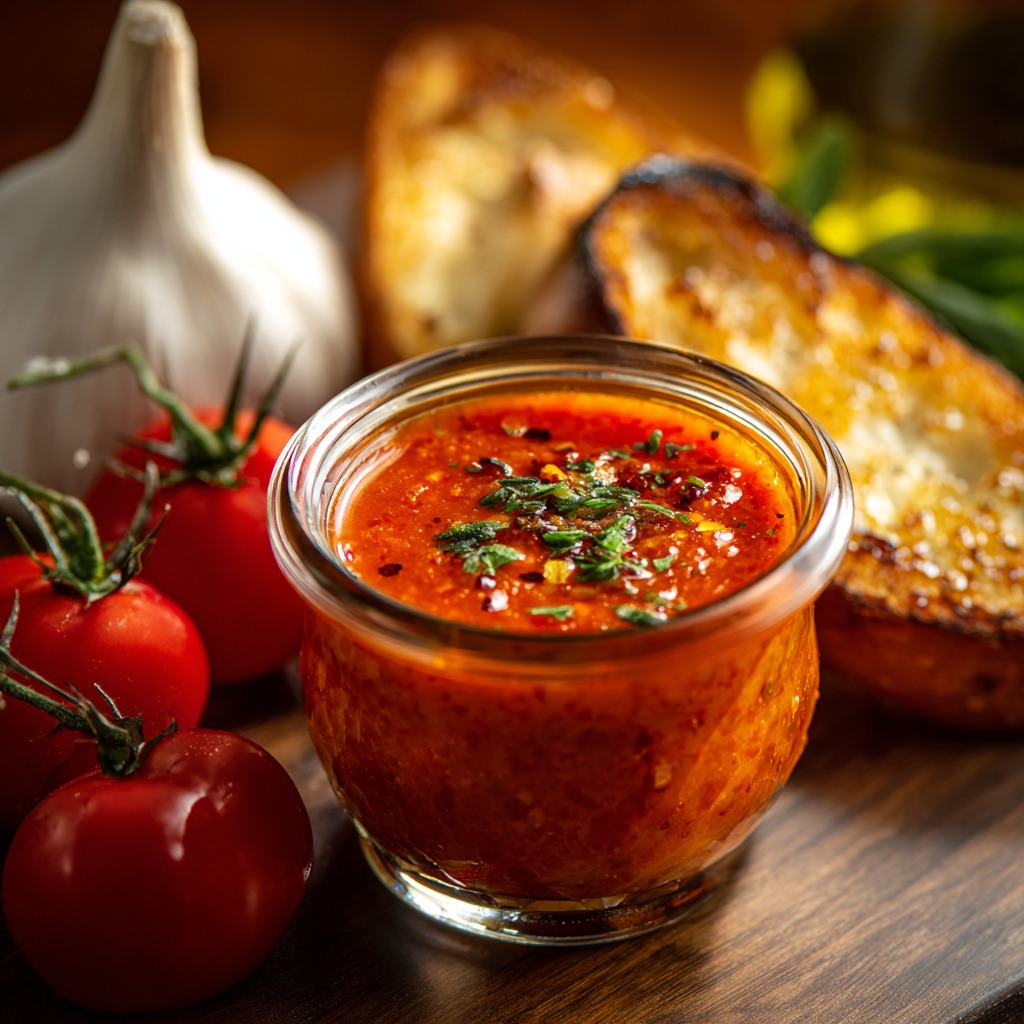
How to Make the Kansas City Amogio Sauce Recipe
The method below is the same one on the printable recipe card, with the reasoning behind each step.
- Grate the garlic into the lemon juice. Use a microplane or the fine side of a box grater and grate it straight into a bowl with the lemon juice. The acid tames the raw garlic slightly, so the finished sauce tastes garlicky without the harsh, hot edge.
- Season the acid first. Add the oregano, red pepper flakes, salt and pepper and stir. Salt dissolves in lemon juice but not in oil, so seasoning now avoids gritty, uneven salt later. Let it stand 5 minutes; dried oregano softens and releases more flavor in liquid.
- Whisk in the oil slowly. Pour the olive oil in a thin stream while whisking. You are not making mayonnaise, but adding the oil gradually gives a slightly thicker, cloudy sauce that clings to food. Dumping it in all at once gives two layers that slide right off.
- Add the parsley last. Stir in the chopped parsley. Fresh herbs dull quickly in acid, so they go in at the end.
- Taste on something. Dip a piece of bread or chicken rather than tasting from a spoon. On food, the sauce should taste bright and a little salty. If it reads oily, add lemon a teaspoon at a time; if it is too sharp, add a tablespoon of oil.
Shake or whisk again right before serving; it separates as it sits, which is normal.
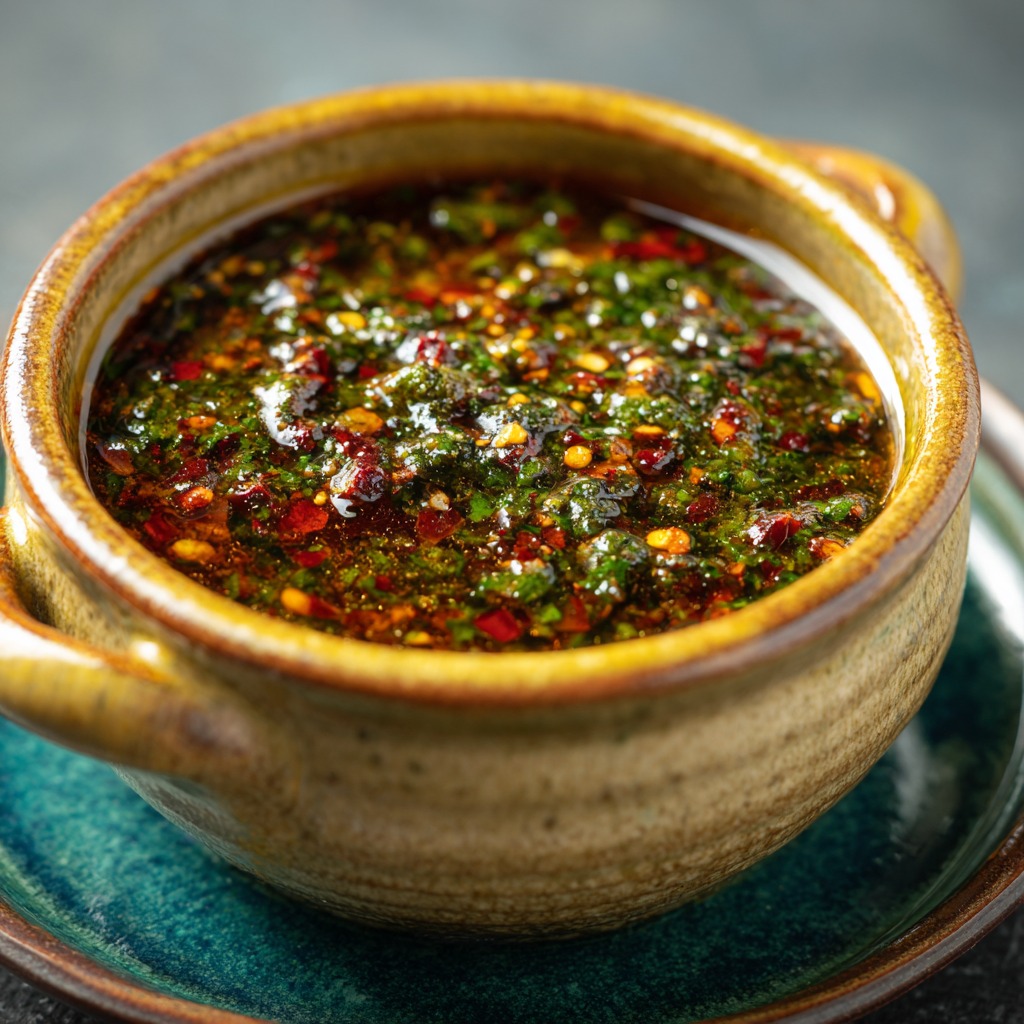
The jar method
If you are making the sauce ahead, put everything except the parsley in a clean jar, close it and shake hard for 20 seconds. Add the parsley when you serve. It is less emulsified than the whisked version but perfectly good for marinating.
Sicilian Tomato Amogio Sauce Recipe (Ammoghiu)
This is the version many top recipes call amogio, and it is worth knowing even if you came here for the Kansas City sauce. It makes about 2 cups.
- 1 can (28 oz) whole peeled tomatoes, drained of most of their juice, or 1½ lb very ripe fresh tomatoes
- 6 to 8 garlic cloves, finely minced (yes, that many)
- ¼ cup extra virgin olive oil
- 2 to 3 tablespoons fresh lemon juice
- 1 teaspoon dried oregano or a small handful of torn fresh basil
- Salt and freshly ground black pepper to taste
- Crush the tomatoes with your hands into a bowl, leaving some small chunks. For fresh tomatoes, chop them finely and keep the juice.
- Stir in the garlic, olive oil, lemon juice and oregano or basil. Season well with salt and pepper.
- Cover and chill at least 1 hour so the garlic mellows into the tomatoes.
- Serve cold or at room temperature over grilled swordfish, steak, pork chops or toasted bread.
The tomato version is chunkier, milder and more like a salsa. It wins on fish and summer grilling; the lemon-oil version wins on anything breaded.
Kansas City vs. Sicilian Amogio: Which One Should You Make?
| Kansas City lemon-garlic | Sicilian tomato | |
|---|---|---|
| Base | Olive oil and lemon juice | Crushed tomatoes and olive oil |
| Texture | Thin, pourable, glossy | Chunky, spoonable |
| Main herb | Oregano, parsley | Basil or oregano |
| Best with | Chicken spiedini, breaded cutlets, pasta | Grilled fish, steak, bruschetta |
| Use as a marinade? | Yes | Not really; it is a topping |
| Prep time | 10 minutes | 10 minutes plus 1 hour chill |
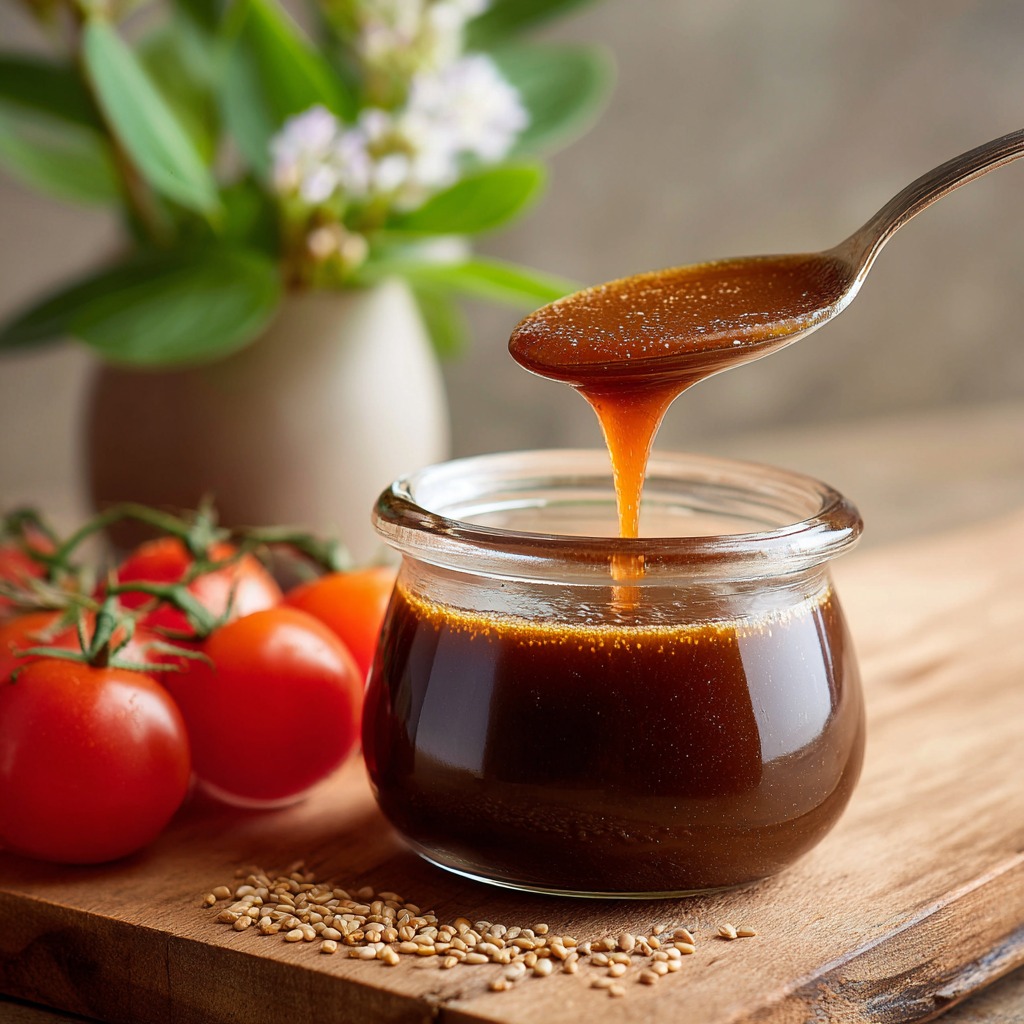
How to Use Amogio Sauce Like a Kansas City Kitchen
On chicken spiedini
This is the classic. Grill or broil your breaded chicken skewers, then either drizzle the amogio over the top or do what some Kansas City restaurants do and let the cooked skewers sit in a shallow pool of sauce for a few minutes so the breading drinks it in. Serve over angel hair or linguine and spoon the extra sauce over the pasta.
As a marinade for chicken or shrimp
Use about ¼ cup of sauce per pound of boneless chicken and marinate 1 to 4 hours in the fridge. Longer than that and the lemon starts to make the surface chalky. Shrimp need only 15 to 20 minutes. Always set aside the portion you plan to serve before any goes near raw meat.
Over steak, fish and seafood
Spoon it over a sliced strip steak, grilled salmon or seared scallops right off the heat. It is also a natural partner for lemony Italian-American seafood like our Shrimp Paesano or a pot of garlic white wine shrimp and mussels.
As a bread dip and pasta sauce
Pour a little into a shallow dish, add a pinch of extra salt and serve it with crusty bread such as our Italian stecca bread or rosemary sourdough breadsticks. For a fast pasta, toss hot spaghetti with amogio, a splash of pasta water and grated Pecorino Romano.
Small Changes That Make a Big Difference
- Roll the lemons first. Press and roll them on the counter before cutting; you will get noticeably more juice.
- Grate, don’t chop, the garlic if you want a smooth sauce. Chopped garlic gives sharper bites; grated garlic spreads evenly.
- Use a fruity rather than peppery olive oil. A very bitter, peppery oil can fight with the lemon. Save that bottle for drizzling on soup.
- Make it buttery. Some home cooks warm 2 tablespoons of butter with the oil, then add the lemon off the heat. It is richer and closer to a scampi sauce; serve it warm.
- Add a little honey if your lemons are very sour. Half a teaspoon rounds off the edge without making the sauce sweet.
Common Amogio Problems and How to Fix Them
| Problem | Likely cause | Fix |
|---|---|---|
| Tastes bitter | Over-processed garlic or bitter oil, or it was blended | Whisk by hand; use a milder olive oil; add a pinch of salt |
| Tastes oily and flat | Not enough acid or salt | Add lemon 1 tsp at a time and a pinch of salt |
| Garlic too harsh | Garlic added straight to oil | Next time soak it in the lemon juice first; for now, let the sauce rest 20 minutes |
| Solid and cloudy from the fridge | Olive oil firms up when cold | Let it sit at room temperature 15 minutes and shake |
| Parsley turned dark | Herbs added too early | Add fresh herbs right before serving |
Storing Amogio Sauce Safely
Both versions contain raw garlic in oil, which needs more care than most sauces. Garlic stored in oil at room temperature can allow the growth of botulism-causing bacteria, so food safety specialists such as Cornell Cooperative Extension advise keeping homemade garlic-and-oil mixtures refrigerated and using them within a few days, or freezing them for longer storage.
- Countertop: no more than 2 hours, including serving time.
- Fridge: in a clean, closed jar for up to 4 days. Shake well before using.
- Freezer: freeze in an ice cube tray, then move the cubes to a freezer bag for up to 3 months. Thaw in the fridge and whisk before using.
That is a shorter window than some recipes give, and it is deliberate. Amogio is quick enough to make fresh, so there is little reason to push it.
What to Serve With Amogio
Beyond spiedini, the lemon-garlic sauce brightens almost any simple grilled main. A few pairings that work well:
- Grilled or broiled chicken thighs with a green salad and garlic bread
- Angel hair pasta with the sauce, Parmesan and toasted breadcrumbs
- Seared white fish with roasted potatoes
- Grilled vegetables, especially zucchini, eggplant and peppers
- A Sicilian-themed menu with our light cucuzza squash soup to start
If you like sauces that do a lot with very little, you may also enjoy our creamy garlic Parmesan Frim Fram sauce for pasta nights.
Amogio Sauce Recipe FAQs
What is amogio sauce made of?
The Kansas City style is extra virgin olive oil, fresh lemon juice, garlic, oregano, parsley, salt and pepper, sometimes with red pepper flakes. The Sicilian style adds crushed tomatoes and often basil.
Is amogio the same as ammoglio?
Yes. Amogio, ammoglio and ammoghiu are spellings of the same family of raw Sicilian-rooted sauces. Which version you get depends on the cook more than the spelling.
What sauce is served with chicken spiedini in Kansas City?
Amogio is the classic pairing, usually the lemon, olive oil and oregano style. Many restaurants also offer spiedini with marinara, cream sauce or pesto.
Is amogio served hot or cold?
Traditionally it is served at room temperature over hot food. A buttery variation is warmed gently, but you should never boil the lemon-oil version, as the lemon turns dull and the garlic bitter.
Can I make amogio sauce ahead of time?
Yes, up to 4 days ahead in the fridge. Keep the fresh herbs separate and stir them in when you serve.
Is amogio like chimichurri?
They are cousins: both are raw, oil-based sauces for grilled food. Chimichurri relies on vinegar and lots of parsley; amogio is lemon-forward with oregano and less greenery.
Print the Kansas City Amogio Sauce Recipe
Here is the full recipe card with exact amounts and steps. The Sicilian tomato version is written out above if you prefer that style.
Amogio Sauce Recipe (Kansas City Style)
Equipment
- Medium mixing bowl
- Whisk
- Microplane or fine grater
- Citrus juicer
- Glass jar with lid (for storage)
Ingredients
- ¼ cup fresh lemon juice from about 2 lemons
- 2-3 cloves garlic finely grated
- 1 teaspoon dried oregano
- ¼ teaspoon crushed red pepper flakes optional
- ½ teaspoon kosher salt plus more to taste
- ¼ teaspoon freshly ground black pepper
- ½ cup extra virgin olive oil fruity rather than peppery
- 2 tablespoons fresh flat-leaf parsley finely chopped
Instructions
- Grate the garlic directly into a medium bowl with the lemon juice. The acid softens the raw garlic’s harsh edge.
- Add the oregano, red pepper flakes, salt and black pepper. Stir and let stand 5 minutes so the salt dissolves and the oregano softens.
- Pour in the olive oil in a thin stream while whisking constantly, until the sauce looks slightly thickened and cloudy.

- Stir in the chopped parsley.
- Taste on a piece of bread or chicken. Add more lemon if it tastes oily, or a little more oil if it is too sharp. Whisk again and spoon over chicken spiedini, grilled meat, seafood or pasta.
Notes
- Storage: raw garlic in oil should be kept cold. Refrigerate in a clean closed jar and use within 4 days, or freeze in ice cube trays for up to 3 months. Do not leave at room temperature for more than 2 hours.
- Olive oil firms up in the fridge. Let the sauce sit at room temperature for 15 minutes and shake before serving.
- As a marinade: use about ¼ cup per pound of boneless chicken for 1 to 4 hours, or shrimp for 15 to 20 minutes. Set aside the serving portion before it touches raw meat.
- Buttery version: warm 2 tablespoons butter with the olive oil, then whisk in the lemon mixture off the heat and serve warm.
- For the Sicilian tomato version, see the full recipe in the article above.