
A loaf cake is the cake you make on an ordinary Tuesday. No layers, no frosting to pipe, no special pans. You mix one batter, pour it into the same tin you would use for banana bread, and an hour later you have something you can slice for breakfast, wrap for a lunchbox or put out with coffee when friends drop by.
This loaf cake recipe is a lemon butter cake with a close, tender crumb and a thick glaze that drips down the sides. Greek yogurt keeps it moist for days, a spoonful of oil keeps it soft even straight from the fridge, and rubbing the zest into the sugar gives a lemon flavor you can actually taste. If lemon is not your thing, the same batter becomes a plain vanilla loaf cake with two small changes, which are covered below along with pan sizes, a honey-lemon soak and what to do when a loaf sinks in the middle.
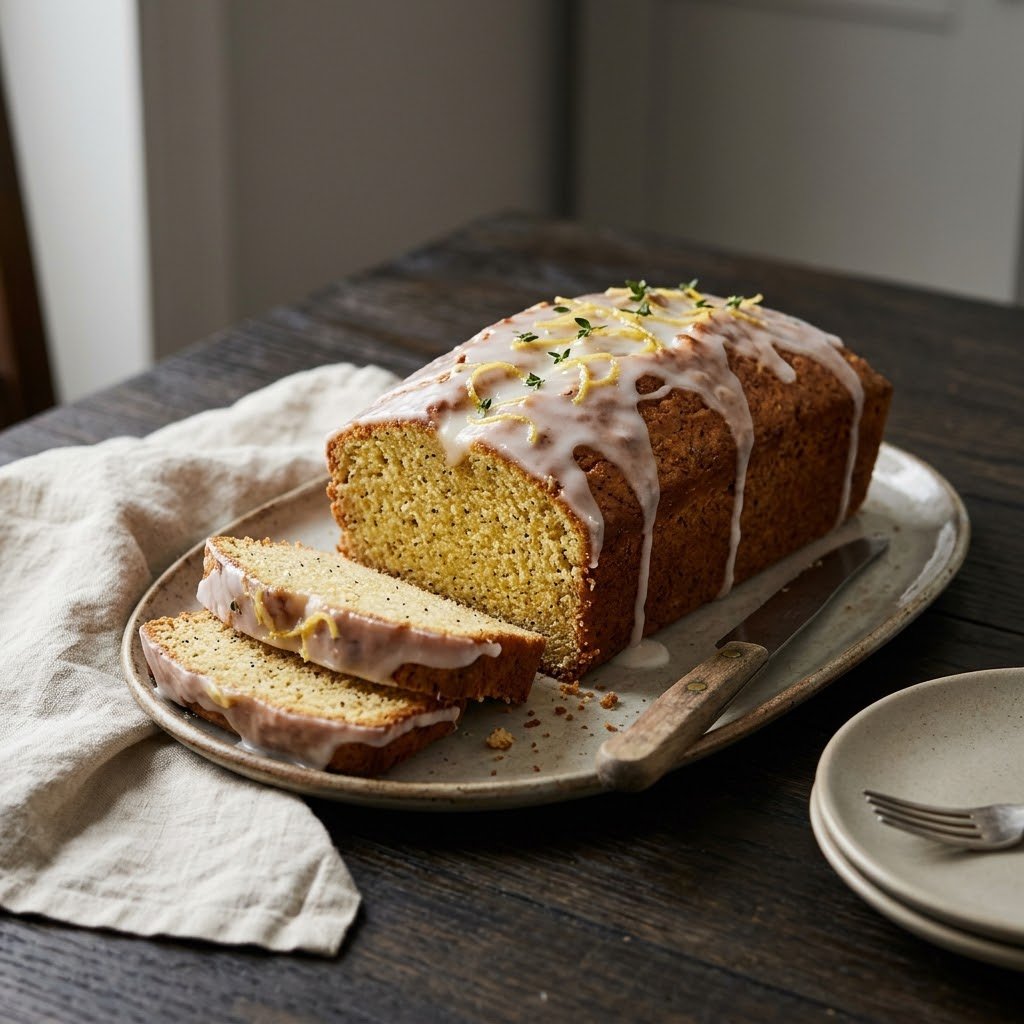
What Makes a Good Loaf Cake Recipe
A loaf pan is deep and narrow, which is the opposite of a round cake pan. Heat reaches the center slowly, so the edges set long before the middle is done. A good loaf cake recipe is built around that problem. The batter has to be sturdy enough to rise in a tall, narrow space without collapsing, but moist enough that the outside does not dry out during a long bake.
Here is how each part of this batter handles that job:
| Ingredient | What it does in a loaf cake |
|---|---|
| Butter, creamed with sugar | Traps air for lift and gives the rich, pound-cake flavor |
| A little oil | Stays liquid when cold, so slices stay soft for days |
| Three eggs | Structure for a tall rise, plus a fine, even crumb |
| Greek yogurt or sour cream | Moisture and tang; its acid also tenderizes the crumb |
| Baking powder plus a pinch of soda | Steady lift; the soda balances the acid from the yogurt and lemon |
| Lemon zest rubbed into sugar | Releases the oils in the zest, where most of the lemon flavor lives |
If you have baked our Italian lemon pound cake, this loaf is lighter and a little less dense, with more tang from the yogurt.
Ingredients for This Loaf Cake Recipe
Everything should be at room temperature before you start, especially the butter, eggs and yogurt. Cold eggs hitting creamed butter make the batter seize and lose the air you just beat into it. Exact amounts are in the printable card at the bottom of the page.
- All-purpose flour, 1¾ cups (220 g): spoon it into the cup and level it, or weigh it. Scooping straight from the bag packs in extra flour, and that is the most common reason an easy loaf cake turns out dry. King Arthur has a clear guide on how to measure flour if you are not sure.
- Baking powder and baking soda: 1½ teaspoons and ¼ teaspoon. Check that the baking powder is fresh; old powder is a quiet cause of flat, heavy loaves.
- Granulated sugar, 1 cup (200 g): it sweetens, but it also keeps the crumb moist and helps the crust brown.
- Unsalted butter, ½ cup (113 g), softened: soft enough that a finger leaves a dent, but not shiny or melting.
- Neutral oil, 2 tablespoons: canola, sunflower or light olive oil.
- 3 large eggs and 1 teaspoon vanilla extract.
- Plain Greek yogurt or sour cream, ½ cup (120 g): full-fat gives the best texture. Regular yogurt works too, though the batter will be slightly looser.
- Lemons, about 3 in total: 2 tablespoons of zest and 2 tablespoons of juice for the batter, plus juice for the glaze and the optional soak.
- Powdered sugar, 1¼ cups (150 g): for the glaze. Sift it, or the glaze will have little lumps you cannot whisk out.
- Honey, 2 tablespoons (optional): for a honey-lemon soak that seeps into the top of the warm cake.
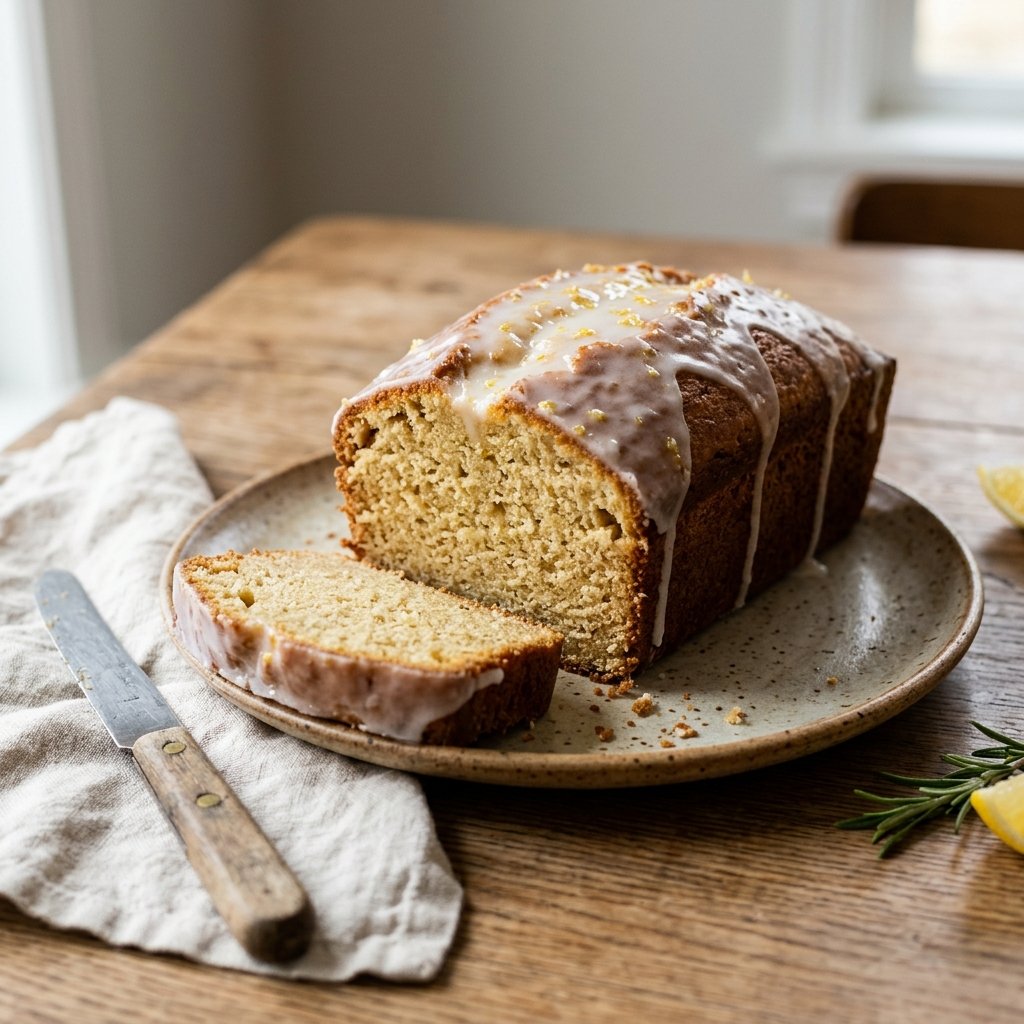
How to Make a Loaf Cake, Step by Step
1. Line the pan and heat the oven
Heat the oven to 350°F (175°C) with a rack in the middle. Grease a 9×5-inch loaf pan, then lay in a strip of parchment that hangs over both long sides. That sling lets you lift the cake out cleanly instead of turning it upside down, which matters once a soak or glaze is involved. A light-colored metal pan bakes most evenly; dark pans and glass brown the sides faster, so check those about 5 minutes early.
2. Rub the zest into the sugar, then cream
Put the sugar and lemon zest in your mixing bowl and rub them together between your fingertips for a minute. The sugar turns damp and pale yellow, and the kitchen starts to smell like lemon. Add the butter and beat on medium-high for 3 to 4 minutes, until the mixture is light and fluffy. Beat in the oil. Do not rush this step; the air you add here is a big part of the rise.
3. Add the eggs one at a time
Beat each egg in for about 30 seconds before adding the next, and scrape the bowl in between. Add the vanilla. If the mixture looks a bit curdled, carry on. It comes back together once the flour goes in.
4. Alternate the flour and yogurt
Whisk the flour, baking powder, baking soda and salt in a separate bowl. Stir the lemon juice into the yogurt. With the mixer on low, add the flour in three parts and the yogurt in two, starting and ending with flour. Stop as soon as you no longer see dry streaks, then give the batter a few final folds with a spatula. Overmixing at this stage develops gluten and gives a tough, tunneled crumb.
5. Fill, score and bake
Spread the batter into the pan and smooth the top. Loaf cakes almost always crack along the center, because the top sets while the middle is still rising. If you want that crack to look deliberate, run an oiled knife along the middle of the batter, about half an inch deep, before it goes in the oven.
Bake for 55 to 65 minutes. If the top is deep golden by the 40-minute mark, lay a sheet of foil loosely over it. The loaf cake is done when a skewer pushed into the center comes out clean or with a few moist crumbs, not wet batter. An instant-read thermometer is the surest test: 200 to 205°F (93 to 96°C) in the center.
6. Cool before you glaze
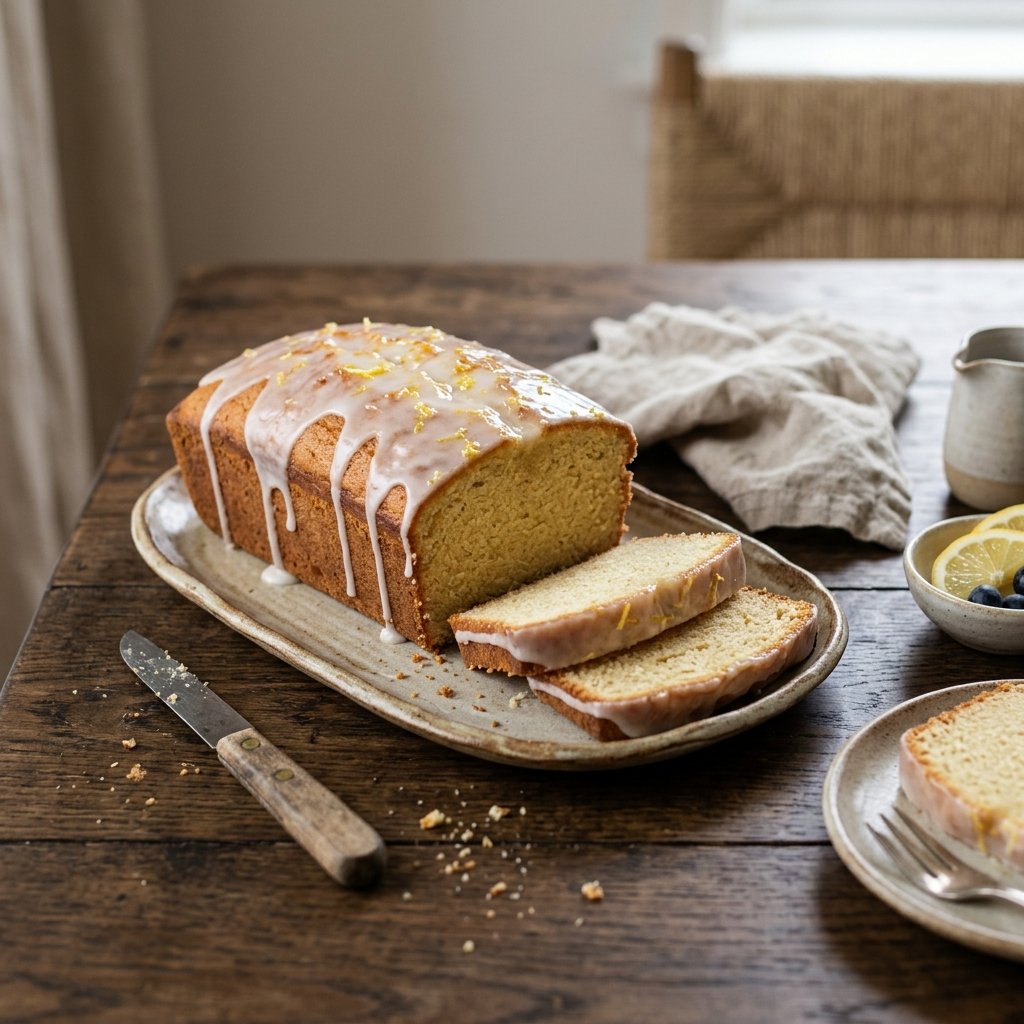
Leave the cake in the pan for 15 minutes, then lift it out with the parchment and let it cool completely on a rack, about an hour and a half. Glaze on a warm cake melts and soaks in instead of sitting on top in that thick, white layer you see in the photos.
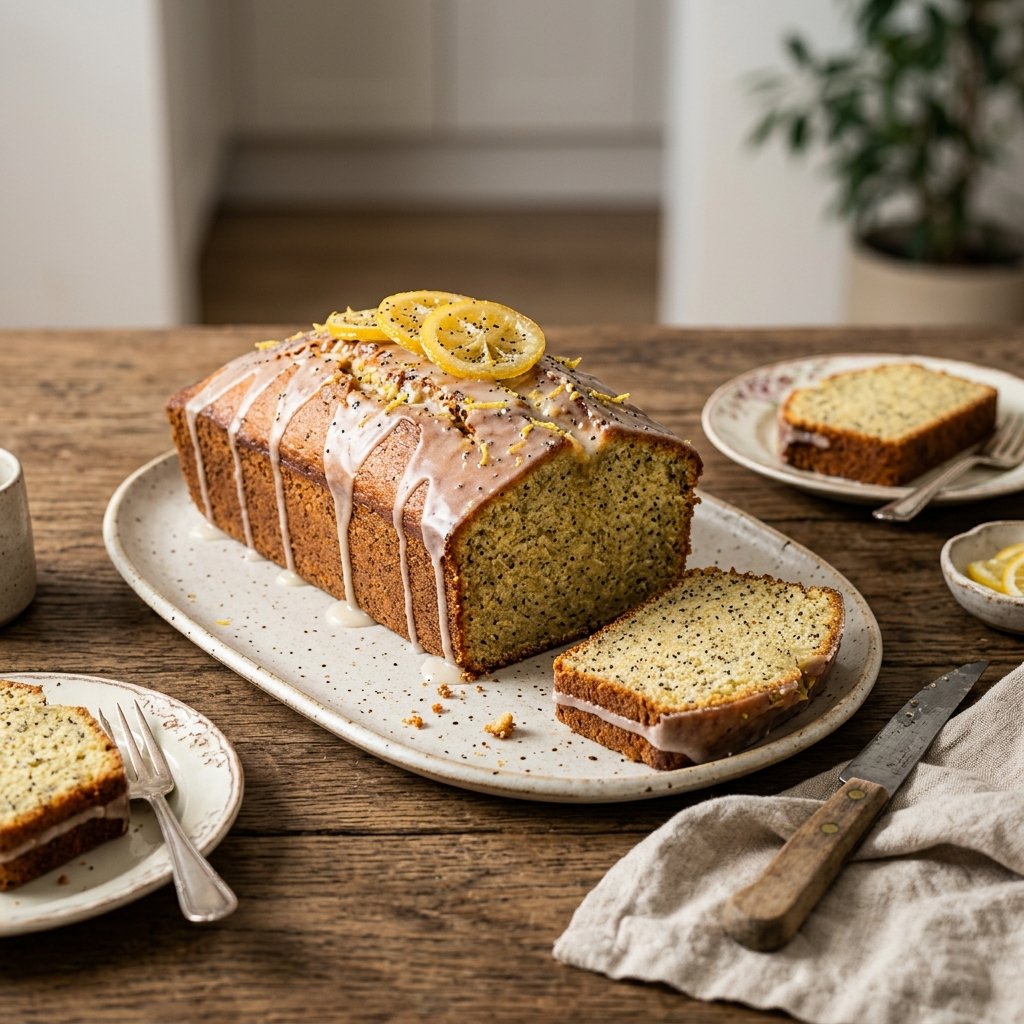
The Lemon Glaze, and a Honey-Lemon Soak
The glaze is just sifted powdered sugar, a pinch of salt and lemon juice. Start with 2 tablespoons of juice and add more a few drops at a time. You want it about as thick as cold honey: it should fall from the whisk in a ribbon and hold its shape for a second before it spreads. Too thin, and it runs off the cake and pools on the plate. Too thick, and it sits in a stiff blob. Spoon it along the top and nudge it toward the edges so it drips down the sides on its own.
For a more lemony, extra-moist glazed loaf cake, add a soak first. Ten minutes after the cake comes out of the oven, warm 2 tablespoons of honey with 2 tablespoons of lemon juice until runny, poke the top of the cake all over with a skewer and brush the syrup on slowly so it has time to sink in. Then cool and glaze as usual. The honey adds a gentle floral note under the sharp lemon, and it keeps the top crumb soft. If you like the combination, our honey and lemon cake builds the whole cake around it, and a spoon of lemon lime syrup works as a soak too.
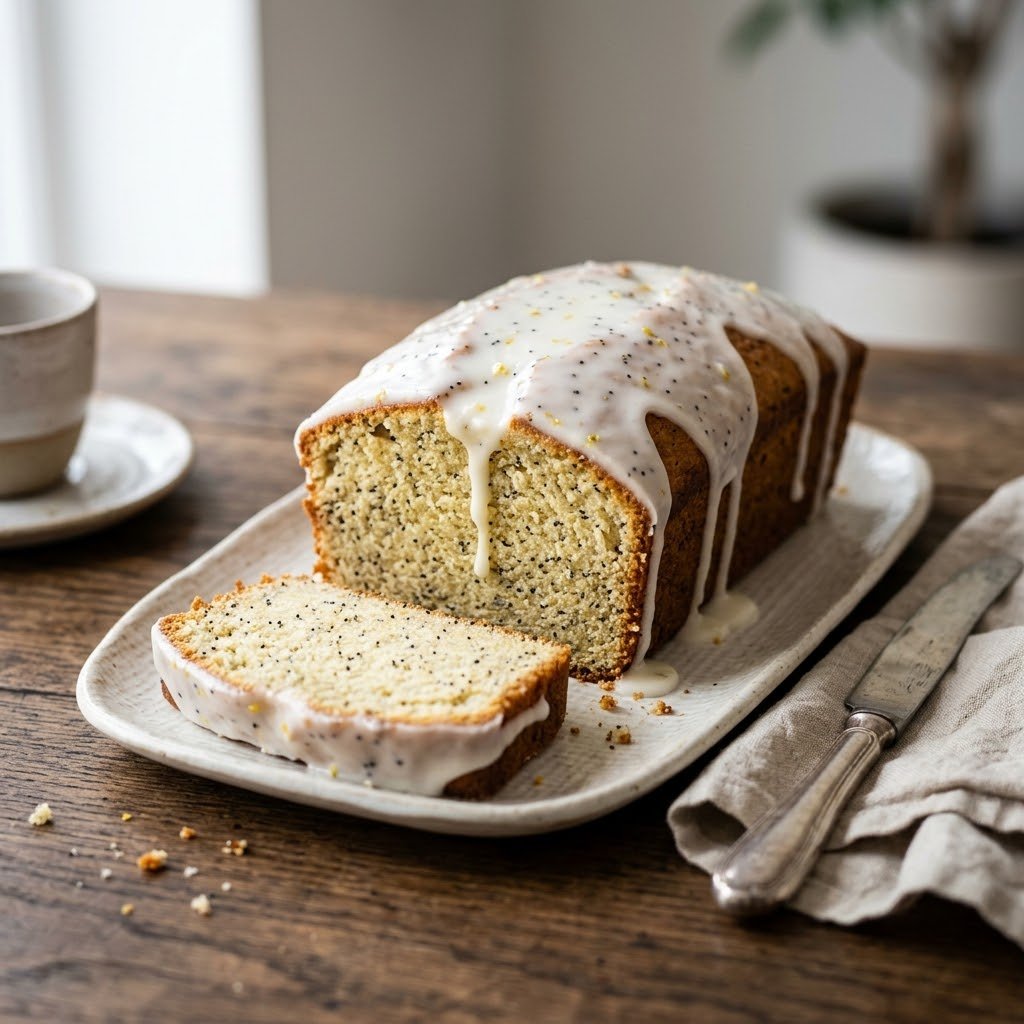
Loaf Pan Sizes and Baking Times
“Loaf pan” can mean several sizes, and the size changes the bake time more than anything else. The loaf cake recipe above is written for a 9×5-inch pan, but it adapts to others. Fill any pan no more than two-thirds full. Times below are a starting point; always check for doneness in the center.
| Pan | Batter | Bake at 350°F (175°C) |
|---|---|---|
| 9×5-inch loaf pan | Full recipe | 55–65 minutes |
| 8.5×4.5-inch loaf pan | Full recipe, taller dome | 60–70 minutes |
| 3 mini loaf pans (about 5.75×3 inches) | Divided evenly | 30–38 minutes |
| 8-inch square pan | Full recipe, thinner cake | 30–38 minutes |
| 12-cup muffin tin | About ⅔ full | 18–22 minutes |
Loaf Cake Problems and How to Fix Them
Most loaf cake trouble comes down to three things: how the flour was measured, how warm the ingredients were, and whether the center was truly baked. This table covers the usual suspects.
| What happened | Likely cause | Next time |
|---|---|---|
| Sank in the middle | Underbaked center, oven door opened early, or old/too much leavening | Bake to 200°F inside, keep the door shut for the first 40 minutes, measure leavening level |
| Dense, gummy line near the bottom | Underbaked, or the butter and eggs were cold and the batter lost its air | Use room-temperature ingredients and check the center with a thermometer |
| Dry and crumbly | Too much flour or overbaked | Weigh the flour; start checking at 50 minutes |
| Edges dark, center raw | Dark or glass pan, or oven running hot | Use a light metal pan, tent with foil, check your oven with a thermometer |
| Tunnels and holes in the crumb | Overmixed after adding flour | Mix on low only until the flour disappears |
| Glaze soaked in and vanished | Cake was still warm, or glaze too thin | Cool completely; thicken with more powdered sugar |
Six Ways to Change This Loaf Cake Recipe
Once you have the base batter down, it adapts easily. Keep the flour, butter, eggs and yogurt the same and change the flavorings.
- Vanilla loaf cake: leave out the zest and lemon juice, use 2 teaspoons of vanilla, and swap the 2 tablespoons of lemon juice in the batter for milk. Make the glaze with milk, or skip it and dust with powdered sugar.
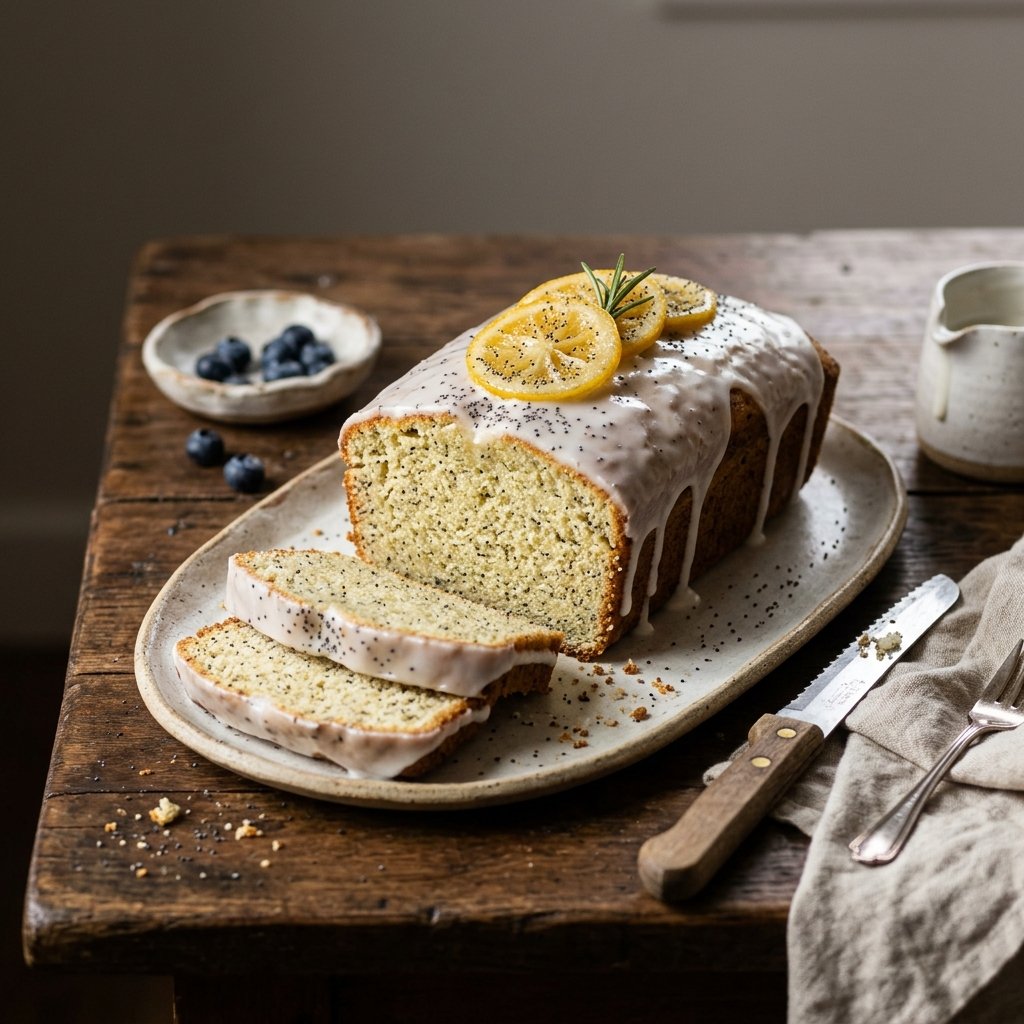
- Lemon poppy seed: fold 1 tablespoon of poppy seeds into the finished batter. Top the glaze with a few thin candied lemon slices.
- Lemon blueberry: toss 1 cup of fresh blueberries with 1 tablespoon of flour and fold them in at the end. Add 5 to 10 minutes to the bake.
- Orange and honey: use orange zest and juice instead of lemon and finish with the honey soak. Orange is sweeter, so the glaze can take a squeeze of lemon for balance.
- Marble: make the vanilla version, stir 3 tablespoons of cocoa powder and 2 tablespoons of milk into a third of the batter, and swirl the two together in the pan. For a fully chocolate cake, our chocolate honey cake is the better starting point.
- Almond: replace ¼ cup of the flour with almond flour, add ½ teaspoon almond extract with the vanilla, and scatter sliced almonds over the batter before baking.
How to Store and Freeze a Loaf Cake
A cake from this loaf cake recipe keeps better than most. Once the glaze has set, cover the cut end with plastic wrap or keep the cake in an airtight container. It stays moist at room temperature for up to 4 days, and the flavor is often better on day two, after the lemon has had time to settle into the crumb. In a warm, humid kitchen, move it to the fridge after the first day and let slices come back to room temperature before serving.
To freeze, cool the unglazed cake completely, wrap it tightly in plastic wrap and then foil, and freeze for up to 3 months. Individual slices freeze well too. Thaw in the wrapping at room temperature, then glaze. Glazed cake can be frozen, but the glaze tends to turn sticky and weep as it thaws.
Loaf Cake FAQ
What is the difference between a loaf cake and a pound cake?
“Loaf cake” describes the shape: any cake baked in a loaf pan. “Pound cake” describes the formula, traditionally equal weights of butter, sugar, eggs and flour. Many pound cakes are baked as loaves, but a loaf cake can be lighter, like this one, or be a quick bread such as banana bread with buttermilk.
Why did my loaf cake crack on top?
That is normal. In a deep pan, the top crust forms while the center is still rising, so the center pushes up and splits it. Scoring the batter with an oiled knife before baking gives you one straight, tidy split instead of a random one.
Can I make this loaf cake without a mixer?
Yes. Make sure the butter is very soft, then beat it with the sugar using a wooden spoon for 4 to 5 minutes, until noticeably lighter. Whisk in the eggs one at a time and fold in the flour and yogurt by hand. The crumb will be slightly denser but still tender.
Can I use all oil instead of butter?
You can replace the butter with ⅓ cup (75 g) of neutral oil and whisk everything together instead of creaming. The cake will be moister and keep longer, but it loses the buttery flavor and the fine, pound-cake crumb.
Can I sweeten the cake with honey instead of sugar?
Partly. Replacing all the sugar changes the texture too much, but you can swap half. Use ⅓ cup of honey in place of ½ cup of sugar, reduce the yogurt by 2 tablespoons, and bake at 325°F (165°C) for a little longer, because honey browns faster. The Kitchn explains the general rules for swapping honey for sugar in baking.
How do I know my loaf cake is fully baked?
Push a skewer into the very center, where the crack is. It should come out clean or with a few moist crumbs. The top should spring back when pressed lightly. For certainty, use an instant-read thermometer and look for 200 to 205°F (93 to 96°C).
Printable Loaf Cake Recipe

Glazed Lemon Loaf Cake
Equipment
- 9×5-inch loaf pan metal, light colored if possible
- Parchment paper
- Stand mixer or hand mixer
- Microplane zester
- Wire cooling rack
- Instant-read thermometer optional
Ingredients
Cake
- 1¾ cups all-purpose flour 220 g, spooned and leveled
- 1½ teaspoons baking powder
- ¼ teaspoon baking soda
- ½ teaspoon fine salt
- 1 cup granulated sugar 200 g
- 2 tablespoons lemon zest from 2 medium lemons
- ½ cup unsalted butter 113 g, softened
- 2 tablespoons neutral oil 25 g, such as canola or light olive oil
- 3 large eggs room temperature
- 1 teaspoon vanilla extract
- ½ cup plain Greek yogurt or sour cream 120 g, room temperature
- 2 tablespoons fresh lemon juice
Lemon glaze
- 1¼ cups powdered sugar 150 g, sifted
- 2-3 tablespoons fresh lemon juice
- 1 pinch salt
- 1 teaspoon lemon zest optional, for the top
Honey-lemon soak (optional)
- 2 tablespoons honey
- 2 tablespoons fresh lemon juice
Instructions
- Heat the oven to 350°F (175°C) with a rack in the center. Grease a 9×5-inch loaf pan and line it with a strip of parchment that hangs over the two long sides, so you can lift the cake out later.
- Whisk the flour, baking powder, baking soda and salt in a bowl. Set aside.
- In a large bowl, rub the lemon zest into the sugar with your fingertips until it smells strongly of lemon. Add the soft butter and beat on medium-high for 3–4 minutes, until pale and fluffy. Beat in the oil.
- Add the eggs one at a time, beating about 30 seconds after each and scraping the bowl. Beat in the vanilla. If the mixture looks a little curdled, keep going; it will smooth out once the flour goes in.
- Stir the lemon juice into the yogurt. On low speed, add the flour mixture in three parts, alternating with the yogurt in two parts, starting and ending with flour. Mix only until no dry flour remains, then finish by hand with a spatula.
- Scrape the batter into the pan and smooth the top. For a neat split down the middle, draw a shallow line along the center of the batter with an oiled knife.
- Bake for 55–65 minutes, until golden, a skewer in the center comes out clean or with a few moist crumbs, and the center reads 200–205°F (93–96°C). If the top browns too fast, lay a sheet of foil loosely over the pan after 40 minutes.
- Let the cake cool in the pan for 10 minutes. For the honey-lemon soak, warm the honey and lemon juice together until fluid, poke the top of the cake all over with a skewer and brush the syrup on slowly. After 15 minutes in the pan, lift the cake out by the parchment and cool completely on a rack, about 1½ hours.
- Whisk the powdered sugar, salt and 2 tablespoons of lemon juice until smooth, adding more juice a few drops at a time until the glaze is thick but slowly pourable. Spoon it over the cooled cake and let it run down the sides. Sprinkle with zest and let the glaze set for 20 minutes before slicing.

Notes
- Lemons: you need about 3 lemons in total for the zest, batter, glaze and soak.
- Weigh the flour if you can. Too much flour is the most common reason a loaf cake turns out dry.
- Vanilla loaf cake: skip the zest and lemon juice, use 2 teaspoons vanilla, and replace the lemon juice in the batter with 2 tablespoons milk. Glaze with milk instead of lemon juice.
- Lemon poppy seed: fold 1 tablespoon poppy seeds into the finished batter.
- Pan sizes: an 8.5×4.5-inch pan takes 60–70 minutes. Three mini loaf pans (about 5.75×3 inches) take 30–38 minutes.
- Storage: keep wrapped at room temperature for up to 4 days. Freeze the unglazed cake, double-wrapped, for up to 3 months.
More everyday cakes on Oohdish: a nutty einkorn cake, a crumb-topped German coffee cake, and a quick honey glaze that also works on this loaf in place of the lemon glaze.