
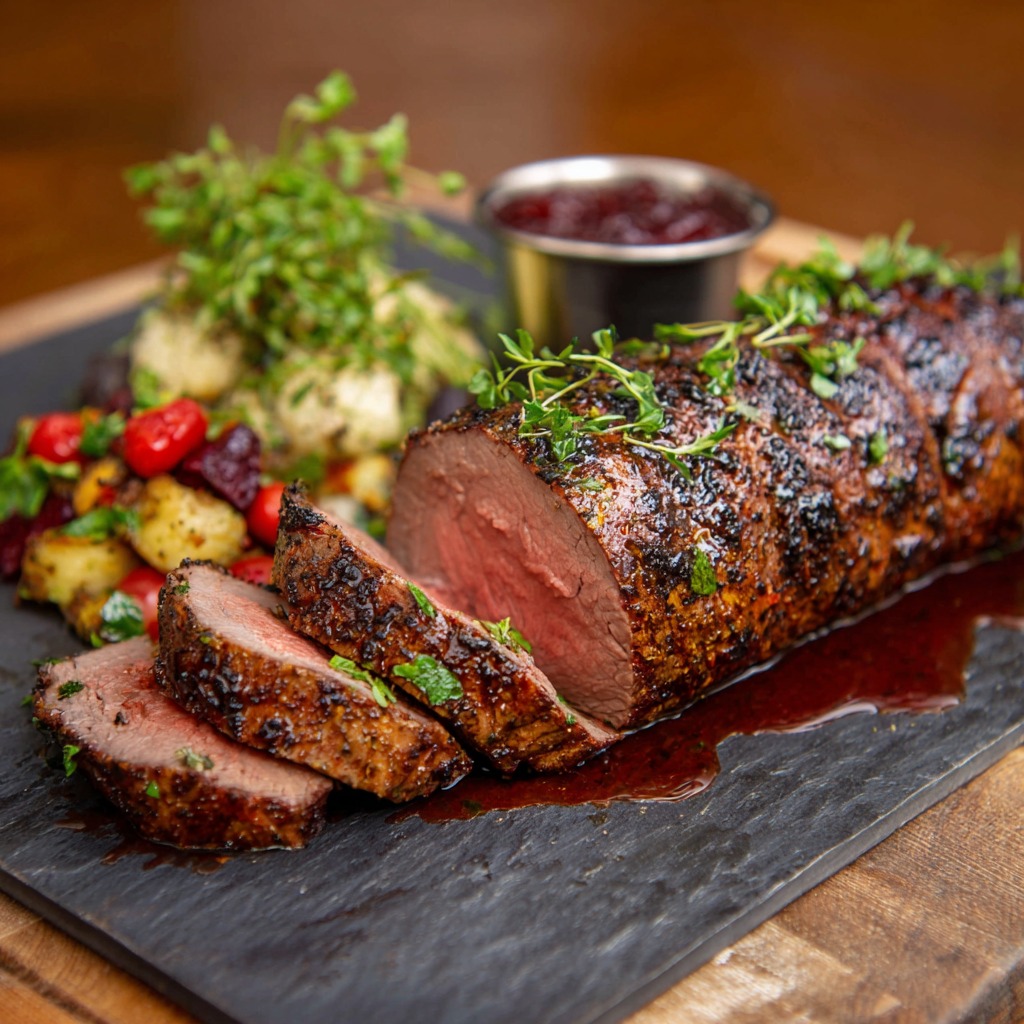
Wild boar backstrap is the long, narrow loin that runs along the spine, and it is the cut most hunters save for a special dinner. It is tender, lean and deeply flavored, closer to a well-raised pork loin than to anything “gamey” when it is handled well. The trouble is that it is easy to ruin. Cook it timidly and you have a food-safety problem; cook it carelessly and you have a dry, gray log.
This boar backstrap recipe is built to solve both problems at once. The meat gets a simple dry brine, a garlic-rosemary rub, a hard sear in cast iron and a short finish in the oven, then a butter baste and a quick pan sauce. It is cooked to a safe internal temperature for wild pig, and the brine, the butter and the thin slicing are what keep it juicy at that temperature. After the main recipe you will find four other ways to cook a boar backstrap, a temperature chart, and answers to the questions people ask most about this cut.
The Short Version
| Cut | Wild boar backstrap (loin), 1 to 1½ lb, silver skin removed |
| Method | Dry brine, pan sear, oven finish at 400°F, butter baste |
| Target temperature | 160°F (71°C) in the thickest part |
| Active time | About 35 minutes, plus at least 1 hour of dry brining |
| Serves | 4 |
| Best with | Mashed potatoes, polenta, roasted roots, a sharp green salad |
First, a Word on Safety: Why Wild Boar Is Not Cooked Like Pork Tenderloin
Most modern pork can be served at 145°F with a little pink inside. Wild boar and feral hogs are a different animal in every sense. They live and feed outside controlled farm conditions, and they can carry Trichinella, the parasite that causes trichinellosis, as well as other diseases that hunters are warned about when field dressing hogs.
Freezing is not a reliable fix here. The Minnesota Department of Health notes that freezing does not reliably kill all the types of Trichinella found in game animals, and that curing, drying, smoking and microwaving are not effective either. Thorough cooking, checked with a thermometer, is what matters. That agency recommends at least 160°F for pork and 165°F for wild game, and the Institute of Food Technologists describes cooking game meat to 70°C (about 158°F) and holding it for at least three minutes.
For this recipe, the backstrap is cooked until the thickest part reads 160°F (71°C), then rested. If your state or local health agency recommends a higher temperature for wild game, follow that guidance. You will see some hunting sites recommend pulling boar at 140°F to 145°F; this article does not, because a medium-rare wild hog is a risk the cook takes on behalf of everyone at the table.
Two kitchen habits matter as much as the final temperature. Wear gloves and keep wild pork away from ready-to-eat foods while you trim it, and wash boards, knives and hands well afterward. And use an instant-read thermometer rather than color or touch, because a lean loin can look done on the outside long before the center is.
So How Does a Boar Backstrap Recipe Stay Juicy at 160°F?
Backstrap has almost no fat marbled through it, so it has very little insurance against drying out. Cooking it to a safe temperature means you need to build that insurance in other ways. This recipe uses four:
- A dry brine. Salting the loin at least an hour ahead (overnight is better) seasons it all the way through and helps the muscle hold on to its moisture during cooking. It also dries the surface, which gives you a better crust.
- Two-stage cooking. A short, hot sear builds flavor, and the oven finishes the center gently and evenly. Cooking a thick loin entirely in the pan tends to overcook the outer layer before the middle is safe.
- Fat added at the end. Butter basted over the meat, plus a pan sauce made from the browned bits, gives the lean slices the richness the cut lacks.
- Thin slices across the grain. Cutting ¼- to ½-inch medallions against the grain shortens the muscle fibers, so each bite is tender even when the meat is cooked through.
Wild-Harvested or Farm-Raised Boar?
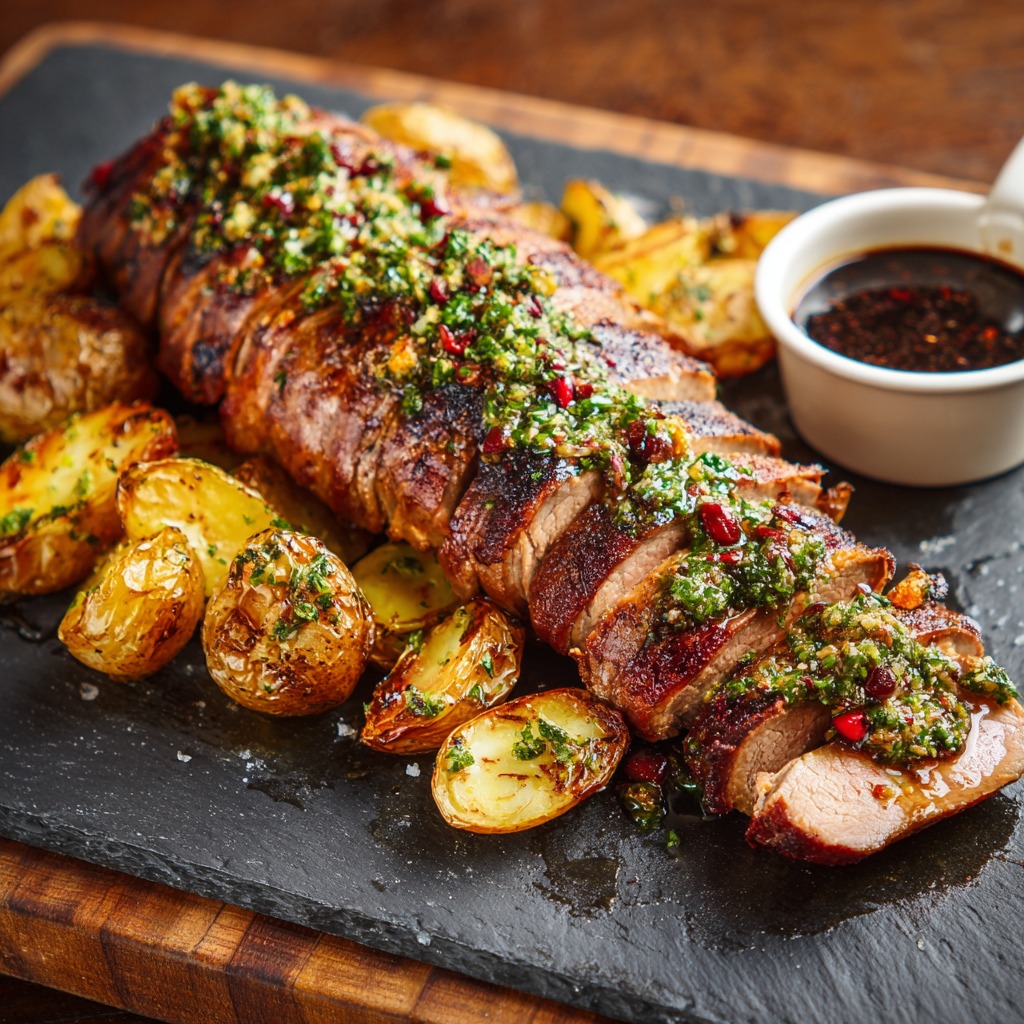
You can make this recipe with either, but they behave a little differently. A backstrap from a hunter-harvested feral hog varies a lot with the animal’s age, sex and diet. Young sows and smaller hogs usually give the mildest, most tender loins. Big, mature boars can taste stronger, and the meat can be firmer; the dry brine and the sauce help, and some hunters keep the loins from older boars for grinding or slow cooking instead.
Boar sold by specialty butchers and online game suppliers tends to be more consistent in size and flavor. Whatever the source, treat it the same way at the stove and cook it to the same safe temperature.
Backstrap vs. tenderloin
People mix these up all the time. The backstrap is the long loin muscle on top of the ribs, along each side of the spine; it is the larger of the two. The tenderloin is the small, narrow muscle tucked inside the body cavity under the spine. Both are tender and lean, and both work in this recipe. A tenderloin is thinner, so it needs less time in the oven: start checking the temperature after 3 or 4 minutes.
Ingredients for This Boar Backstrap Recipe
Exact amounts are in the recipe card below. Here is what each part does:
- Boar backstrap (1 to 1½ lb). Trim off the silver skin, the thin, shiny membrane on one side. It does not soften with cooking and makes the loin curl in the pan.
- Kosher salt. About ¾ teaspoon of Diamond Crystal per pound, or a little less of a denser salt like Morton. This is the dry brine.
- Garlic, rosemary, thyme and Dijon. Classic partners for pork and game. The mustard helps the rub cling and adds a gentle tang.
- Smoked paprika and black pepper. A little smokiness and heat that suit the deeper flavor of wild meat.
- Oil with a high smoke point. Avocado, canola or light olive oil for searing. Extra-virgin olive oil can smoke heavily at this heat.
- Butter, a shallot and stock. The base of the pan sauce. Low-sodium chicken, beef or game stock all work. A splash of red wine or a teaspoon of balsamic vinegar is optional.
- To finish. Chopped parsley, a little lemon zest and flaky salt.
How to Cook Boar Backstrap, Step by Step
1. Trim and dry brine
Slide a thin, sharp knife under one end of the silver skin, angle the blade slightly up toward the membrane, and pull it away in strips. Remove any loose fat or bloodshot areas too. Pat the loin dry, sprinkle the salt evenly over every side, and set it on a rack over a plate. Refrigerate uncovered for at least 1 hour and up to 24 hours.
2. Rub and temper
About 30 minutes before cooking, take the meat out of the fridge. Mix the garlic, rosemary, thyme, Dijon, smoked paprika, pepper and 1 tablespoon of the oil into a paste and rub it over the loin. Do not add more salt. Heat the oven to 400°F (200°C).
3. Sear hard
Heat a 12-inch cast iron or other oven-safe skillet over medium-high heat until it is very hot, then add the remaining oil. Lay the backstrap in the pan and leave it alone for 2 to 3 minutes, until it releases easily and is deep brown. Turn and brown every side, including the narrow edges, about 8 minutes in total. If the garlic starts to scorch, lower the heat slightly.
4. Finish in the oven
Move the skillet to the oven. A loin about 2 inches thick usually needs 8 to 14 minutes, but thickness varies a lot from hog to hog, so start checking at 6 minutes. Insert the thermometer into the thickest part from the side. Take the pan out when it reads 160°F (71°C).
5. Baste, rest and make the sauce
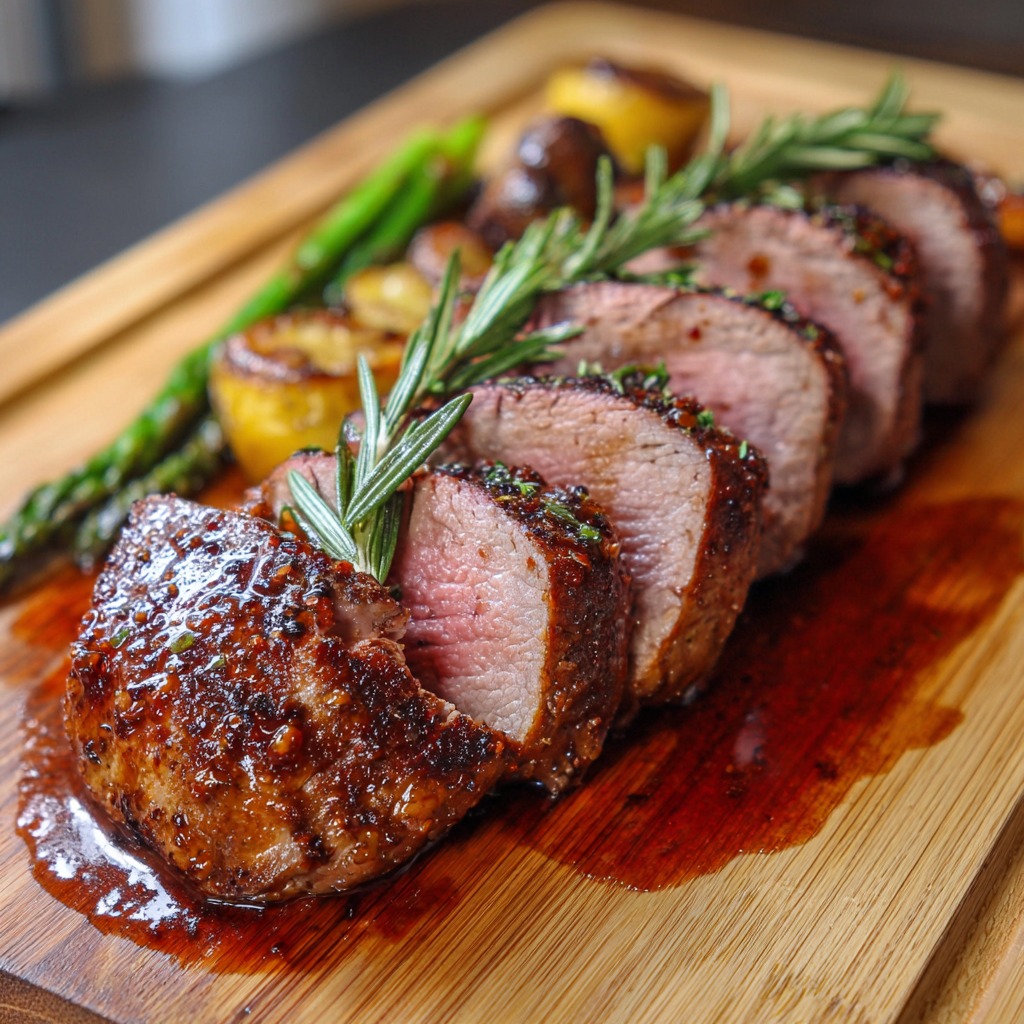
Using an oven mitt (the handle will be very hot), set the skillet over low heat. Add 1 tablespoon of the butter, tilt the pan and spoon the foaming butter over the meat for 30 seconds. Move the backstrap to a board and tent it loosely with foil for 5 to 8 minutes.
While it rests, add the shallot to the skillet and cook for a minute. Pour in the stock (and the wine, if using) and scrape up the browned bits. Simmer until it has reduced by about half, then turn off the heat and swirl in the last tablespoon of butter and any juices from the board.
6. Slice and serve
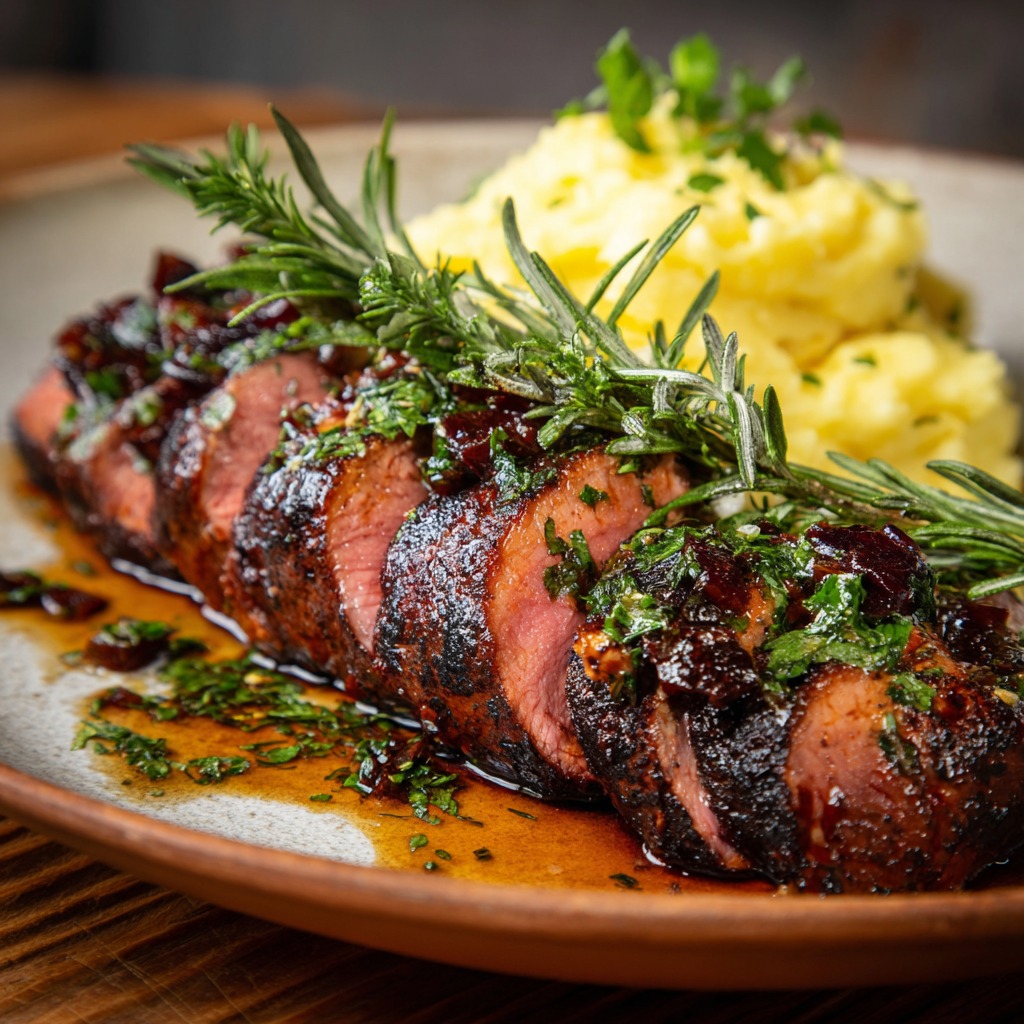
Look at which way the muscle fibers run and cut across them into ¼- to ½-inch medallions. Fan them on a warm platter, spoon over the pan sauce, and finish with parsley, lemon zest and a pinch of flaky salt.
Boar Backstrap Temperature and Timing Chart
Times are approximate and depend on the thickness of the loin and how cold it is when it goes in. The thermometer has the final say.
| Method | Heat | Approximate time | Take it off at |
|---|---|---|---|
| Sear + oven (this recipe) | Medium-high pan, then 400°F oven | 8 min sear + 8 to 14 min oven | 160°F (71°C) |
| Grill, two-zone | Direct high, then indirect | 6 to 8 min direct + 8 to 15 min indirect | 160°F (71°C) |
| Reverse sear | 275°F oven, then very hot pan | 35 to 50 min oven + 4 min sear | Oven to 150°F, sear to 160°F |
| Smoker | 225°F to 250°F | 1½ to 2½ hours | 160°F (71°C) |
| Breaded cutlets | Oil at 350°F, or a heavy pan | 2 to 3 min per side | Cook through, no pink |
Four More Ways to Cook Boar Backstrap
The pan-seared method above is the most reliable for a weeknight. Once you have it down, these four variations change the flavor without changing the basic rules: salt ahead, cook to a safe temperature, rest, and slice thin.
On the grill
Set up a two-zone fire, with coals or burners on one side only. Sear the rubbed backstrap over the hot side until it is well marked on all sides, then move it to the cool side, close the lid and let it finish. Glaze it in the last few minutes with a little honey bourbon BBQ sauce if you like a sweet, sticky finish, but keep the sauce off the direct heat or the sugar will burn.
Reverse sear
For a very thick loin, cook it on a rack in a 275°F oven until it reaches about 150°F, then sear it in a smoking-hot skillet with butter until the center reaches 160°F. The slow start gives you even color from edge to center, with a very thin overcooked band.
Smoked
Mild woods such as apple, cherry or pecan suit wild pork. Wrap the loin in a few strips of bacon first to add fat, smoke it at 225°F to 250°F, and pull it when the meat itself (not the bacon) reaches 160°F. Remember that smoking alone does not make wild pork safe; only the final internal temperature does.
Breaded cutlets (schnitzel style)
Slice the backstrap into ½-inch medallions and pound them to about ¼ inch thick between sheets of plastic wrap. Dredge in flour, beaten egg and panko, then shallow-fry in hot oil until golden and cooked through. Thin cutlets cook through in a few minutes, which makes this the easiest way to serve fully cooked wild boar that still tastes juicy. Serve with lemon wedges and a crisp slaw.
Mistakes That Make Boar Backstrap Tough or Dry
- Leaving the silver skin on. It tightens in the heat, squeezes the meat and stays chewy.
- Going far past the target. The safe target is 160°F, not “as hot as possible”. Check early and often, and pull the pan as soon as you get there.
- Long acidic marinades. Lemon juice or vinegar left on lean meat for many hours can make the surface mealy. A dry brine does more for texture.
- A crowded or lukewarm pan. If two loins will not fit with space around them, sear them one at a time.
- Slicing with the grain or too thick. Even perfectly cooked backstrap feels tough in thick slices cut the wrong way.
- Skipping the rest. Cut it straight from the pan and the juices end up on the board instead of in the meat.
What to Serve With Boar Backstrap
Something soft and starchy to catch the pan sauce is the obvious choice: creamy mashed potatoes, buttery polenta, or roasted honey gold potatoes. Wild pork also loves fruit, so roasted apples, a spoonful of cherry or fig preserves, or a quick sauté of pears and onions is never out of place. For something green, roast Brussels sprouts or green beans, or toss arugula with shaved fennel and a lemony vinaigrette. If you drink wine, a medium-bodied red such as a Chianti, Barbera or Côtes du Rhône sits nicely with the herbs and the smoked paprika.
Planning a whole wild game menu? Start with duck poppers as an appetizer, or look at our elk medallions and grilled deer tenderloin for other lean cuts that cook in a similar way. For a slow-cooked option, the crock pot elk roast is a good use of tougher game cuts.
Storing and Reheating Leftovers
Leftovers from this boar backstrap recipe keep well. Cool them quickly and refrigerate them within 2 hours in an airtight container with any leftover sauce. Eat them within 3 to 4 days. To reheat without drying the meat out, warm the slices in a covered skillet over low heat with a couple of tablespoons of stock, just until hot all the way through. Cold slices are also very good in sandwiches with mustard and pickled onions.
Cooked boar backstrap freezes well for 2 to 3 months if it is wrapped tightly. Freeze it in one piece rather than sliced, thaw it overnight in the fridge, and reheat gently in a covered dish at 275°F with a splash of stock.
Boar Backstrap Recipe Card
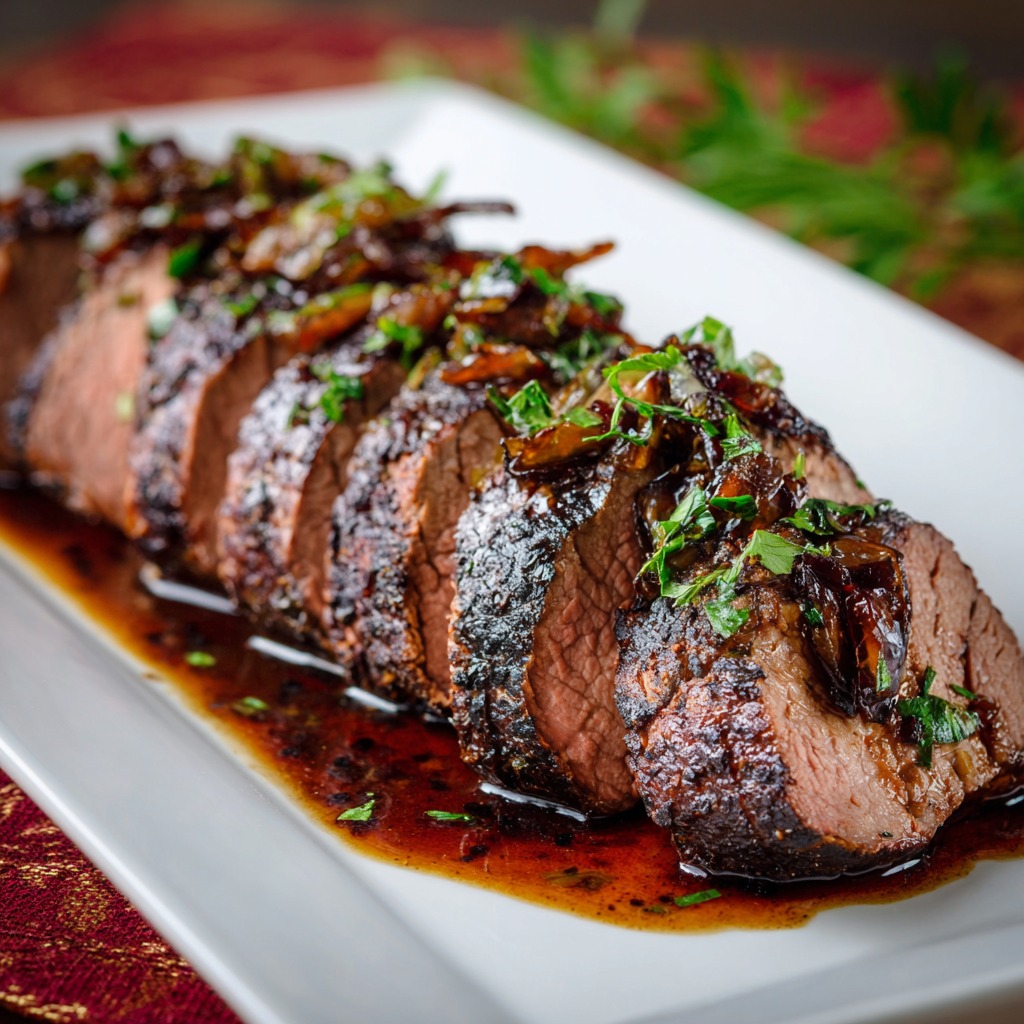
Pan-Seared Boar Backstrap with Garlic-Herb Butter
Ingredients
Equipment
Method
- Remove the silver skin and any loose fat or bloodshot meat from the backstrap with a thin, sharp knife. Wear gloves and keep the raw meat away from other foods. Pat the loin dry.
- Sprinkle the kosher salt evenly over all sides. Set the loin on a rack over a plate and refrigerate uncovered for at least 1 hour and up to 24 hours.
- About 30 minutes before cooking, take the meat out of the fridge and heat the oven to 400°F (200°C). Mix the garlic, rosemary, thyme, Dijon, smoked paprika, pepper and 1 tbsp oil into a paste and rub it over the backstrap. Do not add more salt.
- Heat the skillet over medium-high heat until very hot, then add the remaining 1 tbsp oil. Sear the backstrap without moving it for 2 to 3 minutes per side, browning every side including the edges, about 8 minutes total.
- Transfer the skillet to the oven. Roast for 8 to 14 minutes, depending on thickness, until an instant-read thermometer in the thickest part reads 160°F (71°C). Start checking after 6 minutes.
- Set the skillet over low heat (the handle is very hot). Add 1 tbsp butter and spoon it over the meat for 30 seconds. Move the backstrap to a board and tent loosely with foil for 5 to 8 minutes.
- Add the shallot to the skillet and cook for 1 minute. Add the stock and wine, scrape up the browned bits and simmer until reduced by about half. Turn off the heat and swirl in the remaining 1 tbsp butter and any resting juices.
- Slice across the grain into ¼- to ½-inch medallions. Spoon the pan sauce over the top and finish with parsley, lemon zest and flaky salt.
Notes
- Safe temperature: Wild boar can carry Trichinella, and freezing does not reliably kill all game strains. Cook to at least 160°F (71°C), or higher if your local health agency recommends it for wild game.
- Tenderloin: The smaller tenderloin cooks faster; start checking after 3 to 4 minutes in the oven.
- Wet brine option: Instead of dry brining, soak in 1 tbsp kosher salt per 2 cups water for 2 to 4 hours, then skip the salt and dry the meat very well.
- Storage: Refrigerate leftovers with the sauce within 2 hours and eat within 3 to 4 days. Freeze cooked, unsliced backstrap for 2 to 3 months.
Boar Backstrap FAQs
Can wild boar backstrap be eaten medium-rare?
It is not recommended. Wild boar can carry Trichinella and other pathogens, and freezing does not reliably make it safe. Cook it until the thickest part reaches at least 160°F (71°C), or the higher temperature your local health agency recommends for wild game.
Does wild boar taste gamey?
Backstrap is the mildest cut on the animal. It tastes richer and a little more savory than farmed pork, but it should not taste strong or unpleasant. Very large, mature boars can have a stronger flavor; trimming away all fat and silver skin and using a dry brine help.
Should I soak boar backstrap in milk or salt water?
It is optional. A well-handled backstrap does not need soaking. If you prefer a wet brine, use about 1 tablespoon of kosher salt per 2 cups of water for 2 to 4 hours, then skip the dry brine salt and pat the meat very dry before searing.
How long does it take to cook boar backstrap in the oven?
After an 8-minute sear, a loin about 2 inches thick usually needs 8 to 14 minutes at 400°F to reach 160°F. Thinner pieces and tenderloins may be ready in 4 to 6 minutes, so always check with a thermometer.
Can I use this boar backstrap recipe for venison?
Yes, the rub, sear and pan sauce all suit venison. Venison is not handled like wild pork, though, and it is usually cooked to a lower temperature; follow a venison-specific guide for doneness, such as our deer tenderloin recipe.
What is the difference between wild boar and feral hog?
In the United States the names are often used for the same animals: free-living pigs that may be Eurasian wild boar, escaped domestic pigs, or a cross of the two. In the kitchen they are treated the same way, including the cooking temperature.
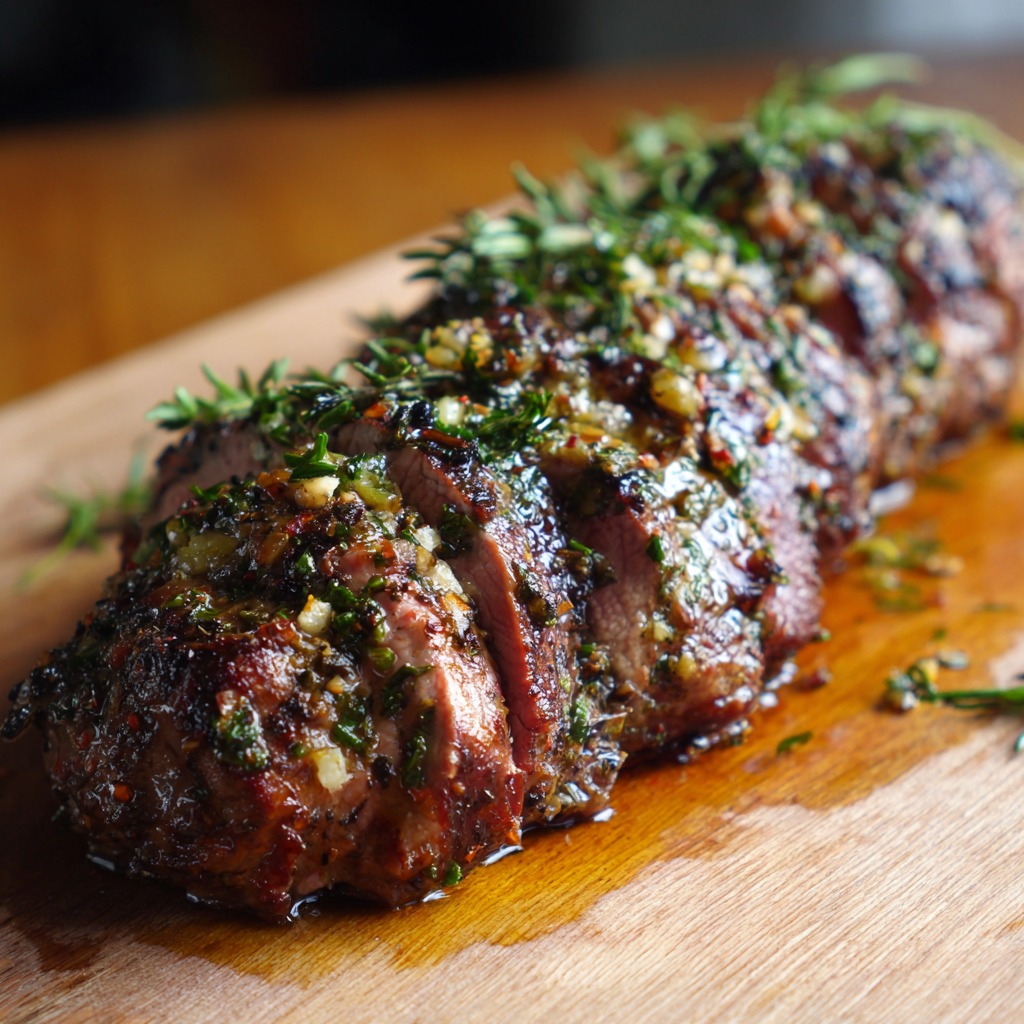
Make It Your Own
Once you are comfortable with the basic boar backstrap recipe, play with the flavors. Swap the rosemary for sage and add a few crushed juniper berries to the rub. Finish the pan sauce with a spoonful of apple butter or cherry preserves for a sweet-tart glaze, or stir in a little cream and whole-grain mustard for a richer sauce. For more ideas on pairing wild pork with fruit, MeatEater’s pan-roasted hog with stone fruit is worth a look; just cook the meat to the safe temperature given here.
If you try it, tell us in the comments how you cooked your backstrap and what you served with it. Other readers, especially those cooking their first wild hog, will be glad of the tips.