
Panera’s bakery case has sold several scones over the years (cinnamon crunch, orange, blueberry and seasonal flavors among them), and they all have the same thing going for them: a tender, slightly crumbly cream scone with a sweet glaze on top. This Panera Bread scone recipe takes that idea and gives you one base dough you can turn into any of those three flavors at home.
To be clear from the start, Panera does not publish its scone recipes, so this is a copycat-style recipe, not the restaurant formula. It is built from the way cream scones are traditionally made and from what bakers who have studied the Panera versions point out: a rich dough made with heavy cream, cold butter, and very little handling. You get 8 scones from one batch, about 20 minutes of baking, and a dough you can freeze for busy mornings.

At a Glance
| Makes | 8 wedge-shaped scones |
| Hands-on time | About 15 minutes |
| Chill time | 15 to 20 minutes |
| Bake | 18 to 22 minutes at 400°F (204°C) |
| Style | Egg-free cream scone with a powdered sugar glaze |
| Flavors in this post | Cinnamon crunch, orange (with or without cranberries), blueberry lemon |
| Freezer friendly | Yes, unbaked wedges for up to 2 months |
What Makes a Panera-Style Scone Different
Scones are not all the same. A traditional British scone is plain, short and served split with butter, jam and clotted cream. American coffee shop scones are sweeter and richer, often with fruit or cinnamon folded through and a glaze on top. Panera’s are firmly in the second group.
Three things give this style its texture:
- Heavy cream instead of milk or eggs. Cream carries both fat and liquid, so the crumb is soft and rich without needing eggs. That is why this recipe is egg-free.
- Cold butter in visible pieces. When those pieces melt in a hot oven, they release steam and leave small pockets, which give you the flaky layers near the top and the tender inside.
- Minimal mixing. The dough should look shaggy and a little crumbly when you stop. Copycat bakers who have worked on the Panera cinnamon crunch scone, including Top Secret Recipes, make the same point: press it too much and the scones turn dense.
One more detail if you are trying to match what you remember: Panera’s cinnamon crunch scone changed shape around 2018, moving from neat triangles to rustic, rounded mounds with drizzled icing. This recipe uses wedges because they bake more evenly at home, but you can shape free-form mounds instead (see the shaping section below).
Ingredients for the Base Dough
This is the dough that every flavor starts from. If you have a kitchen scale, use the gram weights; flour measured by cup can vary a lot, and too much flour is the most common reason scones come out dry.
- 2 cups (240 g) all-purpose flour
- ⅓ cup (65 to 70 g) granulated sugar
- 1 tablespoon (12 g) baking powder
- ½ teaspoon fine salt
- ½ cup (113 g) unsalted butter, very cold, cut into ½-inch cubes or grated
- ⅔ cup (160 ml) cold heavy cream, plus 1 to 3 tablespoons if needed, and a little extra for brushing
- 1 teaspoon vanilla extract
For the basic glaze: 1 cup (120 g) powdered sugar, 1½ to 2 tablespoons milk or cream, and ½ teaspoon vanilla (or 1 to 2 teaspoons lemon or orange juice for a citrus glaze).
A Few Notes on the Ingredients
- Baking powder: check the date. Old baking powder is a common reason for flat scones, and a tablespoon is a lot of leavening to rely on.
- Butter: unsalted lets you control the salt. Freezing the stick for 15 minutes and grating it on the large holes of a box grater is the easiest way to keep it cold and evenly spread.
- Cream: use heavy cream or heavy whipping cream (at least 36% fat). Half-and-half or milk will make a leaner, drier scone.
- Sugar: the dough itself is only lightly sweet; most of the sweetness comes from the glaze and mix-ins. You can cut the sugar in the dough by a tablespoon or two without changing the texture much.
Choose Your Flavor
Pick one of these per batch. Each one uses the base dough above and changes only a few things.
Cinnamon Crunch Scones
This is the one most people mean when they search for a Panera scone. The bakery version has crunchy cinnamon-sugar bits inside and a cinnamon icing on top. At home, the closest simple approach is a cinnamon-sugar mixture folded through the dough and sprinkled on top.
- Mix 2 teaspoons ground cinnamon with 2 tablespoons coarse sugar (turbinado or sanding sugar).
- Fold about two-thirds of it into the shaggy dough in streaks; do not mix it in completely.
- Sprinkle the rest over the cream-brushed tops before baking.
- For the glaze, add ¼ teaspoon cinnamon to the basic glaze.
- Want more crunch inside? Fold in ⅓ cup cinnamon baking chips if you can find them.
Orange Scones (or Orange Cranberry)
- Rub the finely grated zest of 1 orange into the sugar with your fingertips before adding it to the flour. This releases the oils and gives a much stronger orange flavor.
- For orange cranberry, fold in ½ cup dried cranberries plus another teaspoon of zest.
- Make the glaze with orange juice instead of milk, and add a little zest on top.
Blueberry Lemon Scones
- Add the zest of 1 lemon to the dough.
- Fold in ¾ cup blueberries at the very end, with as few strokes as possible.
- If using frozen berries, keep them frozen until the last second, toss them with 1 teaspoon flour, and add 1 to 2 minutes to the bake. This keeps the dough from turning purple.
- Use lemon juice in the glaze.

How to Make Panera Bread Scones
The method is quick, but the order and the temperature of your ingredients matter more than in most baking. Read through it once before you start.
1. Get Everything Cold and the Oven Hot
Heat the oven to 400°F (204°C) with a rack in the middle. Line a light-colored baking sheet with parchment. Keep the butter and cream in the fridge until the moment you need them. On a warm day, chill the mixing bowl too.
2. Mix the Dry Ingredients
Whisk the flour, sugar, baking powder and salt in a large bowl. If you are making orange or blueberry lemon scones, rub the zest into the sugar first.
3. Work In the Butter
Add the cold butter and cut it in with a pastry cutter, two knives or your fingertips until the largest pieces are about the size of peas. You want to still see butter. If you grated frozen butter, just toss it through the flour with a fork. Work quickly so your hands do not warm it.
4. Add the Cream
Stir the vanilla into the cream and pour most of it over the flour mixture. Fold with a spatula, turning the bowl, just until the dough looks shaggy and holds together when you squeeze a handful. If there are still dry floury patches at the bottom, add more cream a tablespoon at a time. Stop as soon as it holds. It should not look smooth.
5. Add Your Flavor
Scatter the cinnamon sugar, cranberries or blueberries over the dough and fold once or twice to distribute them. It is fine if they are not perfectly even.
6. Shape With a Single Fold
Tip the dough onto a lightly floured counter. Press it into a rough round about ¾ to 1 inch thick. Fold it in half, then press it back into a neat round 7 to 8 inches across. This one fold stacks the butter into layers and gives the scones a taller rise. Do not knead.
7. Chill
Move the round to the lined baking sheet and refrigerate for 15 to 20 minutes. This firms up the butter so the scones hold their shape and rise up rather than spreading out.
8. Cut and Finish
With a sharp knife or bench scraper, cut the round into 8 wedges, pressing straight down in one motion. Do not saw back and forth, which seals the edges and limits the rise. Pull the wedges apart so there are about 2 inches between them. Brush the tops lightly with cream and sprinkle with coarse sugar or the remaining cinnamon sugar.
9. Bake
Bake for 18 to 22 minutes, until the tops are light golden and the sides look set rather than wet. If your oven browns unevenly, turn the pan halfway through. When you press the side of a scone gently, it should feel firm, not soft.
10. Cool and Glaze
Let the scones cool on a rack for 10 to 15 minutes. Whisk the glaze until smooth and thick enough to drizzle; it should fall from a spoon in a slow ribbon. Drizzle it over the still-warm scones and let it set for about 5 minutes. Glaze applied to hot scones melts and soaks in; glaze applied to cold ones sits on top and does not spread as nicely.
Shaping Options
- Classic wedges: the method above. Most even bake and easiest to portion.
- Rustic mounds (closer to the newer Panera cinnamon crunch look): skip the fold. Scoop about ½ cup of dough, gently pack it between your hands like a loose snowball, and set it down in a rough dome. Bake about 20 to 24 minutes.
- Mini scones: divide the dough into two smaller rounds and cut each into 8 wedges. Start checking at 13 to 15 minutes.
A Weekend Morning Timeline
If you want warm scones on the table for breakfast, here is how the timing works out:
- 0:00 Turn on the oven, mix the dough and shape it (15 minutes).
- 0:15 Chill the shaped dough while the oven finishes heating and you make coffee.
- 0:35 Cut, brush and bake.
- 0:55 Cool briefly and make the glaze.
- 1:05 Glaze and serve.
To cut that down to about 25 minutes, shape and freeze the wedges the night before or weeks ahead, then bake straight from the freezer.
What Went Wrong? Common Scone Problems
| Problem | Likely cause | Fix next time |
|---|---|---|
| Scones spread flat | Butter was too warm, or the oven was not fully hot | Chill the shaped dough; let the oven preheat fully |
| Dry and crumbly | Too much flour or overbaked | Weigh the flour; pull them when just golden |
| Dense and tough | Overmixed or kneaded | Stop mixing as soon as the dough holds together |
| Low rise | Old baking powder, sawed edges, or dough rolled too thin | Fresh leavening, straight cuts, at least ¾ inch thick |
| Raw in the middle | Oven runs cool or scones too thick | Bake a few minutes longer; use an oven thermometer |
| Dark bottoms | Dark pan or rack too low | Use a light pan with parchment on the middle rack |
| Purple, streaky dough | Thawed or overmixed blueberries | Add berries frozen, toss in flour, fold briefly |

Make-Ahead, Freezing and Storage
Freeze unbaked (best option). Cut the chilled round into wedges, set them on a tray and freeze until solid, about 1 hour. Then move them to a freezer bag and keep for up to 2 months. Bake from frozen at 400°F, adding 2 to 4 minutes. There is no need to thaw, and they often rise better straight from the freezer.
Overnight in the fridge. Shape, cut and cover the wedges and refrigerate overnight. Bake straight from the fridge in the morning.
Baked scones. Store unglazed scones in an airtight container at room temperature for 1 to 2 days. Warm them in a 325°F oven for 5 to 7 minutes to bring back the crisp edges, then glaze. Glazed scones can be stored the same way, but the glaze will soften.
One food safety note: do not taste the raw dough. Raw flour has not been treated to kill bacteria, so scone dough should always be baked before eating.
Swaps and Dietary Changes
- Dairy-free: use a firm, stick-style plant butter and full-fat oat or coconut cream. The scones will be a little less rich and may spread slightly more, so chill them well.
- Gluten-free: use a 1:1 gluten-free flour blend that contains a binder such as xanthan gum. The dough will be softer; chill it for 30 minutes before cutting.
- No heavy cream: mix ½ cup buttermilk with 2 tablespoons melted and cooled butter. This makes a tangier scone, closer to our sour cream scones.
- Less sweet: reduce the sugar in the dough to ¼ cup and use a thin glaze, or skip the glaze and serve with butter instead.
How to Serve Them
Panera sells its scones as a grab-and-go pastry with coffee, and that is still the best way to eat them: warm, with a hot drink. If you like a little extra on the side, plain scones and orange scones are lovely split and spread with honey butter, while the cinnamon crunch version pairs naturally with cinnamon honey butter. For a brunch spread, add a bowl of honey whipped cream and fresh berries, and serve them alongside a honey bee latte.
Panera Bread Scone Recipe Card
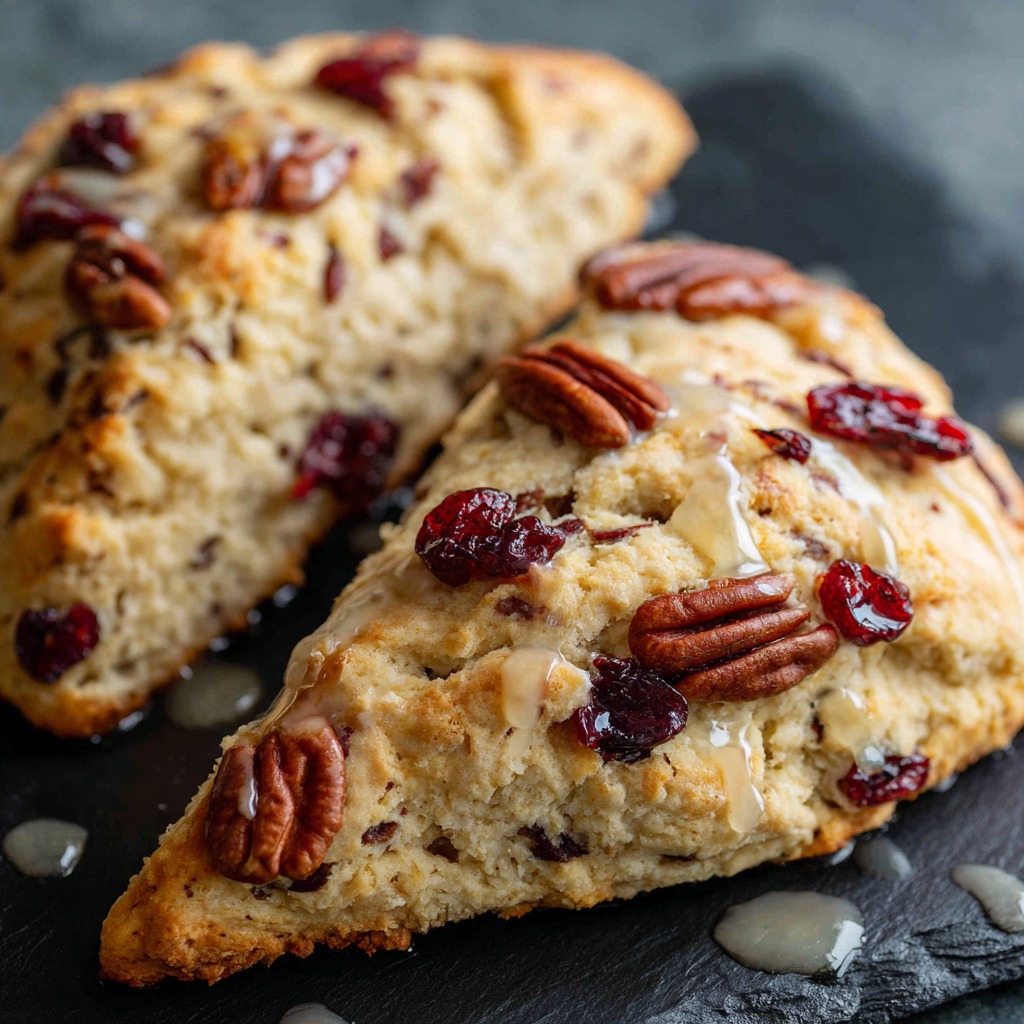
Panera Bread Scone Recipe (Copycat Cream Scones)
Ingredients
Equipment
Method
- Heat the oven to 400°F (204°C) with a rack in the middle. Line a light-colored baking sheet with parchment.
- Whisk the flour, sugar, baking powder and salt in a large bowl. If using citrus zest, rub it into the sugar first.
- Add the cold butter and cut it in with a pastry cutter or your fingertips until the largest pieces are about the size of peas.
- Stir the vanilla into the cream, pour most of it over the flour mixture and fold just until a shaggy dough forms. Add more cream a tablespoon at a time only if dry patches remain.
- Scatter your chosen flavor over the dough (save some cinnamon sugar for the tops) and fold once or twice to distribute.
- Turn the dough onto a lightly floured surface, press into a round about 3/4 inch thick, fold in half once, then press into a neat 7 to 8-inch round. Do not knead.
- Place the round on the baking sheet and refrigerate for 15 to 20 minutes.
- Cut into 8 wedges with straight, single cuts and space them about 2 inches apart. Brush the tops with cream and sprinkle with coarse sugar or the remaining cinnamon sugar.
- Bake for 18 to 22 minutes, until the tops are light golden and the sides are set. Add 1 to 2 minutes for frozen blueberries.
- Cool on a rack for 10 to 15 minutes. Whisk the glaze ingredients until smooth, drizzle over the warm scones and let set for 5 minutes before serving.
Notes
- Keep it cold: cold butter and cream, plus the chilling step, are what give tall, flaky scones.
- Do not overmix: stop as soon as the dough holds together; overworked dough bakes up dense.
- Make ahead: freeze unbaked wedges on a tray, then bag them for up to 2 months. Bake from frozen at 400°F, adding 2 to 4 minutes.
- Storage: keep baked scones airtight at room temperature for 1 to 2 days. Warm at 325°F for 5 to 7 minutes and glaze before serving.
- Do not eat raw dough: raw flour should always be baked before eating.
Panera Scone FAQs
Is this the official Panera Bread scone recipe?
No. Panera has not made its scone recipes public. This is a copycat-style cream scone designed to give a similar texture and flavor at home.
Which scones does Panera sell?
Over the years Panera has offered flavors such as cinnamon crunch, orange and blueberry, plus seasonal scones. The menu changes and varies by location, so check your local bakery café for what is available right now.
Why are there no eggs in this recipe?
Heavy cream provides enough fat and moisture to bind the dough on its own. Many cream scone recipes skip eggs for that reason, and it keeps the crumb soft and tender. Some richer copycat recipes do add eggs, which gives a more cake-like scone.
Can I make the dough in a food processor?
Yes, for the butter step. Pulse the dry ingredients with the cold butter until the pieces are pea-sized, then move it to a bowl and add the cream by hand. Mixing the cream in the processor makes it too easy to overwork the dough.
How do I know when scones are done?
The tops should be light golden, the edges set, and the sides should spring back when pressed gently. If you break one open, the center should look moist but not doughy.
Can I double the recipe?
Yes. Shape the dough into two rounds rather than one large one, and bake on two sheets, swapping their positions halfway through.