
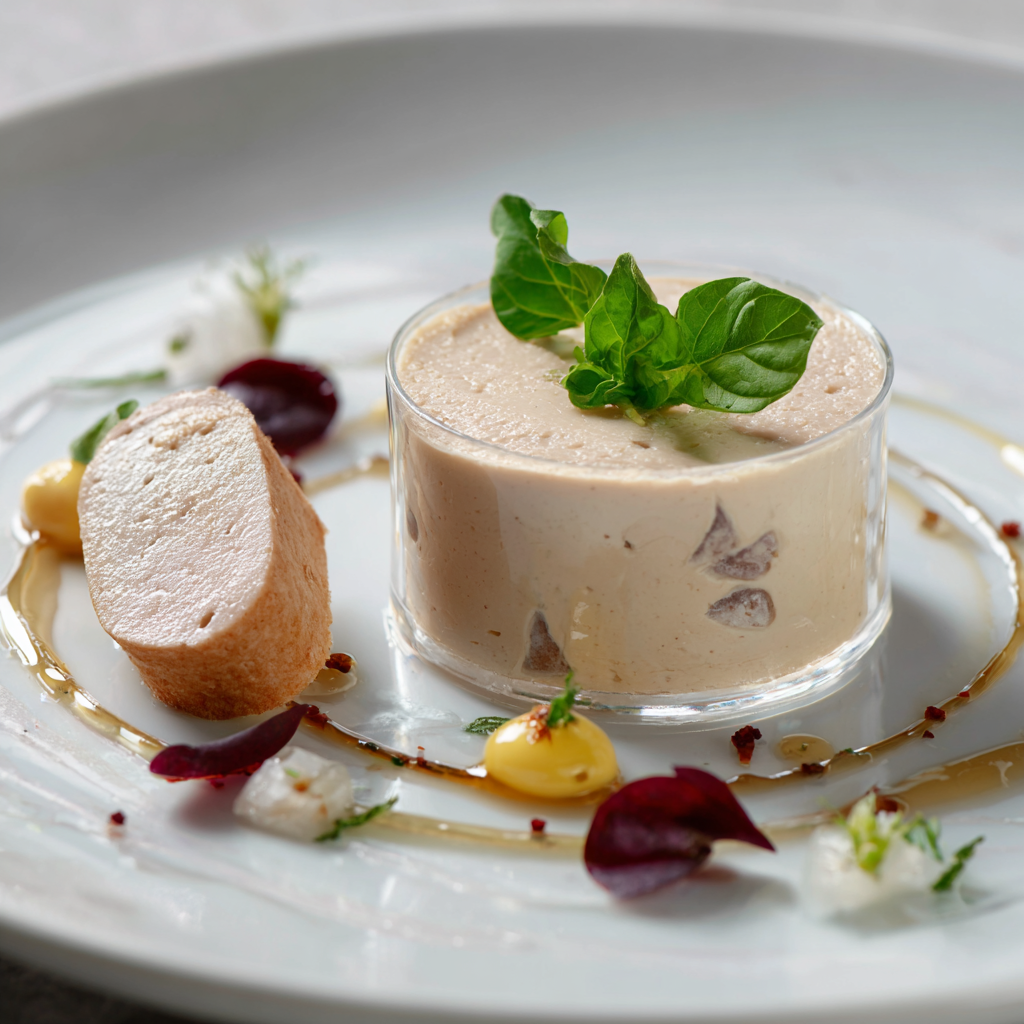
Foie Gras Mousse Recipe is a decadent, spreadable treat made with foie gras that is known for its rich and buttery flavor, along with its velvety texture. Unlike pate, which is truly foie gras in a jar and not light enough for entertaining guests at a dinner party, mousse is voluminous and smooth.
The differences between foie gras mousse, pâté, and terrine are texture- and preparation-based. Where pâté is coarse, and terrine is pushed into a loaf, mousse is whipped or puréed to an airy softness that makes it easier to spread or pipe into sophisticated presentations.
Readers have asked, why would anyone make foie gras mousse at home? Making mousse at home gives you control over ingredient quality, flavor balance, and makes for a truly artisanal dish. It’s ideal for special occasions, festive dinners, and also a nice gift.
Quote: “Foie gras mousse turns an ordinary appetizer into an extraordinary culinary experience.” – Chef Pierre Dubois
Ingredients Needed for Foie Gras Mousse
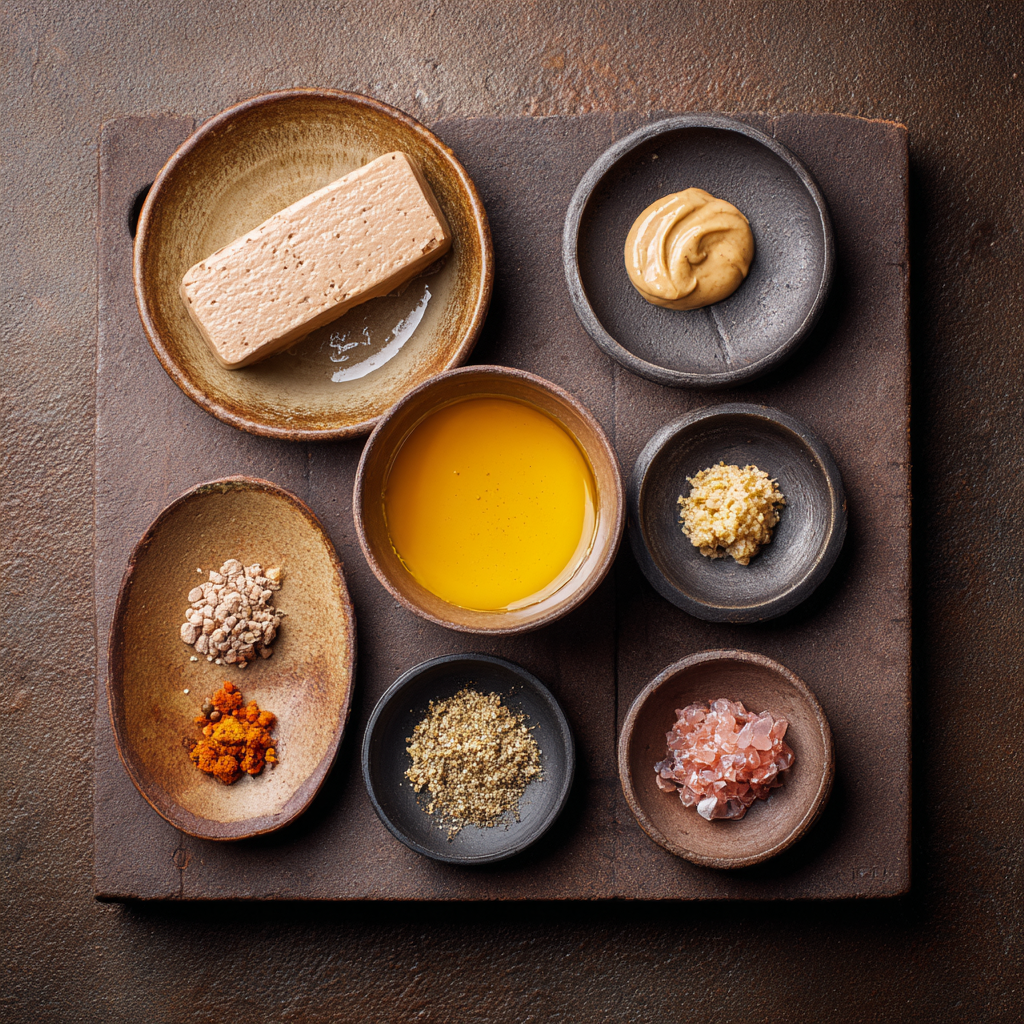
Making a perfect foie gras mousse recipe begins with high-quality ingredients. Here’s what you need:
| Ingredient | Purpose | Notes |
|---|---|---|
| Foie gras (duck or goose) | Main ingredient | Fresh or frozen, deveined |
| Heavy cream | Adds creaminess | Whipped lightly for smooth texture |
| Unsalted butter | Enhances richness | Optional, for ultra-smooth mousse |
| Salt and white pepper | Seasoning | Adjust to taste |
| Optional flavorings | Adds complexity | Cognac, Armagnac, port wine, truffle oil |
Tips for choosing foie gras:
- Look for Grade A for premium quality.
- Ensure it has a fresh, delicate aroma without metallic smells.
- Slice and handle gently; foie gras is delicate and sensitive to temperature.
Essential Tools for Making Foie Gras Mousse
The right tools help achieve a smooth and luxurious foie gras mousse recipe. Essential tools include:
- Food processor or high-powered blender: Provides a smooth, uniform texture.
- Fine mesh strainer (chinois): Filters any small veins or coarse bits for an ultra-smooth finish.
- Spatulas and bowls: Ensure easy mixing and scraping.
- Molds or ramekins: Shape the mousse for elegant presentation.
Pro Tip: Use chilled bowls and utensils to maintain the mousse’s consistency while blending.
Step-by-Step Foie Gras Mousse Recipe
Here’s a detailed guide to making foie gras mousse:
1. Preparing Foie Gras
- Trim away any veins and connective tissue.
- Keep foie gras chilled until ready to use.
- Slice into small chunks for easier blending.
2. Cooking the Foie Gras
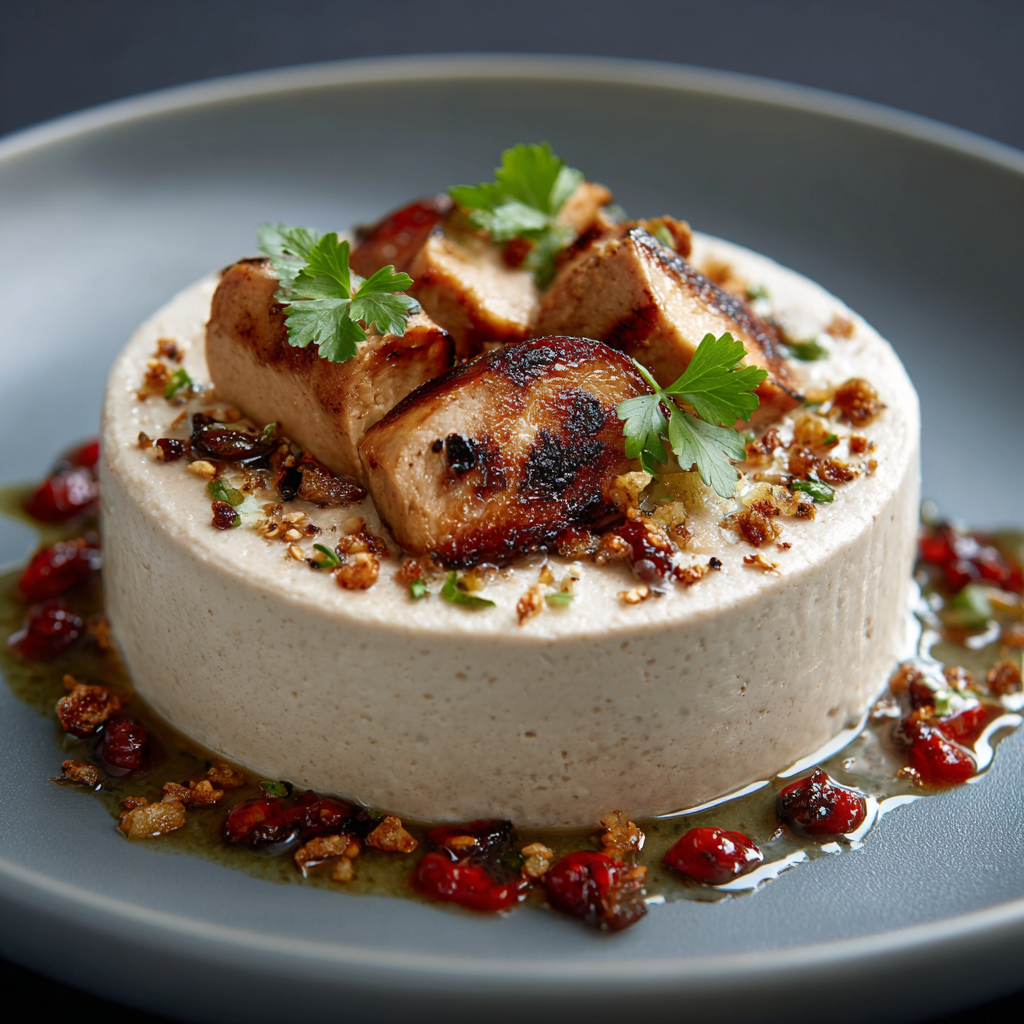
- Poach gently in water or lightly sear until soft.
- Avoid overcooking; the texture must remain creamy.
3. Blending with Cream and Flavorings
- Blend foie gras with cream, butter, and optional cognac.
- Add salt and white pepper gradually, tasting as you go.
4. Straining the Mousse
- Push the mixture through a fine mesh strainer for smoothness.
- This step ensures a buttery, luxurious texture.
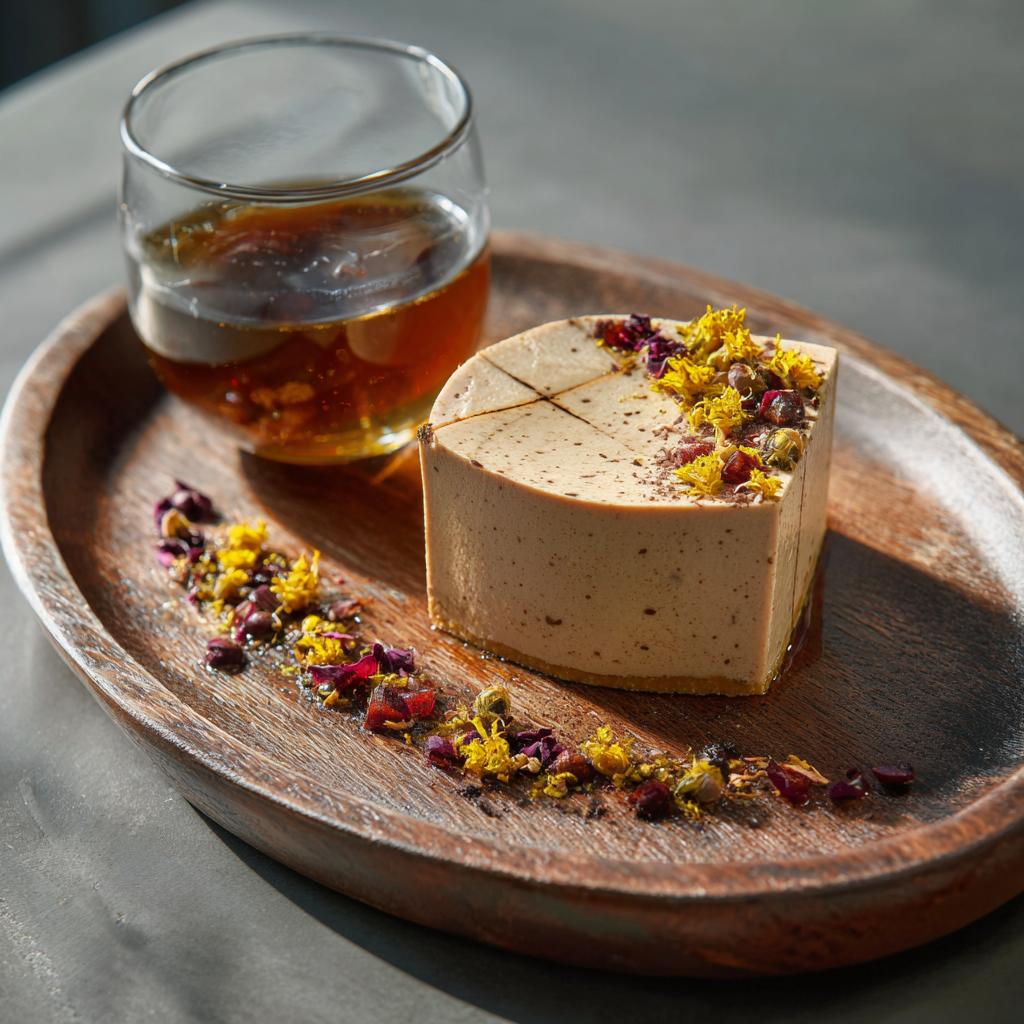
5. Setting the Mousse
- Transfer to molds or ramekins.
- Refrigerate for 4–6 hours or overnight for best results.
6. Serving
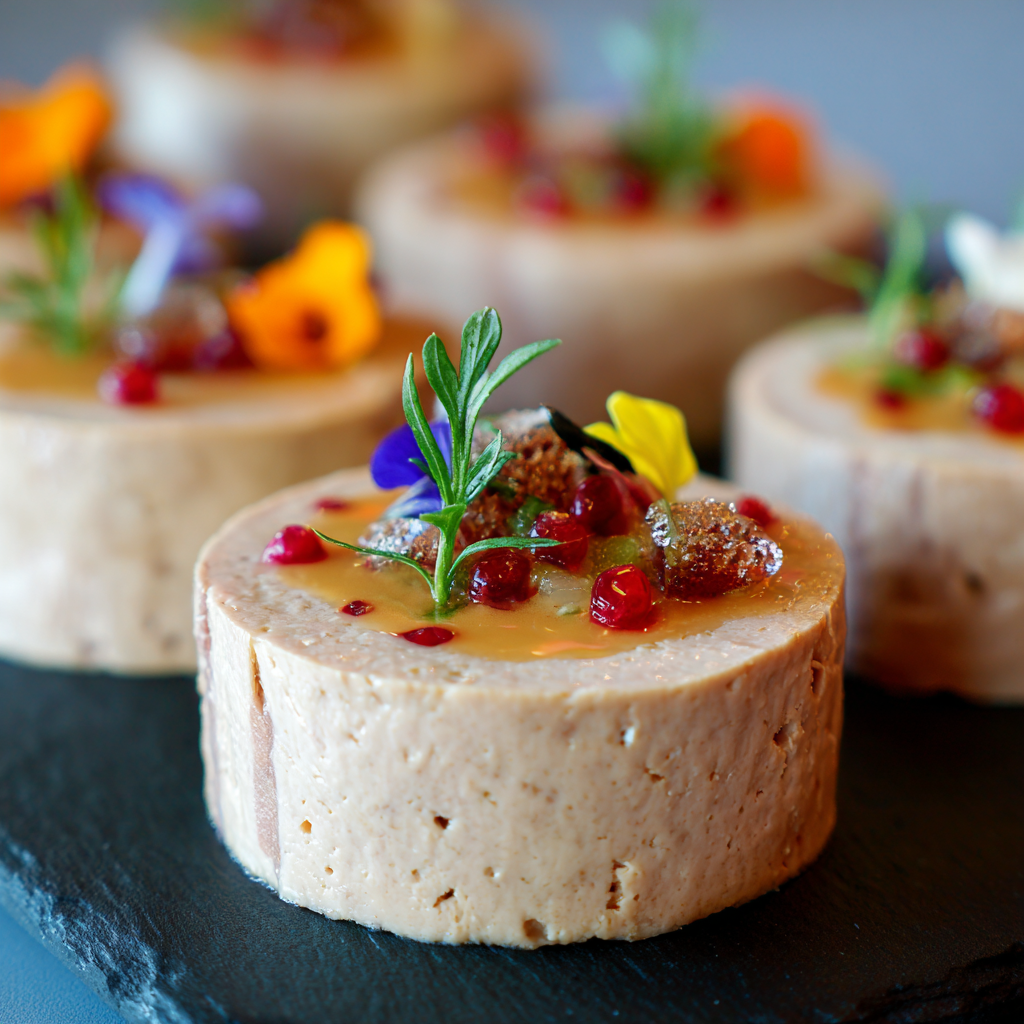
- Unmold the mousse or serve directly from ramekins.
- Allow to come to room temperature for 15–20 minutes before serving.
Tips for Making Perfect Foie Gras Mousse
- Always keep ingredients cold to prevent separation.
- Blend thoroughly for smooth, airy texture.
- Adjust alcohol and seasoning gradually to enhance, not overpower.
- Use a spatula to fold in cream gently if making whipped mousse.
Pro Tip: For ultra-smooth mousse, repeat straining twice.
Serving and Presentation Ideas
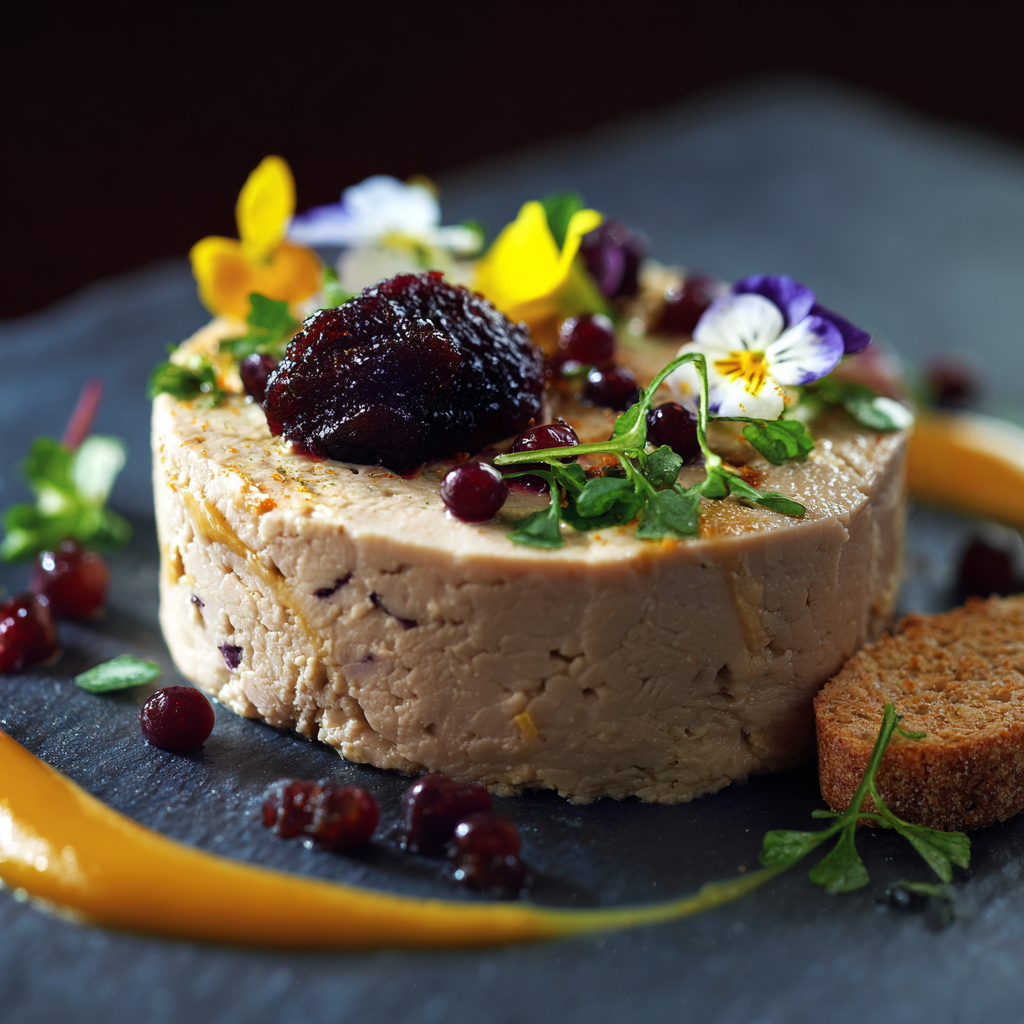
Foie gras mousse recipe is versatile and pairs beautifully with:
- Toasts and Brioche: Classic accompaniments.
- Fruit preserves or chutneys: Sweet contrast enhances richness.
- Wine pairings: Sauternes, Champagne, or Pinot Gris.
Garnishing ideas:
- Fresh herbs like chervil or thyme
- Thin truffle shavings
- Microgreens for color
Serving tip: Portion mousse into small jars or ramekins for appetizers.
Variations of Foie Gras Mousse
- Truffle Foie Gras Mousse: Blend with black truffle paste for an earthy aroma.
- Foie Gras Mousse with Fig or Apricot: Adds natural sweetness.
- Spiced Variations: Incorporate brandy, cognac, or pepper for warmth.
- Mini Mousse Jars: Perfect for gifting or party appetizers.
Case Study: A Michelin-starred chef served mini foie gras mousse jars with fig compote at a gala dinner, and guests reported it as “the most memorable appetizer of the evening.”
Storing and Preserving Foie Gras Mousse
- Refrigeration: Keep in airtight containers for 3–5 days.
- Freezing: Possible, but texture may slightly change; thaw slowly in fridge.
- Containers: Glass ramekins or vacuum-sealed jars maintain flavor and texture.
Tip: Label containers with date and ingredients for easy reference.
Common Mistakes to Avoid
- Overcooking foie gras → results in a grainy texture.
- Insufficient blending → leaves lumps.
- Using low-quality foie gras → diminishes flavor and smoothness.
- Serving cold mousse straight from fridge → masks aroma and flavor.
Final Thoughts
Churning out foie gras mousse at home can feel intimidating, but with some help from good ingredients, worthwhile tools, and a little patience, anyone is capable of whipping up a luxurious appetizer or hors d’oeuvre, restaurant- or bistro-quality.
Use different flavors or garnishes on your foie gras mousse recipe. Remember this: texture, freshness, and judicious seasoning are the secrets to a successful mousse.
Chef’s Quote: “Foie gras mousse is a canvas; creativity, precision, and love transform it into art.” – Chef Marcel Roux
By following this guide, you can confidently make foie gras mousse that will impress family, friends, or guests at any special occasion.
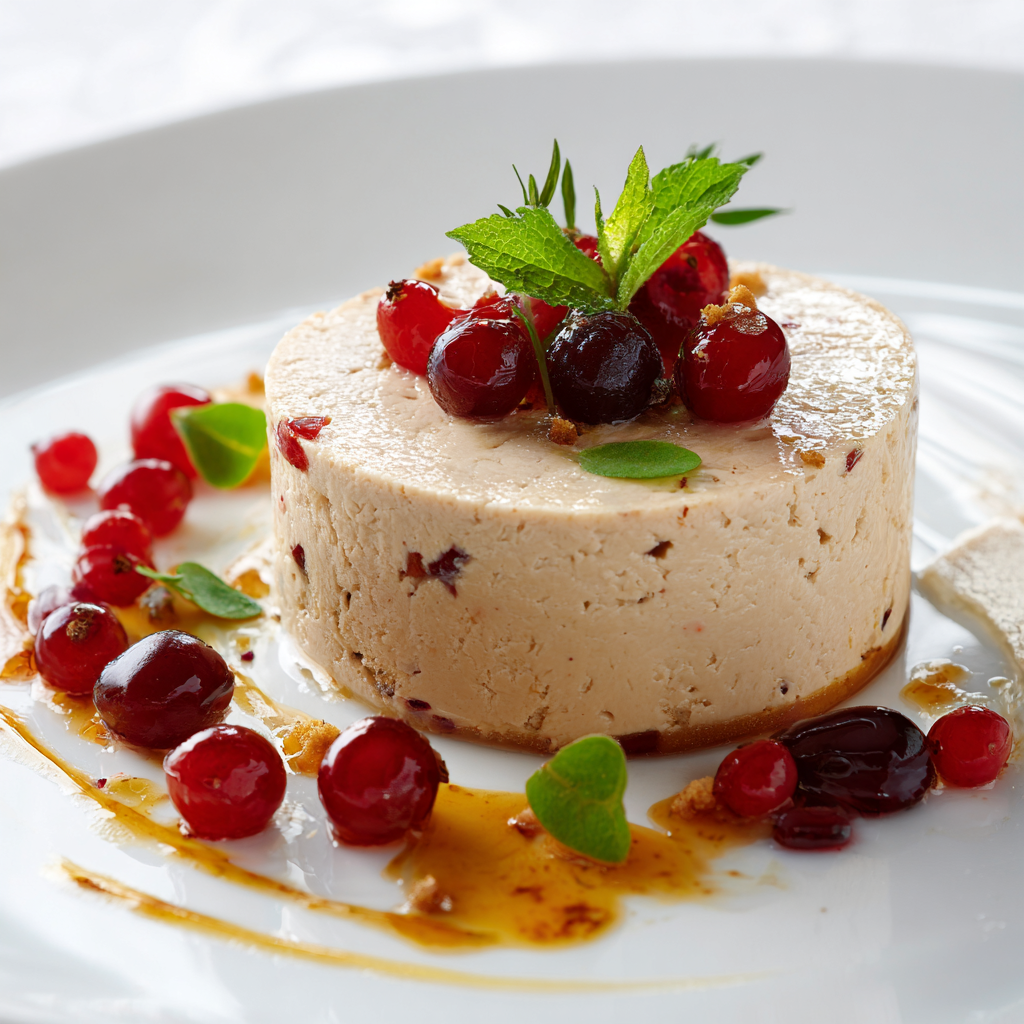
Foie Gras Mousse
Equipment
- Food processor or high-powered blender
- Fine mesh strainer or chinois
- Mixing bowls
- Spatula
- Ramekins or molds
- Knife for trimming and slicing foie gras
Ingredients
- 250 g fresh foie gras duck or goose, deveined
- 100 ml heavy cream
- 50 g unsalted butter optional for extra creaminess
- 1 tsp salt
- ½ tsp white pepper
- 1 –2 tsp cognac Armagnac, or port wine (optional)
- Optional garnishes: truffle shavings microgreens, fig or apricot jam
Instructions
- Prepare the foie gras: Trim away veins and connective tissue. Slice into small chunks and keep chilled.
- Cook foie gras: Lightly sear or poach until soft but not fully melted. Remove from heat and let cool slightly.
- Blend mousse: In a food processor or blender, combine foie gras, cream, butter, salt, and pepper. Blend until smooth and airy. Add cognac or optional flavorings gradually.
- Strain mixture: Push mousse through a fine mesh strainer or chinois for an ultra-smooth texture.
- Set mousse: Transfer mousse to ramekins or molds and smooth the surface. Refrigerate for 4–6 hours or overnight to firm up.
- Serve: Allow to sit at room temperature for 15–20 minutes before serving. Serve with toasted brioche, crackers, or fruit preserves.
Notes
- Storage: Keep refrigerated in airtight containers for 3–5 days. Can be frozen for longer storage but may slightly alter texture.
- Texture tip: For an extra silky mousse, strain twice and fold cream gently.
- Variations: Add truffle paste, figs, apricot, or spices to customize flavor.
- Serving suggestion: Pair with Sauternes, Champagne, or a light white wine for the perfect gourmet experience.
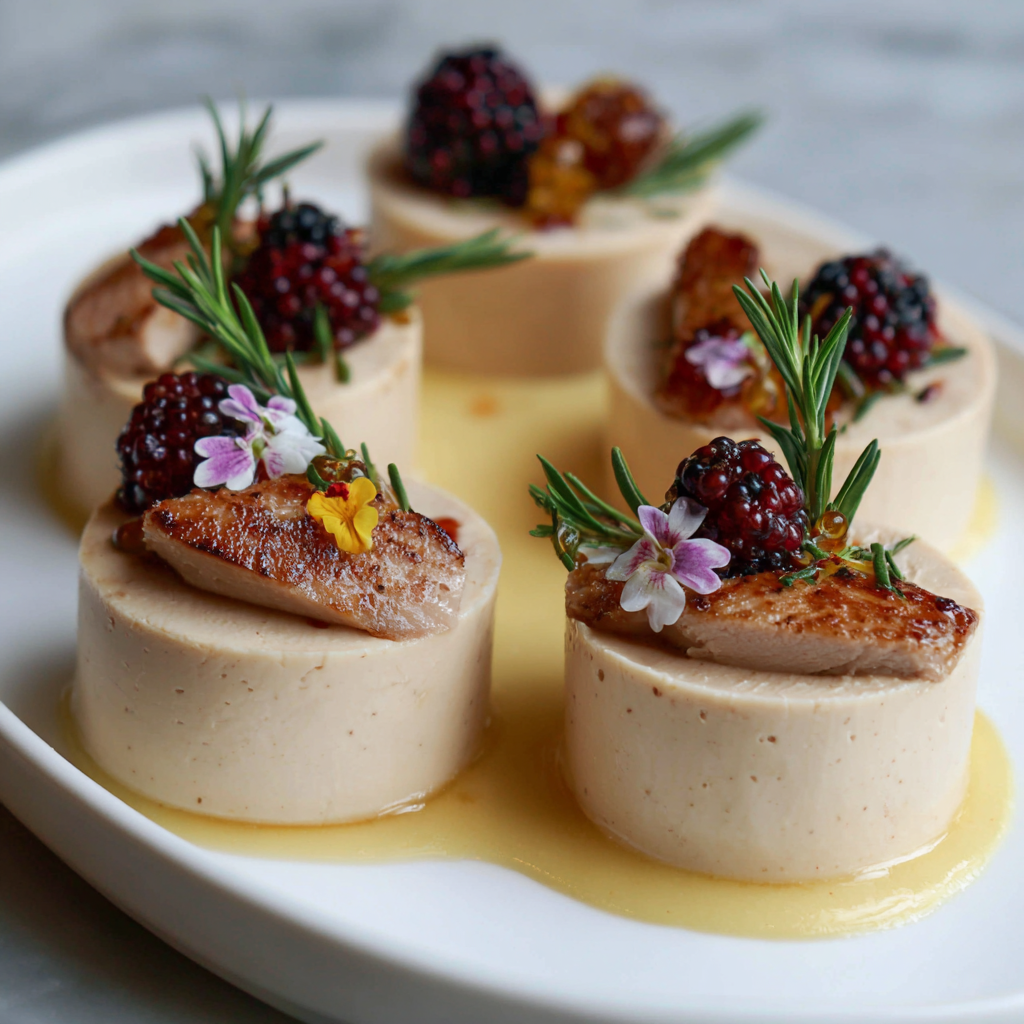
Share Your Twist! 🍴
Have you tried this foie gras mousse recipe with your own creative twist? We’d love to see your variations, flavor ideas, or serving tips. Share your experience in the comments below!”
Frequently Asked Questions (FAQs)
How do I make foie gras mousse at home?
To make foie gras mousse at home, trim and devein 250g of fresh foie gras, blend it with cream, butter, and seasoning, strain for smoothness, and chill in ramekins for 4–6 hours.
Can I make foie gras mousse without alcohol?
Yes, you can skip alcohol and use extra cream or a mild stock for flavor. The mousse will still be creamy and luxurious, though slightly lighter in taste.
How long does foie gras mousse last?
Homemade foie gras mousse can be stored in airtight containers in the fridge for 3–5 days. It can also be frozen for longer storage, but thaw slowly in the fridge to maintain texture.
What is the difference between foie gras mousse and pâté?
Foie gras mousse is lighter, smoother, and airy, often whipped or blended. Pâté is denser, coarser, and typically pressed into a loaf.
Can I add truffles or fruit to foie gras mousse?
Absolutely! Truffles, figs, apricots, or spices can be added to enhance flavor. Fold them gently into the mousse before chilling.

GOOOD