
The Lactation Tea Recipe is a natural solution that can help new mothers look for ways to support and increase breast milk production. Such teas are formulated with different kinds of herbs (known as galactagogues) to help nourish the mother, along with their little ones, and boost lactation. That being said, many new moms discover that adding a specially designed lactation tea recipe into their daily routine is both physically and emotionally soothing during the postpartum period.
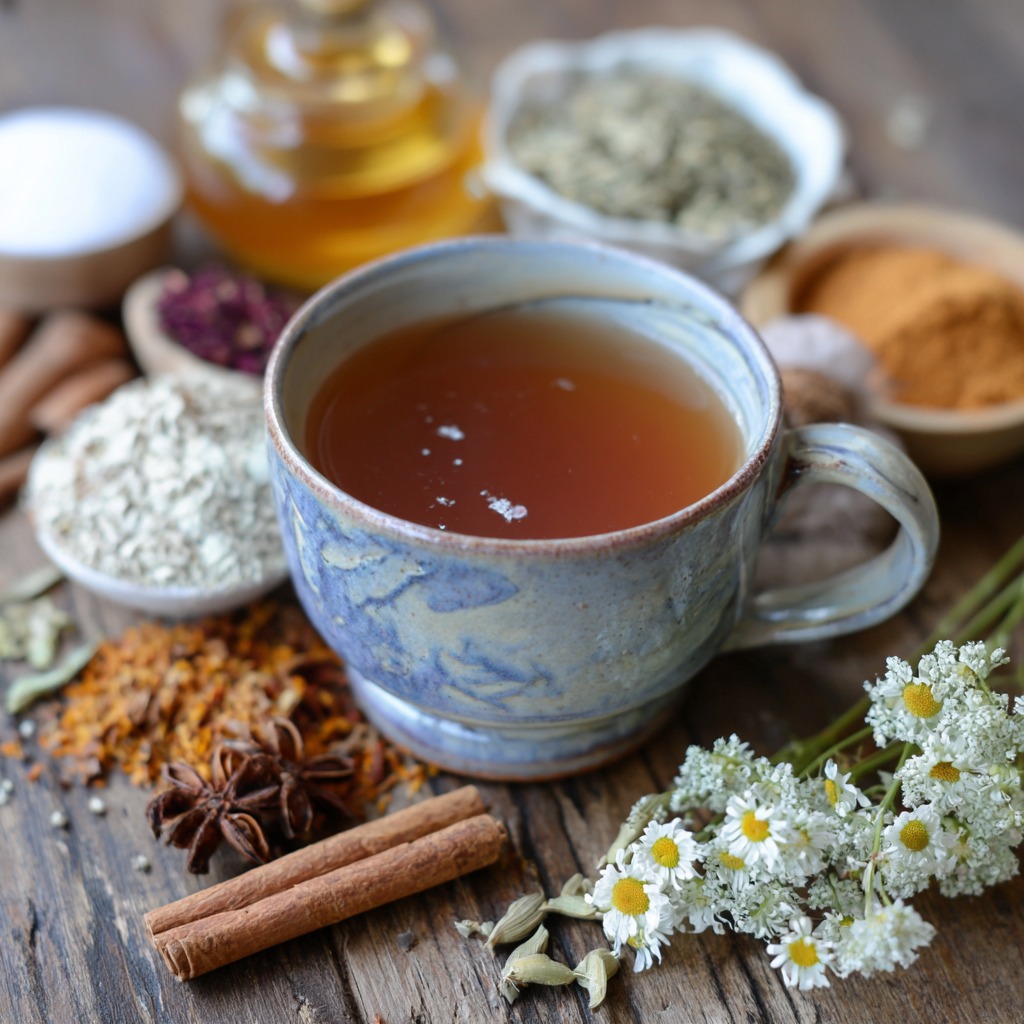
A classic lactation tea recipe would include things like fennel seeds, fenugreek, and blessed thistle, all popular galactagogues that can help nursing moms with their milk production. Additional calming herbs sometimes contained are chamomile or peppermint for relaxation as well. When brewed, these herbs share their goodness with the tea and turn it into a nourishing drink that helps your body support lactation.
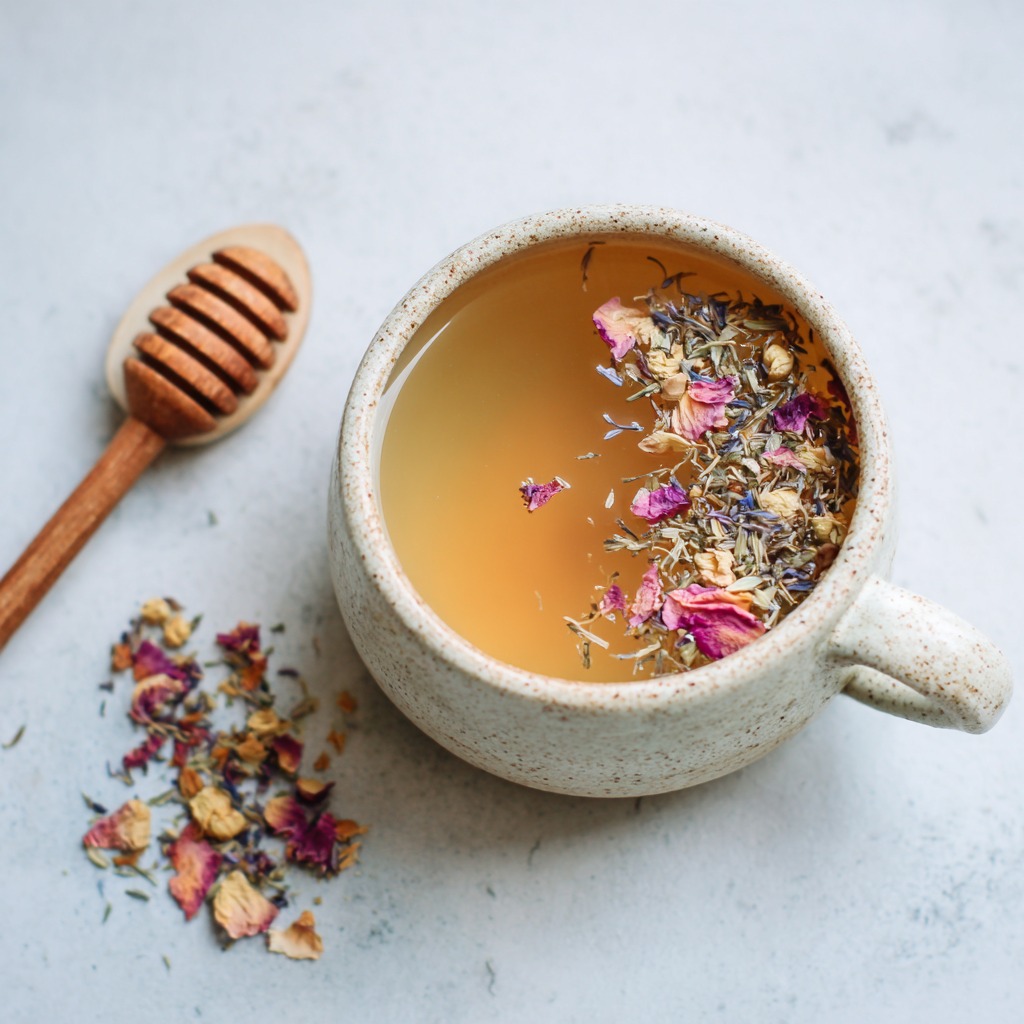
In addition to the nutritional and lactation benefits, sipping on a cup of a homemade lactation tea recipe can be mindful for new mothers. It promotes a habit of drinking water, gives you structure, and also serves to take care of yourself for five minutes (in the middle of chaotic life with a newborn). Lactation tea can be enjoyed alone or with family, but it is comforting in more ways than one, providing both practical benefits and emotional comfort during a time of difficulty during postpartum wellness.
Table Of Contents
- What Is Lactation Tea?
- Benefits of Drinking Lactation Tea
- Key Ingredients for a Lactation Tea Recipe
- How to Make a Lactation Tea Recipe at Home
- How Often Should You Drink Lactation Tea?
- Precautions and Side Effects
- Variations of Lactation Tea Recipes
- Additional Tips for Increasing Milk Supply Naturally
- Where to Buy Lactation Tea Ingredients or Ready-Made Tea
- Conclusion
- Share Your Twist!
- Frequently Asked Questions (FAQs)
What Is Lactation Tea?
Lactation tea is a herbal drink aimed to support the mother in their natural lactation process by promoting milk supply. Formulated with galactagogue herbs like fenugreek, fennel, and blessed thistle, or other natural ingredients. A lactation tea recipe is intended to help with breastfeeding gently and for the best of the mother’s well-being.
These plants have long been used in herbal medicine to stimulate milk supply, aid postpartum pain, and help healthy digestion. Newer research indicates that with the use of fenugreek, many mothers may have an increase in milk volume. In a study in the alternative and complementary medicine journal, fenugreek supplementation increased milk production within one week after giving birth in over 70% of nursing mothers.
Lactation tea is not only a milk booster. Promotes hydration, initiates a calming routine for mothers, and has also been proven to treat postpartum stressor fatigue. This prep-lactation tea could gradually turn into an important part of your healthy breastfeeding journey with proper use.
Benefits of Drinking Lactation Tea
Drinking a lactation tea recipe offers numerous benefits beyond milk production. Some of the most important include:
- Increased Milk Supply: Natural galactagogues like fenugreek and blessed thistle can help stimulate breast milk production.
- Postpartum Recovery: Herbs such as chamomile can reduce inflammation and promote relaxation.
- Digestive Support: Fennel and ginger help ease bloating and support healthy digestion.
- Hydration: Tea encourages fluid intake, which is essential for milk production.
- Stress Relief: Sipping a warm cup of herbal tea provides a calming ritual in a hectic postpartum period.
Table: Key Benefits of Common Lactation Tea Ingredients
| Ingredient | Main Benefit | Additional Notes |
|---|---|---|
| Fenugreek Seeds | Increases milk supply | May alter scent of milk temporarily |
| Fennel Seeds | Digestion + lactation support | Gentle, soothing flavor |
| Blessed Thistle | Milk production stimulant | Often combined with fenugreek |
| Chamomile | Calming + anti-inflammatory | Helps with sleep for mother and baby |
| Peppermint | Digestive aid, flavor enhancer | Use sparingly, may reduce milk slightly |
Quote: “Herbal lactation teas can be a simple, natural way to support breastfeeding, but they work best alongside proper hydration, nutrition, and frequent feeding.” – Lactation Consultant, Anna Morales
Key Ingredients for a Lactation Tea Recipe
A successful lactation tea recipe relies on the synergy of multiple herbs:
Fenugreek Seeds
Fenugreek has been the most studied herb to increase milk production. Phytoestrogens may duplicate estrogen and raise the milk volume, also. Research shows that taking 1-2 teaspoons of fenugreek seeds every day increases breast milk production by a lot.
Fennel Seeds
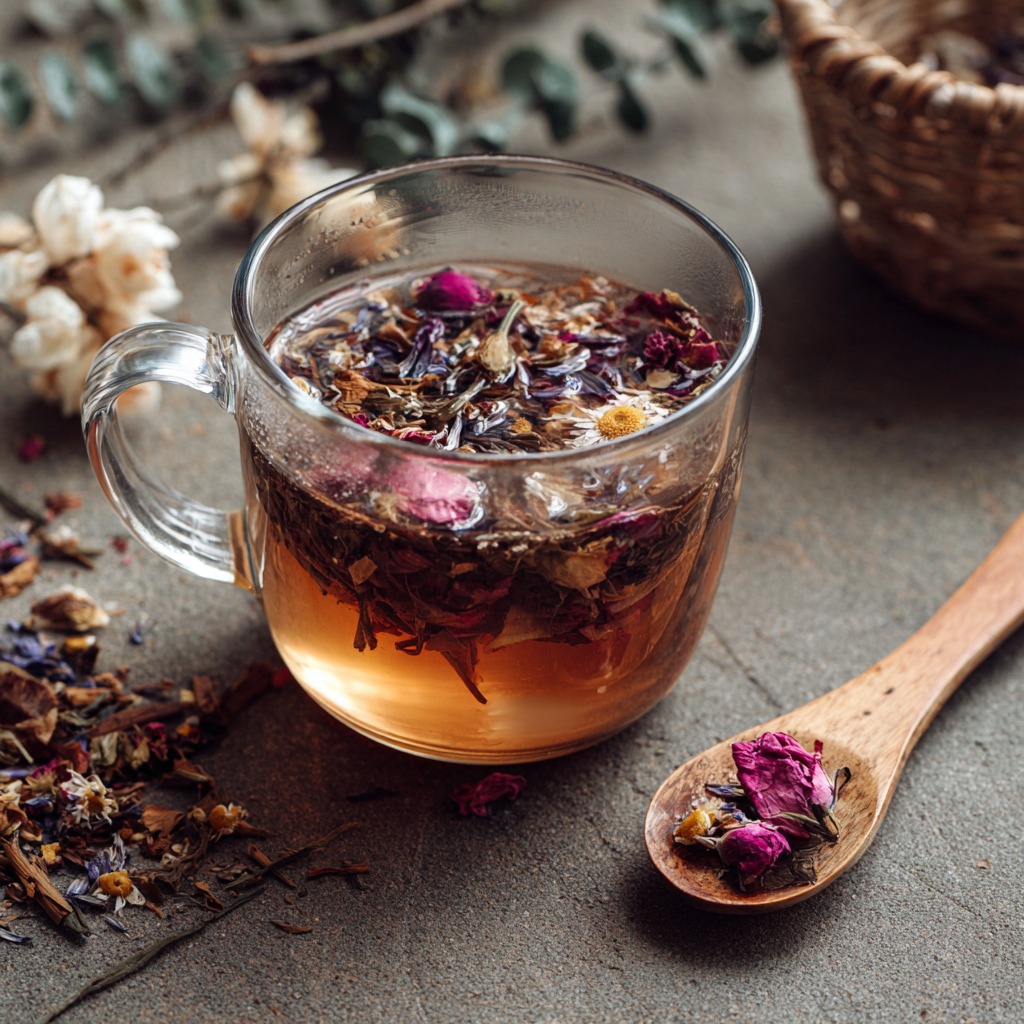
Fennel supports both milk supply and digestion. Its mild licorice flavor makes it pleasant for tea blends, while also easing postpartum bloating and gas.
Blessed Thistle
Often used with fenugreek, blessed thistle has traditional galactagogue properties. It can help maintain milk supply and improve digestion.
Optional Herbs
- Chamomile – calms nerves, improves sleep
- Peppermint – flavor enhancement (note: may reduce milk if overused)
- Ginger – anti-inflammatory, supports digestion
Tip: Always choose organic herbs when possible to reduce exposure to pesticides and contaminants.
How to Make a Lactation Tea Recipe at Home
Creating a lactation tea recipe is simple, cost-effective, and highly customizable.
Ingredients for 1 Cup:
- 1 teaspoon fenugreek seeds
- 1 teaspoon fennel seeds
- Optional: ½ teaspoon chamomile or peppermint
- 1 teaspoon blessed thistle
Instructions:
- Crush the seeds lightly to release essential oils.
- Boil 1 cup of water.
- Add crushed seeds and optional herbs to boiling water.
- Simmer for 5–10 minutes.
- Strain into a cup and add honey or lemon if desired.
Tips:
- Brew 2–3 cups daily for best results.
- Store loose tea in an airtight container.
- Experiment with flavors, but avoid excessive peppermint.
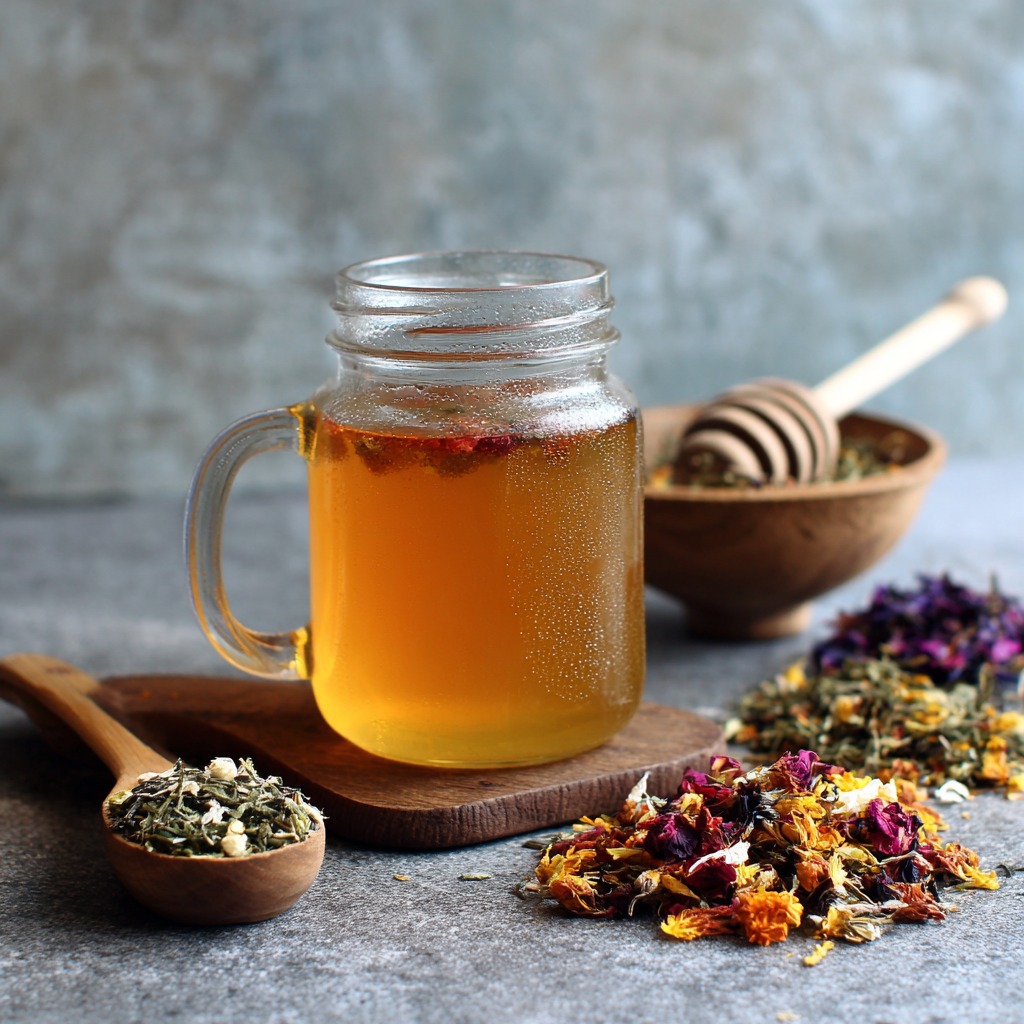
Pro Tip: Preparing lactation tea in bulk and refrigerating allows for iced herbal tea versions, perfect for warmer months.
How Often Should You Drink Lactation Tea?
Frequency matters to see the benefits of a lactation tea recipe.
- Recommended: 2–3 cups per day
- Best times: morning after waking, mid-afternoon, and before bedtime
- Signs of effectiveness: increased milk flow, longer feeding sessions, or fuller breasts
Consistency is key. Some mothers notice changes within 3–5 days, while for others, it may take 1–2 weeks.
Precautions and Side Effects
While lactation tea recipes are generally safe, precautions are essential:
- Allergic reactions: Rare, but possible with fenugreek or chamomile
- Medication interactions: Fenugreek can affect blood sugar and anticoagulants
- Overconsumption: Excessive herbal intake can cause mild digestive discomfort
- Medical consultation: Always consult a lactation consultant or doctor if unsure
Secondary Keyword: “lactation tea safety” – keep it in mind for internal linking
Variations of Lactation Tea Recipes
Mothers may want to experiment:
- Caffeine-Free Options: Chamomile or rooibos base
- Flavored Herbal Blends: Lemon balm, ginger, or cinnamon
- Tea Bag vs. Loose Leaf: Prepackaged vs. homemade blends
- Iced Lactation Tea: Brew double-strength tea, refrigerate, and serve cold with lemon
Additional Tips for Increasing Milk Supply Naturally
- Stay hydrated – water is essential for milk production
- Eat galactagogue foods – oats, almonds, leafy greens
- Nurse or pump frequently – stimulation increases supply
- Reduce stress and ensure adequate rest
Table: Natural Galactagogue Foods
| Food | Benefit |
|---|---|
| Oats | Rich in iron, boosts supply |
| Almonds | Healthy fats, milk support |
| Spinach & Kale | Nutrients for lactation |
| Garlic | May increase milk production |
Where to Buy Lactation Tea Ingredients or Ready-Made Tea
- Online Stores: Amazon, iHerb, Mountain Rose Herbs
- Local Herbal Shops: Look for organic, fresh ingredients
- Quality Tips: Check expiration, packaging, and certifications

Lactation Tea Recipe
Equipment
- Small saucepan or pot
- Measuring spoons
- Tea strainer or fine mesh sieve
- Cup or teapot
- Spoon for stirring
Ingredients
- 1 teaspoon fenugreek seeds
- 1 teaspoon fennel seeds
- 1 teaspoon blessed thistle
- Optional: ½ teaspoon chamomile or peppermint
- Honey or lemon optional, for taste
- 1 cup water
Instructions
- Lightly crush the seeds to release their essential oils.
- Boil 1 cup of water in a saucepan.
- Add the crushed seeds and optional herbs to the boiling water.
- Simmer for 5–10 minutes, stirring occasionally.
- Strain the tea into a cup.
- Add honey or lemon if desired.
- Enjoy warm, 2–3 times daily for best results.

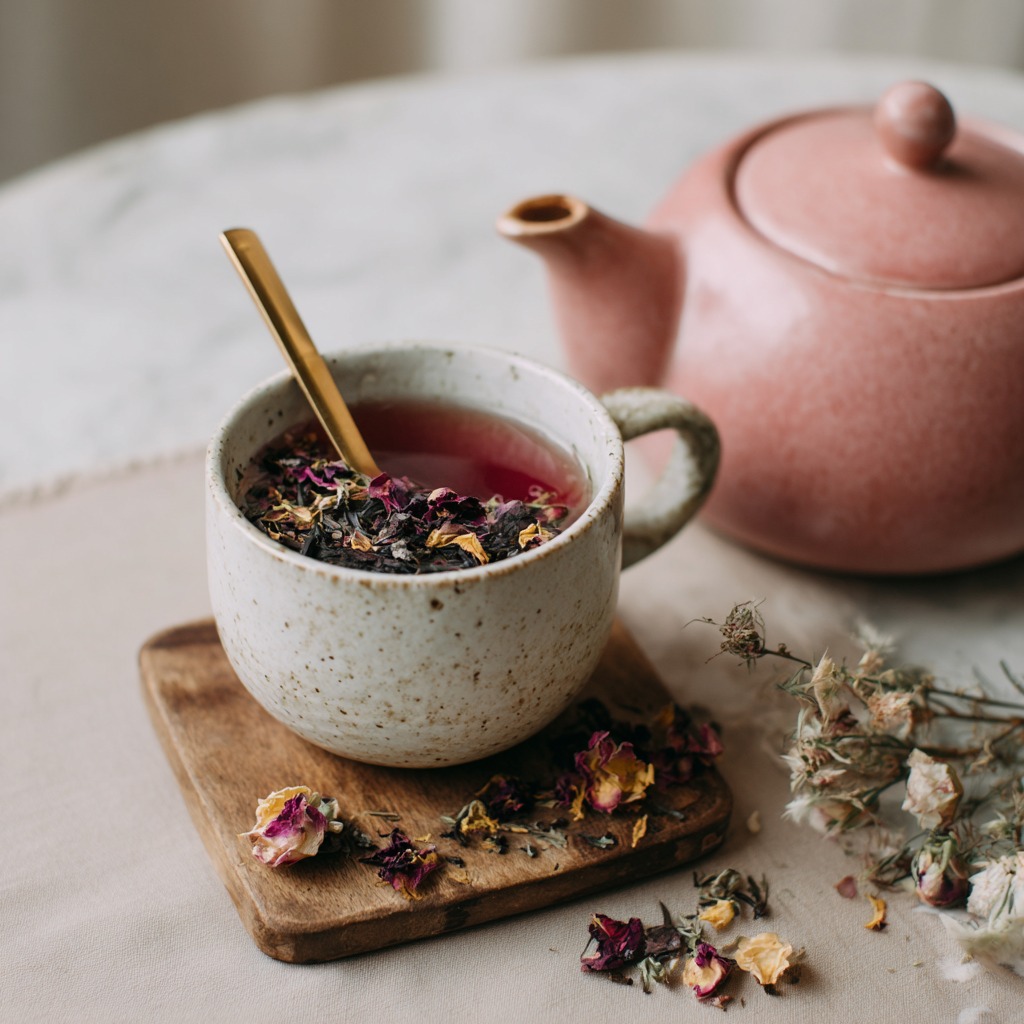
Notes
- Storage: Loose tea can be stored in an airtight container for up to 1 month.
- Variations: Try adding ginger, cinnamon, or lemon balm for flavor.
- Cautions: Avoid excessive peppermint if trying to increase milk supply, and consult a healthcare professional if pregnant or taking medication.
- Tip: Drinking consistently after feeding sessions may help maximize milk production.
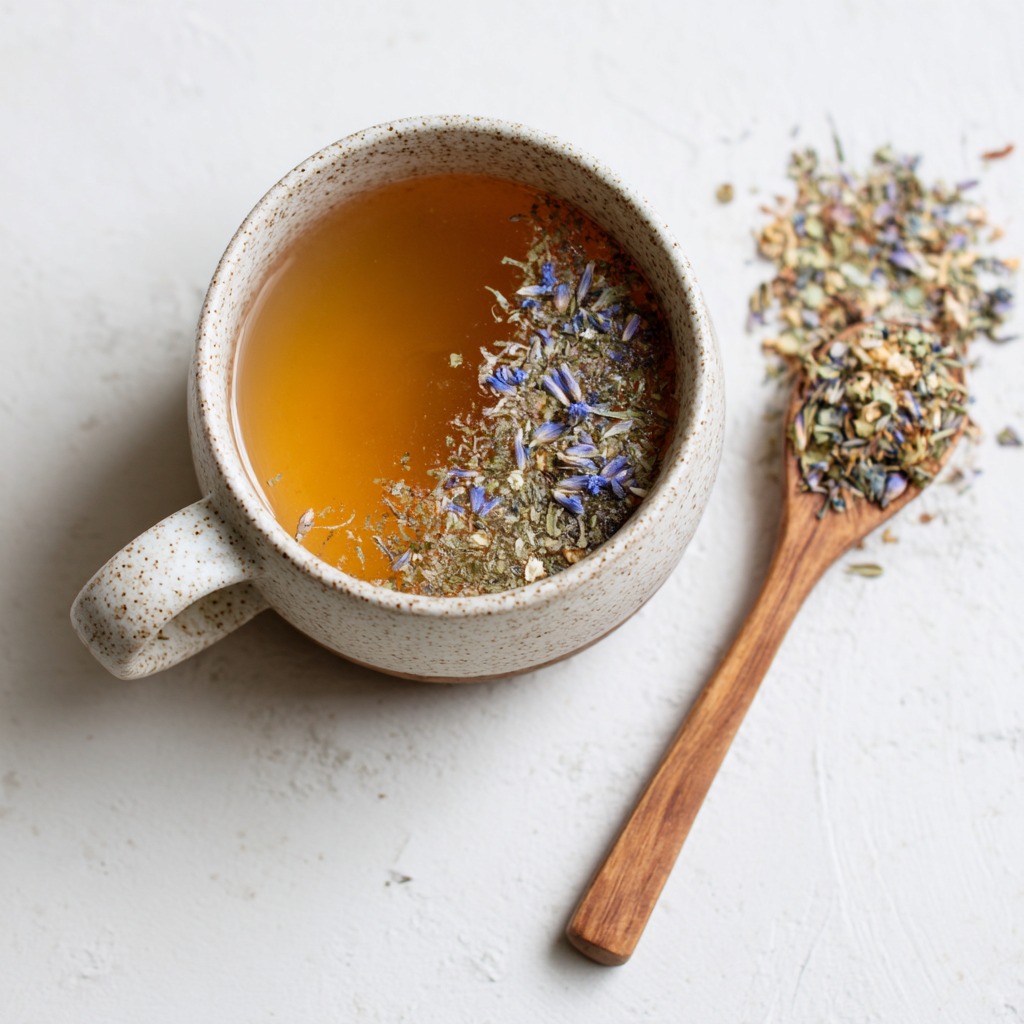
Conclusion
A good lactation tea recipe is a natural, safe, and effective way to support breastfeeding mothers. Thanks to herbs like fenugreek, fennel, and blessed thistle, combined, mothers can have more milk or improve digestion, all while getting a nice, relaxing self-care ritual in. Always make sure to adhere to the recommended servings, talk it over with your healthcare providers, and try other variations as well if you want, until one becomes a perfect combo!
Take away: A herbal tea for breast milk production is not just an increase in your milk supply, it’s also probably the best way both mummy and baby will be nursed at home – without nasty side effects in their life (or yours).
Share Your Twist!
Let us know how you personalize your lactation tea recipe! Are you adding a special herb, a bit of lemon here and there, or sweetening? Leave a comment with your twist and send fellow mamas on the breastfeeding circuit!
Frequently Asked Questions (FAQs)
Does lactation tea really work?
Yes, for many mothers, herbs like fenugreek have been shown to increase milk supply naturally. Results vary individually.
Can non-lactating people drink it?
Generally safe, but benefits are primarily for lactating mothers.
How long before results appear?
Some see results in a few days, others in 1–2 weeks. Consistency matters.
Can I combine lactation tea with supplements?
Yes, but consult a doctor or lactation consultant to ensure safety.
Is it safe during pregnancy?
Some ingredients, like fenugreek, may induce contractions; avoid until after birth.

This lactation tea recipe is a simple, natural way for nursing moms to boost milk supply while enjoying a calming, soothing drink. Perfect for daily postpartum self-care!