There has been a surge of interest in High Fiber Vegetarian Meals dinners over the last few years. As more and more people are realizing how a healthy plant-based diet ensures they feel full, energized, and nourished throughout the day.
Yet, a majority of us know the importance of fiber and still struggle to meet its recommended amount. Nutritionists actually call it one of the most under-eaten nutrients in modern diets.
High-fibre vegetarian meals are much simpler to help you achieve your daily fibre goals. As plant foods are naturally high in fibre, vegetarian diets offer countless opportunities for increasing our intake while enjoying tasty and healthy food choices!
This complete guide will help show you exactly how to create satiating high-fibre vegetarian meals every day, whether your aim is weight loss or better digestion, heart health, or just healthier eating in general.
What Are High Fiber Vegetarian Meals?
High fiber vegetarian meals are meals that contain significant amounts of dietary fiber while excluding meat, poultry, and seafood.
Typically, these meals include a combination of:
- Beans and legumes
- Whole grains
- Vegetables
- Fruits
- Nuts
- Seeds
- Plant-based proteins
The primary goal of high fiber vegetarian meals is to provide abundant nutrients while supporting digestive health and overall wellness.
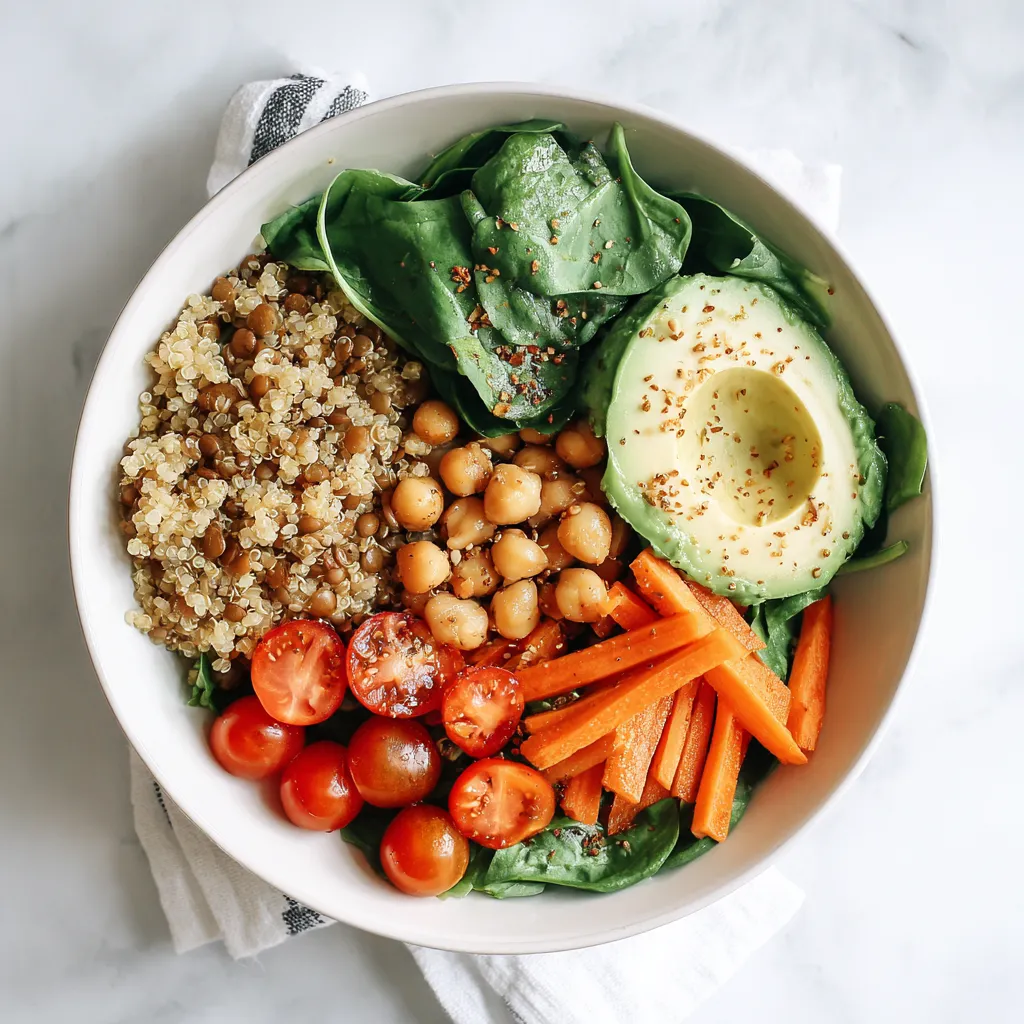
A well-balanced high fiber vegetarian meal often contains:
| Component | Examples |
|---|---|
| Fiber-rich protein | Lentils, chickpeas, black beans |
| Whole grains | Quinoa, oats, brown rice |
| Vegetables | Broccoli, spinach, carrots |
| Healthy fats | Avocados, nuts, seeds |
| Fruits | Berries, apples, pears |
When combined properly, these ingredients create meals that are nutritious, filling, and satisfying.
Understanding Dietary Fiber in High Fiber Vegetarian Meals
Dietary fiber is a class of carbohydrate unique to plant foods. Unlike other carbohydrates, fibre cannot be fully digested by our bodies.
However, fibre passes through the digestive system and performs a multitude of necessary duties along its journey.
Why Fiber Matters
Fiber helps:
- Improve digestion
- Promote regular bowel movements
- Support gut bacteria
- Control appetite
- Stabilize blood sugar
- Lower cholesterol levels
- Support heart health
As a result, high fiber vegetarian meals can contribute significantly to long-term health.
Soluble vs. Insoluble Fiber in High Fiber Vegetarian Meals
Understanding the two main types of fiber can help you create more effective high fiber vegetarian meals.
Soluble Fiber
Soluble fiber dissolves in water and forms a gel-like substance during digestion.
Benefits of Soluble Fiber
- Helps lower cholesterol
- Slows digestion
- Improves blood sugar control
- Promotes fullness
Sources of Soluble Fiber
- Oats
- Beans
- Lentils
- Apples
- Pears
- Chia seeds
- Flaxseeds
Insoluble Fiber
Insoluble fiber does not dissolve in water.
Instead, it adds bulk to stool and helps food move efficiently through the digestive tract.
Benefits of Insoluble Fiber
- Promotes regularity
- Prevents constipation
- Supports colon health
- Enhances digestion
Sources of Insoluble Fiber
- Whole wheat
- Brown rice
- Vegetables
- Nuts
- Seeds
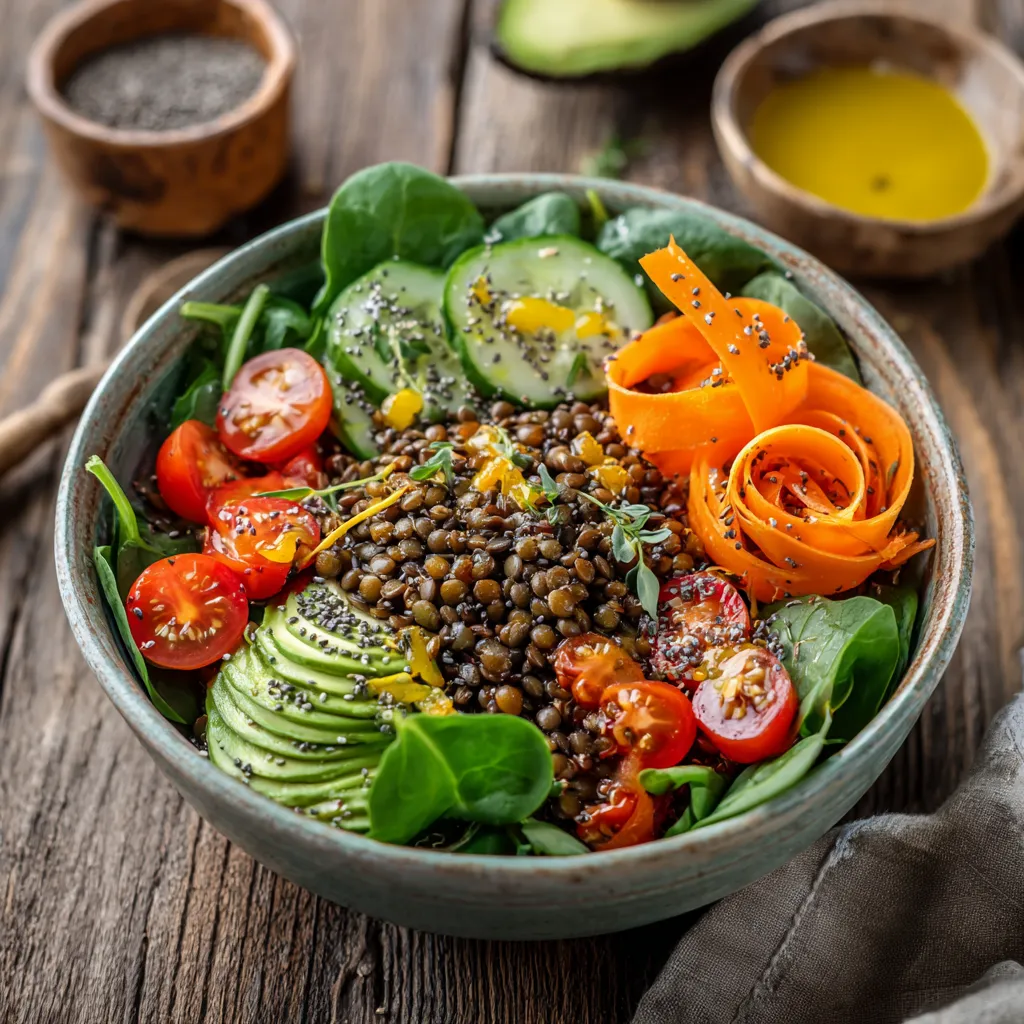
The best high fiber vegetarian meals include both soluble and insoluble fiber sources.
How Much Fiber Do You Need Daily?
Many people are surprised to learn how much fiber experts actually recommend.
| Group | Recommended Fiber Intake |
|---|---|
| Women under 50 | 25 grams daily |
| Women over 50 | 21 grams daily |
| Men under 50 | 38 grams daily |
| Men over 50 | 30 grams daily |
Unfortunately, the average person consumes only about half of these recommendations.
This gap is one reason why high fiber vegetarian meals have become increasingly popular among health-conscious individuals.
Why Most People Don’t Get Enough Fiber
Several modern eating habits contribute to low fiber intake.
Highly Processed Foods
Many processed foods have most of their fiber removed during manufacturing.
Examples include:
- White bread
- White rice
- Sugary cereals
- Snack foods
- Fast food
Low Vegetable Consumption
Many individuals fail to consume the recommended servings of vegetables each day.
As a result, their fiber intake remains low.
Inadequate Whole Grain Intake
Refined grains dominate many diets.
Unfortunately, refining removes much of the grain’s natural fiber.
Benefits of High Fiber Vegetarian Meals
The popularity of high fiber vegetarian meals is not just a trend.
Scientific research consistently shows substantial health benefits associated with increased fiber consumption.
High Fiber Vegetarian Meals Improve Digestive Health
One of the most recognized benefits is improved digestive function.
Fiber acts like a natural broom for the digestive system.
Benefits include:
- Better bowel regularity
- Reduced constipation
- Healthier gut microbiome
- Improved nutrient absorption
Case Study Example
A person who increases fiber intake from 15 grams to 30 grams daily often reports:
- More regular digestion
- Less bloating
- Improved energy levels
- Better appetite control
High Fiber Vegetarian Meals Support Weight Loss
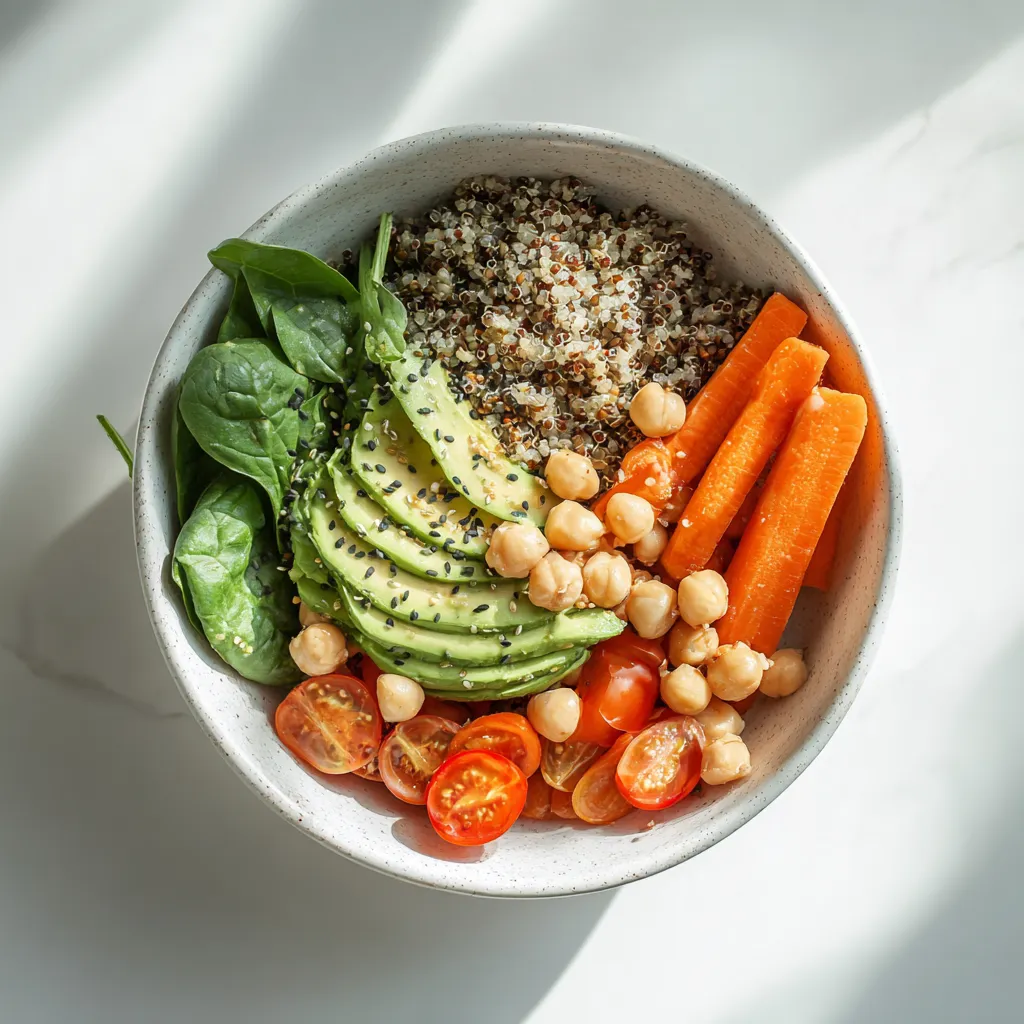
Many people choose high fiber vegetarian meals because they naturally support healthy weight management.
Fiber-rich foods tend to be:
- Lower in calories
- More filling
- Slower to digest
Consequently, people often consume fewer calories without feeling deprived.
Why Fiber Helps Weight Loss
Fiber:
- Slows stomach emptying
- Increases satiety
- Reduces hunger hormones
- Helps prevent overeating
For example, a bowl of lentil soup is often far more filling than a processed snack containing the same number of calories.
High Fiber Vegetarian Meals Promote Heart Health
Heart disease remains one of the leading health concerns worldwide.
Fortunately, high fiber vegetarian meals can help support cardiovascular health.
Heart Benefits of Fiber
Research suggests that fiber may help:
- Lower LDL cholesterol
- Improve blood pressure
- Reduce inflammation
- Support healthy blood vessels
Particularly beneficial foods include:
- Oats
- Beans
- Lentils
- Flaxseeds
- Barley
High Fiber Vegetarian Meals Help Balance Blood Sugar
Stable blood sugar levels are essential for sustained energy.
Fiber slows carbohydrate digestion, reducing rapid spikes and crashes.
As a result, high fiber vegetarian meals often provide:
- Better energy levels
- Reduced cravings
- Improved concentration
- Better metabolic health
High Fiber Vegetarian Meals Support Gut Health
Your gut contains trillions of beneficial microorganisms.
These microbes thrive on dietary fiber.
Many experts describe fiber as fuel for beneficial gut bacteria.
Gut-Friendly High Fiber Foods
- Lentils
- Chickpeas
- Oats
- Garlic
- Onions
- Bananas
- Asparagus
A healthier gut microbiome may positively influence:
- Digestion
- Immunity
- Mood
- Inflammation levels
Best High Fiber Foods for High Fiber Vegetarian Meals
The foundation of successful high fiber vegetarian meals is choosing the right ingredients.
Legumes: The Fiber Superstars
Legumes are among the highest-fiber foods available.
| Food | Fiber Per Cooked Cup |
|---|---|
| Lentils | 15-16g |
| Black Beans | 15g |
| Chickpeas | 12-13g |
| Kidney Beans | 13g |
| Split Peas | 16g |
Why Legumes Are Essential
Legumes provide:
- Fiber
- Protein
- Iron
- Folate
- Magnesium
Because of this combination, they are often considered the cornerstone of high fiber vegetarian meals.
Whole Grains for High Fiber Vegetarian Meals
Whole grains contribute valuable fiber while providing sustained energy.
Best Whole Grains
- Oats
- Quinoa
- Brown rice
- Farro
- Barley
- Whole wheat
Benefits
- Long-lasting fullness
- Improved digestion
- Better blood sugar management
- Additional vitamins and minerals
Vegetables That Boost Fiber Intake
Vegetables should appear in nearly every high fiber vegetarian meal.
Highest Fiber Vegetables
| Vegetable | Fiber Per Cup |
|---|---|
| Artichokes | 10g |
| Brussels Sprouts | 6g |
| Broccoli | 5g |
| Carrots | 4g |
| Sweet Potatoes | 4g |
Combining multiple vegetables can dramatically increase meal fiber content.
Fruits Rich in Fiber
Many fruits provide substantial fiber while satisfying sweet cravings naturally.
Top Choices
- Pears
- Apples
- Raspberries
- Blackberries
- Avocados
- Figs
These fruits work well in breakfast bowls, snacks, and desserts.
Nuts and Seeds for High Fiber Vegetarian Meals
Small but powerful, nuts and seeds add fiber, healthy fats, and protein.
Best Options
- Chia seeds
- Flaxseeds
- Hemp seeds
- Almonds
- Pistachios
Adding just one tablespoon of chia seeds can significantly boost the fiber content of a meal.
How to Build Balanced High Fiber Vegetarian Meals
Creating high fiber vegetarian meals doesn’t have to be complicated.
A simple formula works well:
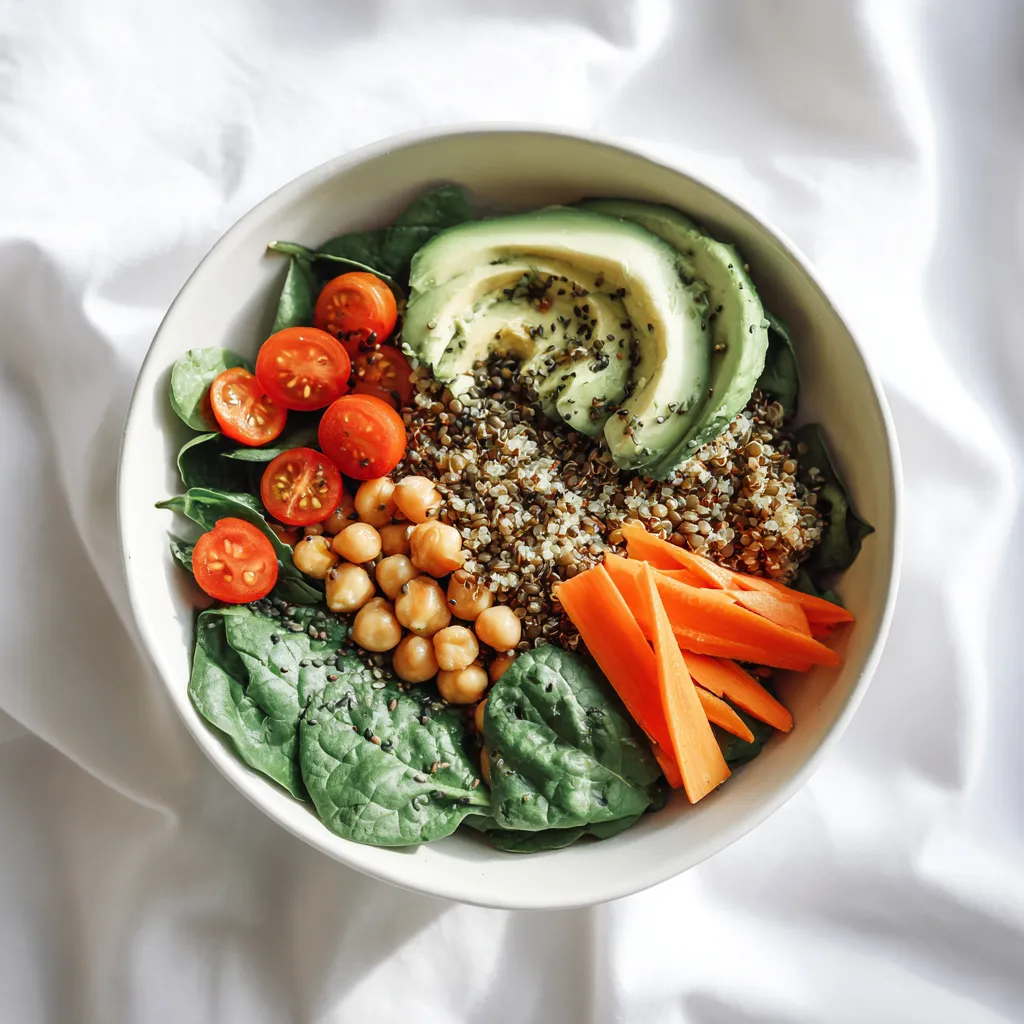
Fiber-Rich Protein + Whole Grain + Vegetables + Healthy Fat
Examples include:
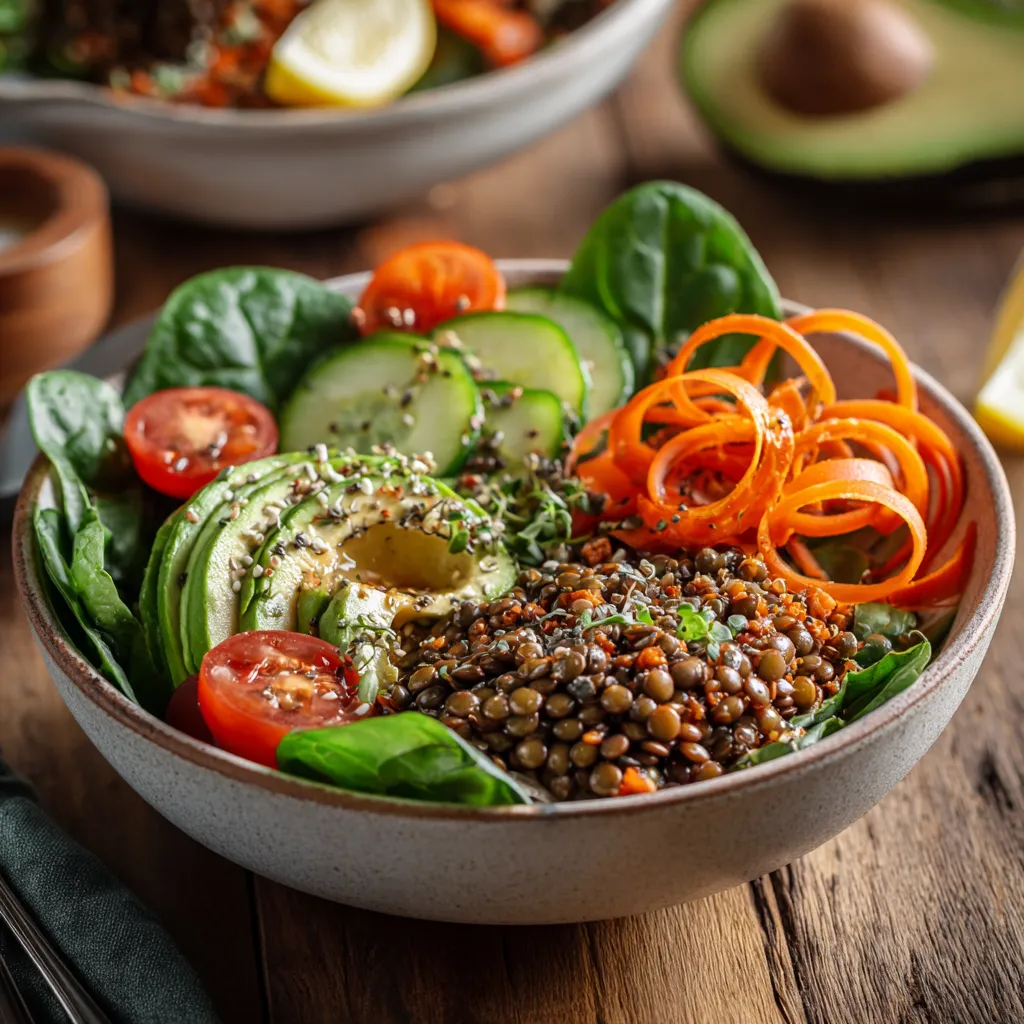
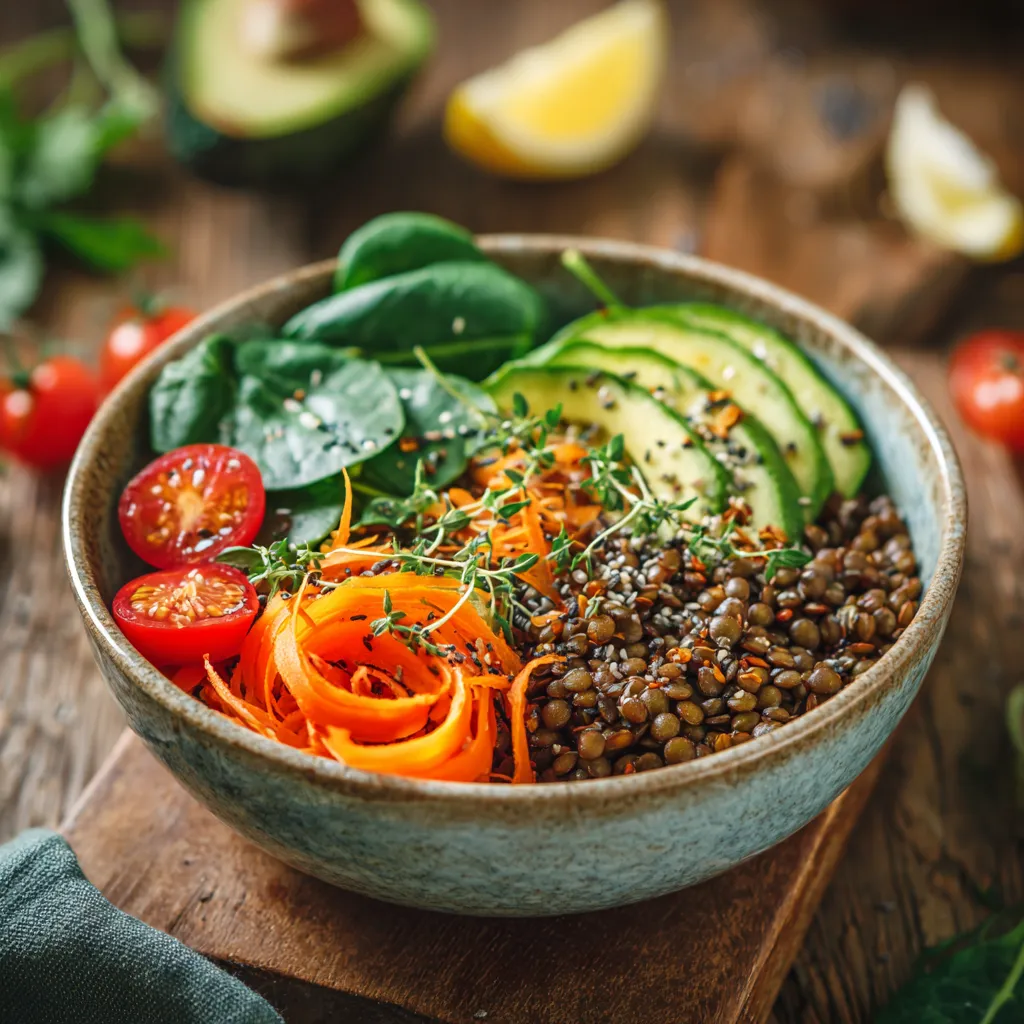
- Lentils + quinoa + broccoli + avocado
- Chickpeas + brown rice + roasted vegetables + tahini
- Black beans + sweet potatoes + spinach + pumpkin seeds
This formula ensures balanced nutrition while maximizing fiber intake.
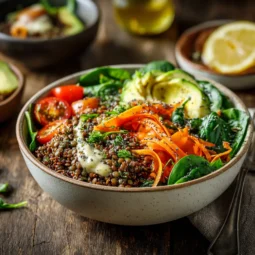
High Fiber Vegetarian Meals:
Equipment
- Medium saucepan
- Small pot (for quinoa)
- Strainer
- Cutting board
- Sharp knife
- Mixing bowl
- Spoon or spatula
Ingredients
- Base
- 1 cup cooked lentils
- 1 cup cooked quinoa
- Vegetables
- 1 cup chopped spinach
- 1/2 cup cherry tomatoes
- 1/2 cup cucumber
- 1/4 cup grated carrots
- Healthy fats & extras
- 1/2 avocado sliced
- 1 tablespoon olive oil
- 1 tablespoon lemon juice
- Seasoning
- Salt to taste
- Black pepper
- 1/2 teaspoon cumin
- Optional: chili flakes
Instructions
- Cook the quinoa: Rinse quinoa thoroughly, then cook it in water for about 15 minutes until fluffy.
- Prepare the lentils: Boil lentils until soft but not mushy, usually 20–25 minutes depending on type.
- Chop vegetables: While grains cook, wash and chop spinach, tomatoes, cucumber, and carrots.
- Assemble the bowl: In a large bowl, combine quinoa, lentils, and vegetables.
- Add healthy fats: Top with avocado slices and drizzle olive oil and lemon juice.
- Season and mix: Add salt, pepper, cumin, and chili flakes. Mix well before serving.
Notes