
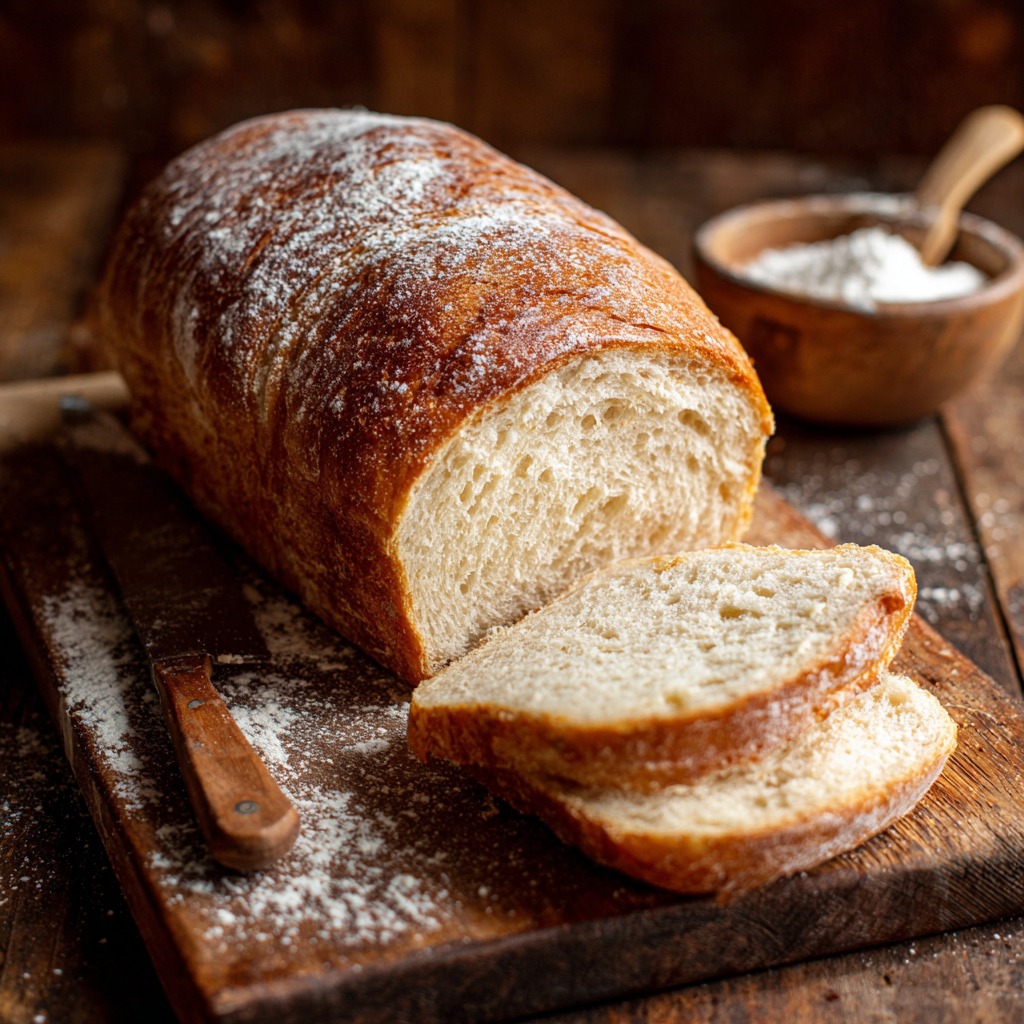
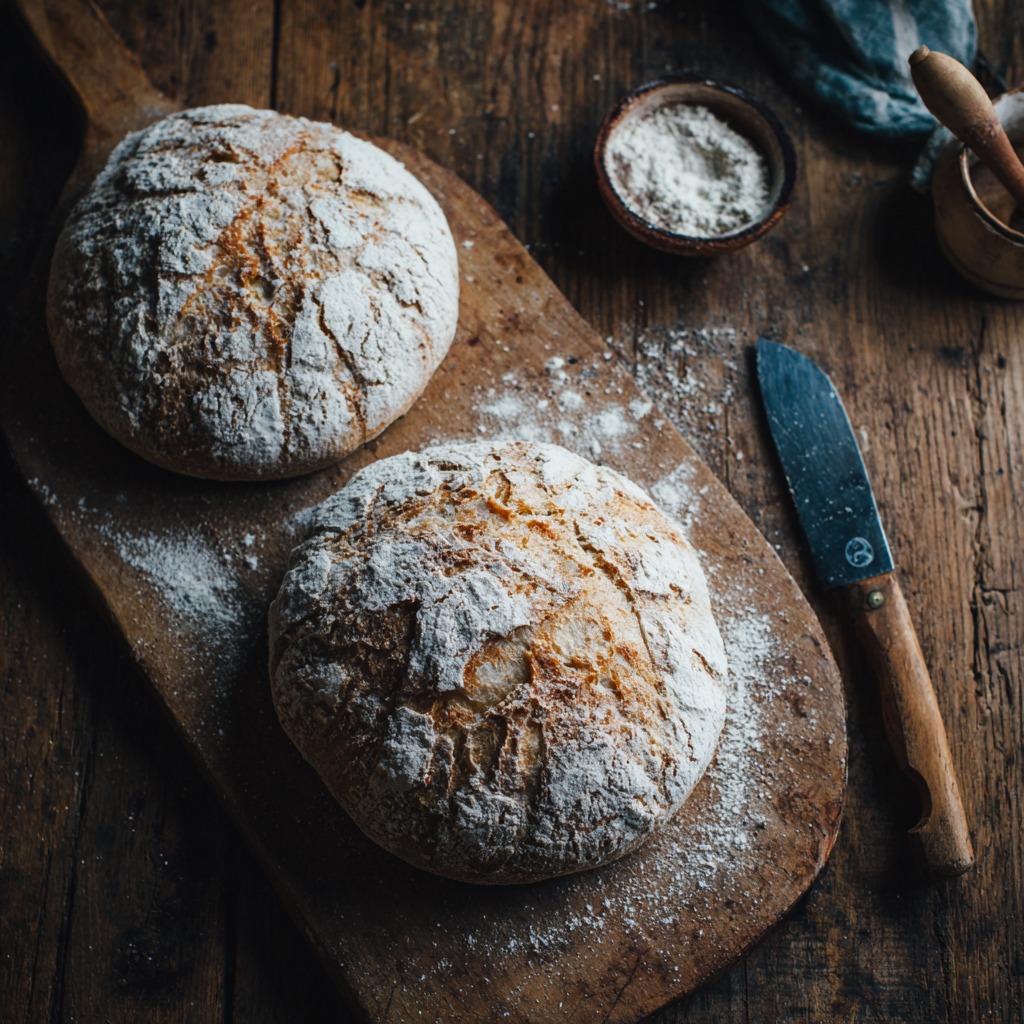
One of the most rewarding activities that you can do at home is baking your own bread, and when you use Fresh Ground Flour Bread Recipe, the result is even more satisfying. A fresh-ground flour bread will bring out the natural, hearty flavor of the grains and result in a loaf that is both nutritious and delicious. When you make your own flour, you keep all of the vitamins and minerals with their fiber that are in the outer layers. Making bread in this way is much healthier than buying it at the store.
Unlike commercially processed flour, which often loses critical vitamins during production, fresh ground flour gives your bread an extra dimension of flavor that won’t quit. By using whole grains, this recipe creates a soft but slightly heavy texture that is perfect for anything from sandwiches to plain toast. Slightly toasty and with a soft crumb that is just right, fresh-ground flour bread can turn any meal into an occasion.
In this recipe, we will walk you through the entire process of making fresh-ground flour bread from scratch. Whether you are new to bread baking or looking for a new project that is both fun and healthy, this recipe is perfect. So, get your ingredients together and with your sleeves rolled up, prepare to bake a bread that will satisfy as well as nourish.
- Why Use Fresh Ground Flour for Bread?
- The Benefits of Baking Fresh Ground Flour Bread Recipe
- Step-by-Step Guide to Making Fresh Ground Flour Bread Recipe
- Tips for Perfecting Fresh Ground Flour Bread Recipe
- How Fresh Ground Flour Bread Elevates Your Meals
- The Science Behind Fresh Ground Flour and Its Effect on Bread Texture
- How Fresh Ground Flour Bread Can Help With Gluten Sensitivities
- Mastering the Art of Grinding Your Own Flour at Home
- Fresh Ground Flour Bread: A Perfect Addition to Your Baking Routine
- Fresh Ground Flour Bread: Ideal for Meal Prepping and Freezing
- Incorporating Fresh Ground Flour Bread into Your Healthy Lifestyle
- Why Fresh Ground Flour Bread is Perfect for Sandwich Lovers
- Exploring Variations: Adding Seeds, Nuts, or Herbs to Your Fresh Ground Flour Bread Recipe
- Share Your Twist!
Why Use Fresh Ground Flour for Bread?
Freshly ground flour brings a distinctive group of advantages that ordinary store-bought flour simply can’t offer. Through milling flour from scratch in your own pantry, you end up with only the necessary nutrients that are commonly lost during the milling processes of commercially produced flours. Fresh flour keeps the wheat germ, which has healthy fats, and it also carries proteins and antioxidants.
This means that bread made with this type of flour is both tastier and better for you than breads produced from store-bought flours. But in addition, with freshly milled flour, there is a stronger, earthier flavor that adds to the overall taste of your bread and makes it a loaf you can be proud to give to friends along with your table fare.
The Benefits of Baking Fresh Ground Flour Bread Recipe
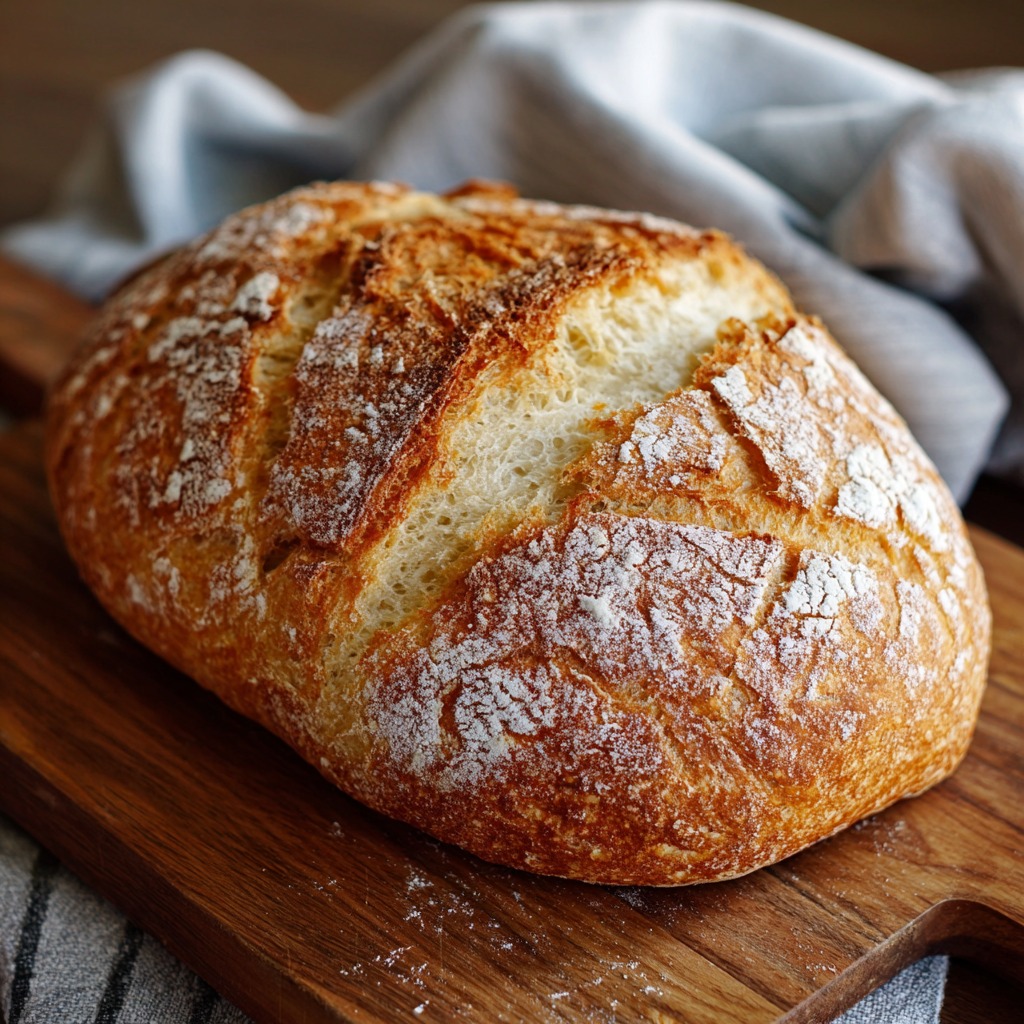
Baking with freshly ground flour will not only intensify its flavor but also offer you various health benefits. Fresh flour has fiber, which is good for maintaining a healthy digestive system and balancing blood sugar levels. As well, there are the added vitamins and minerals like B12, iron, and magnesium that make a diet healthier overall. By making your selection of fresh flour, you can eat better bread and have the nutrition your body needs to thrive.
Step-by-Step Guide to Making Fresh Ground Flour Bread Recipe
When it comes to baking bread from scratch, making fresh-ground flour is a lot easier than you think. First, you need to prepare the correct ingredients: water, yeast, whole grains (brown rice, oatmeal), salt, and raw honey. The subsequent steps of the process are: the entire grain is shortened and then sifted into fine flour, all ingredients are blended for 15 minutes until uniform, knead the dough with hands; after that let it rest under cover for 20 hours on its own steam so that fermentation can take place Throughout the proofing stage Fresh ground flour will provide your dough with a special feel–fragrant and blessing.
This recipe is so easy that anyone can do it: once you’ve tried making homemade bread like this, you’ll never buy another loaf again.
Tips for Perfecting Fresh Ground Flour Bread Recipe
If you want to attain the best effects when producing your bread made from fresh ground flour, there are several facts to keep in mind first. Reap the maximum nutrition and flavor rewards by using freshly milled flour. Another thing to remember is to properly measure your flour because how it affects the texture of your dough can depend on the quantity used. Furthermore, it is essential that you allow lots of time for rising if your bread is going to acquire the proper texture. Finally, why not experiment with all manner of whole grains, such as spelt, rye, or barley, to create a variety of flavors for your bread made from fresh ground flour?
How Fresh Ground Flour Bread Elevates Your Meals
That fresh-ground flour bread brings a notable freshness to all meals, a point no one can dispute. It’s a natural when served with butter and jam at breakfast, and it goes great with soups, stews, or in sandwiches for lunch. With the natural flavor and texture of fresh ground flour bread Recipe, as far as your lunch or dinner menus are concerned, it makes what might have been an ordinary meal into something truly special. The perfect conclusion to any meal, this hearty yet simple dessert adds a country-like charm to everybody’s dining experience.
The Science Behind Fresh Ground Flour and Its Effect on Bread Texture
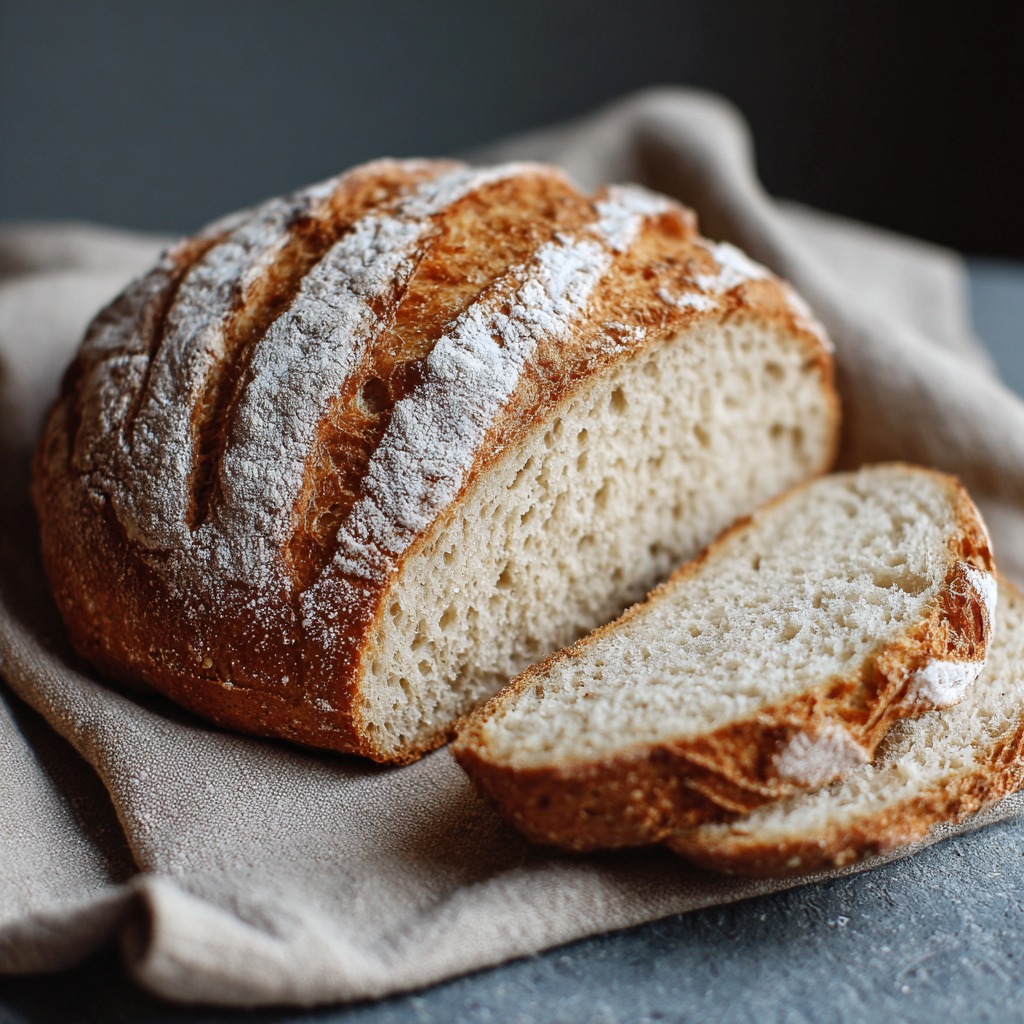
The fresh ground flour in dough formulas significantly impacts the texture of the finished product. Freshly ground flour (flour high in moisture). Soften and tenderize the crumb of a loaf. In addition, the protein molecules or gluten units in freshly milled flour are still left in their natural state. This is so that the best fermentation can occur, providing bread with shape and bite. You can see how different fresh ground flour makes your food look and taste from bought loaves. Then one real marvel about a homemade loaf is that it never goes out of style!
How Fresh Ground Flour Bread Supports a Whole Foods Diet
Using bread made from freshly ground wheat or oats fits in perfectly with eating non-processed foods. When you grind your own flour, it preserves all of the original nutrients in the grain as well as fiber, essential fatty acids, and many of the vitamins and minerals that processing takes away. You can make your own bread at home. That way, you’ll avoid the unnecessary additives and preservatives commonly found in commercial bread. This will help your diet be much cleaner and healthier.
Choosing the Right Grain for Your Fresh Ground Flour Bread Recipe
The one he types up, the finest dry flour for breads, will alter everyone’s individual replies. Traditional choices for fresh ground flour are wheat berries, spelt, rye, and barley. Various kinds of flour have their own specific characteristics, so wheat grain produces a soft, traditional loaf. Spelt grain will end with the taste of nutty sprinkles on top. Its slightly sour flavor is more digestible by people, though not as deeply as rye flour, thus producing a dark, dark-colored bread. Einkorn contributes a neutral, just barely sweet taste. As you explore different types of grain, it is possible to adapt this bread recipe to suit your own tastes and dietary needs.
How Fresh Ground Flour Bread Can Help With Gluten Sensitivities
For those who are mildly gluten-sensitive, a flour containing ancientgrains like spelt or einkorn may help alleviate intestinal problems. These grains contain less gluten tout court, and what gluten there is has a differentchemical structure to modern wheat, making them easier to digest for a proportion of the population. While this bread is not gluten-free, it might be a more tolerable substitute for people who have discomfort with store-bought bread made out of processed flour. Before introducing these grains to your daily diet, please consult a healthcare professional if you have gluten intolerance.
Mastering the Art of Grinding Your Own Flour at Home
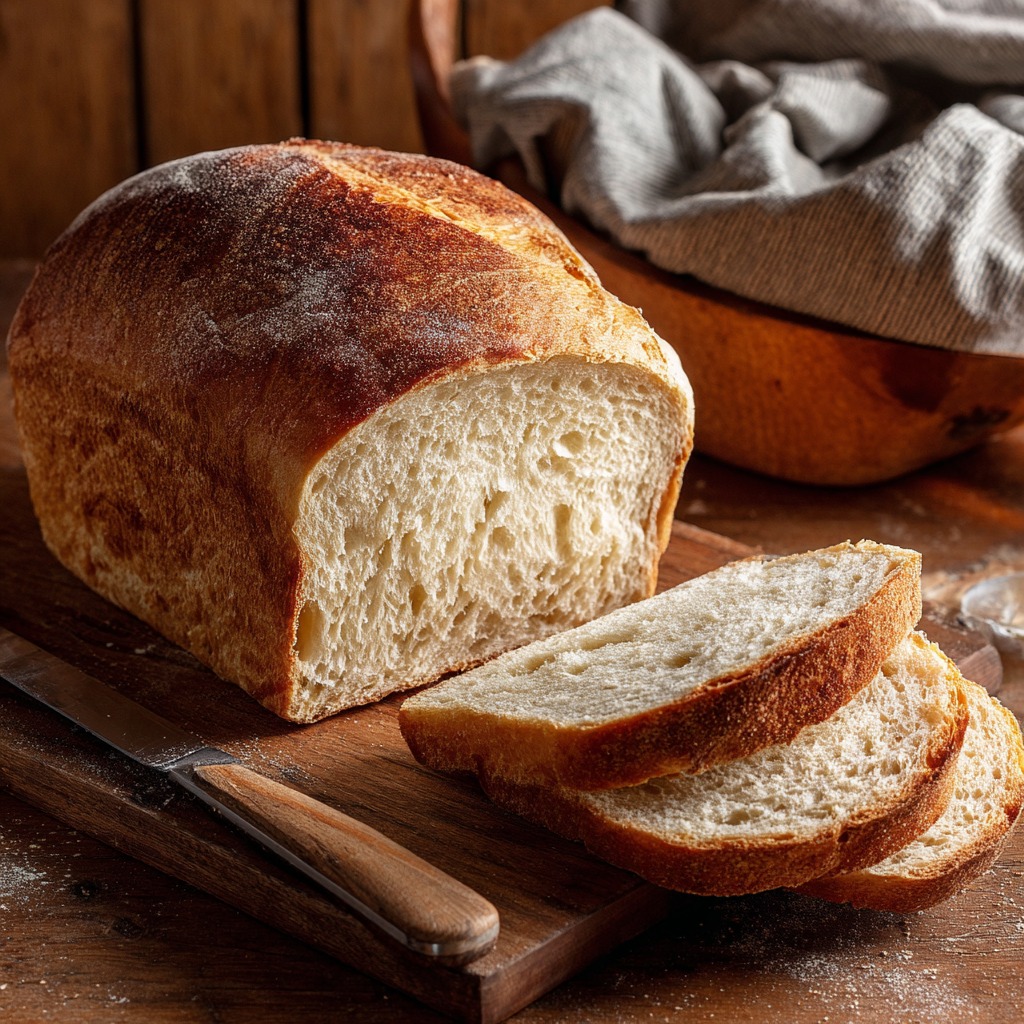
Maybe grinding your own flour at home seems like a daunting task to the average person, but it is actually much easier than one might think. You can invest in either a grain mill or even a powerful Foo-lover blender to turn your favorite grains into fresh flour. Fresh flour preserves all of the nutrient content in the bran and beneath the husk on a whole grain’s surface. Grinding your own flour also enables you to determine the texture of your flour. Very fine and soft flours for delicate bread, such as the light, wispy Japanese version, or slightly coarser ones suited to sourdough baking. This also enhances the overall freshness of the bread.
Fresh Ground Flour Bread: A Perfect Addition to Your Baking Routine
When a home baker looks to enlarge the bread he bakes at home, adding fresh-ground flour to your at-home bread making spell is an easy way to add that little bit of extra. Your dough will now be mixing with fine-milled flour, and how you take on texture, flavour, and moisture content in the dough changes. Such a result is a beautiful, unique loaf in both looks and taste. Even if you are a veteran in these realms of hobby baking, incorporating fresh ground flour bread Recipe into your diet will give you a slightly different satisfaction from your hobby.
Fresh Ground Flour Bread: Ideal for Meal Prepping and Freezing
Homemade flour Bread tastes good enough for enjoying it also an ingredient in another meal. So this bread, with its solid consistency, won’t crumble, can be frozen quite happily, and that makes for batch prepping of foodstuffs. The loaf can now be readily sliced and frozen. Only a matter of unwrapping each slice individually for defrosting later eats. When you need to add some home-baked bread, simply pop it in the toaster or microwave oven or warm it through on top of your stove. It’s like getting freshly baked bread every time, only without actually needing to bake bread again and again.
Incorporating Fresh Ground Flour Bread into Your Healthy Lifestyle
Freshly-made bread from ground wheat flour makes it possible to incorporate a healthy approach into life. With its high level of fiber, it also plays an influential role in digestion, while whole grains offer long-term energy throughout the day. From hot and fresh, it has the rich nutty tenderness that goes very well with both cilantroand honey over a bowl at breakfast; equally so in the afternoon. Its flexibility is readily apparent, and this makes fresh ground flour bread Recipe a fantastic choice. It’s suitable for any meal, whether just enjoying a healthful slice with avocado or for something more filling, such as putting together sandwiches with fresh ingredients using the same loaf of bread.
Why Fresh Ground Flour Bread is Perfect for Sandwich Lovers
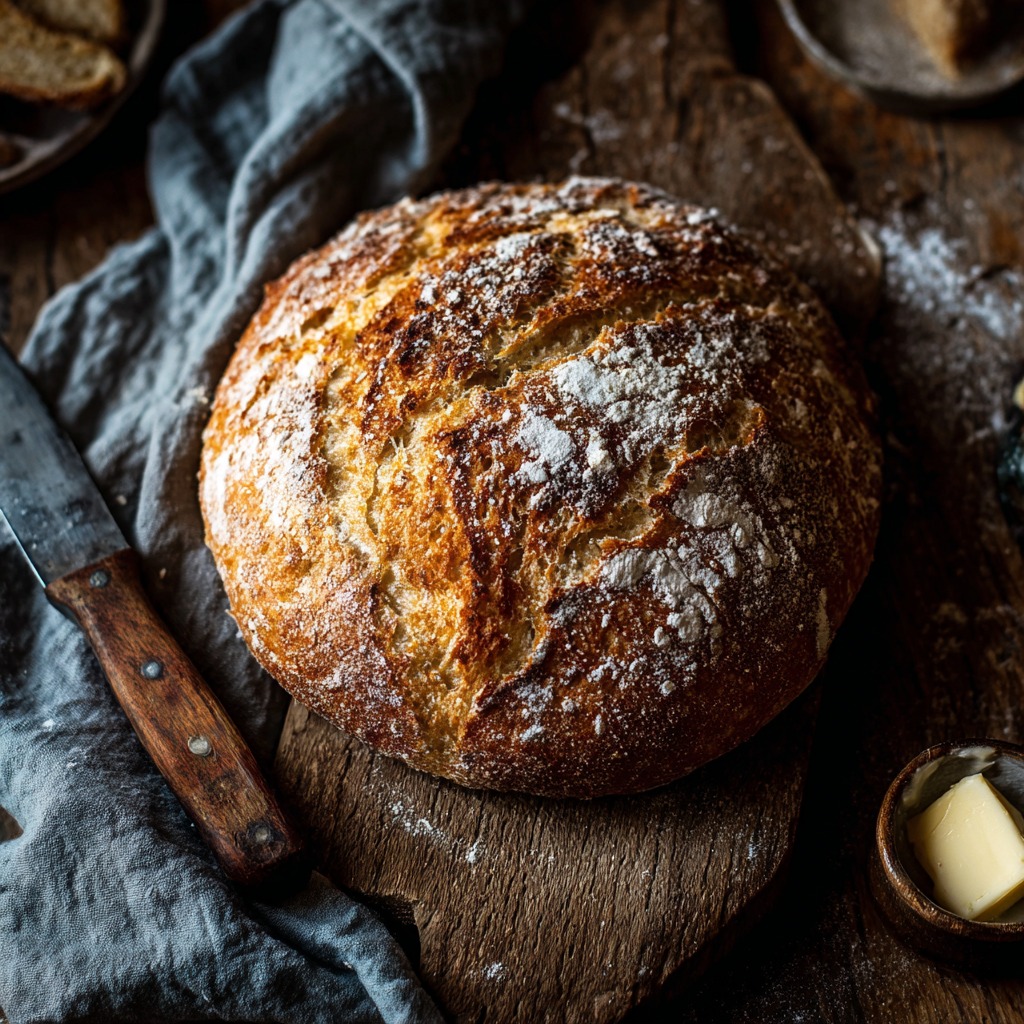
With fresh ground flour bread, you can enjoy the full spirit of a hearty sandwich! Thin and dense, the bread’s flavor is as rich as its few calories. This makes it an ideal foil to any sandwich that needs to be both substantial and tasty. Whetheryou want a traditional peanut butter and jelly sandwich ora more elaborate turkey and cheese, fresh ground flour bread works well with any of them. It holds up under a variety of fillings, which guarantees that each bite must be gratifying.
Exploring Variations: Adding Seeds, Nuts, or Herbs to Your Fresh Ground Flour Bread Recipe
An added twist is to fold seeds, nuts, or herbs into the fresh flour bread that you are making at home. For extra crunch and nutritional value in your bread, try sunflower seeds, sesame seeds, and flaxseeds. Likewise, rosemary, thyme, and basil are tradeoffs that accompany the bread with an aromatic or savory flavor. Adding these extras not only makes the taste of your bread better but also makes it more beautiful to look at, offering a myriad of tastes among your baked goods.
Fresh Ground Flour Bread Recipe
Equipment
- Grain mill or high-powered blender (for grinding the flour)
- Large mixing bowl
- Wooden spoon or dough hook
- Measuring cups and spoons
- Kitchen scale (optional, for accurate flour measurements)
- Proofing basket or bowl (optional)
- Baking sheet or loaf pan
- Parchment paper (optional)
- Oven
Ingredients
- Freshly ground flour e.g., whole wheat, spelt, or your preferred grain: 4 cups
- Warm water: 1 1/2 cups
- Active dry yeast: 2 1/4 teaspoons or 1 packet
- Honey or sugar: 1 tablespoon
- Salt: 1 1/2 teaspoons
- Olive oil or melted butter: 2 tablespoons
Instructions
- Prepare the Yeast Mixture: In a small bowl, dissolve the honey or sugar in the warm water (around 110°F or 43°C). Sprinkle the active dry yeast over the water and stir gently. Let it sit for 5–10 minutes until the yeast becomes foamy and bubbly.
- Mix the Dough: In a large mixing bowl, combine the freshly ground flour and salt. Make a well in the center and pour in the yeast mixture and olive oil. Stir with a wooden spoon or dough hook until a dough forms.
- Knead the Dough: Turn the dough out onto a floured surface and knead for 8–10 minutes until it becomes smooth and elastic. If the dough is too sticky, add small amounts of flour as needed.
- First Rise: Place the dough in a lightly oiled bowl, cover with a clean kitchen towel or plastic wrap, and let it rise in a warm place for 1 to 1 1/2 hours, or until it doubles in size.
- Shape the Dough: Once the dough has risen, punch it down to release the air. Shape it into a loaf by folding the sides in and rolling it tightly. Place it in a greased loaf pan or on a baking sheet.
- Second Rise: Cover the dough and let it rise for another 30–60 minutes until it has puffed up again.
- Bake the Bread: Preheat the oven to 375°F (190°C). Bake the bread for 30–35 minutes, or until the top is golden brown and the bread sounds hollow when tapped on the bottom. If you have a kitchen thermometer, the internal temperature should reach 190°F (88°C).
- Cool and Serve: Remove the bread from the oven and let it cool on a wire rack before slicing. Enjoy your fresh ground flour bread!
Notes
- Flour Variations: You can experiment with different types of grains like spelt, rye, or einkorn for varied flavor profiles. Each type of grain will offer a slightly different texture and taste.
- Storage: Store your fresh ground flour bread in a paper bag or wrapped in a kitchen towel to keep it fresh for a few days. For longer storage, slice and freeze the bread in an airtight container.
- Dough Hydration: Freshly ground flour can absorb more water than store-bought flour, so feel free to adjust the amount of water for your dough. It should be slightly tacky but not sticky.
- Gluten-Free Option: If you’re looking for a gluten-free option, use gluten-free flour blends and adjust the recipe accordingly.
- Add-ins: Feel free to add seeds, nuts, or dried herbs to your dough for extra flavor and texture.
Share Your Twist!
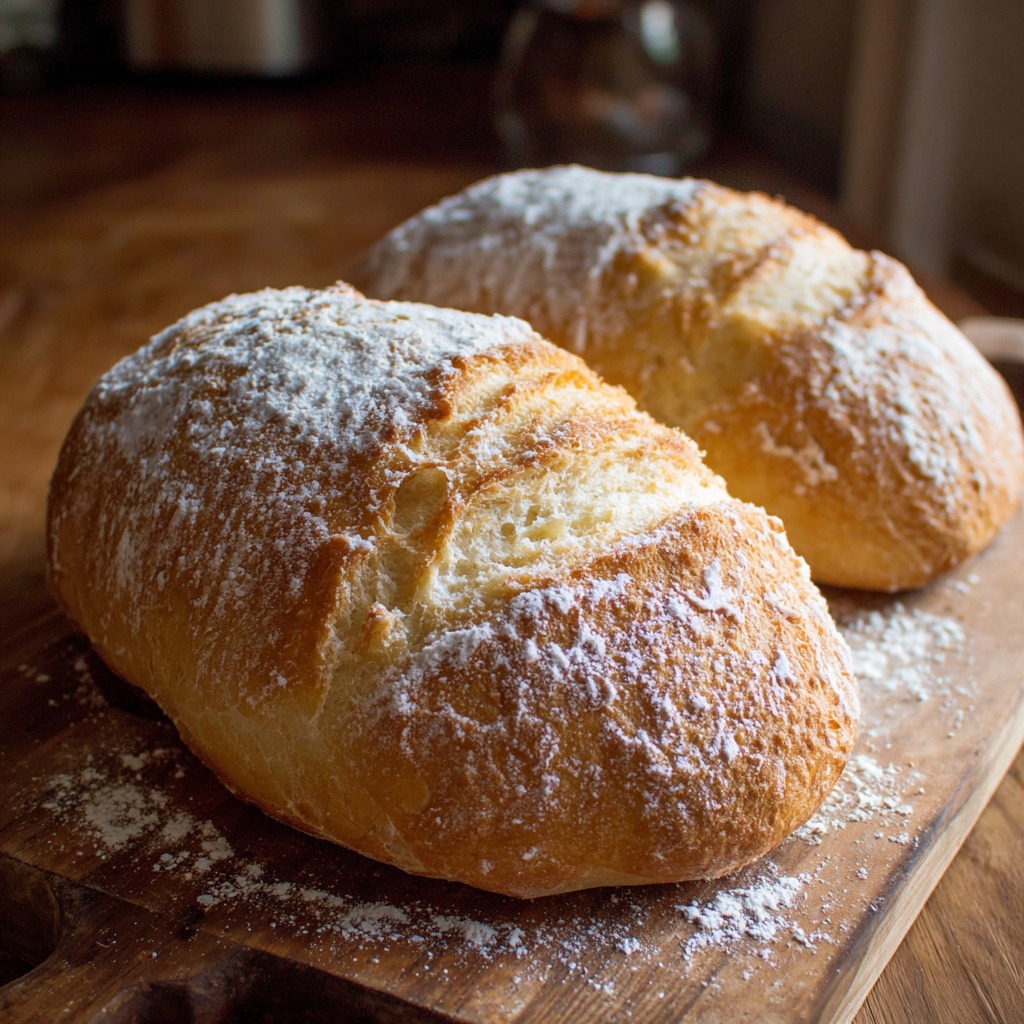
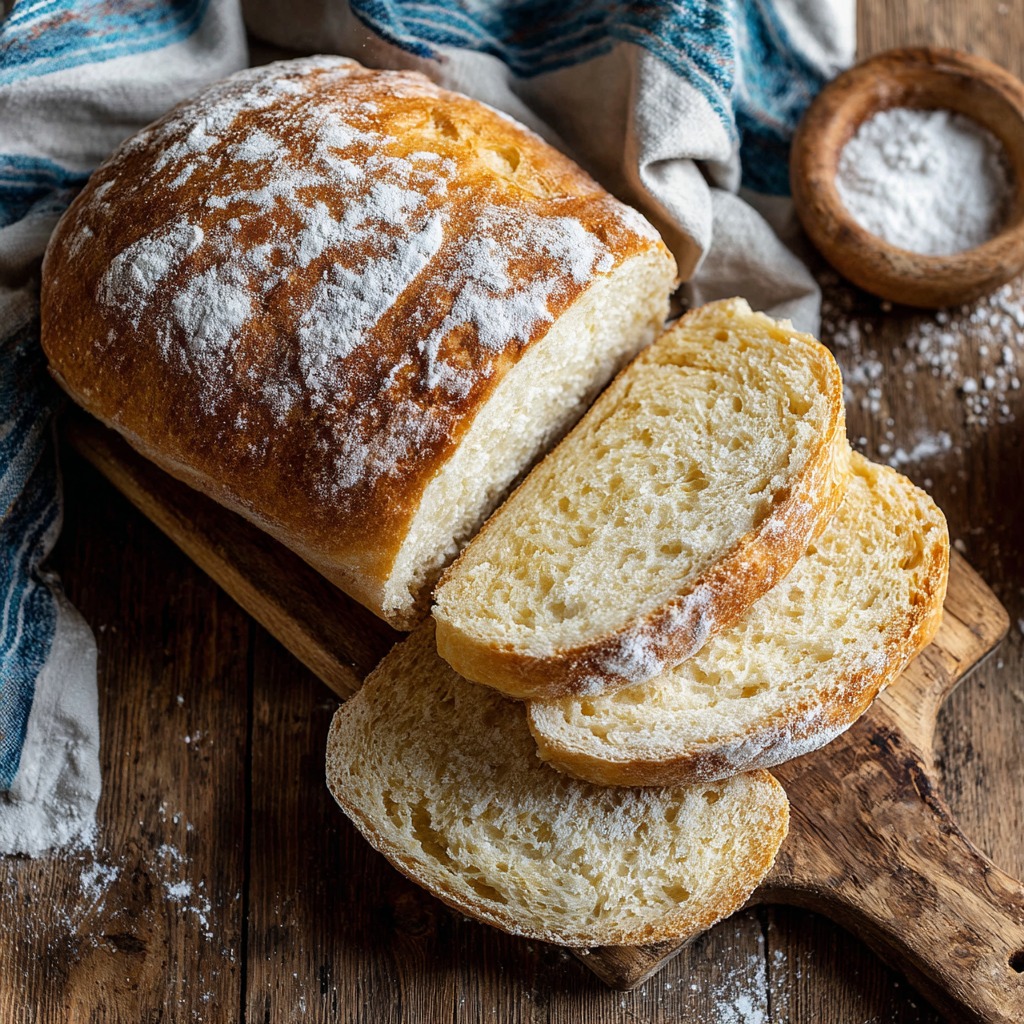
We want to hear about your ideas about what makes Fresh Ground Flour Bread Recipe your piece of the pie. Maybe there’s a new taste that you’ve brought in, perhaps you use different grains to make it more handsome, or it could be that this recipe, with its novel preparation, suited your style of baking creativity. Just let us know how your Fresh Ground Flour Bread is a little bit different from everyone else’s; if there’s even anything at all that could make such a simple dish special in its own right. Simply leave a note in the comments below and share. Happy baking!
Frequently Asked Questions (FAQs)
What type of flour should I use for fresh ground flour bread?
You can use any whole grain, such as wheat, spelt, or einkorn. Each grain brings its own unique flavor and texture to the bread. Experiment with different grains for variety!
Do I need a special flour mill to make fresh ground flour?
No, you can use a grain mill or even a high-powered blender to grind your grains into flour. This gives you control over the coarseness of the flour for your desired bread texture.
Can I make this bread gluten-free?
Yes, you can use gluten-free flour blends in place of fresh ground wheat flour. However, the texture and flavor may differ slightly from traditional bread.
How do I store leftover fresh ground flour bread?
Store your fresh bread in a paper bag or wrapped in a clean kitchen towel for up to 2-3 days. For longer storage, slice and freeze it in an airtight container.