
This is a really fun recipe for Dandelion Bread Recipe, and the dandelion flower is not something most people may think of using for the kitchen, but don’t let its “weed” status fool you. The dandelion plant, with its brilliant yellow petals and earthy taste, doesn’t just grow everywhere as a weed; it is also an extremely beneficial herb. Throughout the centuries, dandelion roots, leaves, and its flowers have been included in a great many culinary preparations, such as teas and salads, but until recently, I had not tasted dandelion bread! This bread channels natural dandelion flavors with a simple dough that’s even tastier than you’d expect, and it’s an excellent way to savor the gifts nature gives us.
Dandelion bread is easy to make and consists of flour, yeast, and, of course, the main ingredient- dandelions. The recipe uses fresh dandelion petals that are thoughtfully collected and kneaded into the dough to add a light floral flavor with mild bitterness. Not to mention the fact that adding dandelions to your bread improves its nutritional quality, since this weed is loaded with a wide range of vitamins, minerals, and antioxidants, it’s a wonderful example of the culinary alchemy that can happen when you take something often considered a nuisance and make it insanely delicious.
So, whether you like to try new things, or if you just want to take today’s dandelion bouquet flower picking up a notch by incorporating said foraged wild plant food into your dinner plans (after all, we do eat violets in the form of these sweet and sour refrigerator pickles), I give thee this dandelion bread recipe– a fun and satisfying way to bake with a wild ingredient. It’s not only great as an alternative to bread, but a reminder of what nature’s edible gifts could give us. The bread is delicious alone with butter or as an accompaniment to savory dishes, making it a versatile option for your recipe arsenal.
- Health Benefits of Dandelions
- How to Make Dandelion Bread Recipe
- Serving Suggestions and Pairings
- Sustainability and Foraging
- Why Dandelions Are a Nutritional Powerhouse
- Step-by-Step Guide to Making Dandelion Bread Recipe
- How to Store Dandelion Bread Recipe
- Creative Variations of Dandelion Bread Recipe
- The Joy of Foraging and Baking with Wild Plants
- The History of Dandelions in Culinary Traditions
- The Role of Wildflowers in Contemporary Cooking
- How Dandelion Bread Enhances Your Baking Skills
- The Best Time to Bake Dandelion Bread Recipe
- Share Your Twist!
Health Benefits of Dandelions
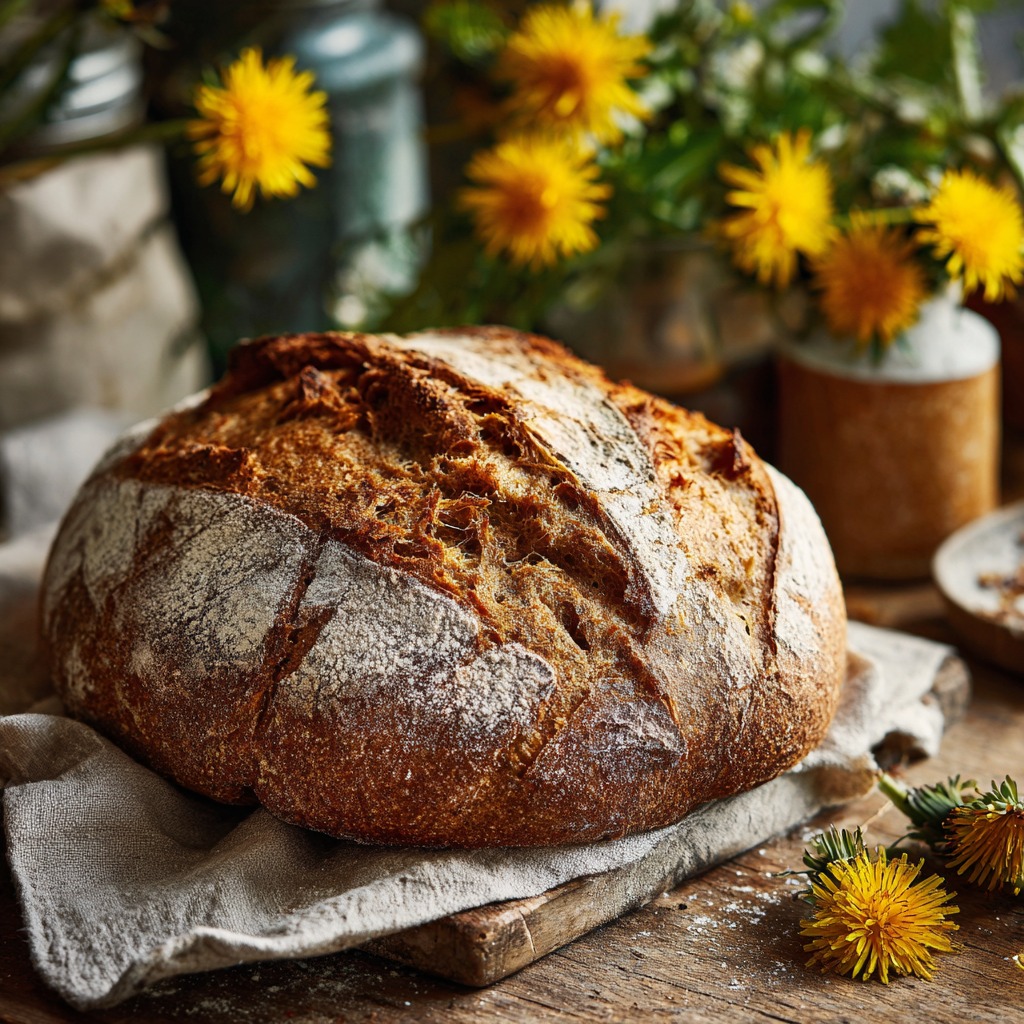
The dandelion is more than a pretty flower; it is full of vitamins and minerals that are good for you. Dandelions, rich in vitamins A, C, and K, among others, including calcium, iron, and potassium, have been historically cherished for their medicinal properties. Dandelion Flower Health Benefits. These health benefits of dandelions are the basis for their inclusion in Dandelion Bread recipes, ultimately transferring to your body via the bread you eat as part of a healthy diet, that is. Dandelions give it an added nutritional punch, as well as antioxidants. With every bite, you can feel good about it!
Gathering Dandelions for Bread Making
The feature ingredient in this bread is the fresh dandelion petals, which are plucked on a sunny morning – that magical time when the dandelions blossom to fullness. Ensure to harvest dandelions that are pesticide and chemical-free; you will be eating the flower after all! Picking the petals can be a favorite spring pastime. The petals are picked once and then well-rinsed, and that scent becomes infused in the bread without making it taste like you just chomped on a handful of flowers. You have to be judicious with the amount of petals you use because there is a subtle bitterness to them that must be broken up by all the other elements in your bread.
How to Make Dandelion Bread Recipe
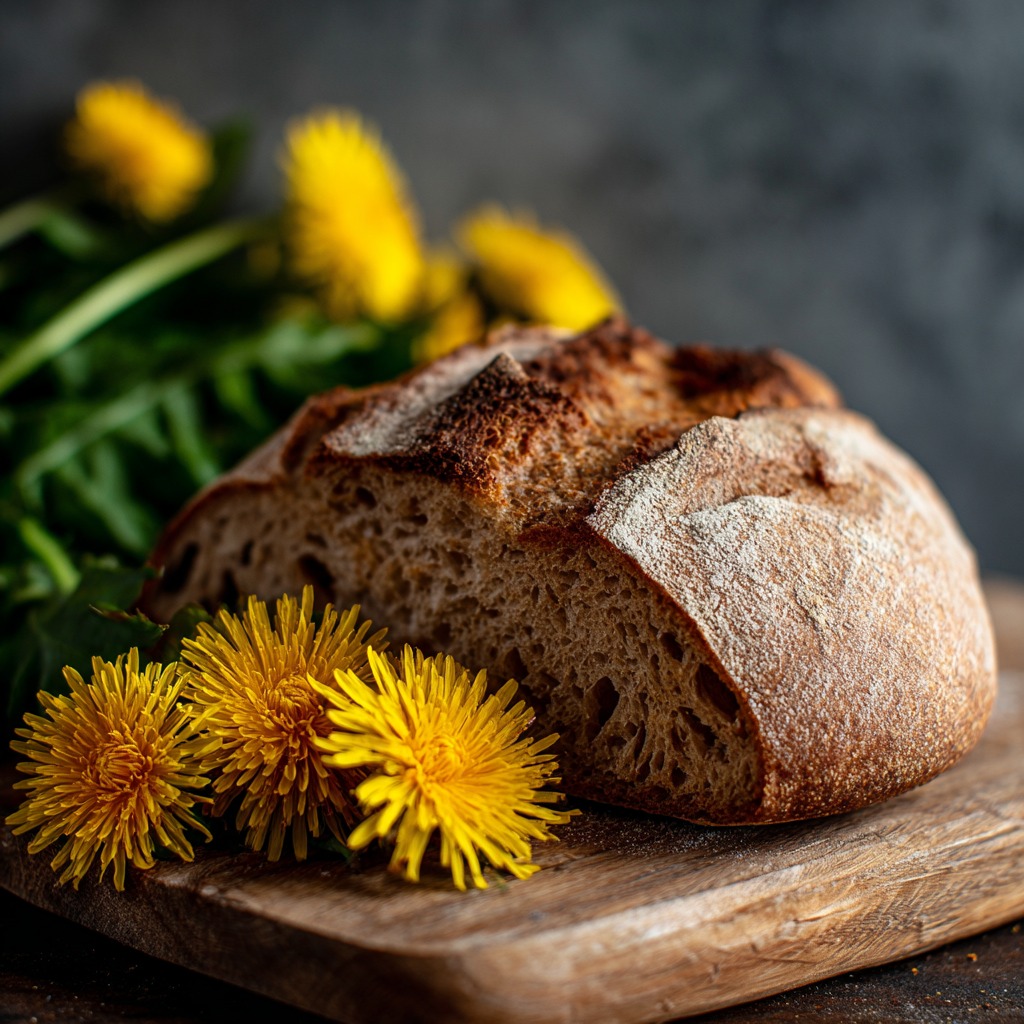
Dandelion bread Recipe is an easy recipe that uses dandelion petals and simple bread ingredients. The dough consists of flour, yeast, a little sugar, and water, with the dandelion petals added to give the mixture some taste. The dough is kneaded, rested, and baked into golden, crusty loaves. The dandelion petals impart a mild sweetness and faintly floral scent to the bread, setting it apart from regular bread. And this recipe is easy enough for even beginner bakers to nail, offering you a fun way to work with some wild ingredients in your kitchen.
Serving Suggestions and Pairings
The bread is great in several ways; you can serve it with meals and breakfast. The bread goes well with butter, honey, or cream cheese to bring out the natural taste. It also pairs well with savory fare, such as soups, stews, or salads. For something even more special, serve with fresh herbs or cheese for a tasty snack as well. Fry bread can be used for sandwiches, or it can be served as a side to any meal.
Sustainability and Foraging
Baking bread with dandelions is a lovely foraged ingredient. It promotes sustainable cooking because you use plants that grow all over the place in abundance. And dandelion bread not only cuts down on food store dependency, but it also helps you finally stop resisting the notion of eating local and seasonal. Hunting for dandelions is something fun and even educational to do that connects you with nature in a way, while making the best of what it has to offer.
Why Dandelions Are a Nutritional Powerhouse
Dandelions are easily dismissed as weeds, but they’re jam-packed with a plethora of nutrients that can benefit your health in numerous ways. The flowers, leaves, and roots of dandelion all contain vitamins A, C, and K and are rich in calcium, iron, and magnesium. When used in recipes such as dandelion bread, they are effortlessly passed on to the food, offering a whole grain, healthier option to white flour. Dandelions add more nutrition, and a different taste altogether, as well as adding an interesting color to the bread.
The Role of Dandelions in Traditional Medicine
For thousands of years, the so-called weeds have served as natural medicinal remedies in traditional medicine. It is said that they aid in digestion, liver detox, and inflammation. Adding dandelions to recipes, such as bread, provides a tastier way to obtain their medicinal benefits. Dandelion bread is really a fun way to get the benefits of this amazing plant into your daily routine and is both yummy and good for you.
Step-by-Step Guide to Making Dandelion Bread Recipe
Dandelion bread recipe is fun and easy to make, even for a beginner. With only a handful of simple ingredients, you can make an absolutely stunning loaf of bread that FLAVORS. This easy-to-follow, step-by-step guide will aid you in getting started and give you the confidence to make your dandelion bread dough, adding the petals and basting/baking it just right. It’s an easy, straightforward process, and what you get in the end is a deliciously aromatic, tasty bread that can be eaten in any number of ways.
Preparing the Dandelion Petals for Bread
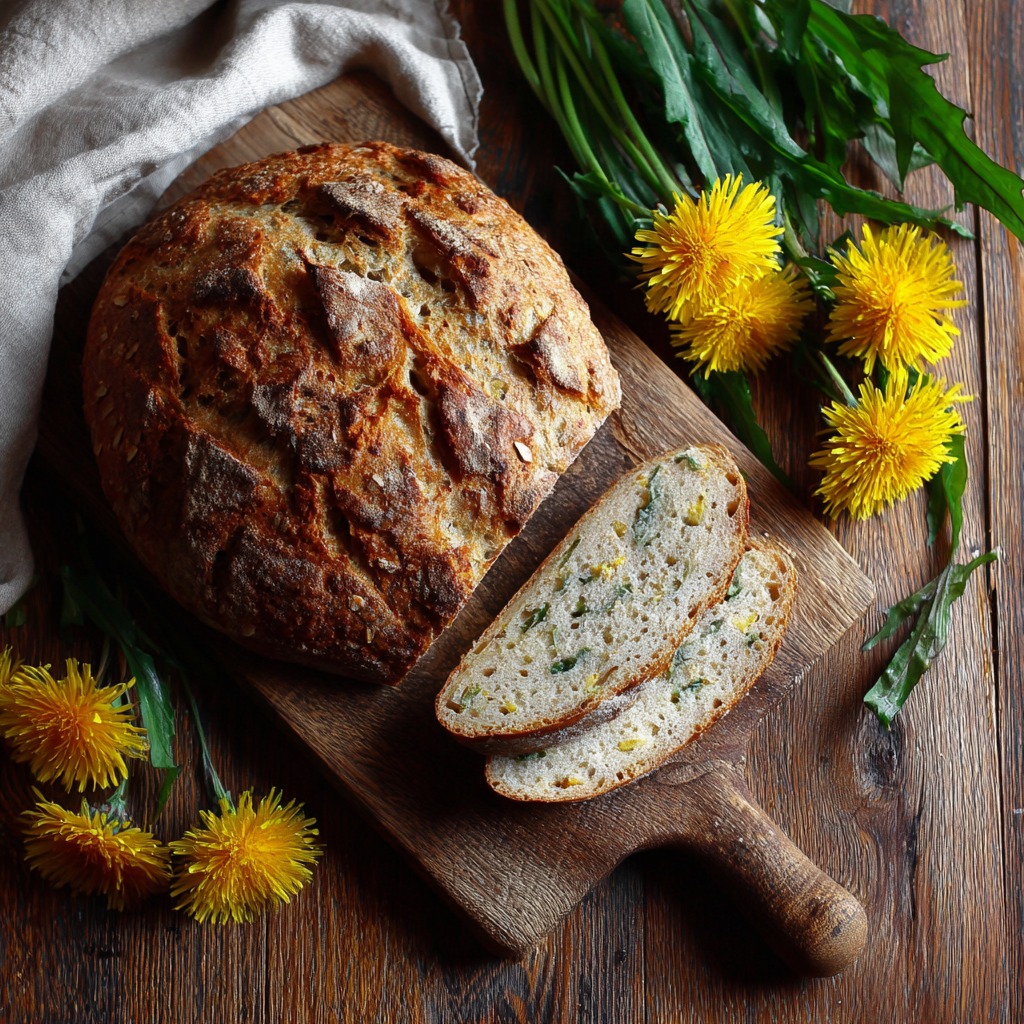
But the dandies must be treated with respect before you mix them into your bread. Begin by carefully selecting fresh, pesticide-free dandelion flowers that are in full bloom. Pluck the petals from the flower heads, taking care not to pick any green parts because they can taste bitter. Wash the petals well to get rid of any bugs or dirt, and add them during the mixing of your bread dough. The petals will infuse the bread with a specific, delicate floral flavor and a pretty yellow color.
How to Store Dandelion Bread Recipe
If you decide to bake dandelion bread Recipe after it emerges from the oven, it is important to store your dandelion bread properly and preserve its freshness. As with most homemade breads, it is best stored in an airtight container at room temperature. Keep the bread covered in a clean kitchen towel or keep it in a bread box to prevent drying out. If you have bread leftover, you can also freeze it for later. *I use plastic wrap and/or foil to individually wrap the sliced bread, then freeze it where it won’t be crushed, so that you can easily pull out as many pieces of already-sliced-and-wrapped frozen bread as you need without compromising taste or texture.
Freezing Dandelion Bread for Later Use
If a loaf of dandelion bread looks like it’s going to be hanging around for more than 3-4 days, you can freeze it. Cut the loaf into pieces and wrap it in plastic wrap or foil. Once the slices are wrapped, place them in a freezer bag or container and freeze for up to 3 months. When you’re ready to enjoy the bread, just thaw it at room temperature or warm it in the oven for a few minutes to bring back that fresh-baked flavor. You can freeze dandelion bread so you can remember and eat spring even in the dead of winter.
Creative Variations of Dandelion Bread Recipe
Although dandelion bread is delicious as it is, there are several options to get creative and change the bread up. Feel free to play by adding other herbs or wildflowers to the dough; try adding nettle leaves, lavender, or both for even more depth of flavor from your bread. Also, you might work some nuts/seeds/dried fruit into the dough in order to have a chunky and tasty loaf. This dandelion bread recipe is easily adaptable and can be tailored to your taste.
Adding Sweeteners to Dandelion Bread Recipe
If you like a bit of sweetness, you can add natural sweeteners to your dough. A bit of honey or some maple syrup will enhance the flowery notes in the dandelions and lend a more complex taste. Who knows, maybe a little bit of cinnamon or nutmeg will mix in well for a warm, spiced version! By varying the sweetness of the bread, you can transform it to become more breakfast-worthy or dessert-like, which makes for a nice change of pace from overly sweet breads.
The Joy of Foraging and Baking with Wild Plants
Raiding the wild gardens like dandelions is a wonderful way to touch our roots and find nature’s hidden gems. Forage for your own ingredients and embrace a sustainable way of living. Because dandelions are something you can almost always find, they’re also a great plant to learn to forage and cook with. Foraging motivates you to get outside, explore the world around you, and cultivate a more natural lifestyle of food procurement.
How Foraging Enhances Your Culinary Experience
Foraging is not just about scoring free food; it also enriches your cooking by bringing new tastes and textures to the dining table. Dandelions, with their earthy, slightly bitter flavor, bring something completely different to the table than store-bought ingredients. By adding foraged plants to your bread, you not only get to flex those creative kitchen muscles, but also make that special connection between what is in the environment and what goes into our food. It’s a reminder of the wealth of edible plants that can be found in the ground close to home, often right beneath our feet.
The History of Dandelions in Culinary Traditions
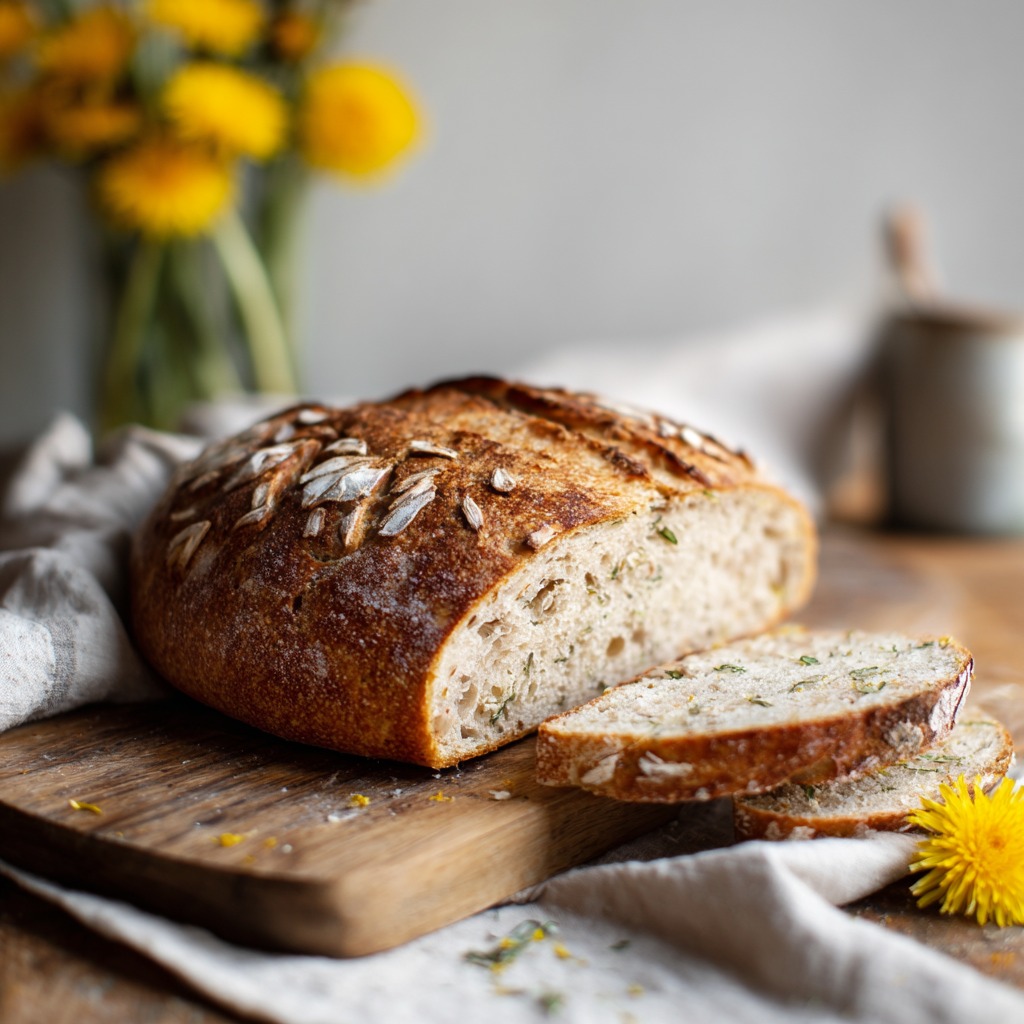
Since ancient times, Dandelions have been used in the kitchen for various culinary purposes and prized for their potent medicinal attributes. In the old days, dandelions were picked not only because they were good for you, but also as a way to use what nature had to offer. From dandelion wine to dandelion greens in salads, the whole plant has been integrated into a variety of culinary traditions. Then along comes dandelion bread Recipe, which bridges that heritage with today’s kitchen in every bite.
Dandelions in Ancient and Folk Medicine
Once upon a time, dandelions were revered for their curative powers. The early herbalists used the plant in many other forms, treating anything from digestive problems, liver complaints, and skin diseases. By using the flowers and leaves in our food, such as dandelion bread, we recognize not only these age-old traditions but also the fact that we can benefit too from their naturally healing powers. Dandelion bread Recipe is a contemporary homage to the ancient tie between food and medicine.
Dandelion Roots and Their Role in Traditional Remedies
Although the petals are what are typically used in those recipes, many parts of the dandelion plant have a rich history when it comes to traditional medicine. Dandelion root is commonly used in teas, tinctures, and capsules as a tonic for liver health and cleansing. In incorporating dandelion petals into a bread recipe, you use only one aspect of what this plant has to offer; the roots also can be foraged and put to use in different ways to make healing brews or thrown into soups.
The Role of Wildflowers in Contemporary Cooking
Wildflowers such as dandelions are making their way into modern cooking, as chefs and home cooks become more receptive to the wild food movement. Adding wild plants to meals adds depth of flavor, texture, and nutrition that cannot be had from store-bought ingredients. Dandelion bread is a great way to use wildflowers in daily dishes, though, and takes an average loaf of bread from something not too special to something that’s truly woo hoo! D andelion flowers add a unique floral note to bread, transforming it into an ode to nature.
Dandelion Bread and the Farm-to-Table Movement
And the farm-to-table movement, with its emphasis on locally raised, sustainable ingredients, has trickled down to wild foraging, including for plants as commonplace in your yard as dandelions. Dandelion bread can even be made from local, planet-friendly ingredients, depending on what you choose to use. Foraging for dandelions in your backyard or a nearby field promotes a better understanding of your food and more sustainable ways of eating.
Sourcing Dandelions for Bread in Your Local Area
Locating dandelions in your community is a fun way to tune into a farm-to-table frame of mind. Remember to choose dandelions from spaces where pesticides or other chemicals have not been used, such as your garden at home or a designated wild space. Foraging for dandelions in the wild is grounding and provides a practical way to forage ingredients from nature immediately around you.
How Dandelion Bread Enhances Your Baking Skills
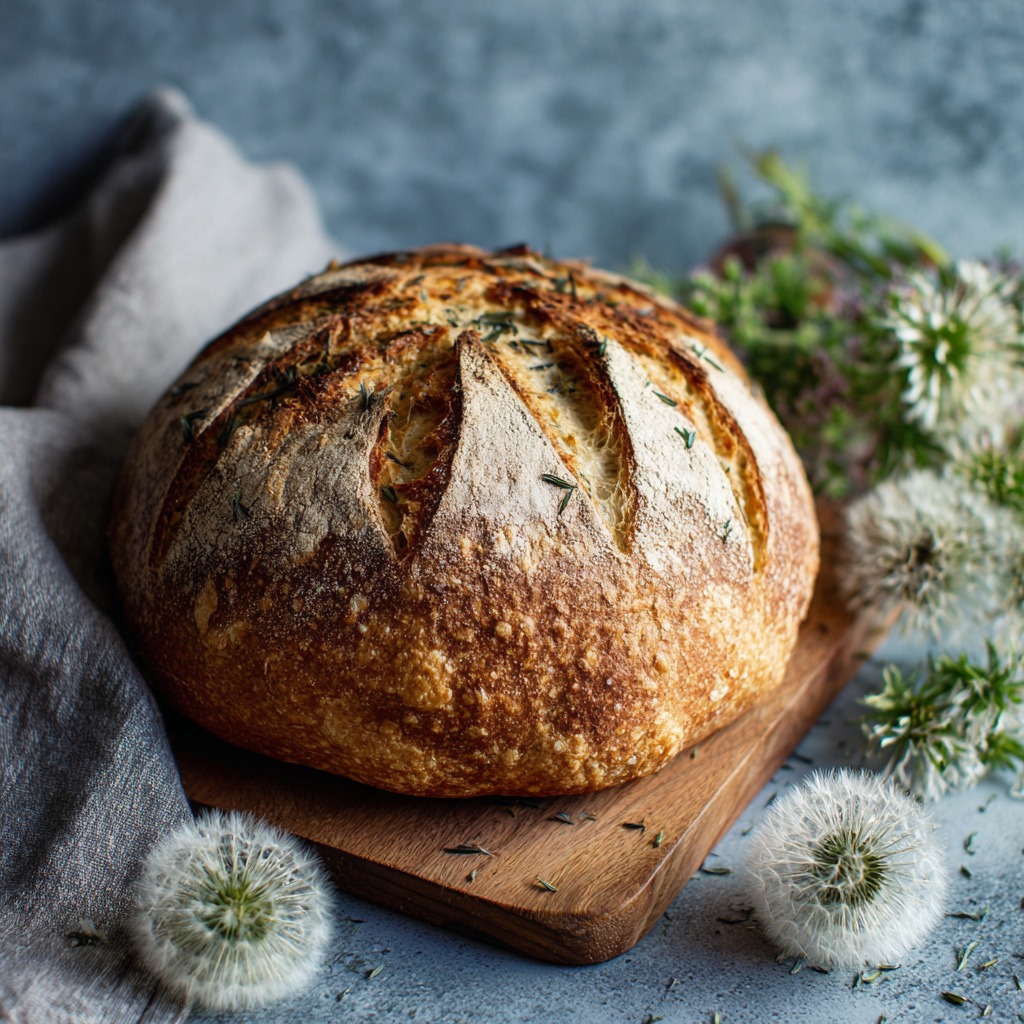
Baking with wild ingredients, like dandelions, can be a great way to inspire yourself with new flavors in baking. Adding dandelion petals to the bread dough takes it up a notch. Getting the hang of working with these new flavors will enhance your ability to make a host of different styles of breads with unique profiles, textures, and flavors, which is an excellent skill set for any home baker.
Tips for Baking with Wild Ingredients
When you bake with wild ingredients, it’s critical to take extra measures so that the flavors are balanced and they work well with your bread dough. Wild herbs and plants like dandelion greens may have very strong, bitter, or earthy flavors, so it’s important to balance them with other ingredients. With a little sweetener or bland-tasting flour, you can tone down any bitterness and taste more of the wild. It also helps to be aware when adding the water, as wildflowers can add moisture to the dough.
Adjusting the Texture of Dandelion Bread Recipe
Depending on the dryness of your dandelions, wild ingredients can play a role in the texture of your bread. While making your dandelion bread, you will want to think about the moisture in those petals and how it is interacting with the flour. If the bread dough feels too sticky once you have your petals in, simply sprinkle a bit more flour in to even out the levels of wetness. On the other hand, if the dough is dry, a bit of water or milk would assist in bringing it to just the right consistency. When you change the texture of your bread, you have more control over the outcome.
The Best Time to Bake Dandelion Bread Recipe
Dandelion bread is typically baked in the spring when dandelions are most abundant. Now is the ideal time for harvesting fresh dandelion petals when they are at their most vivid and tasty. But you can forage dandelions year-round, and different parts of the plant come in season at different times. Learning to prepare dandelion bread while the flowers are in bloom guarantees the freshest petals and welcomes warmer months.
Spring – The Prime Season for Foraging Dandelions
Dandelions are in bloom, making it prime time to forage their petals. During this time of year, dandelions are in, and their flowers are at their most succulent, for a brighter-flavored bread. The peak season also coincides with other seasonal produce, as well – and your opportunity to play around with foraging dandelion bread Recipe alongside other fresh ingredients in your recipes.
Preserving Dandelions for Off-Season Baking
But if you’d like to eat dandelion bread year-round, you can also preserve dandelions for use in the off-season. Dry the petals, or freeze them to preserve their fresh flavor and nutrition. Dry petals can be kept in an airtight container until you need them, and frozen petals can be thawed and added straight to the dough. Get more spring into your jars by preserving dandelions so you can capture this unique flavor when the flowers are not in season.
Dandelion Bread Recipe
Equipment
- Large mixing bowl
- Measuring cups and spoons
- Wooden spoon or dough scraper
- Baking sheet or loaf pan
- Clean kitchen towel
- Knife (for slicing dandelion petals)
- Oven
Ingredients
- 2 cups all-purpose flour
- 1/2 cup whole wheat flour optional for texture
- 1 tablespoon active dry yeast
- 1/4 cup sugar or honey for a natural sweetener
- 1/2 cup warm water around 110°F/43°C
- 1/2 teaspoon salt
- 1/4 cup olive oil or any neutral oil
- 1 cup fresh dandelion petals ensure they are pesticide-free and clean
- 1/4 cup milk or water to adjust dough consistency
- 1 tablespoon melted butter optional, for brushing the top
Instructions
- Prepare the yeast mixture: In a small bowl, combine the warm water and sugar. Sprinkle the yeast over the top and stir to dissolve. Let it sit for about 5-10 minutes, until the mixture becomes frothy.
- Make the dough: In a large mixing bowl, combine the all-purpose flour, whole wheat flour (if using), and salt. Pour in the yeast mixture and olive oil. Mix everything together using a wooden spoon until the dough begins to form. If the dough feels too dry, gradually add the milk or additional water until the dough comes together.
- Add dandelion petals: Gently fold in the fresh dandelion petals into the dough, distributing them evenly. Be careful not to overwork the dough, as this can affect the texture.
- Knead the dough: Turn the dough out onto a lightly floured surface and knead for about 8-10 minutes, or until the dough is smooth and elastic. Add a little more flour if the dough is too sticky.
- Let it rise: Place the dough in a lightly oiled bowl and cover it with a clean kitchen towel. Allow it to rise in a warm place for 1-1.5 hours, or until it has doubled in size.
- Shape the dough: Punch down the risen dough and shape it into a round or oval loaf, or place it into a greased loaf pan. Let the dough rise again for about 30 minutes, covered with the towel.
- Preheat the oven: While the dough is rising, preheat your oven to 375°F (190°C).
- Bake the bread: Once the dough has finished rising, place it into the preheated oven and bake for 25-30 minutes, or until the bread sounds hollow when tapped on the bottom. If desired, brush the top with melted butter during the last few minutes of baking for a golden finish.
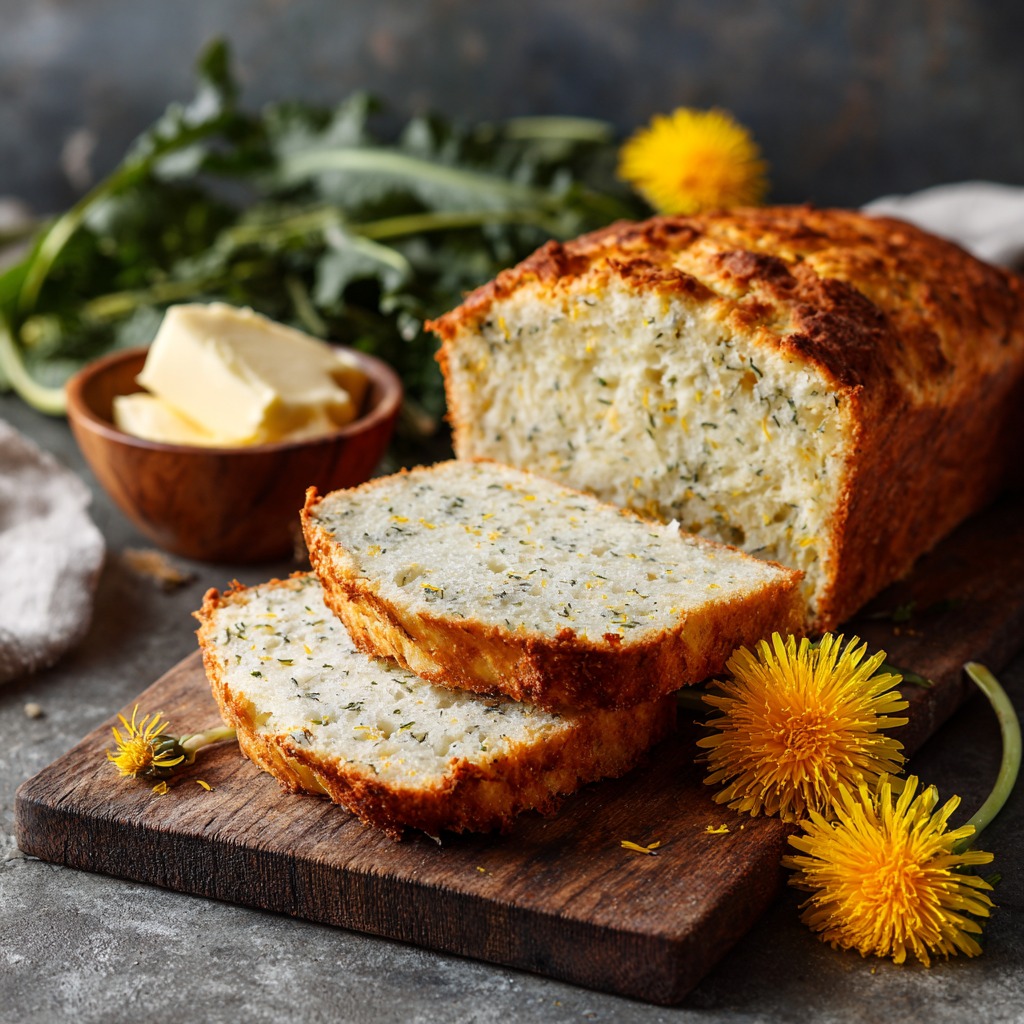
- Cool and serve: Let the bread cool on a wire rack for at least 20 minutes before slicing. Enjoy your fresh dandelion bread with butter, jam, or as a side to savory dishes.
Notes
- Dandelion petals: Make sure you use clean, pesticide-free dandelions. Harvest them from an area away from roads or places that might have chemicals.
- Flour variations: You can adjust the flour ratio to suit your preference, using more whole wheat flour for a denser bread.
- Sweetness: If you prefer a sweeter bread, feel free to increase the sugar or use honey to complement the floral flavor of the dandelions.
- Storage: Store leftover bread in an airtight container at room temperature for up to 3 days. For longer storage, slice and freeze the bread for up to 3 months.
- Add-ins: For a variation, try adding nuts, seeds, or dried fruit to the dough for extra texture and flavor.
Share Your Twist!
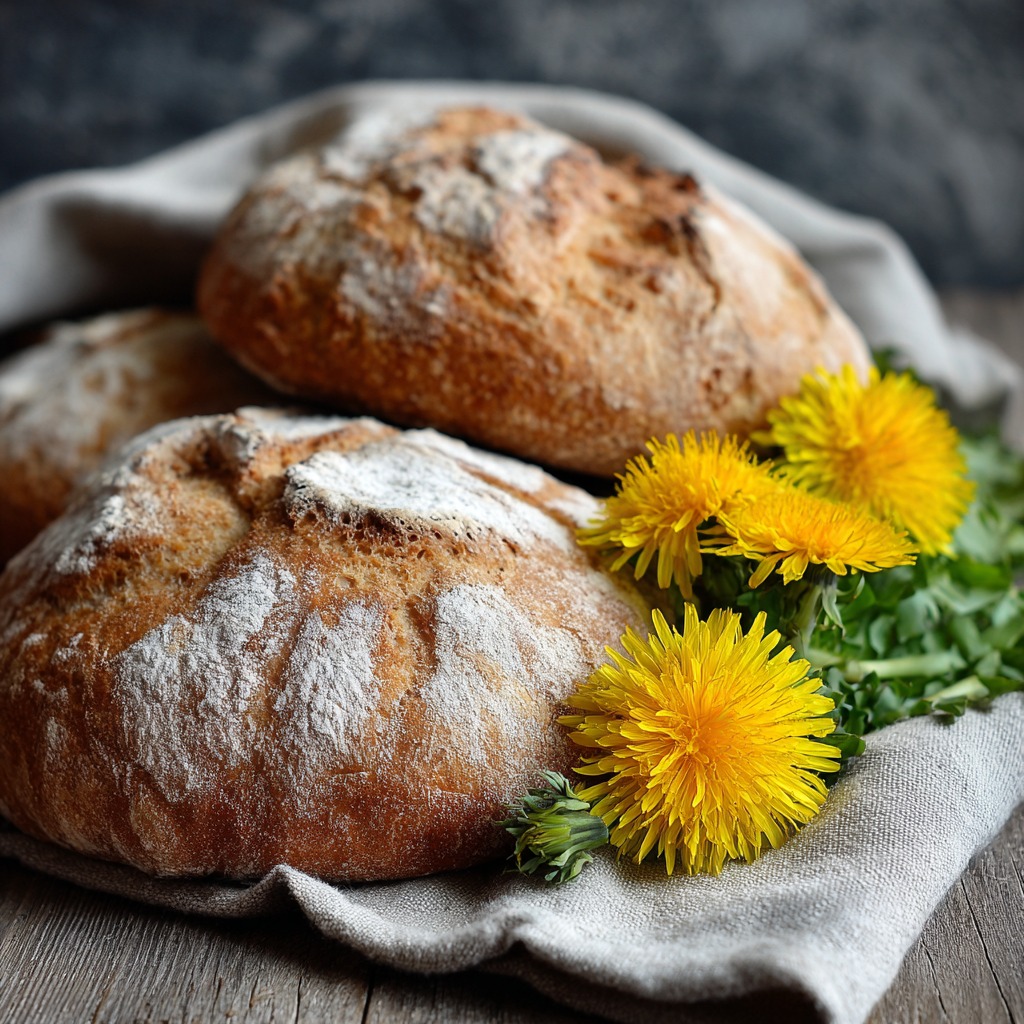
We’d love to hear how you make this dandelion bread your own! Do you have a unique ingredient or a special method you like to use? Share your twist with us and inspire others to get creative in the kitchen!
Frequently Asked Questions (FAQs)
What is Dandelion Bread?
Dandelion bread is a unique homemade loaf made using fresh dandelion petals, combined with basic bread ingredients like flour, yeast, and sugar. It has a subtle floral flavor and is a great way to incorporate wild foraged ingredients into your baking.
Can I use dried dandelions instead of fresh ones?
Yes! If you have dried dandelions, you can use them in the recipe. Just be sure to rehydrate them before adding them to the dough for the best texture and flavor.
How do I store leftover Dandelion Bread?
Store leftover dandelion bread in an airtight container at room temperature for up to 3 days. For longer storage, slice the bread and freeze it for up to 3 months.