
This ricotta cavatelli recipe shows you how to make soft, homemade Italian pasta using simple ingredients like ricotta cheese, flour, and eggs.
Unlike traditional cavatelli made only with flour and water, ricotta cavatelli has a lighter, softer texture with a rich creamy flavor. This pasta is easy to shape at home and pairs perfectly with tomato sauce, brown butter, creamy cheese sauces, or fresh herbs.
In this guide, you’ll learn how to make ricotta cavatelli dough, shape the pasta, cook it properly, freeze it, and serve it with the best sauces.
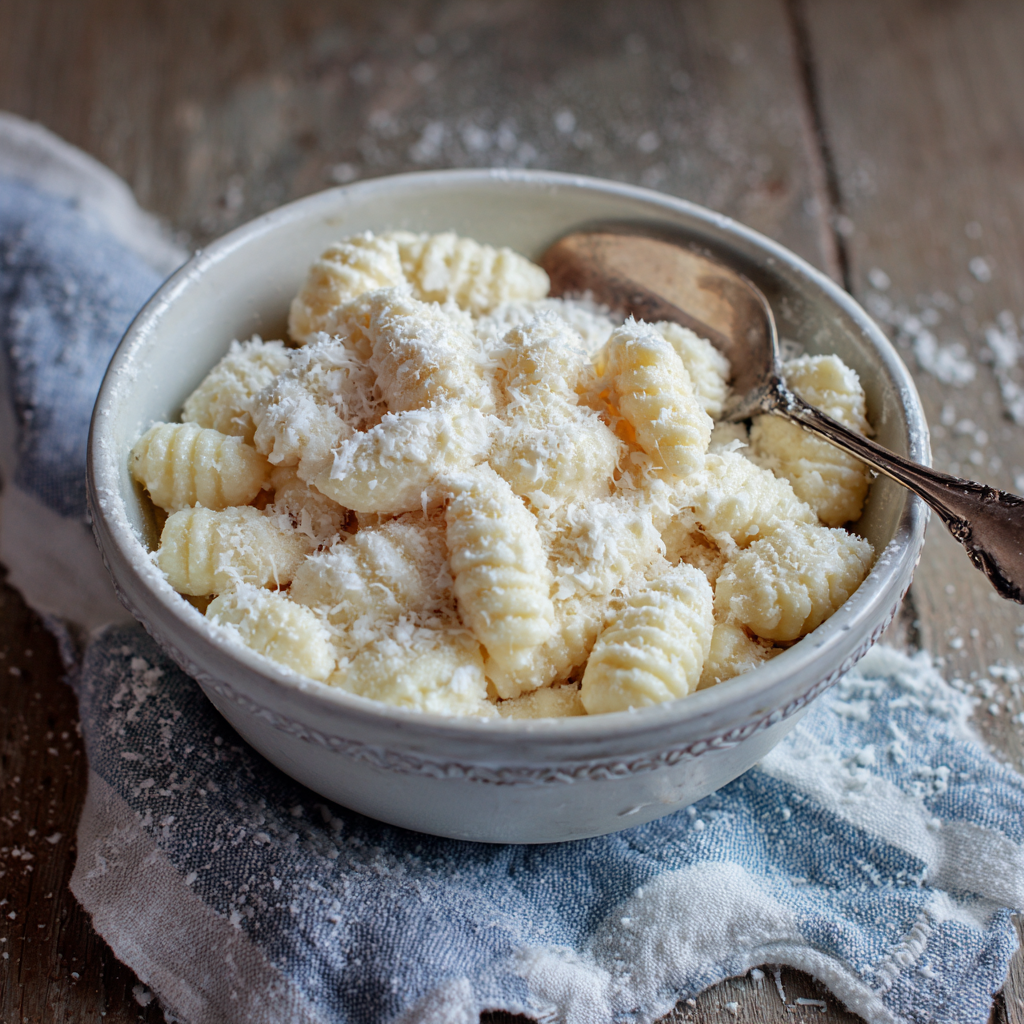
Ricotta Cavatelli Recipe Overview
Prep Time: 30 minutes
Cook Time: 5 minutes
Total Time: 35 minutes
Course: Pasta
Cuisine: Italian
Servings: 4 people
Difficulty: Easy
This homemade ricotta cavatelli recipe uses simple ingredients to create soft, tender Italian pasta that can be served with tomato sauces, creamy sauces, or butter-based toppings.
What is Ricotta Cavatelli?
Ricotta cavatelli: a soft, pillow-like pasta from southern Italy. It supplies the dough with something to help it hold its shape and not be so mushy. Unlike ordinary cavatelli, which is made predominantly of hard semolina flour and water, ricotta cavatelli incorporates fresh cheese ricotta into its dough.
This not only enhances its flavour but also gives it a soft, delicate texture that melts in the mouth, rounding out merely a part of it. Ricotta cavatelli is also a versatile pasta, matching beautifully with many different kinds of sauce: you name it- from simple brown butter and sage to robust tomato-based sauces. Its smooth texture made it popular among Italian kitchens and eventually a favourite of our home cooks everywhere.
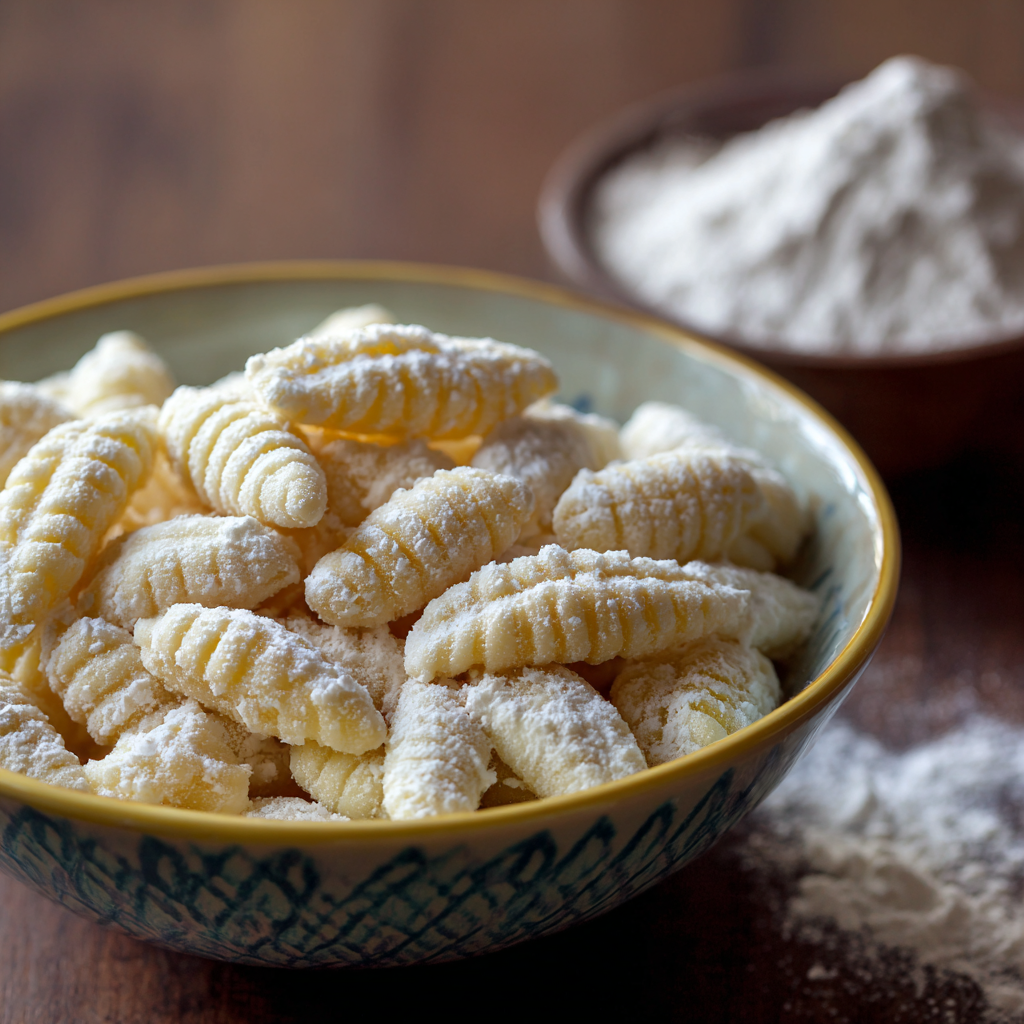
What Is the Difference Between Cavatelli and Ricotta Cavatelli?
Traditional cavatelli is usually made with semolina flour and water, creating a firm and slightly chewy pasta texture. Ricotta cavatelli, however, includes fresh ricotta cheese in the dough.
The addition of ricotta makes the pasta softer, lighter, and slightly creamy. It also gives the dough more moisture, making it easier to shape at home.
While both versions pair well with Italian sauces, ricotta cavatelli is especially popular for those who prefer a more delicate homemade pasta texture.
The Unique Texture and Taste of Ricotta Cavatelli
It is the cheese itself that works behind the delightful softness of ricotta cavatelli. Ricotta’s infusion of moisture into the dough makes this pasta lighter and more tender than any other cavatelli out there. Ricotta also adds a subtle tang, as well as a creamy taste that can be the perfect complement to almost any kind of sauce.
Key qualities of ricotta cavatelli:
- Soft, pillowy texture: melts in the mouth.
- Slightly tangy flavor: natural from ricotta.
- Moist dough: less flour needed, resulting in lighter pasta.
- Versatility: pairs with tomato, cream, or butter-based sauces.
Why Choose Ricotta for Cavatelli Dough
Using ricotta in cavatelli dough brings several advantages:
- Tenderness: The pasta is softer without being mushy.
- Reduced flour content: This makes the pasta lighter and less dense.
- Enhanced flavor: Creamy and subtly tangy.
- Easier shaping: Slightly sticky dough is easier to roll and form cavatelli shapes.
And with ricotta cavatelli, homemakers can now cut both their cooking time and mess in half – a boon for those feeling pressed. Because it needs only a little kneading and high moisture content, traditional pasta takes longer to cook than the dough of ricotta cavatelli.
What Type of Ricotta Is Best for Cavatelli?
For the best ricotta cavatelli texture, use fresh whole-milk ricotta cheese.
Whole-milk ricotta provides the right balance of moisture and creaminess, creating soft pasta dough that is easy to shape.
Avoid using ricotta with too much liquid because excess moisture can make the dough sticky and difficult to work with. If needed, drain the ricotta through a fine mesh strainer before mixing the ingredients.
Can You Make Ricotta Cavatelli Without a Pasta Machine?
Yes, you can make ricotta cavatelli completely by hand without any special pasta equipment.
The traditional method only requires a flat surface, a knife, and your hands. After preparing the dough, simply roll it into small ropes, cut small pieces, and press each piece with your thumb to create the classic cavatelli shape.
A fork or a wooden cavatelli board can also be used to create deeper grooves that help the pasta hold more sauce.
Ingredients for Ricotta Cavatelli Recipe
Creating homemade ricotta cavatelli is simple and requires just a few fresh ingredients. Here’s what you need for a classic recipe:
| Ingredient | Quantity | Notes |
|---|---|---|
| Fresh ricotta cheese | 1 cup (250g) | Whole-milk ricotta is best for a creamy and tender texture. |
| All-purpose flour | 1 to 1½ cups (120–180g) | Add gradually until the dough becomes soft and easy to handle. |
| Egg | 1 large egg (optional) | Provides structure and helps bind the dough. |
| Salt | ½ teaspoon | Enhances the flavor of the pasta. |
| Olive oil | 1 teaspoon (optional) | Creates a smoother dough texture. |
| Fresh herbs | 1–2 tablespoons (optional) | Basil, parsley, or thyme for extra flavor. |
Tips:
- Use well-drained ricotta to avoid overly sticky dough.
- For healthier options, try whole wheat flour or gluten-free blends.
- Adding finely chopped spinach or herbs gives a colorful, flavorful twist.
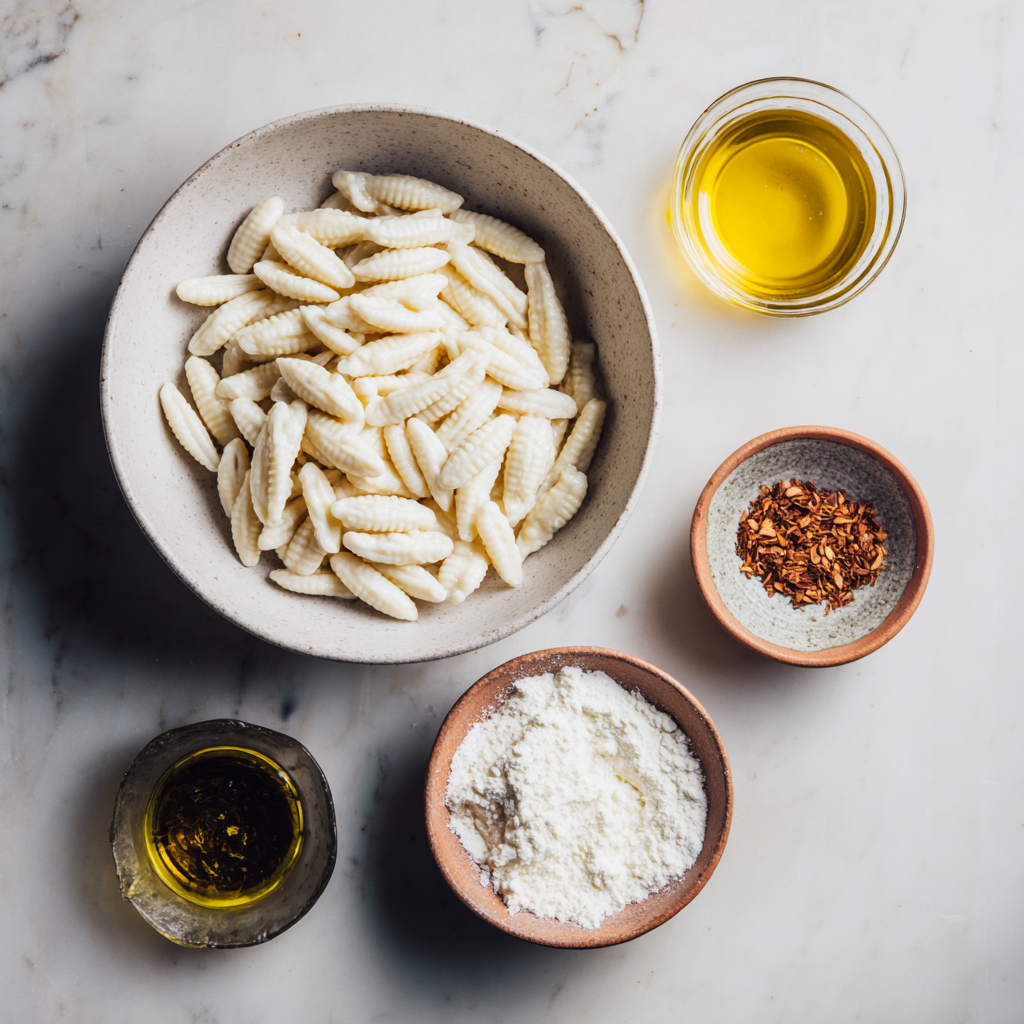
Step-by-Step Ricotta Cavatelli Recipe
Making ricotta cavatelli at home might seem intimidating, but with careful steps, anyone can achieve restaurant-quality results. Follow these steps:
Preparing the Dough
- Place ricotta in a large mixing bowl.
- Add salt and mix gently.
- Gradually add flour, mixing with a spatula until a soft dough forms.
- Optional: add a beaten egg to bind the dough.
- Transfer to a floured surface and knead lightly for 2–3 minutes.
Pro Tip: Dough should be soft but not sticky. Add more flour sparingly if needed. Over-kneading can make the pasta dense.
Shaping the Cavatelli
- Divide dough into small portions.
- Roll each portion into logs about 1/2 inch thick.
- Cut logs into 3/4-inch pieces.
- Shape each piece into cavatelli by pressing with your thumb or rolling over a fork.
- Place shaped pasta on a floured tray to prevent sticking.
Tools You Can Use:
- Fork
- Cavatelli board
- Hands only
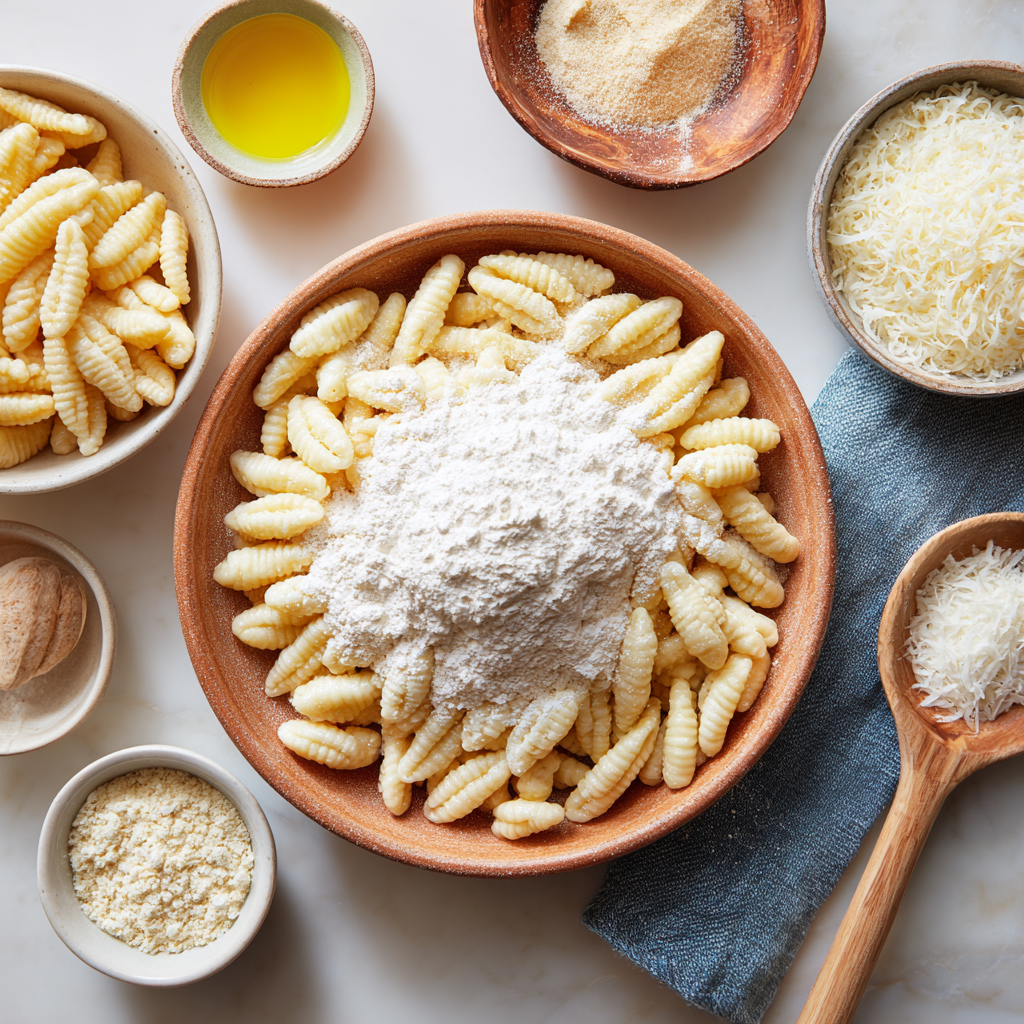
Cooking Ricotta Cavatelli
- Bring a large pot of salted water to a boil.
- Add cavatelli in batches to avoid overcrowding.
- Cook for 2–4 minutes, until they float to the surface.
- Drain and toss with sauce immediately.
Tip: Test one piece before draining to ensure perfect texture.
Best Sauces for Ricotta Cavatelli
Ricotta cavatelli works well with both simple and rich Italian sauces because of its soft texture.
Some of the best sauce pairings include:
- Tomato basil sauce: A classic Italian combination with fresh flavors.
- Brown butter and sage sauce: A simple sauce that highlights the pasta’s delicate taste.
- Creamy Parmesan sauce: Adds extra richness and a smooth texture.
- Garlic and olive oil sauce: A lighter option for a quick meal.
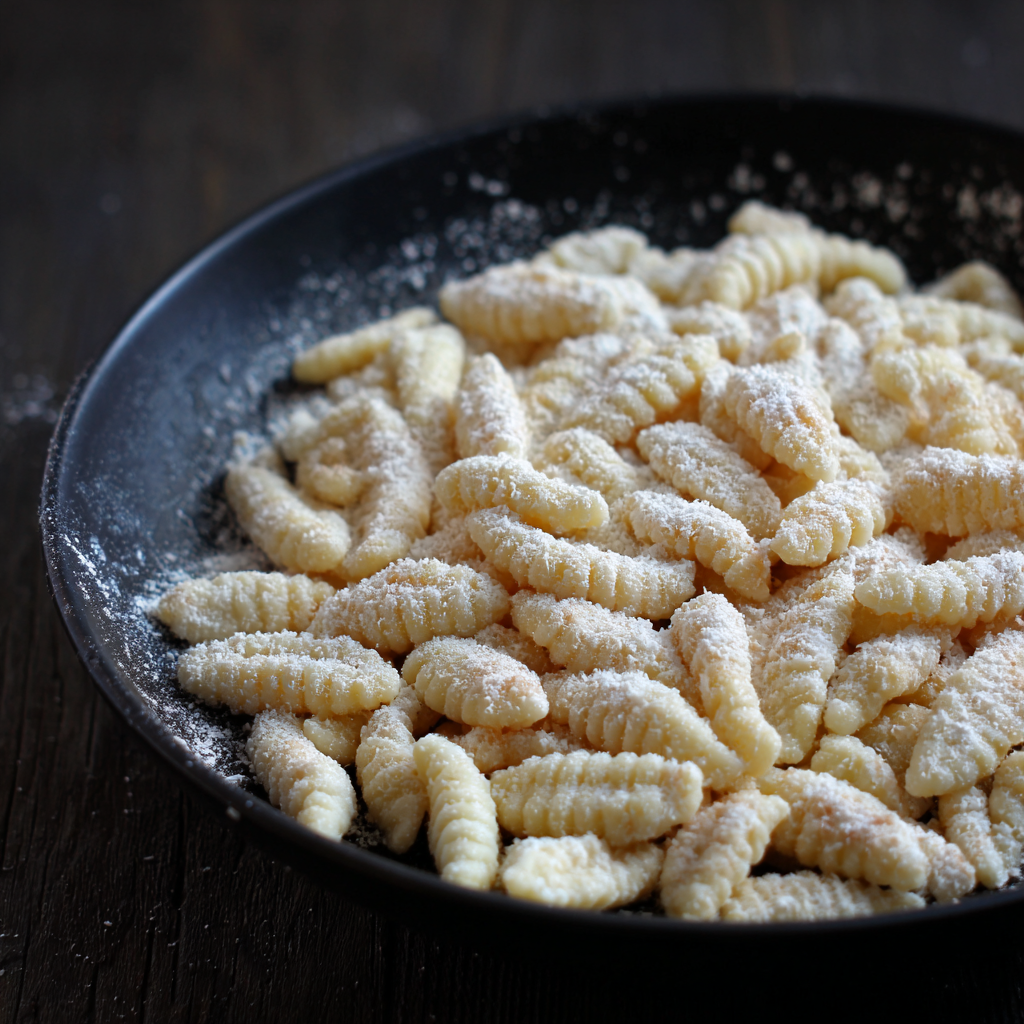
The pasta’s small shell-like shape helps capture sauce, making every bite flavorful.
Tips for the Perfect Ricotta Cavatelli
Achieving the perfect ricotta cavatelli requires attention to detail. Follow these tips:
- Use fresh ricotta – full-fat ricotta gives the best texture.
- Don’t over-flour the dough – it should remain soft and pliable.
- Salt your boiling water – enhances flavor during cooking.
- Cook in small batches – prevents sticking.
- Freeze for later – shaped but uncooked cavatelli freeze well for up to 1 month.
Common Mistakes When Making Ricotta Cavatelli
Even experienced cooks can make errors. Avoid these:
- Dough too sticky – add flour gradually.
- Dough too dry – ricotta may be too dry; add a teaspoon of water.
- Overcooking – ricotta cavatelli cooks quickly.
- Uneven shaping – leads to inconsistent cooking.
Variations of Ricotta Cavatelli Recipes
Spinach or Herb Ricotta Cavatelli
- Add finely chopped spinach or fresh herbs to the dough.
- Provides color and subtle flavor enhancements.
Gluten-Free Ricotta Cavatelli
- Use a blend of gluten-free flour, xanthan gum, and ricotta.
- Cook carefully as gluten-free dough can be delicate.
Mini Ricotta Cavatelli
- Perfect for soups or pasta salads.
- Reduces cooking time and works as an appetizer.
Can You Make Ricotta Cavatelli Ahead of Time?
Yes, ricotta cavatelli is a great make-ahead pasta recipe.
You can prepare the dough and shape the pasta several hours before cooking. Keep the uncooked cavatelli on a lightly floured tray in the refrigerator until ready to use.
For longer storage, freeze the shaped pasta and cook it directly from frozen when needed.
How to Store and Freeze Ricotta Cavatelli
| Method | Instructions |
|---|---|
| Refrigerator | Keep uncooked pasta in a floured container for up to 24 hours |
| Freezing | Shape cavatelli, place on tray, freeze, then store in zip-lock bag for up to 1 month |
| Reheating | Boil from frozen 3–5 mins or sauté in sauce gently |
Pro Tip: Dust with flour before freezing to prevent sticking.
Approximate Nutrition (per serving)
Calories: 210 kcal
Protein: 8g
Carbohydrates: 30g
Fat: 6g
*Nutrition values are estimates and may vary depending on ingredients used.
FAQs About Ricotta Cavatelli Recipe
Q1: Can I make ricotta cavatelli without an egg?
A: Yes, ricotta provides enough moisture and binding.
Q2: Can I use store-bought tub ricotta?
A: Yes, but drain excess liquid for better dough consistency.
Q3: How long does homemade ricotta cavatelli last?
A: Up to 24 hours in the fridge; longer if frozen.
Q4: What sauces go best with ricotta cavatelli?
A: Brown butter sage, tomato basil, cream sauce, or vegetable-based sauces.
Q5: Can I freeze uncooked ricotta cavatelli?
A: Yes, freeze on a tray, then store in zip-lock bags for up to 1 month.
Why Homemade Ricotta Cavatelli Is Worth Making
Making ricotta cavatelli at home is easier than many people expect. The dough comes together quickly, and shaping each piece becomes a fun cooking activity for families and pasta lovers.
Fresh homemade pasta has a softer texture and richer flavor compared with dried pasta. Once you learn the basic technique, you can customize the recipe with herbs, vegetables, and different sauces.
Conclusion
Making homemade ricotta cavatelli is easier than it looks. With simple ingredients and a few shaping techniques, you can create fresh Italian pasta with a soft texture and rich flavor.
Whether you serve it with tomato sauce, brown butter and sage, or a creamy Parmesan sauce, this ricotta cavatelli recipe brings authentic Italian comfort food to your kitchen.
Try different herbs, sauces, and toppings to create your own favorite version of this classic homemade pasta.
Easy Ricotta Cavatelli Recipe
Equipment
- Large mixing bowl
- Spoon or spatula
- Floured surface for kneading
- Knife or dough cutter
- Fork or cavatelli board
- Large pot for boiling
- Slotted spoon or colander
Ingredients
- 1 cup 250g fresh ricotta cheese (whole milk recommended)
- 1 to 1.5 cups 120–180g all-purpose flour
- 1 egg optional
- 1/2 tsp salt
- 1 tsp olive oil optional
- 1 –2 tbsp fresh herbs optional – basil, parsley, or thyme
Instructions
- Prepare the dough: In a large bowl, mix ricotta, salt, and egg (if using). Gradually add flour until a soft dough forms. Knead lightly for 2–3 minutes on a floured surface.
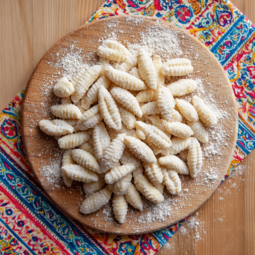
- Shape the cavatelli: Divide dough into small logs about 1/2 inch thick. Cut into 3/4-inch pieces. Shape each piece by pressing with your thumb or rolling over a fork/cavatelli board. Dust with flour to prevent sticking.
- Cook the pasta: Bring a large pot of salted water to boil. Cook cavatelli in batches for 2–4 minutes until they float. Drain using a slotted spoon.
- Serve: Toss with your choice of sauce and garnish with Parmesan or fresh herbs. Serve immediately.
Notes
- Use fresh, well-drained ricotta for best results.
- Do not over-flour the dough; it should remain soft and tender.
- Shape pasta evenly for consistent cooking.
- Freeze shaped cavatelli on a tray, then store in zip-lock bags for up to 1 month.
- Test one piece before draining to ensure perfect texture.
Share Your Twist!
Have you tried making ricotta cavatelli with different sauces, herbs, or fillings?
Share your favorite variations and cooking tips. Homemade pasta is all about creativity, and every version can bring a new Italian-inspired flavor to the table.