
Cinnamon is most popularly associated with a warm, aromatic spice used in muesli, baked foods, tea, and many traditional recipes. In addition to its flavour, however, cinnamon contains natural plant compounds that have become of scientific interest because of their antioxidant and other biological properties.
This has also helped drive interest in cinnamon for brain health. Does cinnamon actually improve memory and cognition? Is Ceylon cinnamon better than Cassia? And how much cinnamon do you use?
Cinnamon is a spice that can be part of a healthy diet, but you have to separate its nutrition from claims that it can cure memory loss or neurological conditions. The research is in its early stages, and cinnamon should not be used in place of medical care.
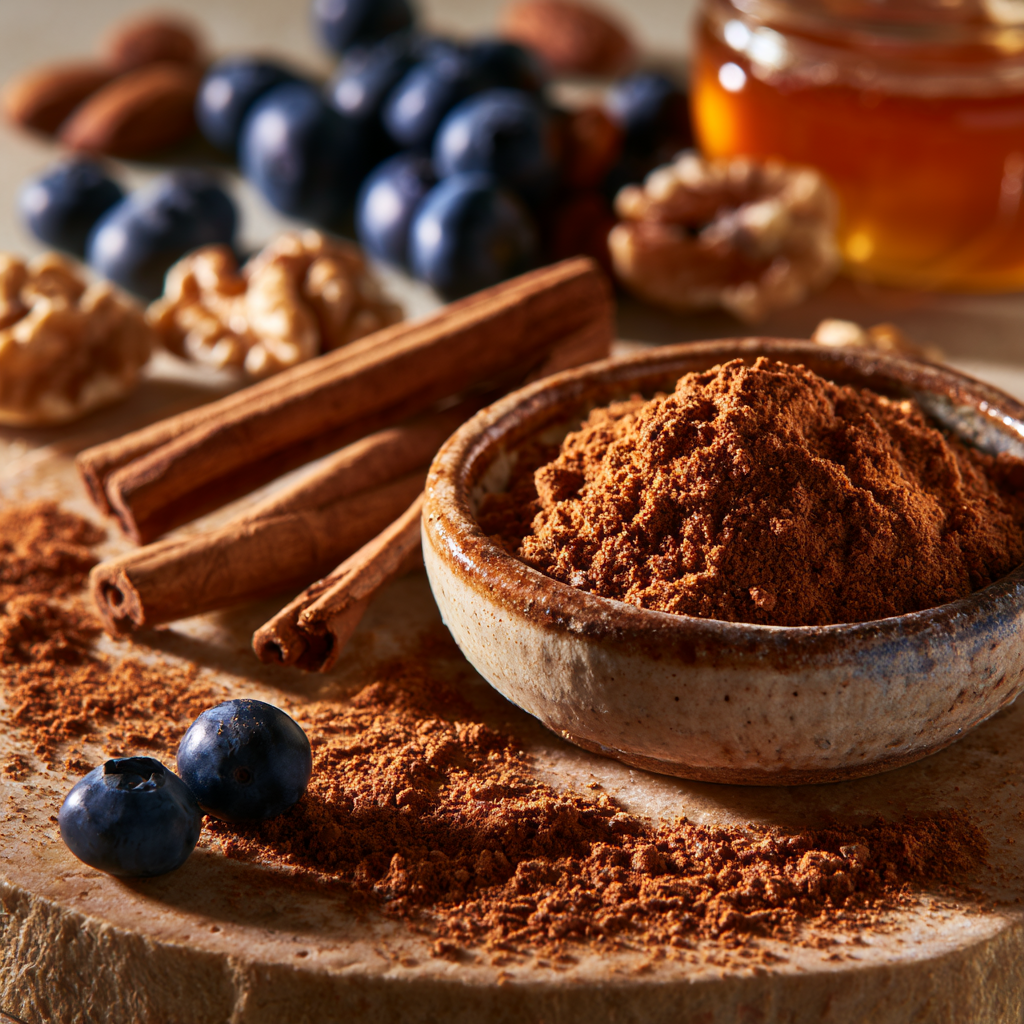
Is Cinnamon Good for Brain Health?
Cinnamon contains several natural compounds such as polyphenols and cinnamaldehyde. These compounds are responsible for the characteristic scent of cinnamon and have been studied for their antioxidant and other biological effects.
Regarding ageing and brain health, researchers look at processes like oxidative stress and inflammation. Cinnamon contains antioxidant compounds, and scientists have explored whether components of the spice may have neurological effects.
But studies of individual compounds, lab experiments, and animal studies don’t tell us what eating cinnamon will do to memory in humans.
Cinnamon is best seen as a tasty component of an overall healthy diet, not as a treatment for brain health.
Potential Cinnamon Benefits for Brain Health
Research into cinnamon continues, but several characteristics explain why the spice attracts attention in discussions about cognitive health.
1. Contains Antioxidant Compounds
Cinnamon naturally contains a variety of plant compounds and polyphenols with antioxidant activity.
They are antioxidants that help the body deal with oxidative processes that damage cells when they get out of control.
Thus, cinnamon is an interesting spice from the nutritional standpoint. But just because a food has antioxidant activity doesn’t mean it’s been clinically proven to prevent cognitive decline.
2. May Support a Brain-Friendly Diet
One of the most practical benefits of cinnamon, surprisingly, is just flavour.
A dash of cinnamon can flavour foods such as muesli, plain yoghurt, fruit and unsweetened beverages without the need for lots of extra sugar.
That suggests cinnamon may be a useful component of a healthy diet.
Cinnamon and Cognitive Research
Scientists have studied cinnamon and compounds derived from cinnamon in connection with neurological processes.
There is some interesting evidence from laboratory and animal studies, although the human evidence is a bit more limited.
This makes a difference.
That a study showed an effect in cells or animals is not proof that adding cinnamon to breakfast will improve a person’s memory.
More high-quality human research is needed before firm conclusions can be drawn.
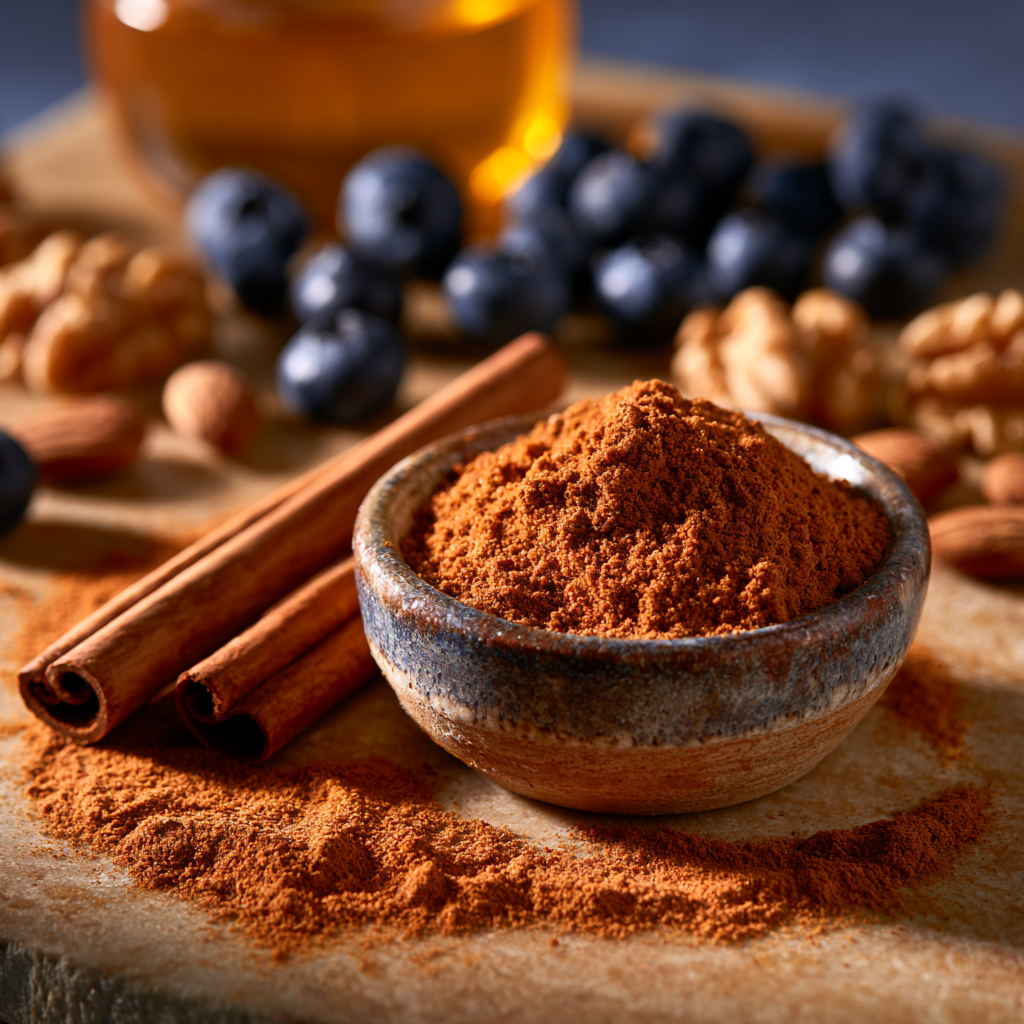
Cinnamon and Memory: What Does the Research Say?
Cinnamon and memory are an area of growing study.
Studies have investigated cinnamon or its constituents in learning, memory, oxidative stress, inflammation, and neurological pathways. The quality and type of evidence, however, vary widely.
A few results are from lab experiments. Other studies are on animals, but human studies are still few.
It is therefore wise to approach claims that cinnamon can “restore memory,” “reverse memory loss,” or “prevent dementia” with caution.
Of course, cinnamon is not a treatment for memory disorders, but it can be a part of a healthy diet.
Ceylon vs Cassia Cinnamon for Brain Health
Not all cinnamon is the same.
Two commonly encountered categories are Ceylon cinnamon and Cassia cinnamon.
Ceylon Cinnamon
Ceylon cinnamon is sometimes called “true cinnamon.” It is taken mainly from Cinnamomum verum.
It is usually a lighter colour and more delicate, with a slightly sweeter taste, than Cassia.
One major difference is that it usually has less coumarin.
This means that Ceylon cinnamon is a practical choice for those who use a lot of cinnamon in their food.
Cassia Cinnamon
Cassia is more common in supermarkets and has a stronger flavour.
It also tends to have a lot more coumarin than Ceylon cinnamon.
Coumarin is a natural substance that can be a concern if consumed in large amounts regularly.
That’s not to say everyone should avoid the occasional culinary use of Cassia cinnamon. It just provides us with an additional reason not to assume that more and more cinnamon will give us more and more health benefits.
Which Cinnamon Is Best for Brain Health?
There is no single type of cinnamon that has been clinically proven to be the best for improving brain function.
Both Ceylon and Cassia have plant compounds in them.
However, if you are going to be consuming cinnamon regularly, many people prefer Ceylon cinnamon, as it usually has significantly less coumarin than Cassia.
The point is moderation.
Cinnamon should be used as a culinary ingredient and not taken in large quantities as a memory-enhancing supplement.
How to Use Cinnamon in a Brain-Friendly Diet
Cinnamon is easy to incorporate into everyday meals.
Instead of taking large spoonfuls of cinnamon on its own, use small amounts to flavor nutritious foods.
Cinnamon and Oatmeal
Sprinkle cinnamon over oatmeal and combine it with blueberries, walnuts, chia seeds, or sliced fruit.
This creates a breakfast containing whole grains and a variety of plant foods.
Cinnamon and Yogurt
Add a small amount of cinnamon to plain yogurt with berries and nuts.
If additional sweetness is needed, a small drizzle of honey can be added.
Cinnamon and Fruit
Cinnamon works particularly well with apples, bananas, pears, and berries.
Try sprinkling it over sliced fruit rather than relying on heavily sweetened toppings.
Cinnamon in Tea
A cinnamon stick can be steeped in tea or warm water for flavor.
Ginger or lemon can also be added according to taste.
Cinnamon in Smoothies
A small pinch of cinnamon can complement smoothies containing berries, yogurt, oats, nuts, or seeds.
Cinnamon is a common partner of honey in traditional food and wellness applications.
A simple mixture is generally a small amount of cinnamon mixed with honey. It can be eaten straight away, added to food, or stirred into a warm drink.
Honey provides carbohydrates and naturally occurring compounds, while cinnamon adds its signature polyphenols and flavour.
This can be a delicious combination, but there is not enough evidence at this time to say that combining the two creates a treatment for memory loss or cognitive decline.
Want to prepare the combination? See our Honey Trick for Memory Recipe for the full method of preparation, ratios, and optional ingredients.
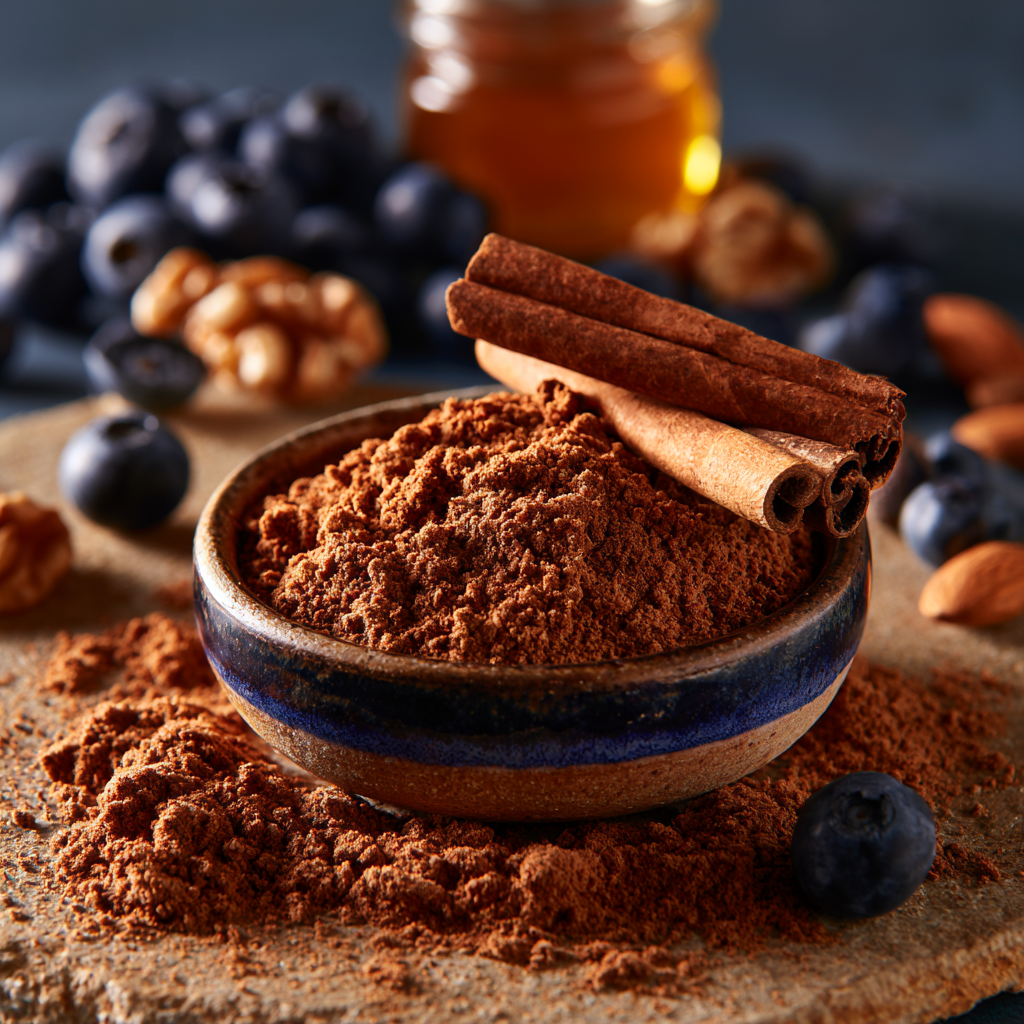
Cinnamon, Honey, and Walnuts
Another way to use cinnamon is alongside honey and walnuts.
Walnuts provide protein, fiber, unsaturated fats, minerals, and alpha-linolenic acid (ALA), a plant-based omega-3 fatty acid.
Try combining:
- Plain yogurt
- Chopped walnuts
- Fresh blueberries
- A small drizzle of honey
- A sprinkle of cinnamon
This creates a more nutritionally diverse meal than consuming cinnamon and honey alone.
You can also read our guide to the Best Honey for Brain Health to learn about raw honey, Manuka honey, buckwheat honey, and darker varieties.
How Much Cinnamon Should You Use?
Cinnamon is generally used in relatively small quantities for cooking.
There’s no proven dose of cinnamon that people should take specifically to improve memory or brain health.
This is important because more cinnamon is not always better.
Cassia cinnamon can contain relatively high levels of coumarin, so it’s not advisable to consume it in large amounts over long periods.
Don’t supplement with cinnamon, but add small amounts to your food and drinks for flavour.
If you are considering taking concentrated cinnamon supplements, you should consult with an appropriate health care professional about your individual circumstances.
Best Time to Take Cinnamon for Brain Health
There is no scientifically established ‘best time’ to take cinnamon for brain health.
You can use it when it fits naturally into your diet.
For example, muesli at breakfast, yoghurt as a snack, fruit after a meal, or an unsweetened, warm beverage flavoured with cinnamon.
How good your overall eating pattern is is much more important than whether you eat cinnamon in the morning or in the evening.
Can You Take Cinnamon Every Day?
For many people, small culinary amounts of cinnamon can be a regular part of the diet.
But it is the type and the amount that counts.
As Cassia cinnamon generally contains more coumarin, eating a lot of it regularly could be an unnecessary risk.
Ceylon cinnamon contains less coumarin and so might be a better option for regular kitchen use.
Those on medication, those with medical conditions, or those considering large amounts of cinnamon should seek individual professional advice.
Does Cinnamon Improve Focus and Concentration?
You may read on the Internet that cinnamon may quickly increase concentration or sharpen the brain.
The evidence is not strong enough to make such sweeping promises.
Researchers are intrigued by cinnamon’s smell, taste, and phytochemicals. But don’t count on eating cinnamon to boost your concentration right away, or by a lot.
To keep your focus at a consistent level, make sure you get enough sleep, drink enough water, eat balanced meals, exercise regularly, and take breaks from mentally taxing work.
Can Cinnamon Prevent Memory Loss?
There is not enough evidence at this time to recommend cinnamon for preventing or treating memory loss.
Memory changes can be caused by a variety of factors, including sleep deprivation, stress, medications, and underlying medical issues.
Thus, it is especially important not to rely on a spice or home remedy when major memory changes are occurring.
If you are experiencing persistent, worsening, or unexplained memory problems, you should see a qualified health care professional.
Other Foods That Support a Brain-Friendly Diet
Rather than focusing exclusively on cinnamon, aim for variety.
Foods commonly included in balanced dietary patterns include:
- Berries
- Walnuts and other nuts
- Seeds
- Leafy green vegetables
- Whole grains
- Beans and legumes
- Fish
- Olive oil
- Fruit
- Plain yogurt and other nutritious foods appropriate to your diet
Cinnamon can complement many of these foods, but it doesn’t need to be the centerpiece of your brain-health strategy.
Common Mistakes When Using Cinnamon
Assuming More Cinnamon Means More Benefits
Large amounts do not guarantee better results. Cinnamon should primarily be treated as a spice.
Using Cinnamon as a Memory Treatment
Cinnamon is not an established treatment for dementia, Alzheimer’s disease, or other causes of memory loss.
Ignoring the Type of Cinnamon
Ceylon and Cassia differ, particularly in their typical coumarin levels.
Taking Concentrated Supplements Without Guidance
Cinnamon supplements can provide considerably different amounts than normal culinary use and may interact with medications or health conditions.
Expecting Immediate Results
There is no good evidence that a spoonful of cinnamon produces an immediate improvement in memory or concentration.
Frequently Asked Questions About Cinnamon and Brain Health
Is cinnamon good for your brain?
Cinnamon contains naturally occurring antioxidant compounds and other plant chemicals that are being studied for their biological effects. However, there is not enough clinical evidence to consider cinnamon a treatment for improving brain function or memory.
Which cinnamon is best for brain health?
No type of cinnamon has been proven to be the best for cognitive health. Ceylon cinnamon is often preferred for frequent culinary use because it generally contains less coumarin than Cassia cinnamon.
Is Ceylon cinnamon good for memory?
Ceylon cinnamon contains plant compounds that are of scientific interest, but there is not enough clinical evidence to show that consuming Ceylon cinnamon improves memory in humans.
Can cinnamon improve memory?
Research into cinnamon and cognitive health is ongoing. Current evidence does not establish cinnamon as a proven way to improve memory or treat memory problems.
Can I mix cinnamon with honey for brain health?
Yes. Cinnamon and honey can be combined in foods and drinks as part of a balanced diet. However, the combination has not been proven to treat memory loss or improve cognitive function.
How much cinnamon should I use?
There is no established dose of cinnamon specifically for brain health. Small culinary amounts are generally more appropriate than consuming large quantities in an attempt to gain health benefits.
Can I use cinnamon every day?
Many people use small culinary amounts of cinnamon regularly. However, frequent high intake of Cassia cinnamon may increase exposure to coumarin, so the type and amount of cinnamon matter.
Does cinnamon help with memory loss?
Cinnamon is not an established treatment for memory loss. Persistent or worsening memory changes should be discussed with a qualified healthcare professional.
Conclusion
Cinnamon is not a cure for memory loss, but the best way to use cinnamon for brain health is as part of an overall nutritious lifestyle.
Cinnamon contains naturally occurring compounds, including polyphenols, which continue to attract scientific interest. There is no evidence at present that cinnamon can cure memory loss, prevent dementia or dramatically enhance cognitive performance.
Ceylon cinnamon may be more practical for frequent culinary use, as it generally contains less coumarin than Cassia. Small amounts are easily added to muesli, yoghurt, fruit, tea, smoothies, walnuts and honey.
In the end, one spice is not enough for long-term brain health. However, a nutritious diet, getting plenty of exercise and sleep, the right medical care, and other healthy lifestyle habits are far more important than relying on cinnamon alone.