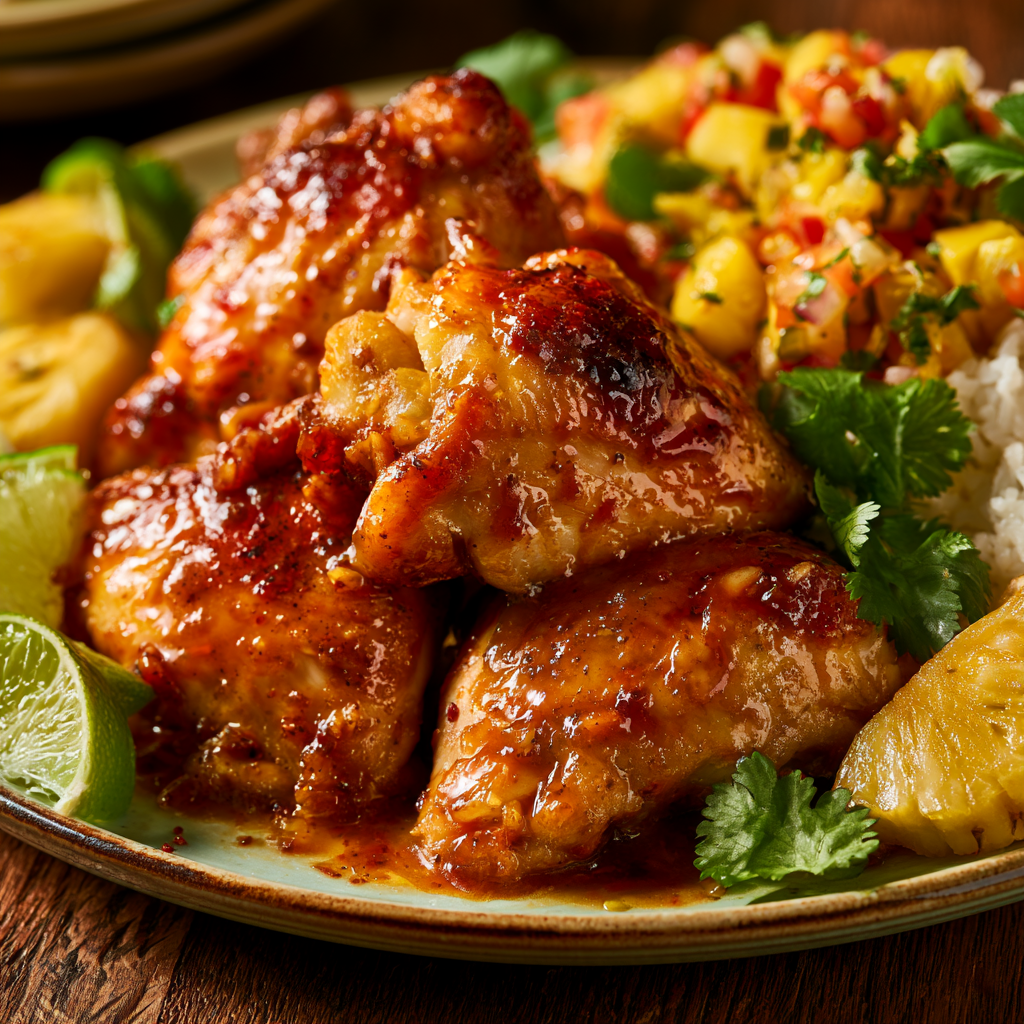
There is more to making a great chicken than basting it in spices; there’s the whole balancing act. The Kama Sutra Chicken Recipe is conceived in contrast: juicy, spice-marinated chicken with nuanced sweetness and fragrant spices lightly kissed by mild heat that increases bite by bite.
This is not just about a hot, spicy chicken recipe; heat it while making it work by layering flavors. The chicken is infused with a meticulously crafted marinade, attains exquisitely dark surface tones when cooked, and is lacquered to completion in a sweet-savory-spicy sauce.
The point is not an overwhelming spice. You want a dish where all the ingredients are doing something with intention. The spices add layers of warmth, the marinade tenderizes, and the flavour is brilliantly tropical.
Great for anyone who wants more than boring chicken dinners, and an ideal recipe if you want something that feels special (but is suitable for home cooking).
What Makes This Chicken Recipe Different?
A lot of chickens rely on a singular note. For instance, Jamaican jerk chicken recipes tend toward bold spices and robust seasoning, while coconut milk chicken curry recipes have a creamier texture and fragrant sauces.
This recipe takes inspiration from those flavor ideas but creates its own style by combining:
- Warm spices for depth
- Sweet ingredients for balance
- Chili elements for controlled heat
- Aromatic ingredients for complexity
- A caramelized finish for richer flavor
The result is chicken that is flavorful from the inside rather than only coated on the outside.
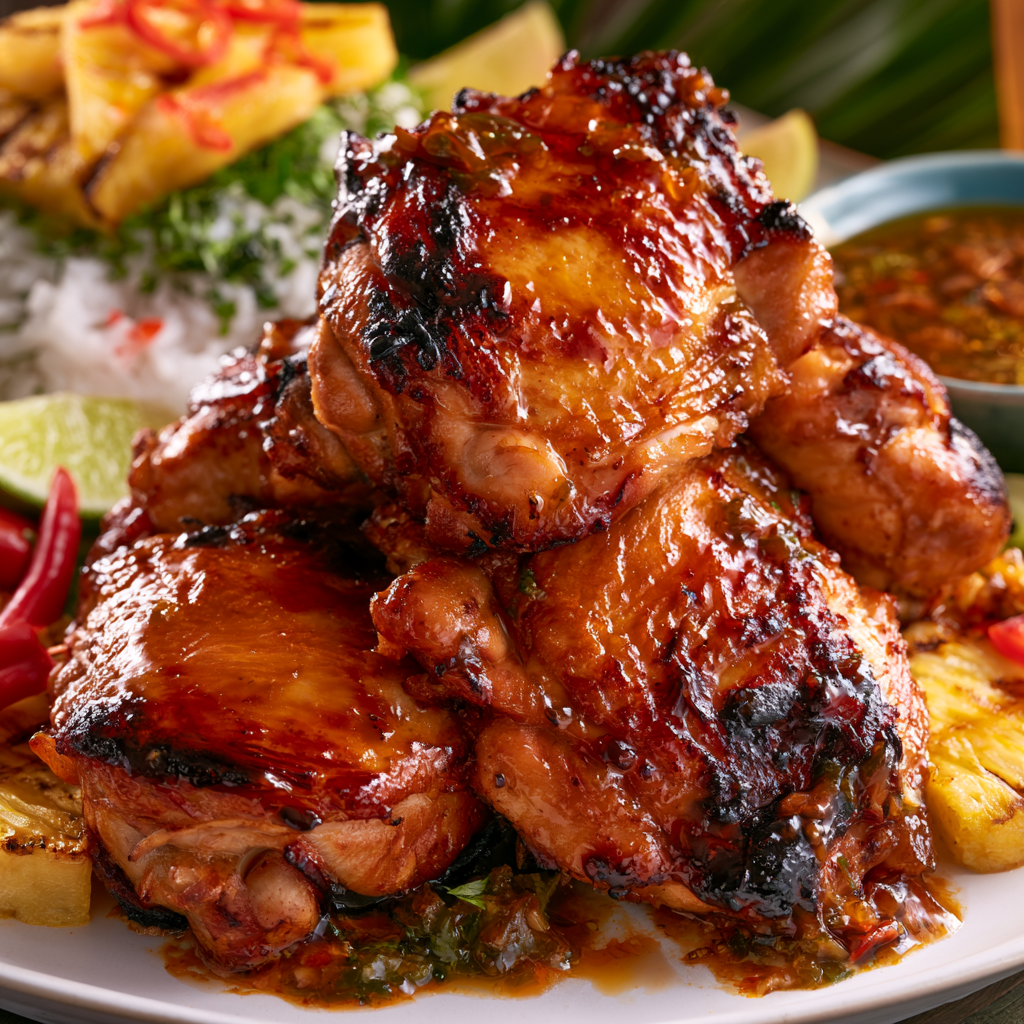
Choosing the Right Chicken for Maximum Flavor
The chicken cut you choose changes the final texture.
Chicken Thighs
Chicken thighs are often the best option because they contain more natural fat, which helps them stay juicy during cooking. They also handle longer marinating times well.
Chicken Breast
Chicken breast works if you prefer a leaner option, but it needs more attention because it can dry out faster.
If using breast meat:
- Cut it into even pieces.
- Avoid overcooking.
- Keep the marinade time moderate.
Bone-In Chicken
Bone-in pieces create deeper flavor because the meat stays moist during cooking. They are especially useful if you want a more traditional dinner-style presentation.
The Secret Is the Spicy Chicken Marinade
The marinade is the foundation of this dish. A good spicy chicken marinade should not only add heat — it should improve flavor and texture.
The main components work together:
Acid
Ingredients such as lime juice or vinegar help brighten the flavor and allow the seasoning to penetrate the chicken surface.
Too much acid, however, can affect texture and make the outer layer of chicken soft.
Aromatics
Garlic, ginger, onion, and herbs create the background flavor that makes the dish taste complex.
Sweet Elements
Honey, brown sugar, or another natural sweetener helps balance spice and encourages beautiful browning during cooking.
Spices
A combination of warm spices creates the signature character. The spices should support the chicken rather than hide its natural flavor.
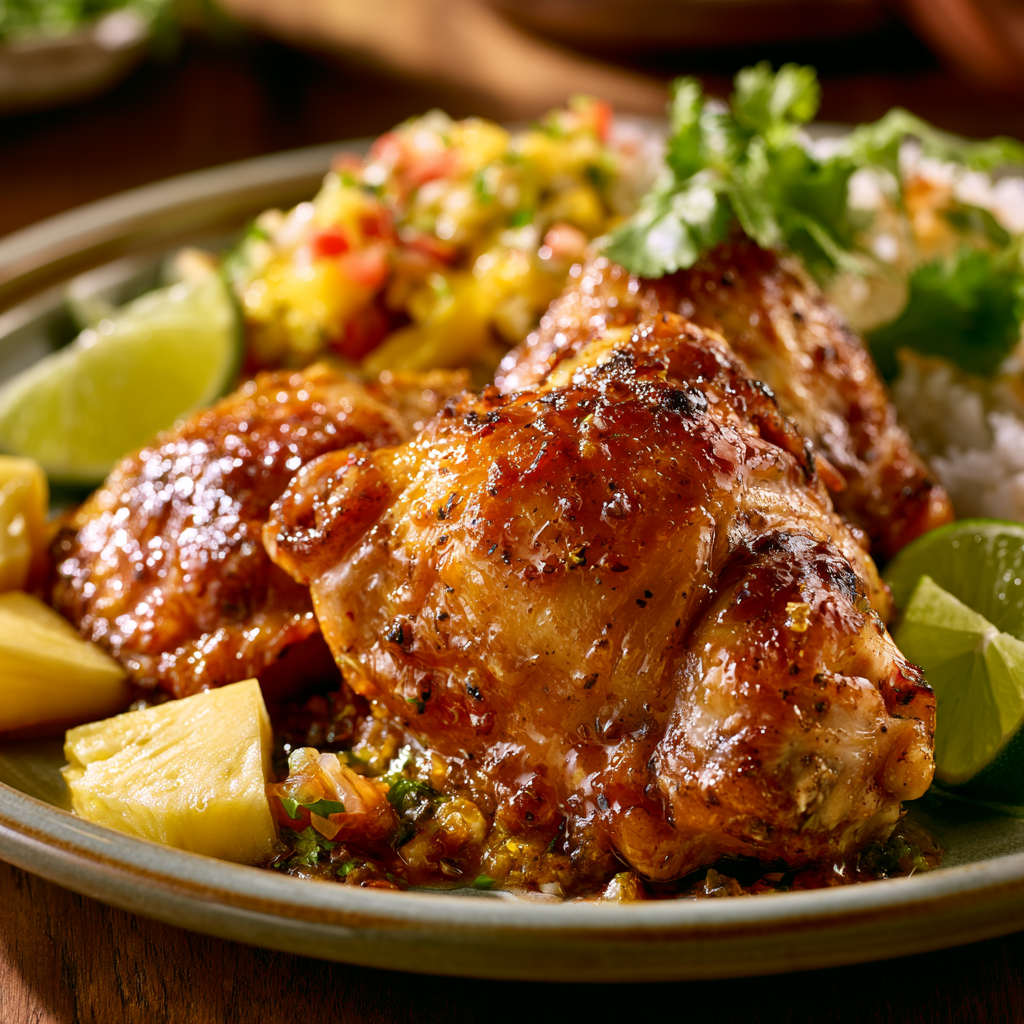
How to Build the Perfect Flavor Balance
The biggest challenge with sweet and spicy chicken recipes is creating harmony between opposite flavors.
Too much sweetness can make the dish taste like a glaze.
Too much chili can cover the other ingredients.
A balanced version should have:
- A noticeable aroma before the first bite
- Gentle heat that builds gradually
- A savory base
- A slightly sweet finish
- A fresh element that prevents heaviness
Taste the sauce before adding it to the chicken. Adjust sweetness and spice while the flavors are still easy to control.
Marinating Time: How Long Is Enough?
Marinating is where the chicken develops its character.
For best results:
- Minimum time: 30 minutes
- Better flavor: 2–4 hours
- Maximum for most marinades: overnight
Longer is not always better. If the marinade contains acidic ingredients, leaving chicken too long can change the texture.
Before cooking, remove excess marinade from the chicken surface. A thin coating creates better browning than a thick wet layer.
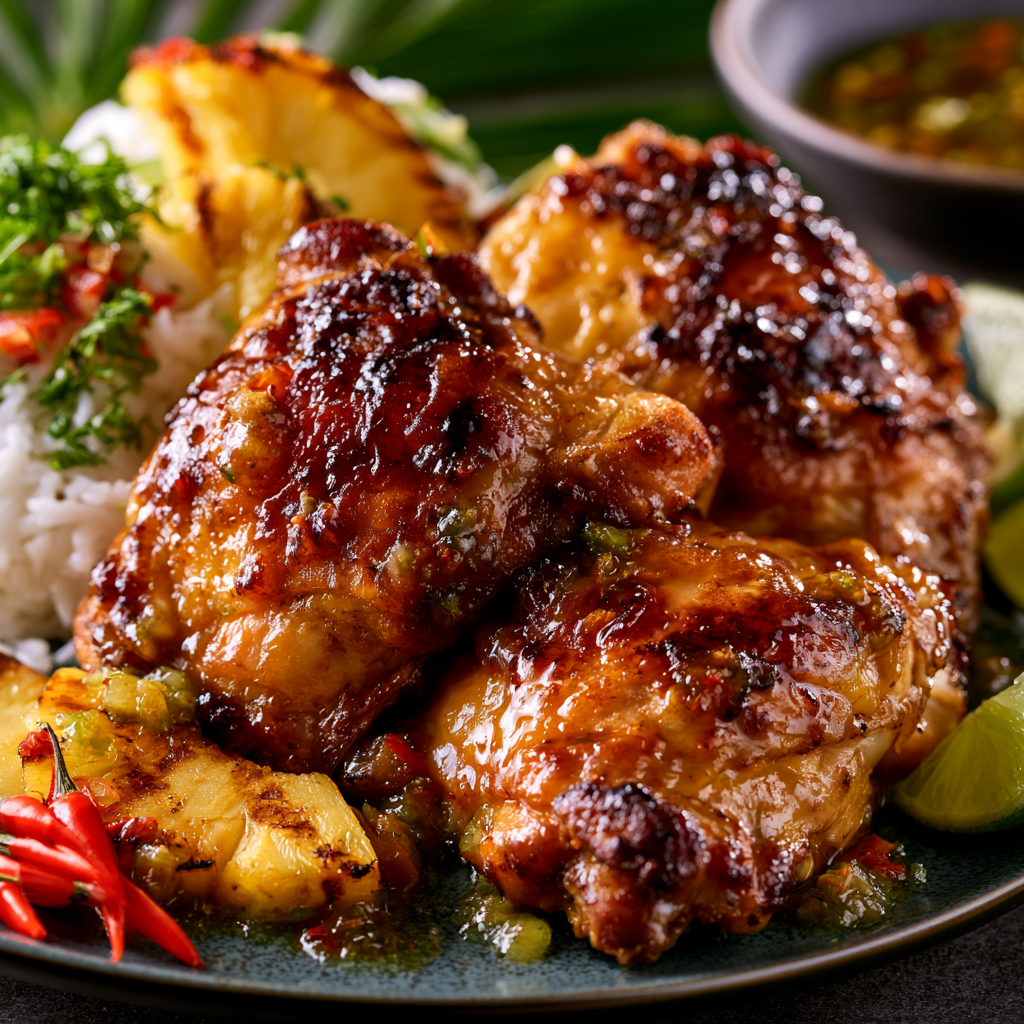
Cooking Method: Creating Color Without Drying the Chicken
The cooking process should create two things:
- Tender meat
- A flavorful exterior
Pan Cooking
A heavy skillet works well because it allows the chicken to develop caramelized edges.
Cook over medium-high heat first to create color, then reduce heat so the inside cooks evenly.
Grilling
Grilling adds a smoky layer that works beautifully with the tropical flavors.
Watch the sweet ingredients carefully because they can brown quickly.
Oven Cooking
The oven is useful for larger portions because it provides consistent cooking.
Regardless of the method, chicken should reach a safe internal temperature of 165°F (74°C).
Adding Tropical Inspiration Without Making the Dish Too Sweet
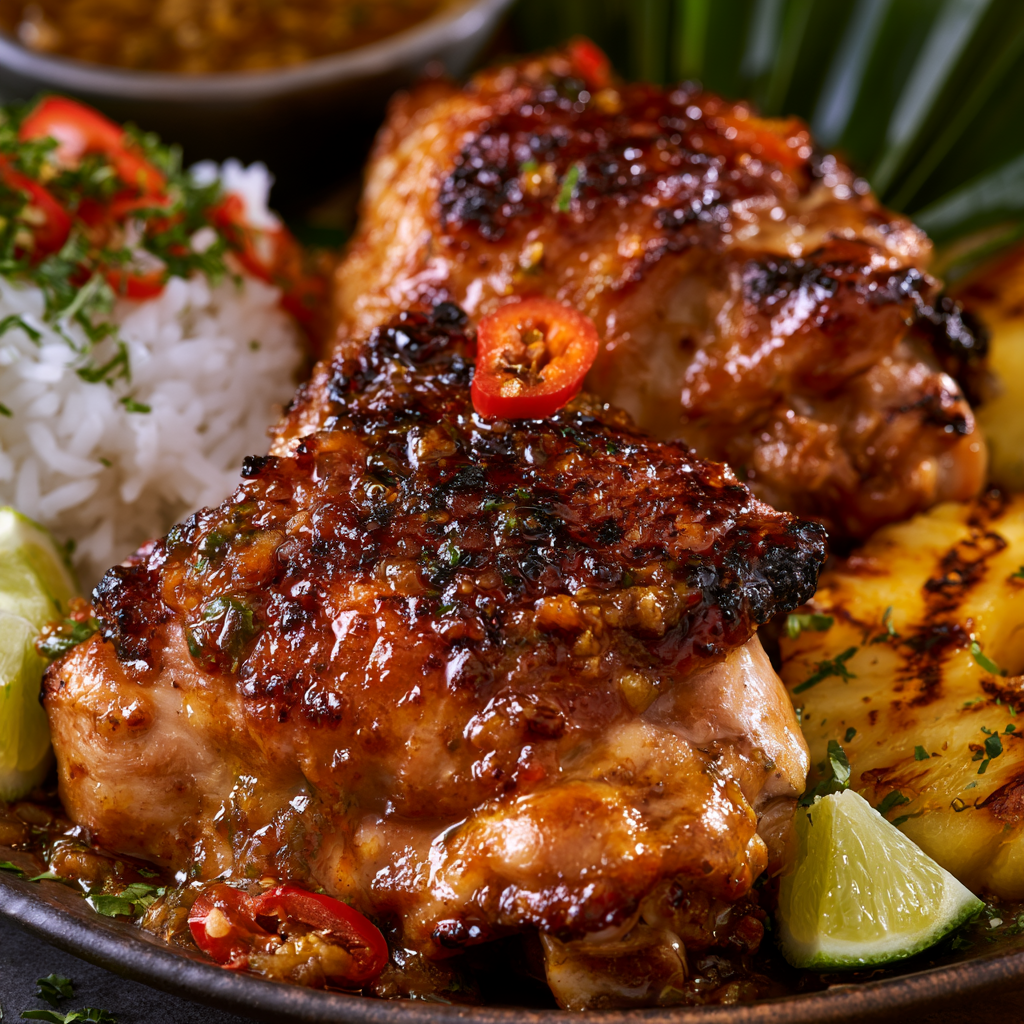
Tropical chicken dinner recipes often use fruits, coconut, or bright flavors to create freshness.
For this recipe, tropical elements should complement the spices rather than dominate them.
Good additions include:
- Fresh pineapple pieces
- Mango salsa
- Coconut rice
- Lime-based toppings
- Fresh herbs
The key is contrast. The chicken provides warmth and spice, while tropical ingredients add brightness.
Common Mistakes When Making Kama Sutra Chicken
Using Too Much Spice Too Early
Adding excessive chili at the beginning can make the entire dish taste one-dimensional.
Build heat gradually.
Skipping the Marinade Time
A quick coating adds surface flavor, but resting allows the seasoning to develop deeper character.
Cooking at Too High a Temperature
Sweet marinades can burn before the chicken is fully cooked.
Start with enough heat for browning, then finish gently.
Adding Sauce Too Soon
If the chicken is covered with sauce before browning, it may steam instead of developing a flavorful crust.
Serving Ideas for a Complete Meal
This chicken pairs well with sides that balance the bold flavors.
Try serving it with:
- Coconut rice
- Roasted vegetables
- Fresh cucumber salad
- Grilled pineapple
- Flatbread
- Simple green salad
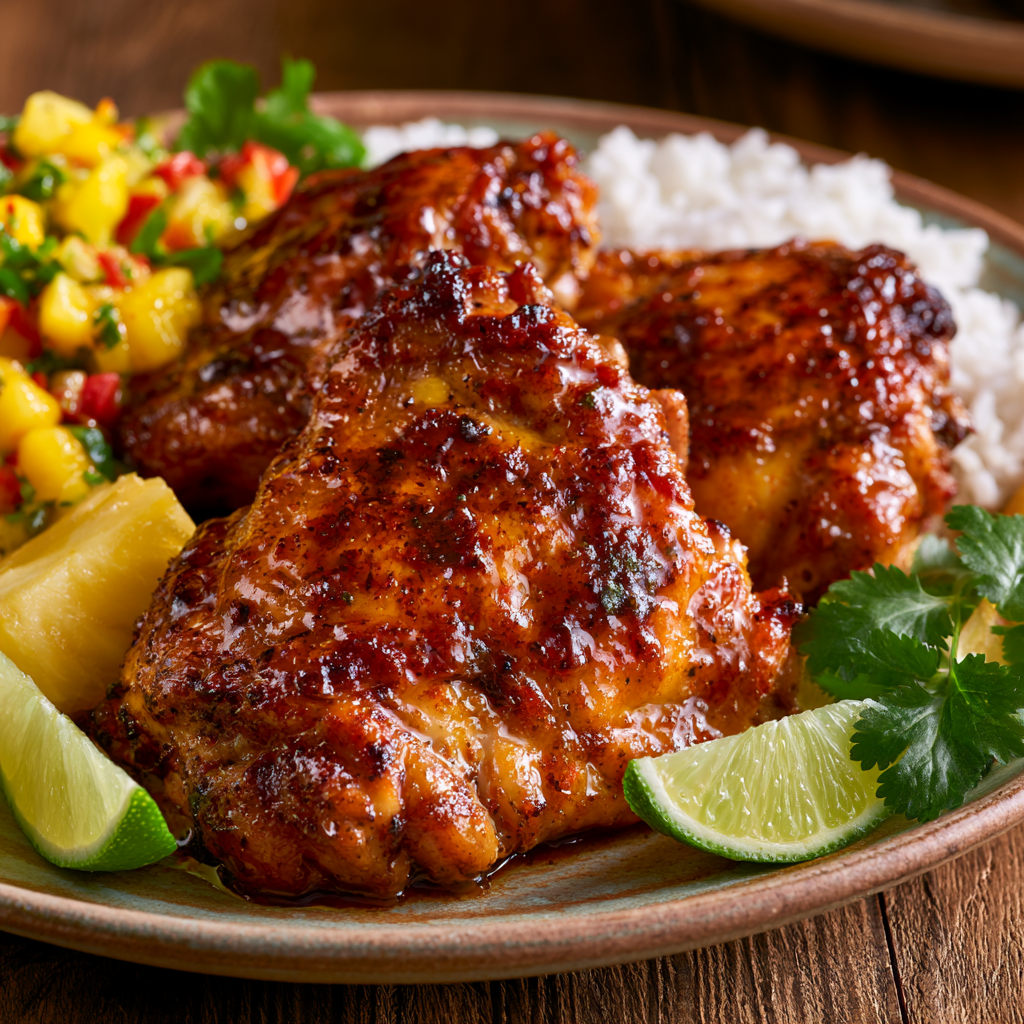
For a dinner party, slice the chicken and serve it with colorful toppings to highlight the tropical appearance.
Recipe Variations
Creamy Coconut Version
Add coconut milk toward the end of cooking for a richer sauce inspired by coconut milk chicken curry recipes.
Extra Spicy Version
Increase chili peppers or add a hot sauce element for stronger heat.
Mild Family Version
Reduce chili ingredients and increase aromatic spices for a kid-friendly variation.
Grilled Summer Version
Use the same marinade and cook the chicken outdoors for a smoky finish.
FAQ: Kama Sutra Chicken Recipe
What is Kama Sutra Chicken?
Kama Sutra Chicken is a flavorful chicken dish featuring a combination of sweet, spicy, and aromatic seasonings. The recipe focuses on creating balance between heat, sweetness, and tropical-inspired flavors.
Is Kama Sutra Chicken very spicy?
The spice level can be adjusted. The recipe is designed to have balanced warmth rather than overwhelming heat. Reduce chili ingredients for a milder version or increase them for a stronger spicy flavor.
Can I use chicken breast instead of thighs?
Yes. Chicken breast works well, but it requires careful cooking because it contains less fat and can dry out more easily.
Can I make this recipe ahead of time?
Yes. The chicken can be marinated several hours ahead, and cooked leftovers can be stored in the refrigerator for future meals.
What makes this different from Jamaican jerk chicken?
Both recipes use bold spices and heat, but Jamaican jerk chicken traditionally focuses on a specific Caribbean spice profile and cooking style. Kama Sutra Chicken uses a broader sweet-spicy-tropical approach.
Can I make a coconut version?
Yes. Adding coconut milk during cooking creates a creamier variation with flavors similar to a coconut milk chicken curry recipe.
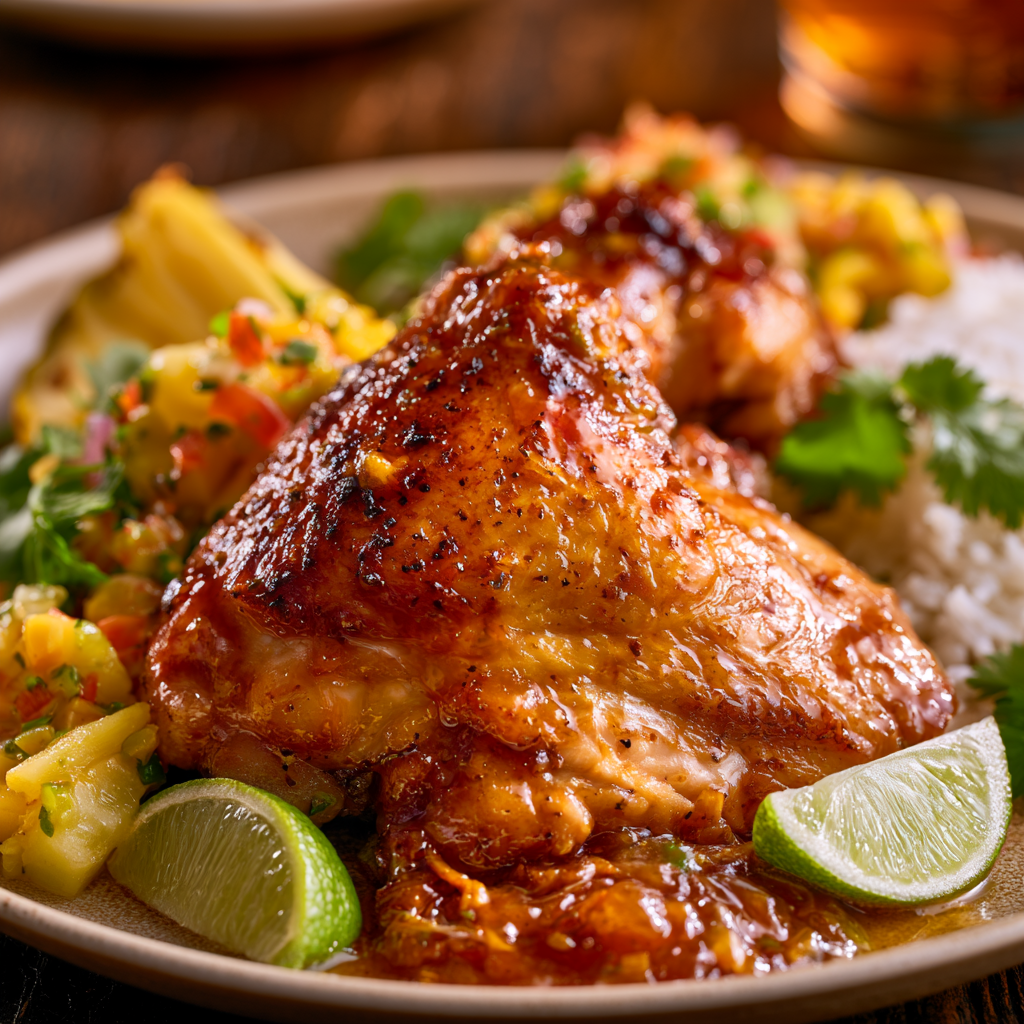
Kama Sutra Chicken Recipe
Ingredients
Equipment
Method
- Prepare the Marinade: Combine olive oil, garlic, ginger, lime juice, soy sauce, honey, tomato paste, and spices in a bowl. Mix until everything is well blended.

- Marinate the Chicken: Add the chicken pieces and coat evenly with the marinade. Cover and refrigerate for 2–4 hours to allow the flavors to develop.
- Cook the Chicken: Heat a skillet or grill over medium-high heat. Cook the chicken until browned on the outside and fully cooked inside. The internal temperature should reach 165°F (74°C).
- Rest Before Serving: Allow the chicken to rest for a few minutes after cooking to help retain moisture.
- Serve: Finish with fresh lime juice, herbs, or tropical toppings. Serve with coconut rice, vegetables, or a fresh salad.
Notes