
Over time, Ashwagandha Tea Recipe has grown to be one of the most popular drinks in health-seeking, wellness cultures, particularly effective for managing stress. Admired for its adaptogenic traits, ashwagandha is a potent herb that has been utilized in Ayurvedic medicine for centuries. An excellent method of taking advantage of the herb’s benefits in an easily absorbed format is to drink, giving you both a boost for body and mind for your past efforts.
Making ashwagandha tea is easy, and it can serve as a soothing ritual for anxious people who want to relax at night and sleep better. By combining ashwagandha root with other milder herbs or spices, you can make a delicious, nutritious drink that tastes great and also helps balance your hormones and support your immune system. Whether you are a newcomer to herbal teas or someone who knows all about tea, there is a range of tastes that suit each individual’s palate within the simple recipe for ashwagandha tea.
In this guide, we’ll show you an easy ashwagandha tea recipe that you can make at home. Whether you choose to enjoy it before bed for a peaceful night’s sleep or as a stress-relieving afternoon drink, this tea can become part of your daily wellness routine. And, here’s how to brew your own healthy and relaxing cup of tea right in your home.
- Health Benefits of Ashwagandha Tea
- How to Make Ashwagandha Tea: A Simple and Delicious Recipe
- Tips for Enhancing the Flavor of Ashwagandha Tea
- Best Time to Drink Ashwagandha Tea
- Precautions and Considerations When Drinking Ashwagandha Tea
- What Is Ashwagandha and Why Is It Used in Tea?
- Taste Profile of Ashwagandha Tea and How to Improve It
- Ashwagandha Tea vs Ashwagandha Supplements
- Who Should Avoid Ashwagandha Tea?
- Final Thoughts on Using an Ashwagandha Tea Recipe at Home
- Ashwagandha Tea Recipe From OohDish!
- Share Your Twist on Ashwagandha Tea!
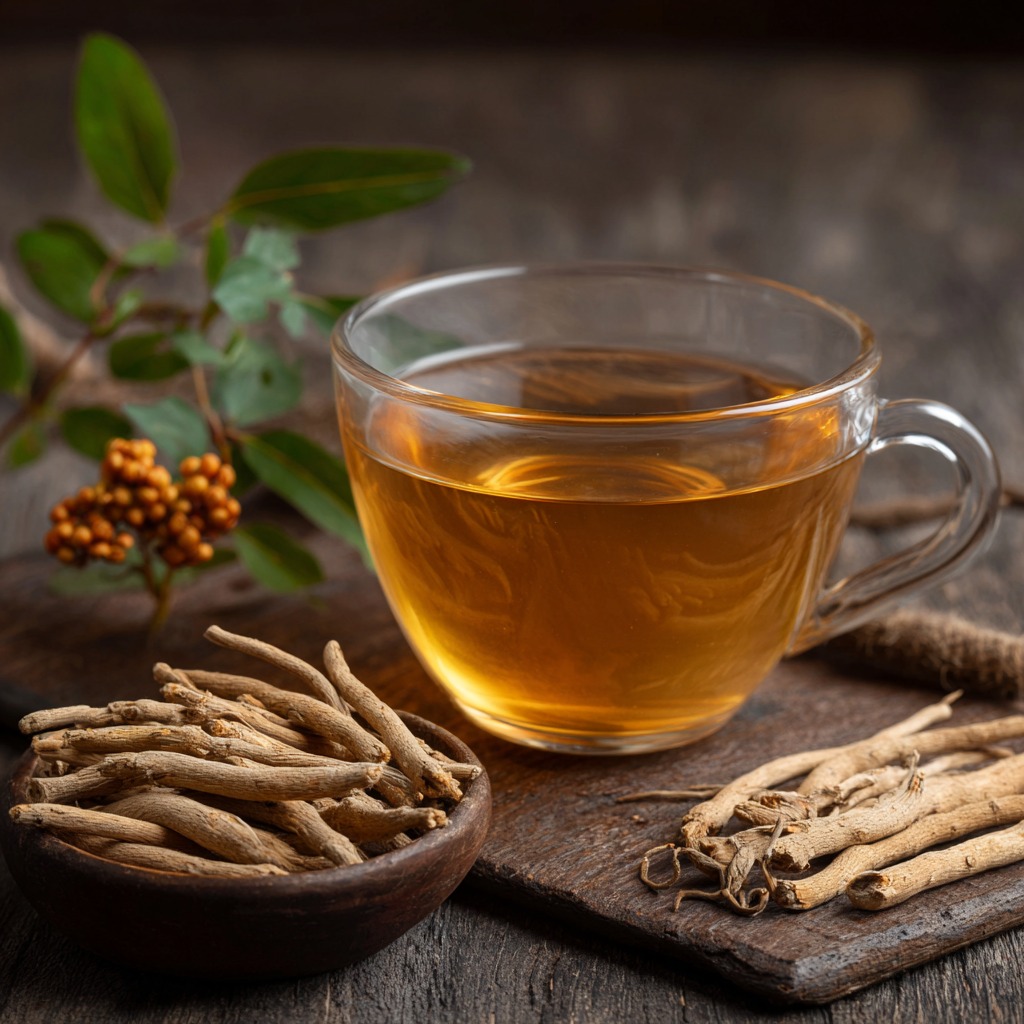
Health Benefits of Ashwagandha Tea
With all these health benefits, it’s hardly surprising that ashwagandha tea is a popular choice among natural treatment enthusiasts. First of all, ashwagandha is recognized for its ability to relieve stress. It helps lower cortisol levels – the body’s primary stress hormone, which results in better mental sharpness and more emotional balance. As such, many people who suffer from stress, anxiety, or even insomnia will turn to Ashwagandha tea to find relief. It’s a true natural alternative to pharmaceutical treatments that really works!
Moreover, ashwagandha tea can manage immune function, increase physical endurance, and help maintain harmonious hormone levels. So by engaging daily with ashwagandha tea, you can not only harness all of its Adaptogenic properties to promote long-term health, but also apply it in the most vital sense as well.
How to Make Ashwagandha Tea: A Simple and Delicious Recipe
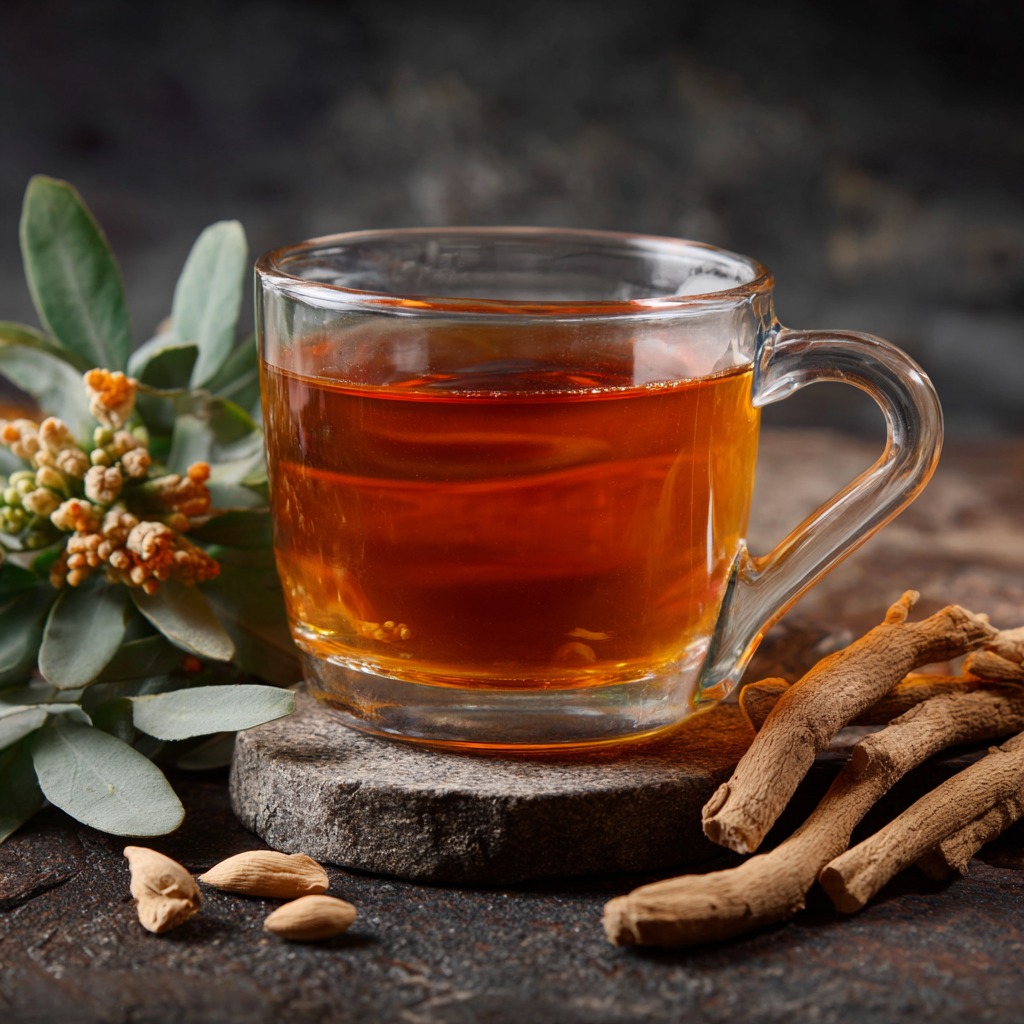
It is incredibly easy to make ashwagandha tea at home. You only need a few simple ingredients. The main ingredient of the tea is the ashwagandha root, which comes in either powdered or dried root form. For your tea, just do exactly as it says.
Ingredients:
- 1 teaspoon of ashwagandha powder (or 1-2 dried ashwagandha root pieces)
- 1 cup of water
- Optional: A slice of ginger, a pinch of cinnamon, or a dash of honey for added flavor
Instructions:
- Boil the water in a small pot.
- Once it starts boiling, add the ashwagandha powder or dried root pieces. You can also add ginger or cinnamon at this stage for additional flavor.
- Let it simmer for 5-10 minutes, allowing the flavors to blend and the medicinal properties of ashwagandha to infuse into the water.
- Strain the tea into a cup and add honey or your preferred sweetener if desired.
This simple recipe offers a sweet and earthy taste; it can be a wake-up for the early morning or a soothing drink before bedtime. With just a few changes in ingredients, you can brew up any particular blend of ashwagandha tea to fit your individual wellness goals.
Tips for Enhancing the Flavor of Ashwagandha Tea
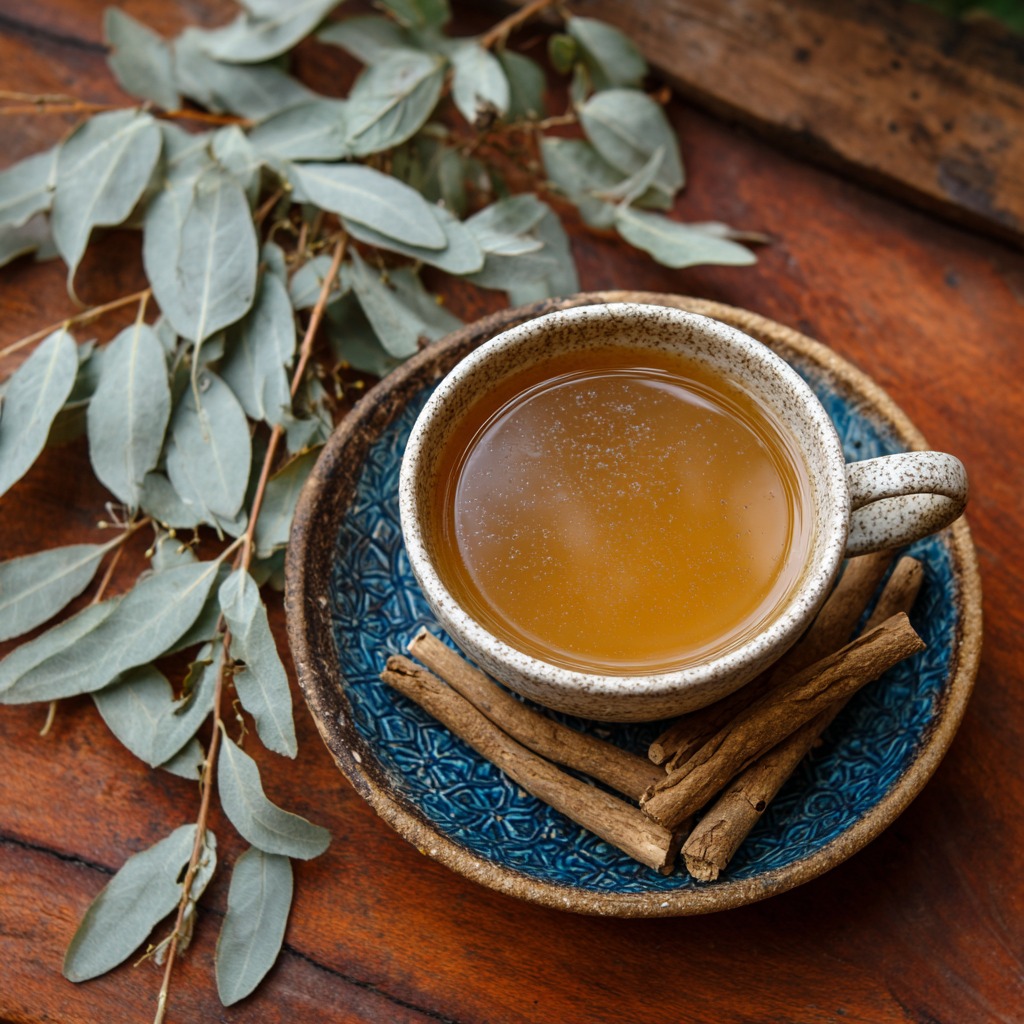
Although ashwagandha tea itself tastes very earthy, there are several ways for you to incorporate the taste into your own preferences. For instance, adding natural sweeteners such as honey or stevia can balance out the bitterness, making a smooth and enjoyable tea. For a spicier, warmer version, try adding either cinnamon or cardamom, both of which also carry their own health benefits. A squeeze of lemon offers a refreshing citric twist, while adding ginger provides a smooth, anti-inflammatory punch. When you combine these ingredients together, it allows you to explore your ideal ashwagandha tea blend that caters to both your taste and wellness needs.
Best Time to Drink Ashwagandha Tea
When you want to drink your ashwagandha tea, it is most important as well as how it tastes. Drink it in the evening, if you want to relax before bedtime. The presence of ashwagandha can help you get deep sleep, and peace is more likely when you’re not wide awake overnight. Ashwagandha, as well as having mild sedative properties that support a person’s normal circadian rhythms, is the perfect pre-sleep beverage.
Therefore, if you’re using it during the day in order to reduce stress or increase energy, it’s better to have a cupful of our delicious, refreshing Ashwagandha Tea in the morning and afternoons; this will give you no caffeine jitters at all but still give you a little healthy boost in the form of extra vigour. With all these benefits, the tea is safe for various times of day. Have some in the morning, evening, or night to relax- it doesn’t matter when! It is a great tonic for anyone at any time.
Precautions and Considerations When Drinking Ashwagandha Tea
With most people, ashwagandha tea is generally safe, but it’s important to remember this and not just go blithely on your way. Ashwagandha can cause mild sedating effects, so it’s not recommended for people who are pregnant or nursing (except that they talk with their healthcare provider first). Similarly, patients with autoimmune diseases, thyroid disorders, or those using drugs to manage depression and anxiety also need to check with their doctor before starting. Remember, just like any herbal medicine, keep things in moderation: Start off with small quantities but see how your body responds.
What Is Ashwagandha and Why Is It Used in Tea?
The traditional Ayurvedic herb Ashwagandha has been calming and strengthening the body for literally millennia. It’s also used to help manage stress, focus better, or conversely, if you’re feeling tired, go support general health overall anyway possible. When in the form of tea, Ashwagandha is easier to digest and assimilate, thus it makes for a milder daily choice. With this ashwagandha tea recipe, you can easily drink the herb preparation as part of your morning or evening routine.
Ashwagandha Tea Recipe for Stress Relief and Relaxation
Relief from stress is one reason that some people may ask for an ashwagandha tea recipe. It achieves this aim by helping the body regulate cortisol levels; its consequences often include some easing of tension and weariness. Drinking a cup of ashwagandha tea at night may relax the nervous system and clear the mind. For better results and flavor as well as digestion, adding some ingredients such as ginger or cinnamon can accomplish exactly the same thing.
Ashwagandha Tea Recipe for Better Sleep Quality
Many people consume ashwagandha tea in the evening to help unwind for sleep. Its gentle sedative effect helps your body relax without becoming a strong narcotic. Just a bit of honey mixed with hot water is enough to make a simple ashwagandha tea at home or on your travels. Drink the ashwagandha tea early, about 30 to 60 minutes before bedtime, and it may help improve the overall quality of sleep. During this time, your sleep will certainly be deeper and less interrup
Can You Drink Ashwagandha Tea Daily?
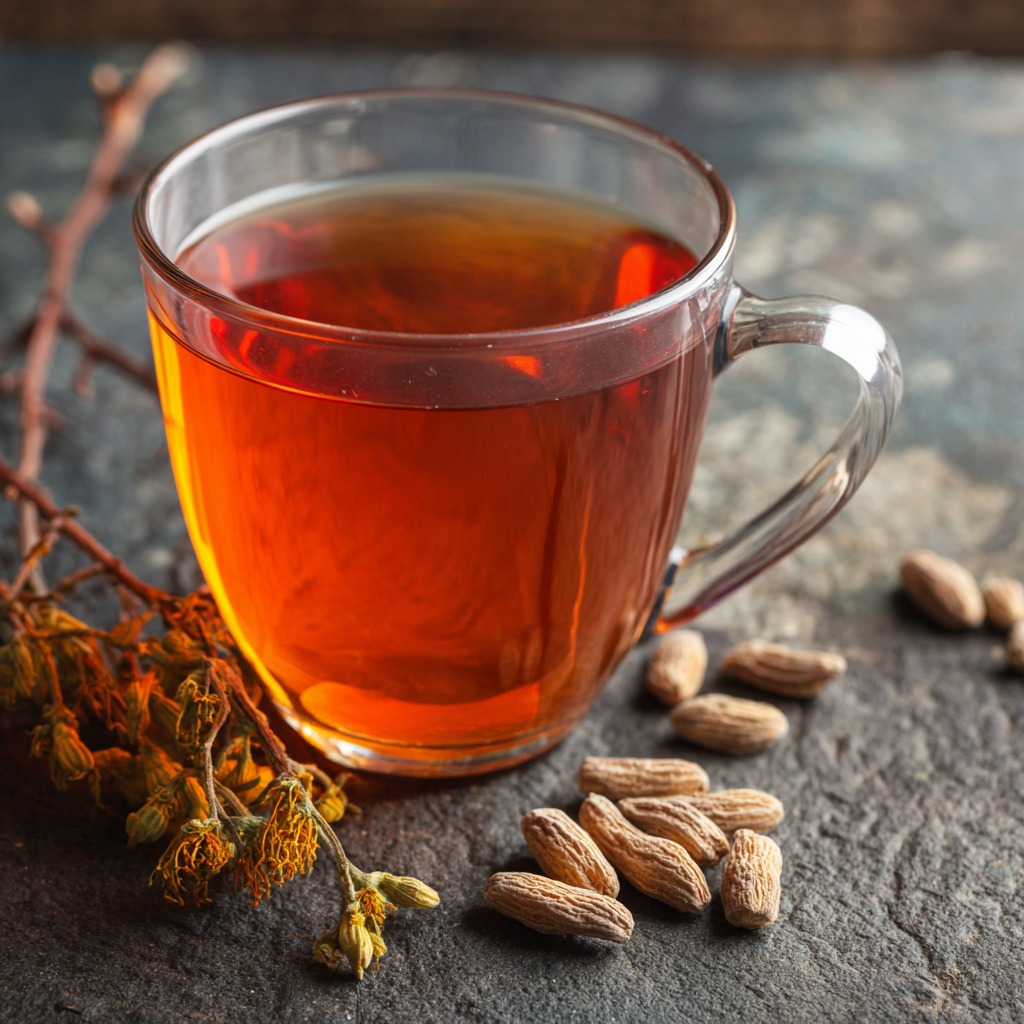
That being said, ashwagandha tea can be consumed daily, with moderate amounts being taken. Most people think of ashwagandha tea as a regular wellness drink and not just any quick fix. With repeated use over time, we might be able to keep our energy in balance and properly nurture the immune system, and deal with stress. There is no specific age limit for drinking ashwagandha tea, so children can take it too. However, the best way to experience the effects of one’s own temperature and physical state when drinking is by starting with only one cup per day. See how you feel after this before increasing the intake stepwise until fully satisfied.
Ashwagandha Tea Recipe Using Powder vs Root
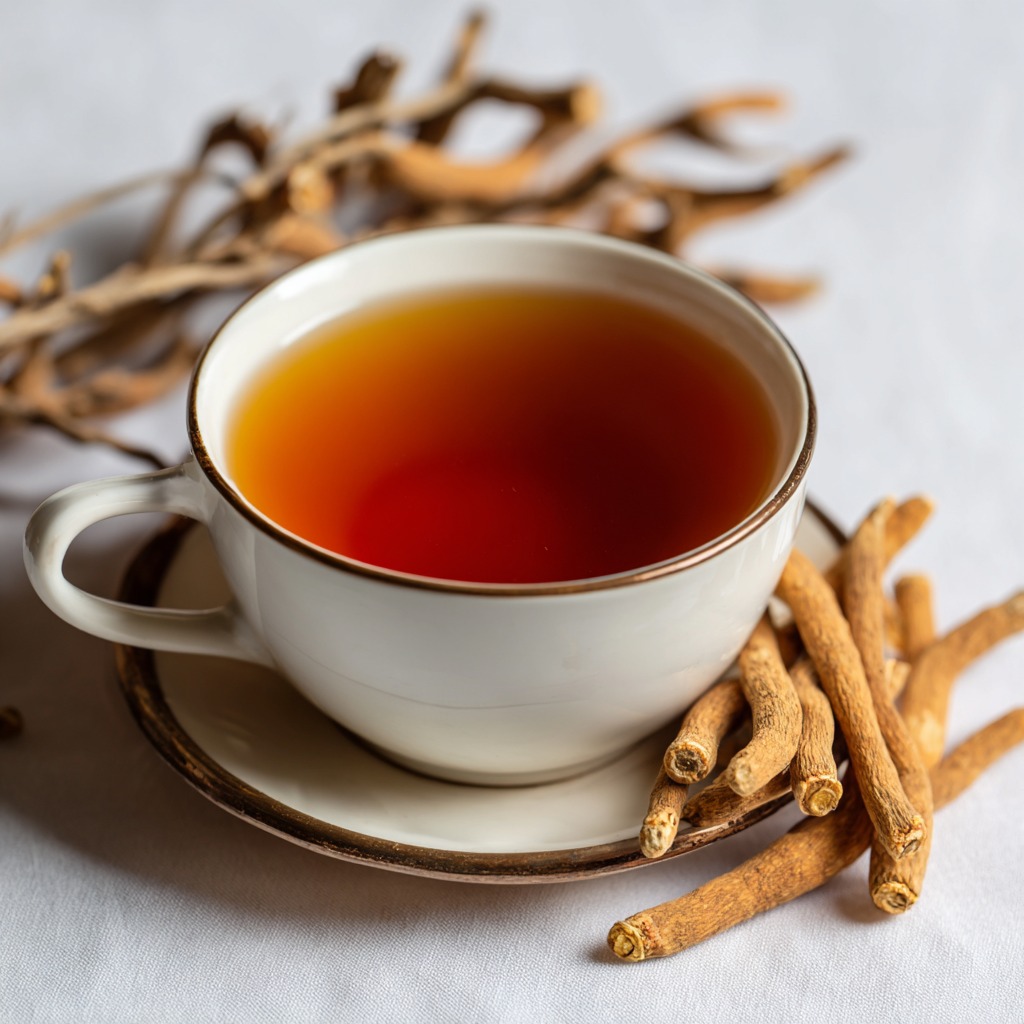
Ashwagandha tea can be made using either type of root, depending on your inventory. Ashwagandh a, which has been powdered, is less messy and dissolves easily in water; it’s also great for when you’re in a hurry. Root that has dried, however, has to be simmered, but offers a way of making tea that is closer to tradition. Both offer the same benefits if used correctly, so you will have to go with your personal preference.
Taste Profile of Ashwagandha Tea and How to Improve It
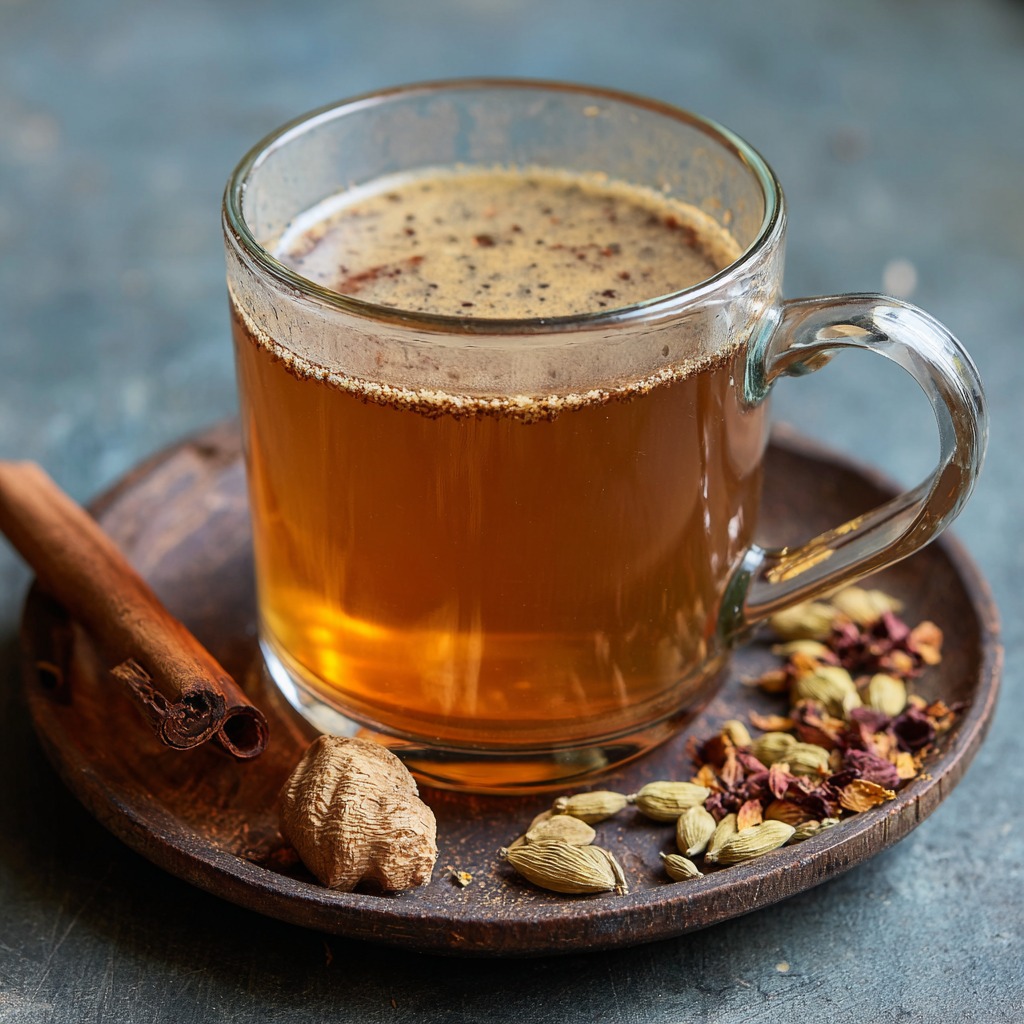
If you’re unaccustomed to its natural earthiness and slight bitterness, you might find Ashwagandha tea off-putting. Honey, jaggery, cinnamon, or cardamom can be used to enhance the taste of an Ashwagandha tea recipe. Not only do they make it taste better, but they also harmonize with the health benefits that are symbolized by crucifix daisies. More mild and sweetened versions make the daily drinking of tea more enjoyable.
Ashwagandha Tea vs Ashwagandha Supplements
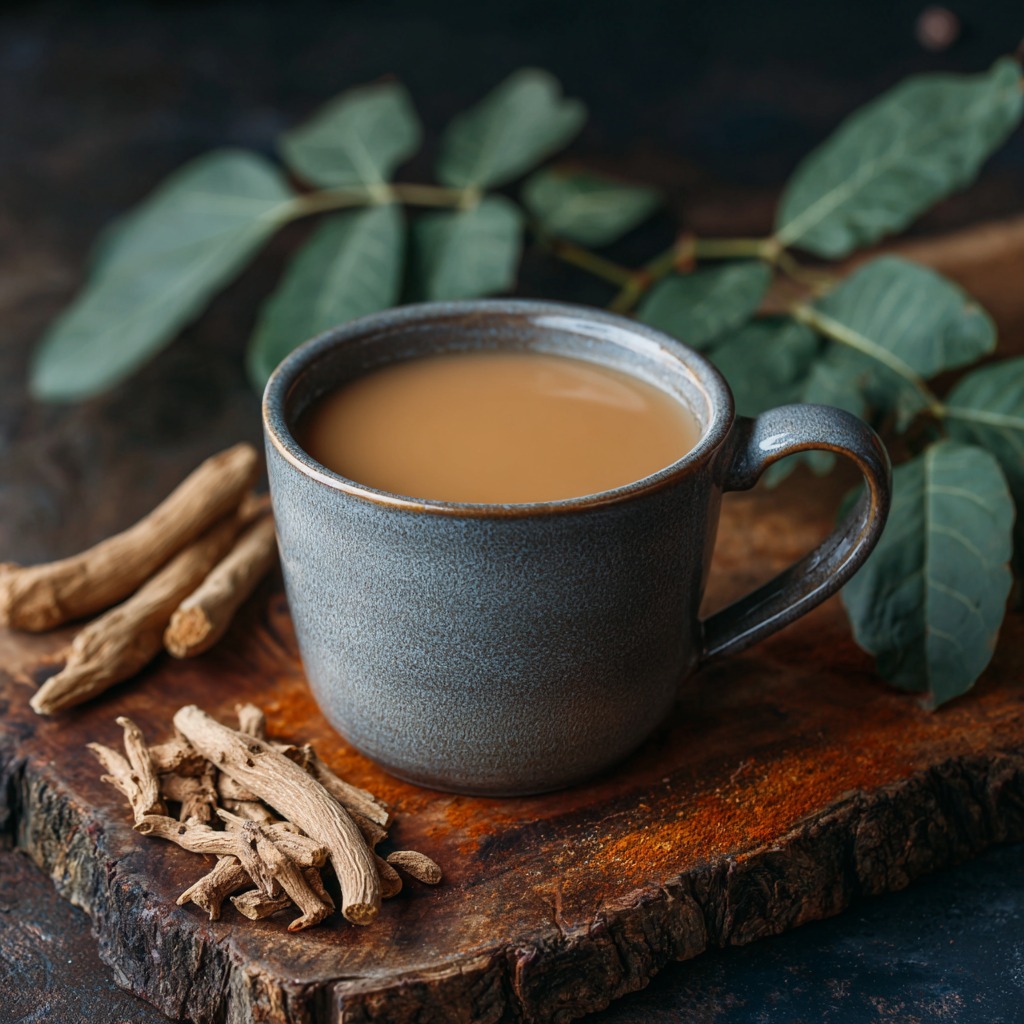
Some people wonder: Is tea better than capsules or tablets? After all, an ashwagandha tea recipe provides a more natural and mindful way of ingesting the herb. Tea involves a slower absorption of the herb and also hydration. It is said that for those concerned about their health holistically, food-based wellness is also popular. The supplement might be more concentrated, but tea is favoured for those who go on such paths towards wellness.
Who Should Avoid Ashwagandha Tea?
Although, naturally, consuming ashwagandha tea will generally have no side effects on average users. People with thyroid conditions or autoimmune disorders, as well as those on particular prescription medications, need to consult a healthcare professional before embarking upon a regular program of ashwagandha tea. If you are pregnant or breastfeeding, be sure to consult your doctor. Tea will keep its benefits and remain safe to drink so long as you use it responsibly.
Final Thoughts on Using an Ashwagandha Tea Recipe at Home
This is a quick and easy way you can make yourself some ashwagandha tea to help keep up the whole constitution. The method is simple; it calls for very few ingredients and only a few brief and easy steps. This herbal tea fits in perfectly with current busy lifestyles. If you’re tired, need a good sleep, or just want to maintain equilibrium throughout the day, ashwagandha tea has options for all.
Ashwagandha Tea Recipe From OohDish!
Ashwagandha Tea Recipe for Stress Relief and Relaxation
Equipment
- Small pot or saucepan
- Strainer or tea infuser
- Cup or mug
- Stirring spoon
Ingredients
- 1 teaspoon of ashwagandha powder or 1-2 dried root pieces
- 1 cup of water
- Optional: A slice of fresh ginger a pinch of cinnamon, or cardamom pods
- Optional sweetener: Honey stevia, or jaggery to taste
Instructions
- Boil Water: Start by boiling 1 cup of water in a small pot over medium heat.
- Add Ashwagandha: Once the water is boiling, add 1 teaspoon of ashwagandha powder or 1-2 dried root pieces to the pot.
- Optional Additions: If desired, add a slice of fresh ginger, a pinch of cinnamon, or a few cardamom pods for extra flavor and health benefits.
- Simmer: Let the water and ashwagandha simmer for 5-10 minutes, allowing the flavors to meld together.
- Strain and Serve: After simmering, strain the tea into a cup, discarding the root pieces (if used).
- Sweeten (Optional): Add honey or your preferred sweetener to taste.
- Enjoy: Stir well and sip the tea while it's warm, enjoying its soothing effects.
Notes
- Adjusting Strength: You can adjust the strength of your tea by varying the amount of ashwagandha used. For a more intense flavor, increase the powder or root pieces.
- Flavor Variations: Feel free to experiment by adding other calming herbs like chamomile or lavender for an even more relaxing experience.
- Best Time to Drink: Ashwagandha tea is most effective when consumed before bed to promote better sleep and relaxation.
- Storage: It’s best to make the tea fresh each time, but you can store leftover tea in the refrigerator for up to 24 hours.
- Health Considerations: While ashwagandha is generally safe, it’s recommended to consult with a healthcare provider if you are pregnant, breastfeeding, or have existing health conditions.
Let me know if you need more variations or additional sections!
Share Your Twist on Ashwagandha Tea!
Ashwagandha tea is a calming, healthy beverage, but we want to know how YOU like to make it your own! 😄
Do you add any unique ingredients like a splash of lemon, mint leaves, or maybe a dash of turmeric for an extra health boost? 🫖✨
Share your special Ashwagandha tea twist with us in the comments below! Let’s inspire each other with creative ideas! 💬
#AshwagandhaTeaTwist #HealthyTea #TeaLovers