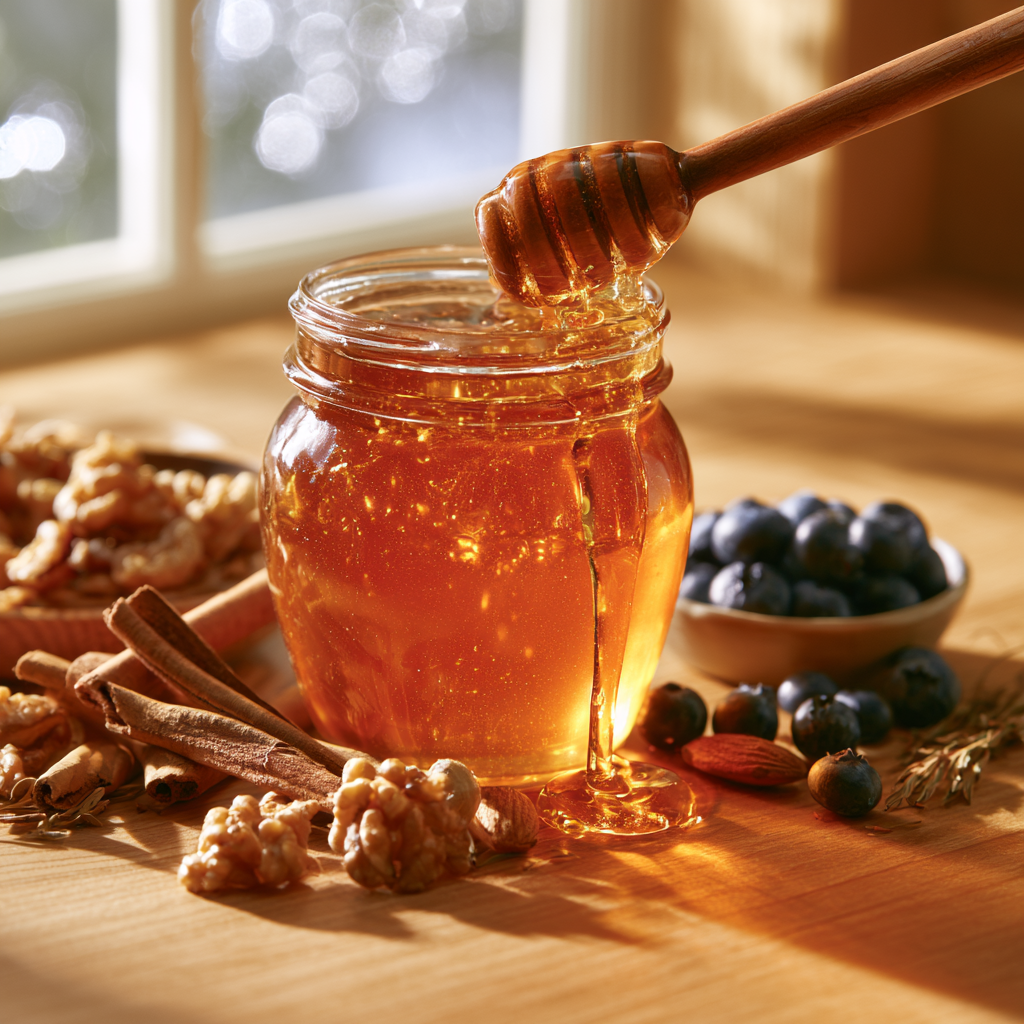
Honey has been known as a traditional food and natural sweetener for thousands of years. Honey is sweet, but it also contains carbs, antioxidants, and small amounts of naturally occurring plant compounds. This has led many to wonder what the best honey is for brain health and whether some types are better than others.
Raw honey, Manuka honey and the darker varieties are often mentioned for their antioxidant content. But there’s no scientific evidence that any particular kind of honey prevents memory loss, boosts intelligence, or cures neurological conditions.
The best way to think about it is to consider honey to be just one small part of a balanced, brain-friendly diet rather than a cure for cognitive problems.
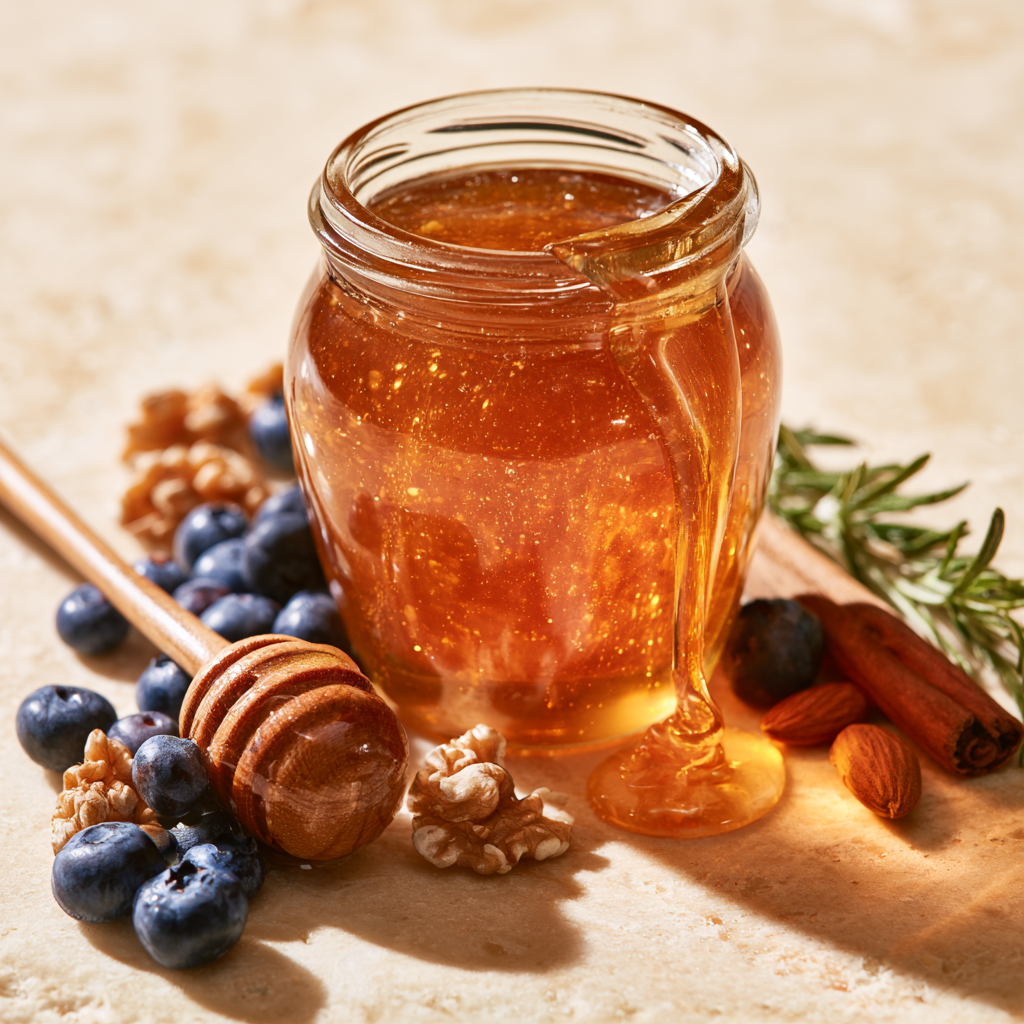
Is Honey Good for Brain Health?
The brain requires a constant supply of energy to operate. Honey is made up of sugars, mainly glucose and fructose, and one of its main sources of energy is glucose.
Honey has different phenolic compounds and antioxidants as well. The antioxidants are interesting from the nutritional point of view because they help the body to deal with oxidative stress.
However, eating more honey does not mean improved brain function. Honey is still a source of added or free sugars in many dietary contexts, so the portion size matters.
And in terms of brain health over the long term, the overall eating pattern, physical activity, adequate sleep, social connection, and management of cardiovascular risk factors are far more important than one food.
What Is the Best Honey for Brain Health?
There’s no scientifically proven “best” honey for the brain. Different varieties have different flavours, processing methods, origins, and concentrations of plant compounds.
If you would like to add honey to your diet, here are some of the more popular options to consider.
1. Raw Honey
Raw honey is less processed than many conventional commercial honey products.
It can retain naturally occurring pollen, enzymes, and plant compounds, depending on the product and source. The variety of honey depends on the flowers from which the bees collect nectar and where the honey is produced.
Therefore, raw honey could be a good choice for those who prefer honey that is not highly processed.
But just because it’s raw, it shouldn’t be considered a memory treatment.
2. Manuka Honey
Manuka honey is native mainly to New Zealand and comes from the nectar of the mānuka plant.
Its unusual chemical composition and antibacterial activity have been the subject of extensive scientific interest.
This is not to say that Manuka honey has been shown to improve memory or cognitive performance. Research and known use of Manuka honey are mostly about other properties rather than showing that eating it results in significant improvements in brain function.
It can be a lot more expensive than regular honey too.
So you don’t need to go out and buy expensive Manuka honey if you want to eat a brain-friendly diet.
3. Dark Honey
The colour of honey may range from almost colourless to dark brown.
Some darker varieties can have higher concentrations of some antioxidant compounds compared to lighter varieties, but the exact composition depends on floral source and processing.
Examples of darker honeys include buckwheat honey and some types of forest honey.
If you like darker honey, it can be a fun add-on to muesli, yoghurt, or other healthy foods.
4. Buckwheat Honey
Buckwheat honey is dark and powerful.
That is often mentioned, as darker honeys can be loaded with antioxidant compounds. So, buckwheat honey is a good choice for people who prefer a more robust honey flavour.
But don’t take its antioxidant content as proof that it can fight off dementia or reverse memory problems.
5. Local Honey
Local honey can be another good option as well.
Its colour and flavour depend much on the plants available to the bees in any locality. Another reason people may want to buy local honey is to support local beekeepers.
But there is no good reason to think that local honey is better for the brain than any other honey.
Choose a quality product you enjoy and take it in moderation.
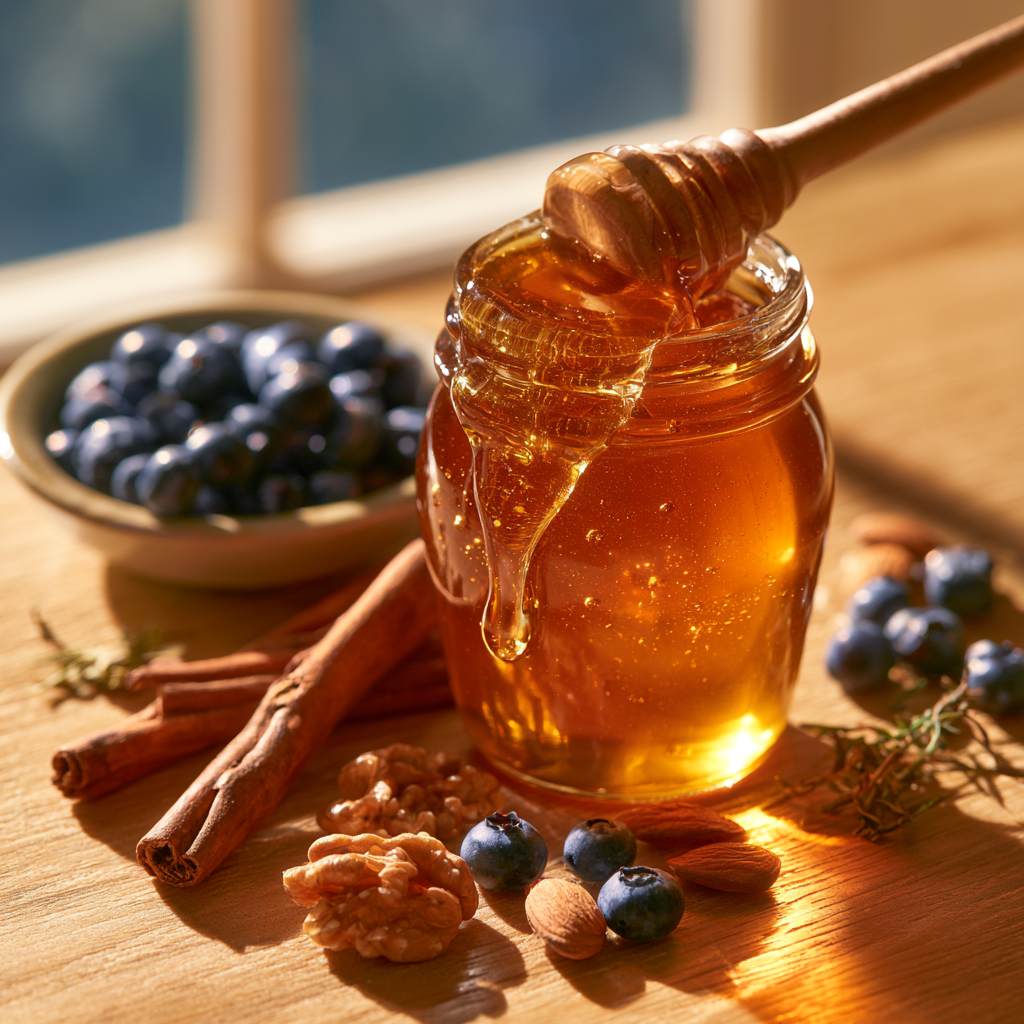
Raw Honey vs Regular Honey for Brain Health
The raw and commercially processed honey may be treated differently before reaching the consumer.
Raw honey is usually minimally processed, whereas commercial honey can be heated and filtered to improve appearance, consistency, and shelf stability.
Some naturally occurring compounds may be affected by processing.
That doesn’t mean regular honey is unhealthy, or that raw honey is a nootropic.
If you want to choose between them, consider quality, source, taste, price, and what you plan to do with the honey rather than expecting great differences in memory performance.
Honey and Brain Energy
Honey is often associated with mental energy for a couple of reasons. One is that it’s made of carbohydrates.
Carbohydrates are broken down by the body into glucose, a vital fuel for the brain.
But this relationship is sometimes oversimplified on the internet.
That the brain uses glucose doesn’t mean that lots of sugar will improve your concentration or memory. The body is very good at regulating blood glucose levels, and eating too much added sugar is not a good way to help your brain.
A better approach includes healthy carbs as part of balanced meals that include fibre, protein, healthy fats, fruits, vegetables and whole grains.
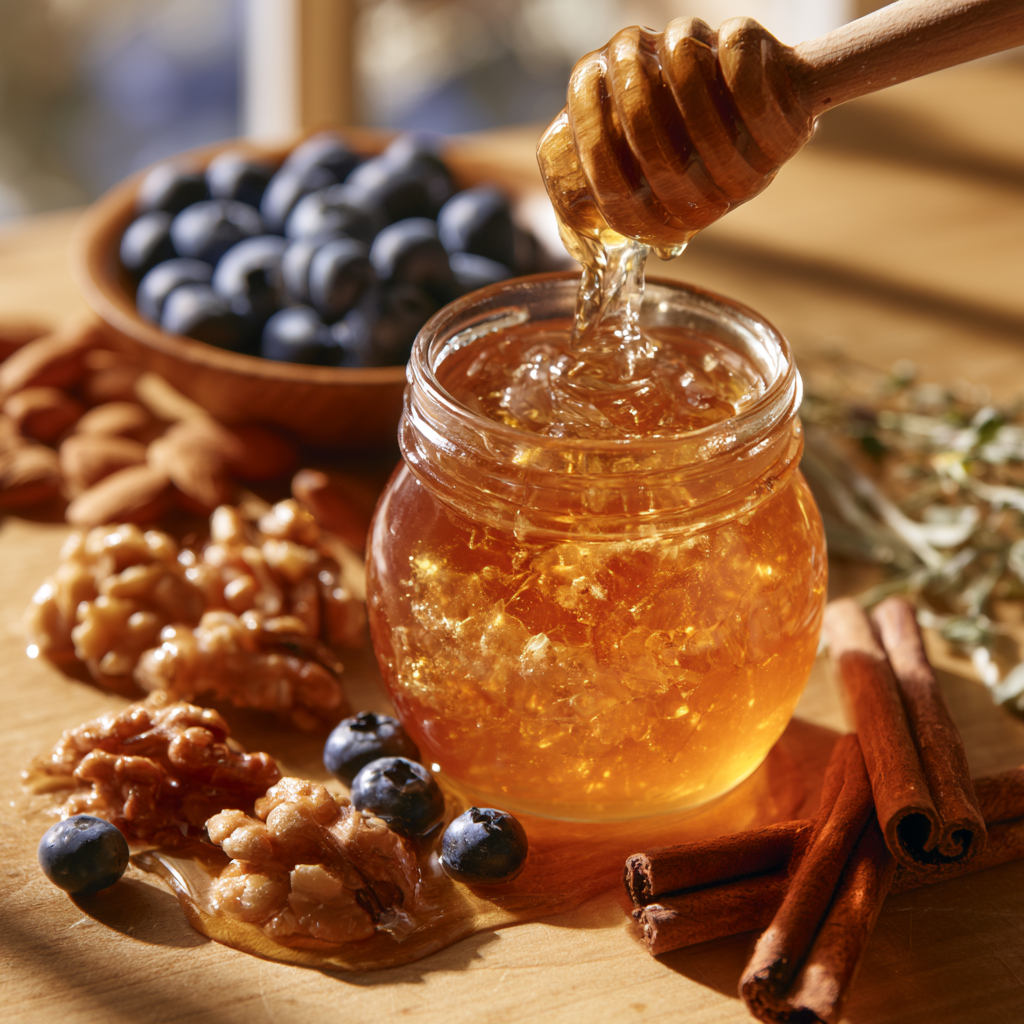
Antioxidants in Honey
Honey has various antioxidant compounds such as some phenolic acids and flavonoids. The amounts vary widely according to the botanical and geographical origin.
Antioxidants protect cells from oxidative processes.
This is one of the reasons why scientists are still looking into honey and its individual components.
But laboratory results on antioxidant activity cannot be directly extrapolated to claims that consumption of honey will improve human memory.
These are different levels of evidence. Clinical evidence in humans. Animal studies. Research on a specific compound.
Honey and Cinnamon for Brain Health
Honey is another staple that is used with cinnamon in homemade wellness drinks.
You can prepare a simple mixture with a little cinnamon and honey and take it directly or mix it with warm water.
Cinnamon also contains its own plant compounds, and honey offers you sweetneHoney Trickss and carbohydrates. The combination can be a fun way to season foods and drinks.
However, honey and cinnamon are not proven treatments for memory loss or cognitive decline.
For the full recipe, including ingredient ratios, preparation instructions, and optional additions like walnuts, ginger, and lemon, if you’d like to try the combination, see our Honey Trick for Memory Recipe.
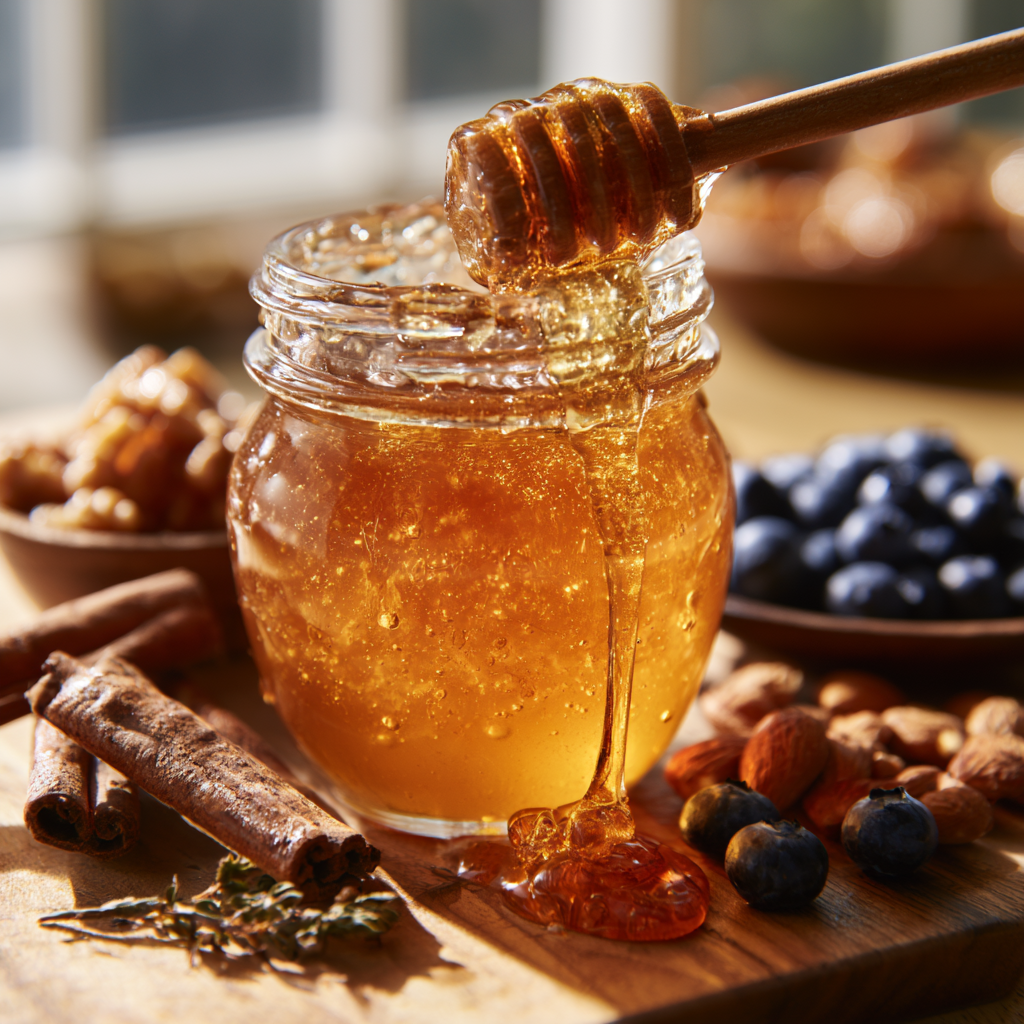
Honey and Walnuts for Brain Health
Walnuts can be a particularly useful food to pair with honey.
Unlike honey, which consists predominantly of carbohydrates, walnuts provide unsaturated fats, protein, fiber, minerals, and alpha-linolenic acid (ALA), a plant-based omega-3 fatty acid.
Try adding chopped walnuts and a small drizzle of honey to:
- Plain yogurt
- Oatmeal
- Whole-grain toast
- Fruit bowls
- Overnight oats
This approach uses honey primarily for sweetness while the overall meal provides a broader range of nutrients.
Other Brain-Friendly Foods to Pair With Honey
Instead of focusing only on which honey is best, consider what you eat with it.
Berries
Blueberries, strawberries, blackberries, and raspberries are high in fibre and have a range of plant compounds. A simple breakfast or snack is unsweetened yoghurt with berries and a little honey. Nuts and Seeds
Walnuts, almonds, chia seeds, and flaxseeds can contribute healthy fats, fiber, protein, and micronutrients.
Oatmeal
Oats provide complex carbohydrates and soluble fiber. A little honey can provide sweetness without requiring heavily sweetened toppings.
Plain Yogurt
Yogurt provides protein, and certain varieties contain live cultures. Combine plain yogurt with fruit, nuts, cinnamon, and a small amount of honey.
Whole-Grain Toast
Whole grains can be paired with nut butter, sliced fruit, and a light drizzle of honey for a more balanced meal than eating honey alone.
How Much Honey Should You Eat?
More is not best.
Honey is high in natural sugars and calories, and portions can add up quickly.
Instead of thinking of honey as a supplement to be taken in large doses, use it primarily as a sweetener.
For example, muesli, yoghurt, tea or fruit are all good with a light drizzle.
If you have to carefully manage your blood glucose or carbohydrate intake, consider your own personal needs, and seek the advice of a health care professional if necessary.
Best Time to Eat Honey for Brain Health
There isn’t a specific time of day when honey suddenly becomes more brain-beneficial.
Some people like it for breakfast because it naturally goes with things like muesli, yoghurt, fruit and nuts.
Others like it a little in their tea or as a snack.
Instead of focusing on the hour of the meal, think about the quality of the meal.
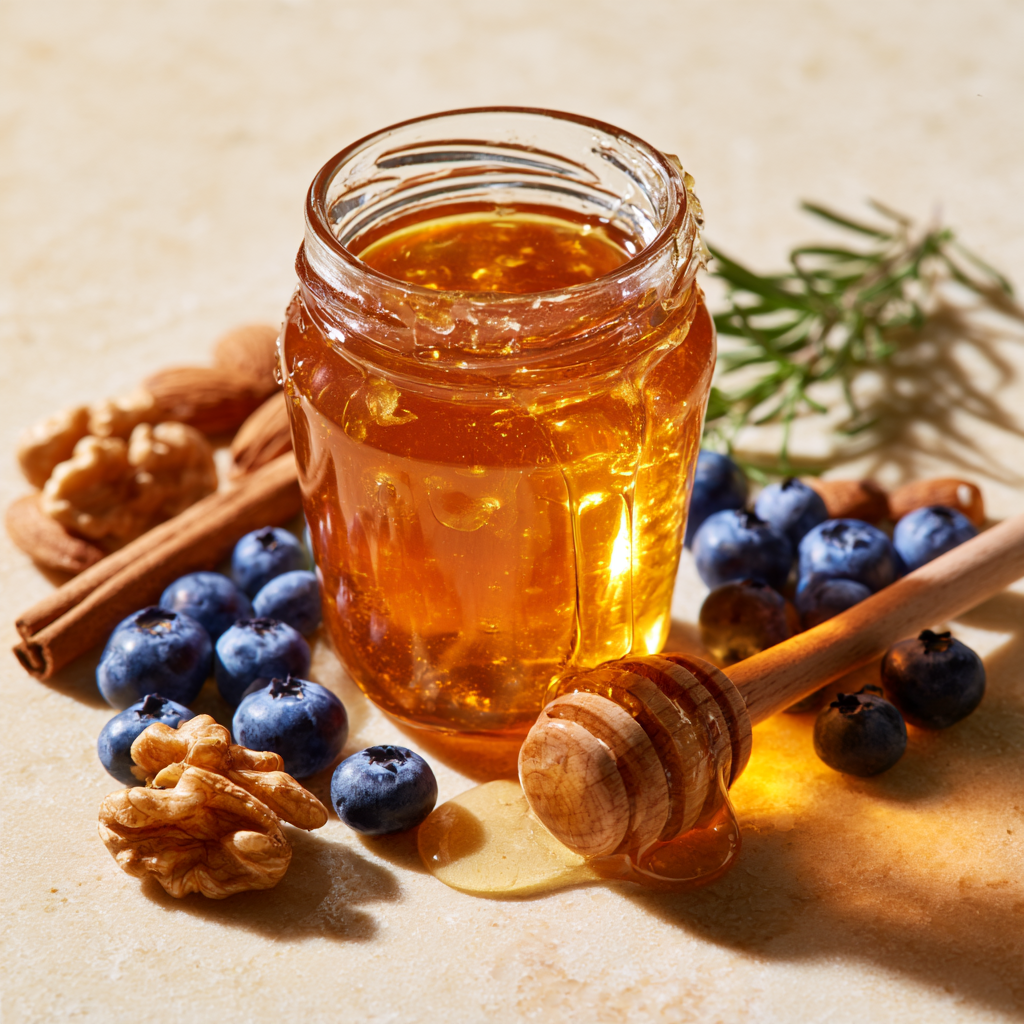
Take honey, for example. Honey + muesli + walnuts + berries + yoghurt is a much more complete and varied nutritional profile than honey alone.
Can Honey Improve Memory?
Oxidative stress, inflammation, and neurological health have been studied using honey and some of its constituents.
However, there is no evidence that honey can be used to treat memory loss.
Claims like “one spoonful of honey instantly boosts memory” or “honey prevents dementia” are beyond what the current evidence can reliably support.
There are many factors that impact memory, including age, sleep, stress, physical activity, nutrition, medications, and underlying health conditions.
If you have ongoing, worsening, or unexplained changes in your memory, you should seek appropriate medical evaluation and not rely on a food or home remedy.
How to Choose Good-Quality Honey
When shopping for honey, don’t judge a product solely by marketing terms related to brain health.
Instead, consider a few practical factors:
- Check that honey is the primary or only ingredient.
- Buy from a reputable producer or retailer.
- Look for clear information about origin when available.
- Choose a flavor you actually enjoy.
- Consider raw or minimally processed varieties if that is your preference.
- Don’t assume a higher price automatically means greater health benefits.
Honey naturally varies in color, flavor, aroma, and texture depending on its floral source.
Who Should Be Careful With Honey?
You don’t need a fancy wellness regimen to use honey.
Try a little muesli with walnuts and berries. You can also drizzle it over plain Greek yoghurt, spread a little on whole-grain toast with nut butter, or use it to lightly sweeten an unsweetened beverage.
Honey can also be combined with cinnamon, ginger or lemon for flavour.
The trick is to do it in moderation.
So honey in itself might not be a supplement, but it might be more practical to use it to make nutritious foods more palatable.
Conclusion
There’s no scientifically proven best honey for the brain. However, raw honey, Manuka honey, buckwheat honey, darker types of honey, and good-quality local honey can all be included in a well-rounded diet.
Honey does have carbohydrates and naturally occurring antioxidant compounds, but it’s not a cure for memory loss or cognitive decline.
Rather than just using honey, combine a little with nutrient-rich foods like walnuts, berries, muesli, yoghurt, seeds, and whole grains.
If you like cinnamon with honey, you can add it to a simple food or drink as well. The bigger picture remains the most important strategy for long-term brain health: a well-rounded diet, regular physical activity, sufficient sleep, and appropriate medical care when memory concerns arise.
Frequently Asked Questions About Honey and Brain Health
Which honey is best for brain health?
There is no single type of honey scientifically proven to be the best for brain health. Raw honey, Manuka honey, buckwheat honey, and darker honey varieties are commonly discussed because they contain naturally occurring antioxidants and plant compounds.
Is raw honey better for the brain?
Raw honey is less processed and may retain naturally occurring compounds. However, there is not enough evidence to show that raw honey significantly improves memory or brain function compared with other types of honey.
Is Manuka honey good for memory?
Manuka honey contains distinctive compounds and has been studied for several potential health-related properties. However, there is not strong clinical evidence showing that eating Manuka honey directly improves memory.
Is dark honey better than light honey?
Some darker honey varieties may contain higher levels of certain antioxidant compounds than lighter varieties. This does not necessarily mean they provide greater memory or cognitive benefits.
Can I mix honey and cinnamon for brain health?
Yes. Honey and cinnamon can be combined as part of a balanced diet or wellness drink. However, the mixture has not been proven to treat memory loss or improve cognitive function.
Can honey improve memory?
Honey provides carbohydrates and naturally occurring antioxidant compounds, but there is not enough clinical evidence to consider honey a treatment for memory problems or cognitive decline.
What can I mix with honey for a brain-friendly breakfast?
You can pair a small amount of honey with walnuts, berries, oatmeal, plain yogurt, chia seeds, flaxseeds, or other nutrient-rich whole foods.
How much honey should I eat per day?
Honey contains sugar and calories, so moderation is important. A small amount can be used as a sweetener in foods such as oatmeal, yogurt, or tea rather than consuming large quantities.