Every beekeeper at some time faces the same dilemma—how to keep their hive healthy under stress, disease, or food shortage. Supplemental feeding is one of the most powerful tools in the beekeeper’s arsenal and, when done correctly, can mean the difference between a thriving colony and one that is struggling.
The Healthy Honey Bee recipe is a homemade bee supplement that is made by combining sugar syrup with a specific blend of essential oils and other natural ingredients. Beekeepers use it worldwide to help their hives, improve nutrition for the bees, and strengthen their hives, especially in early spring, late fall, or drought conditions when natural forage is scarce.
In this guide, we will tell you everything you need to know about what makes honey bee health, why it works, how to prepare it at home, and how to feed it safely and effectively. Whether you’re a beginner with your first hive or managing dozens of colonies, this article will give you a clear, practical framework for using this natural bee supplement with confidence.
What Is Honey Bee Healthy and Why Do Beekeepers Use It?
Honey Bee Healthy is a concentrated liquid supplement added to sugar syrup to boost its nutritional value and increase its attractiveness to bees. The original commercial product marketed as Honey-B-Healthy was designed to stimulate feeding, boost immune function, and improve overall colony health. The homemade version replicates its key ingredients with spearmint oil, lemongrass oil, and a few other ingredients.
Beekeepers typically turn to this supplement in several situations:
- Early spring build-up, when colonies are growing fast but flowers haven’t yet bloomed
- Late fall preparation, to help bees store enough energy reserves before winter
- Drought or dearth periods, when natural nectar sources are temporarily unavailable
- Post-disease recovery, to help weakened colonies regain strength
- New package installations, to encourage bees to accept and draw out new comb
The essential oils in the recipe are not just to attract bees to the feeder. Lemongrass oil mimics the Nasonov pheromone bees use to inform each other of the natural location of the hive and sources of food. Spearmint oil has been shown to promote digestive health and may help repel certain pathogens. Together, they make the syrup more palatable, and possibly even more healthful, than plain sugar water.
The Core Ingredients for a Homemade Honey Bee Healthy Recipe
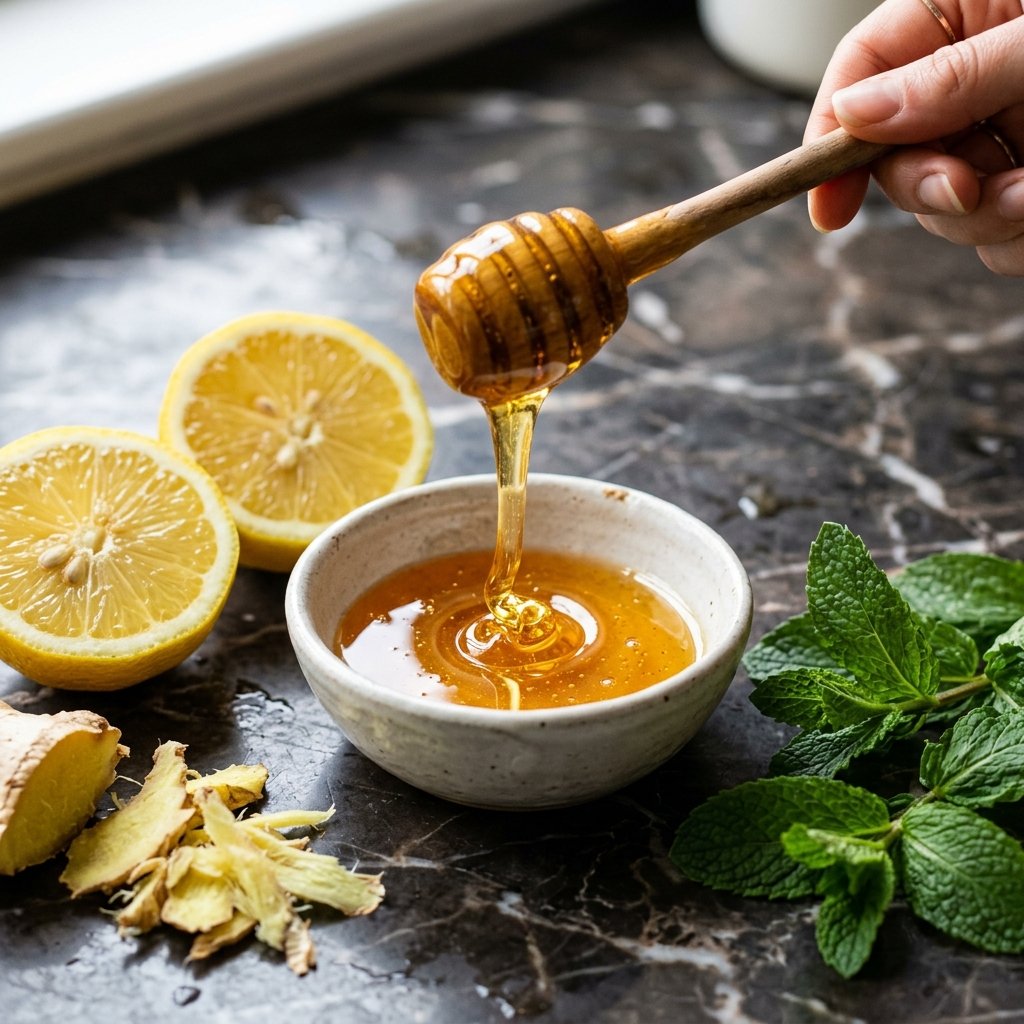
One of the advantages of making this supplement at home is that you control exactly what goes into it. Here’s what you’ll need for a standard batch:
For the essential oil concentrate:
- 1 cup water
- ¾ cup granulated white sugar
- 10 drops lemongrass essential oil
- 10 drops spearmint essential oil
- 1 teaspoon lecithin granules (acts as an emulsifier to blend oils into water)
- Optional: ½ teaspoon thymol crystals (a natural antimicrobial derived from thyme)
For the sugar syrup (1:1 spring/summer ratio):
- 1 quart warm water
- 1 quart granulated white sugar
For the sugar syrup (2:1 fall/winter ratio):
- 2 quarts granulated white sugar
- 1 quart warm water
The 1:1 ratio is thinner and stimulates brood rearing. The 2:1 ratio is thicker and helps bees store energy for winter. Choosing the right ratio at the right time of year is just as important as the supplement itself.
Why Lecithin Matters in the Recipe
Essential oils are hydrophobic, meaning they don’t naturally mix with water. Without an emulsifier, the oils will float on top of the syrup, leading to uneven distribution and less effectiveness of the mixture. Lecithin is a natural binder, usually from soybeans or sunflowers, and helps to distribute the oils throughout the syrup. It’s a minor addition, but it makes a big difference in the end product.
How to Prepare the Honey Bee Healthy Recipe Step by Step
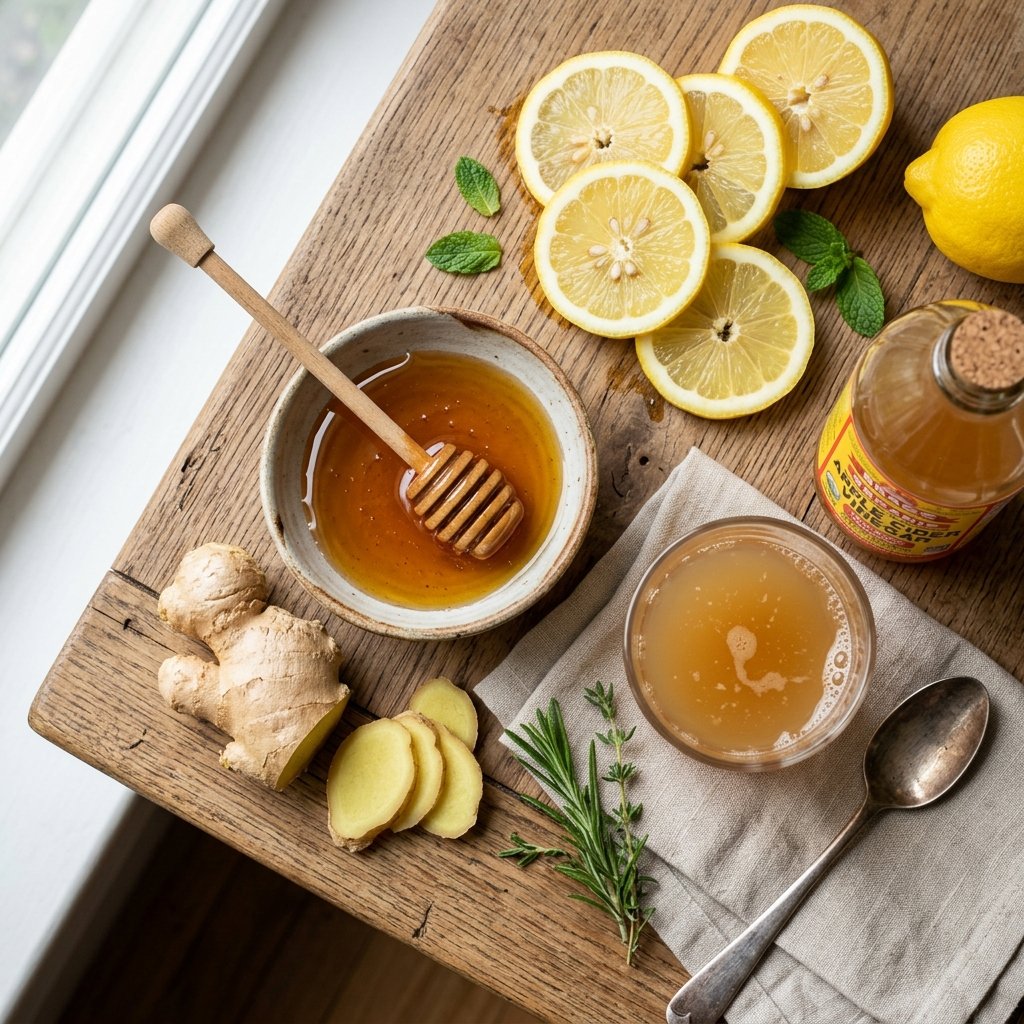
This process takes about 20 minutes and produces enough concentrate to treat multiple batches of syrup.
Step 1: Make the concentrate base
Heat 1 cup of water in a small saucepan over medium heat. Add ¾ cup sugar and stir until dissolved. Remove from heat and let it cool a little; you want the mixture warm, not bubbling.
Step 2: Add the lecithin
Stir in one teaspoon of lecithin granules until fully dissolved. This step is important—if you skip it, your essential oils won’t incorporate properly.
Step 3: Add the essential oils
Add 10 drops of lemongrass oil and 10 drops of spearmint oil. If thymol is used, first dissolve the crystals in a small quantity of warm alcohol before adding it here. Blend well for at least 60 seconds.
Step 4: Prepare the sugar syrup
In a separate large container, dissolve your sugar in warm water (using your preferred ratio). Stir until the sugar is completely clear—never boil the syrup, as this can create harmful compounds that are toxic to bees.
Step 5: Combine and mix
Add approximately 1 tablespoon of concentrate per quart of syrup. Stir well before each feeding. Shake or stir again just before pouring into the feeder, as some separation may occur over time.
How to Feed Honey Bee Healthy to Your Colonies
The way of feeding is as important as the recipe. Beekeepers have a variety of feeder style options:
Top feeders are placed on top of the hive frames and hold large amounts of syrup. They are convenient and reduce the risk of robbing from neighboring hives. It is the style most favored by experienced beekeepers for supplemental feeding.
Entrance feeders (or boardman feeders) are inverted jars of syrup that are hung at the hive entrance. easy to monitor and refill, but they can cause robbing behavior when other bees smell the scent of syrup at the entrance.
Frame feeders substitute one or two frames within the hive body. They work fine, but you have to open the hive to add more.
Board feeders in a division are similar to frame feeders, but larger, and often take the place of two frames. They hold more syrup and are good for busy spells.
Regardless of which feeder type you use, apply these best practices:
- Feed in the late evening to reduce robbing
- Never leave syrup out in open containers near the hive
- Clean and refill feeders every 3–5 days to prevent mold growth
- Reduce or stop feeding once a natural nectar flow begins
Storage Tips for Your Homemade Bee Supplement
Prepared sugar syrup doesn’t keep indefinitely, especially once essential oils are added. Here’s how to store it correctly:
- Concentrate only: Store the undiluted essential oil concentrate in a sealed glass jar in the refrigerator. It will keep for up to two months.
- Mixed syrup: Use within 5–7 days. Discard any syrup that smells fermented or shows signs of cloudiness or mold.
- Label everything: Mark your containers with the date of preparation and the syrup ratio used.
- Avoid metal containers: The acidity of sugar syrup can react with metal over time. Glass or food-grade plastic containers work best.
Important Precautions Every Beekeeper Should Know
If used properly, the Honey Bee Healthy recipe is safe and good. If used carelessly, it can cause real problems. Remember these precautions:
Don’t over-supplement. Feeding bees during a strong nectar flow can contaminate the honey with syrup, which will be stored in the cells that should be filled with honey. Be sure to check local bloom conditions before feeding.
Use only pure essential oils. Fragrance oils and synthetics are not the same as pure essential oils. They can contain compounds that are harmful to bees. Choose a reputable supplier for therapeutic-grade or food-grade oils.
Do not feed when honey supers are on. If there are honey supers on the hive, remove them before feeding syrup. They may put it in the supers, which will contaminate your honey crop.
Don’t alter ingredients. Some beekeepers are tempted to add other essential oils (tea tree, eucalyptus, etc.) in larger quantities. These may be toxic in high concentrations. Unless you have researched the substitution, stick to the tried and true.
“Use safety equipment when working with concentrates.” “Pure essential oils are strong and can be irritating to skin and eyes. Handle with gloves and in a well-ventilated area.
How This Recipe Supports Honey Bee Nutrition and Colony Strength
Bees are excellent foragers, but they rely heavily on the availability of diverse pollen and nectar sources for full nutritional health. Colonies can suffer from nutritional deficiencies when these sources are limited, which in turn compromises the immune system, reduces brood production, and makes bees more susceptible to pathogens such as Nosema or chalkbrood.
The Honey Bee Healthy recipe tackles the energy portion of this equation with easily digestible carbohydrates in a form that bees readily accept. The essential oils help to stimulate the feeding activity so that more bees consume the supplement instead of ignoring it. Thymol, when included, adds additional antimicrobial support that may help reduce the load of opportunistic pathogens in the hive.
Note: this recipe is balanced in carbohydrates, not protein. Beetles require pollen – or a substitute for protein – to raise healthy brood. If your bees are also short on pollen, add a commercial pollen substitute patty to this recipe for complete nutrition support.
Adapting the Recipe for Different Seasons and Hive Conditions
Experienced beekeepers adjust their feeding approach throughout the year based on colony needs and environmental conditions.
Early Spring: Use a 1:1 syrup with Honey Bee Healthy to stimulate brood rearing and encourage the queen to lay. Start feeding 4 to 6 weeks before your major nectar flow.
Summer Dearth: In areas with a dry spell mid-summer and scarce forage, light 1:1 feeding will stop colonies from depleting stored honey reserves prematurely.
Late Summer to Fall: Switch to 2:1 syrup to help bees build up energy for winter. Feed regularly until the bees stop taking syrup, a good sign they have sufficient stores.
Winter: Do not give them liquid syrup when the weather is cold. Bees cannot take liquid feed under some 50°F (10 °C). Open feeders can add harmful moisture to the hive. Winter options are safer: fondant or candy boards.
Beekeeping Tips for Getting the Best Results
A few additional practices will help you get the most out of this natural bee supplement:
- Inspect your hive before feeding. Know your colony’s current condition—population size, brood pattern, and food stores—so you can tailor your feeding plan accordingly.
- Track your feeding records. Note the dates, amounts, and syrup ratios used. This helps you identify patterns and improve your approach over time.
- Combine with good hive management. Supplemental feeding works best alongside regular mite monitoring, proper ventilation, and timely swarm management.
- Source quality ingredients. The quality of your essential oils and sugar directly affects the outcome. Use refined white sugar rather than raw or brown sugar, which can cause dysentery in bees.
Supporting Your Hive, One Batch at a Time
The Honey Bee Healthy recipe is not a cure-all, but it is one of the most practical and accessible tools available to beekeepers who want to give their colonies a nutritional edge. With a few simple ingredients and about 20 minutes of prep time, you can make a natural bee supplement that promotes feeding, supports hive health, and helps your colony build the strength it needs to thrive.
Start with a small test batch, see how your bees react, and adjust accordingly. Beekeeping is patience and attention to detail—and so is this recipe.
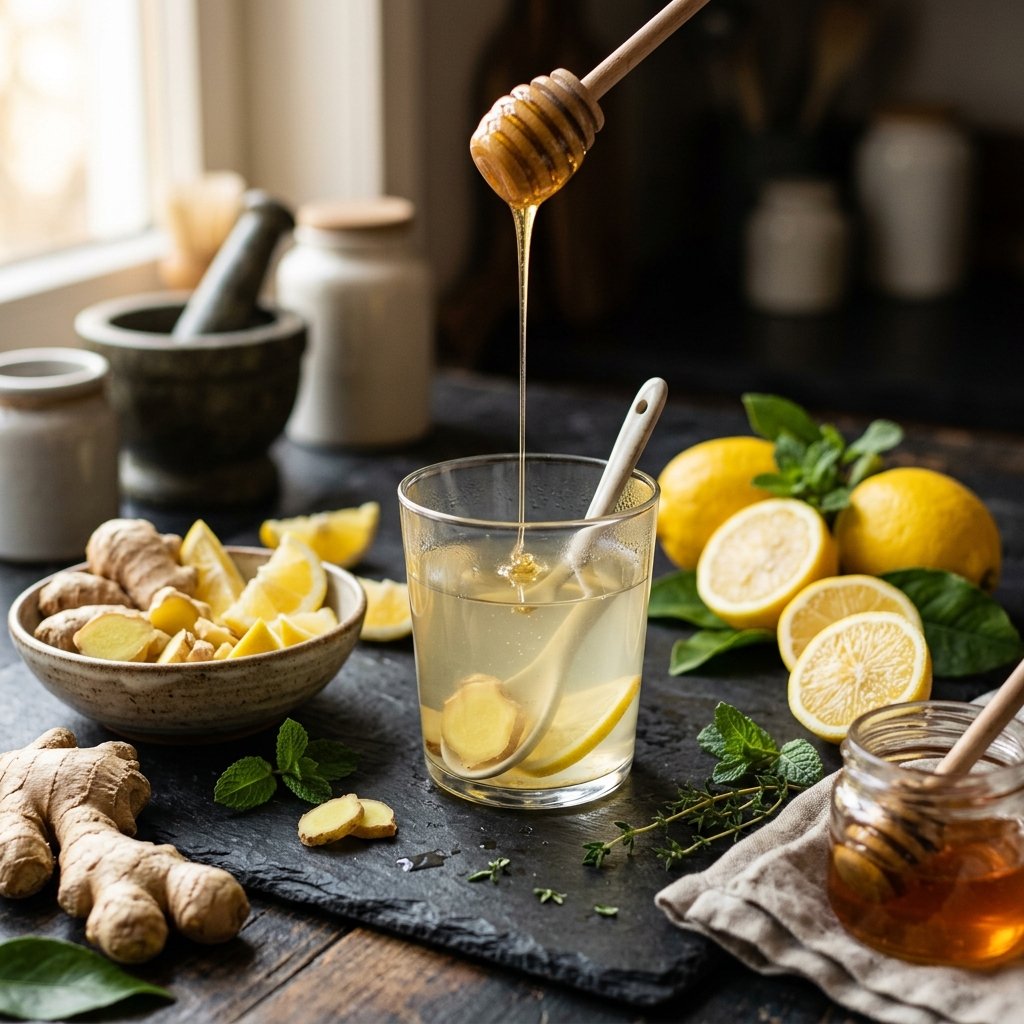
Honey Bee Healthy Recipe (Homemade Bee Supplement)
Ingredients
Equipment
Method
- Heat 1 cup of water in a saucepan and dissolve ¾ cup sugar completely. Allow the mixture to cool slightly.
- Add lecithin granules and stir until fully blended.
- Add lemongrass and spearmint essential oils. Mix thoroughly for about 60 seconds.
- Prepare your preferred sugar syrup by dissolving sugar into warm water.
- Add approximately 1 tablespoon of Honey Bee Healthy concentrate per quart of sugar syrup.
- Mix well before feeding and stir again before each use.
- Feed the syrup using a suitable hive feeder, preferably during late evening to reduce robbing risks.
Notes
Frequently Asked Questions
What is Honey Bee Healthy made of?
The homemade Honey Bee Healthy recipe typically includes sugar syrup, lemongrass essential oil, spearmint essential oil, and lecithin as an emulsifier. Thymol is sometimes used by beekeepers for added antimicrobial support. These ingredients work together to create a natural bee supplement that promotes feeding and helps colony health.
How much Honey Bee Healthy should I add to sugar syrup?
A standard ratio is approximately 1 tablespoon of Honey Bee Healthy concentrate per quart (32 oz) of sugar syrup. Adjust slightly based on the strength of your essential oils and how readily your bees are accepting the feed.
Can I make Honey Bee Healthy without essential oils?
Yes, you can feed plain sugar syrup without essential oils, and bees will still consume it. However, essential oils, especially lemongrass oil, help improve bee attraction to the feeder and may provide additional benefits.
Is Honey Bee Healthy safe for bees?
Honey Bee Healthy is safe for bees when properly prepared and fed in the correct amounts. Use only pure essential oils, avoid synthetic fragrances, do not feed during active honey flows with supers on, and avoid excessive amounts of oils.
When should I stop feeding bees sugar syrup?
Stop feeding sugar syrup when the main nectar flow begins or when bees stop accepting the syrup. Liquid feeding should also be stopped when temperatures are consistently below 50°F (10°C).
Can I use Honey Bee Healthy for new package bees?
Yes, Honey Bee Healthy can be used for new package bees. The lemongrass oil helps attract bees to the feeder and encourages them to accept the syrup, helping the colony establish itself and draw out new comb.