
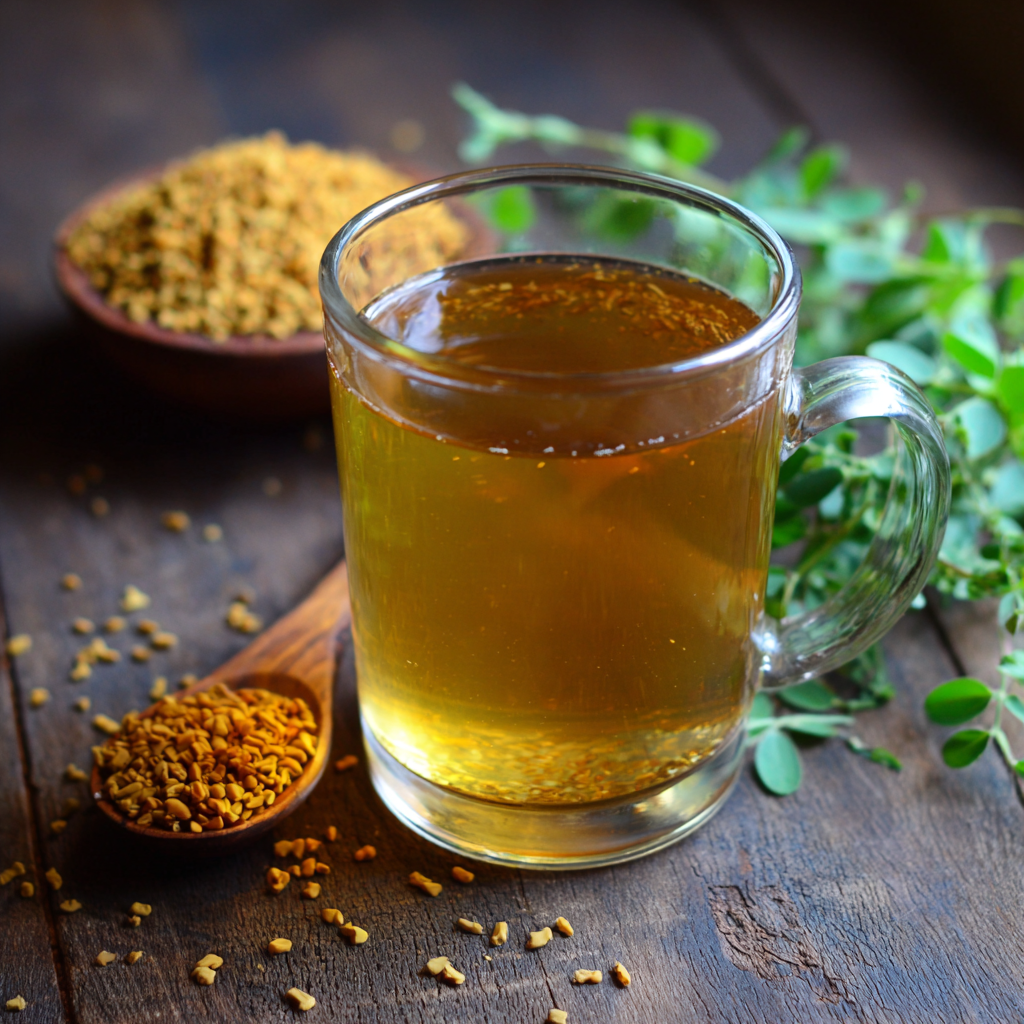
Fenugreek Tea Recipe is not only a delicious herbal drink but also a treasure trove of health benefits. With a reputation for aiding digestion, reducing inflammation and regulating blood sugar levels, fenugreek tea has for generations been a mainstay in traditional medicine throughout different cultures Whether you are a die-hard tea fan, a health buff or a new mama seeking to boost your milk production, this practical fenugreek tea recipe that we are about to share is sure be an important part of your daily life.
This guide details the fenugreek tea recipe, along with helpful tips, various options, health benefits, and precautions, so that you can enjoy the perfect cup every time.
- What is Fenugreek Tea?
- Ingredients Needed for Fenugreek Tea Recipe
- Step-by-Step Fenugreek Tea Recipe
- Tips for Making the Best Fenugreek Tea
- Variations of Fenugreek Tea Recipe
- Fenugreek Tea for Specific Health Goals
- Side Effects and Precautions of Fenugreek Tea
- Frequently Asked Questions About Fenugreek Tea
- Where to Buy Fenugreek Seeds or Tea
- Conclusion – Enjoy Your Fenugreek Tea at Home
- Share Your Twist!
What is Fenugreek Tea?
Used in traditional medicine and Ayurvedic practices, the benefits of fenugreek, or Trigonella foenum-graecum by its real name in scientific Latin, have been known for centuries. With a slightly nutty flavor and an earthy taste that is easy on the palate, fenugreek tea can promote healthy living every day.
Historically, fenugreek has been cultivated in India, the Middle East, and North Africa for its seeds and leaves. It is commonly used in herbal remedies as well as dishes that can be eaten or drunk to address health problems; as such, the tea combines taste with function.
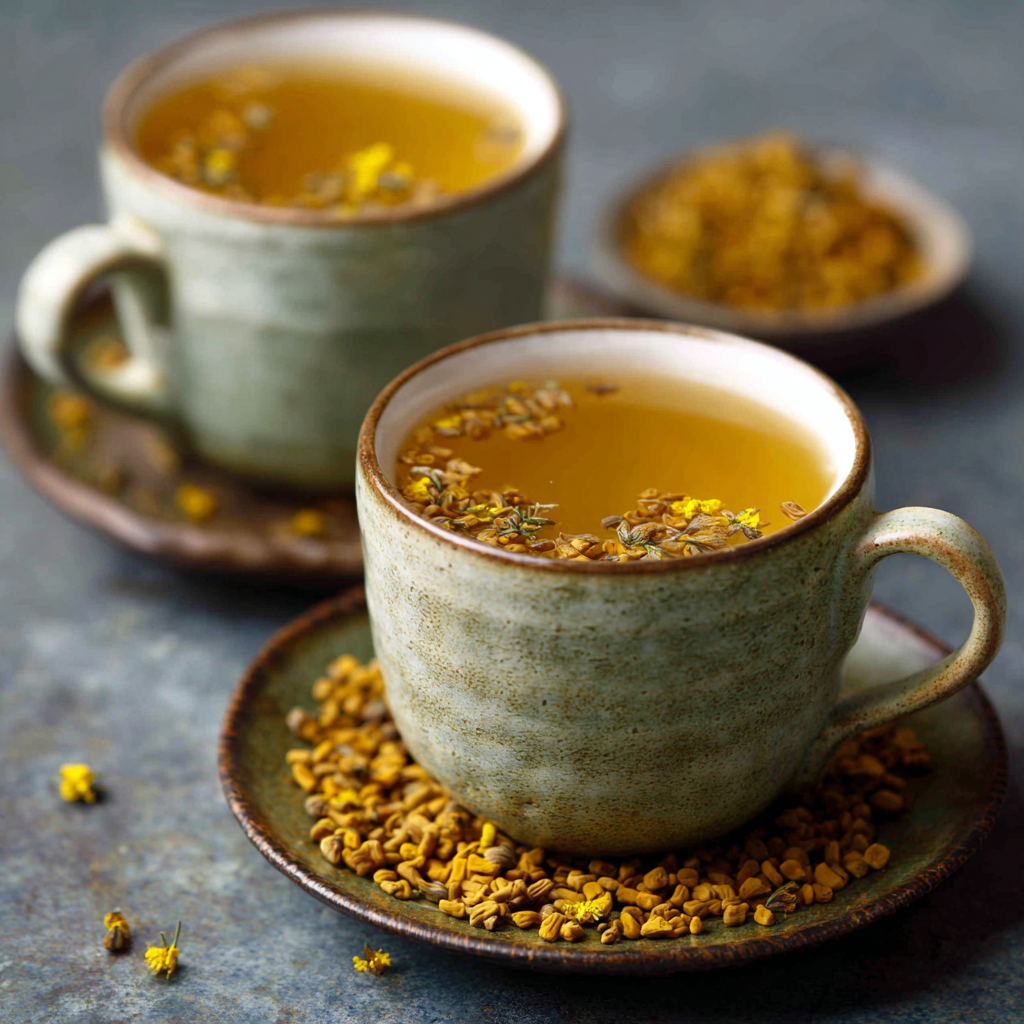
Health Benefits of Fenugreek Tea
Drinking fenugreek tea daily may provide a range of benefits:
- Supports Digestion – Fenugreek contains soluble fiber, which aids digestion and helps relieve bloating, acidity, and constipation.
- Regulates Blood Sugar – Research indicates fenugreek may help lower blood glucose levels, making it helpful for diabetics.
- Boosts Lactation – Traditionally used by breastfeeding mothers to improve milk supply.
- Anti-inflammatory & Antioxidant Properties – Helps reduce inflammation and oxidative stress.
- Weight Management – The fiber content helps in reducing appetite and controlling cravings.
Table: Key Nutritional Components of Fenugreek Seeds
| Nutrient | Amount per 100g | Benefit |
|---|---|---|
| Fiber | 25g | Improves digestion, reduces appetite |
| Protein | 23g | Muscle repair and satiety |
| Iron | 33% DV | Supports blood health |
| Magnesium | 191mg | Supports metabolism & heart health |
| Vitamins B1, B2 | 0.5–0.6mg | Supports energy metabolism |
Quote: “Fenugreek tea is a natural elixir that nourishes both body and mind.” – Herbal Wellness Expert
Who Should Drink Fenugreek Tea?
Fenugreek tea is suitable for a wide range of people:
- Adults seeking a natural health boost.
- Breastfeeding mothers to support lactation.
- People with digestive issues or bloating.
- Those looking for blood sugar support or weight management.
Precaution: Pregnant women, people with allergies to legumes, or those on specific medications should consult a doctor before regular consumption.
Ingredients Needed for Fenugreek Tea Recipe
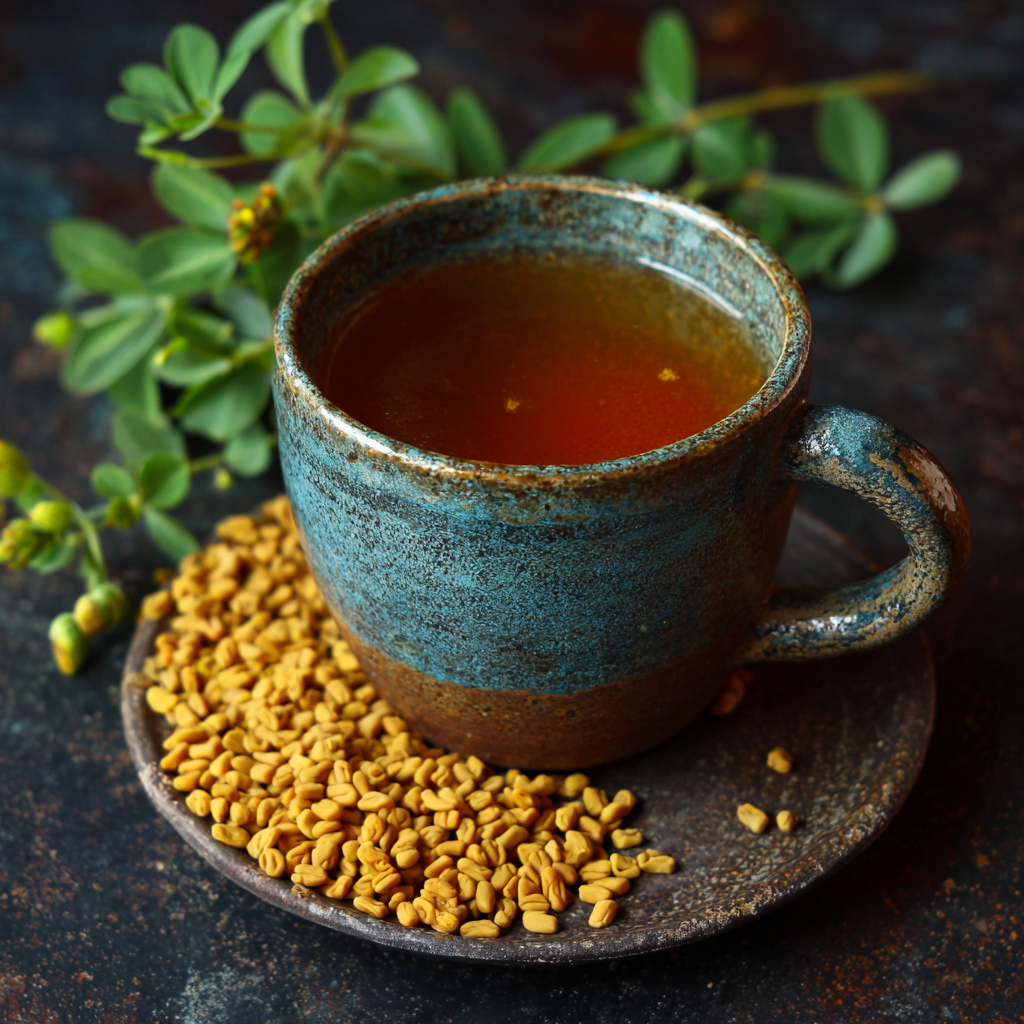
A simple fenugreek tea recipe requires minimal ingredients, most of which you can find in your kitchen.
- Fenugreek seeds – 1–2 teaspoons
- Water – 2 cups
- Optional flavorings:
- Honey – 1 teaspoon
- Lemon – 1 slice
- Ginger – 2–3 thin slices
- Cinnamon – ½ teaspoon
Tips for Selecting Ingredients:
- Choose organic fenugreek seeds for the best health benefits.
- Use fresh water to enhance the taste and aroma.
- Optional herbs and spices can be added for flavor and additional benefits.
Step-by-Step Fenugreek Tea Recipe
Making fenugreek tea is simple but requires attention to detail to avoid bitterness.
Traditional Fenugreek Tea Recipe
- Soak fenugreek seeds (optional):
- Soak 1–2 teaspoons of fenugreek seeds in water overnight.
- This reduces bitterness and improves nutrient absorption.
- Boil seeds in water:
- Add soaked seeds to 2 cups of water.
- Boil for 5–7 minutes until the water turns light brown.
- Strain and serve:
- Strain seeds using a fine sieve.
- Add honey, lemon, or ginger for flavor.
- Enjoy hot:
- Drink fresh to maximize health benefits.
Quick Fenugreek Tea Method
- Crush fenugreek seeds lightly to speed up the boiling process.
- Boil 1 teaspoon crushed seeds in 2 cups water for 3–5 minutes.
- Strain and enjoy with optional flavorings.
Cold Fenugreek Tea Recipe
- Prepare hot fenugreek tea using the traditional recipe.
- Let it cool to room temperature.
- Refrigerate for 1–2 hours and serve over ice with lemon or honey.
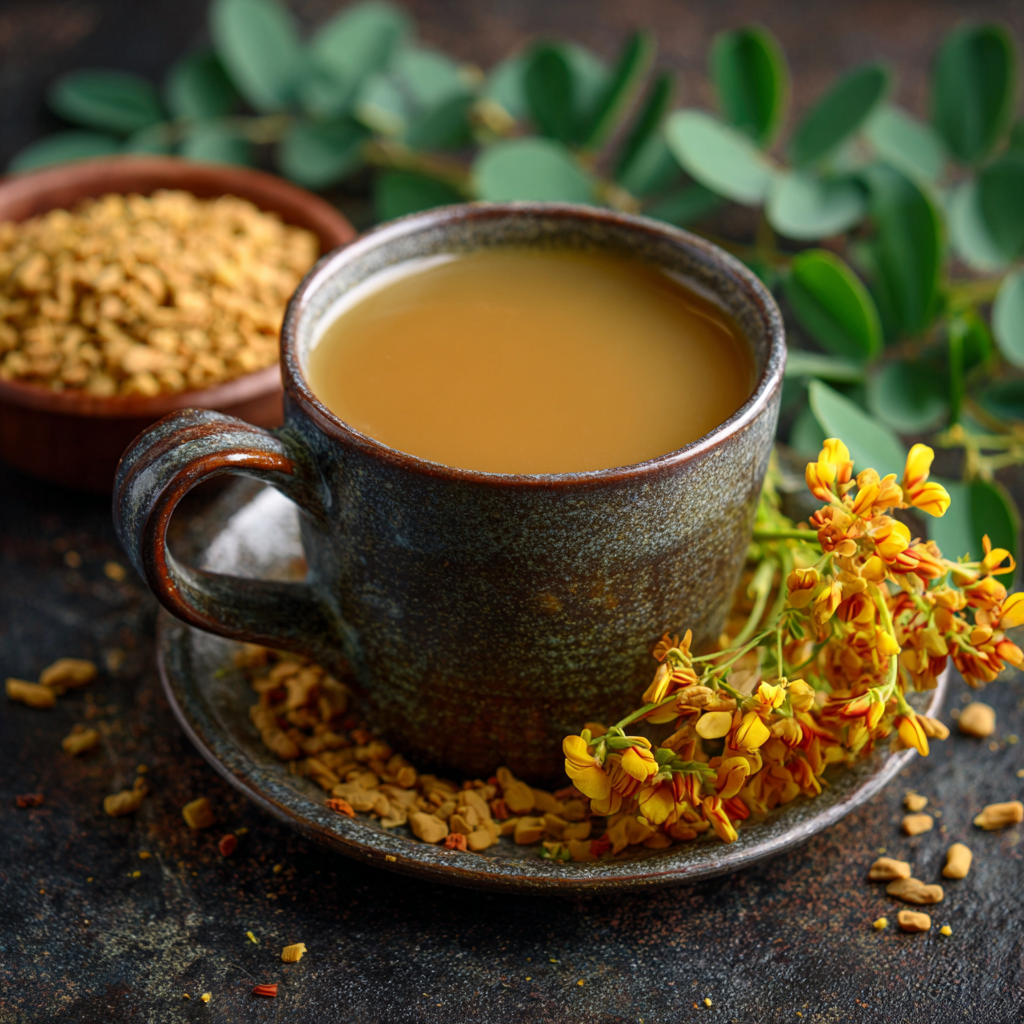
Tips for Making the Best Fenugreek Tea
- Avoid bitterness: Do not overboil seeds; 5–7 minutes is sufficient.
- Steeping time: Let the tea steep for 5 minutes before adding sweeteners.
- Storage: Store dry seeds in an airtight container in a cool, dry place.
- Best time to drink: Morning or after meals for digestion benefits.
Variations of Fenugreek Tea Recipe
Fenugreek Ginger Tea
- Combines the digestive power of ginger with fenugreek.
- Boil 1 tsp fenugreek seeds and 2 slices of ginger in 2 cups water.
- Strain and add honey or lemon.
Fenugreek Lemon Tea
- Adds vitamin C and tangy flavor.
- Squeeze half a lemon into your prepared fenugreek tea.
Fenugreek and Honey Tea
- Natural sweetener to counter bitterness.
- Add 1 teaspoon honey to the tea after straining.
Fenugreek Green Tea Blend
- Mix green tea leaves with 1 tsp fenugreek seeds for antioxidants.
- Brew in hot water for 3–5 minutes.
Table: Popular Fenugreek Tea Variations
| Variation | Key Ingredients | Benefits |
|---|---|---|
| Fenugreek Ginger Tea | Ginger, fenugreek seeds | Digestion, anti-inflammatory |
| Fenugreek Lemon Tea | Lemon, fenugreek seeds | Immunity, vitamin C |
| Fenugreek Honey Tea | Honey, fenugreek seeds | Taste, soothing, antioxidant |
| Fenugreek Green Tea Blend | Green tea, fenugreek | Antioxidants, metabolism support |
Fenugreek Tea for Specific Health Goals
Fenugreek Tea for Weight Loss
- Fenugreek’s fiber promotes fullness, reducing overeating.
- Drink 1 cup before meals to curb appetite naturally.
Fenugreek Tea for Lactation
- Helps increase breast milk supply in breastfeeding mothers.
- Recommended to drink 1–2 cups daily.
Fenugreek Tea for Blood Sugar Control
- Studies show fenugreek seeds improve insulin function.
- Best consumed before or after meals.
Fenugreek Tea for Digestion
- Regular consumption can reduce bloating, acidity, and promote gut health.
Side Effects and Precautions of Fenugreek Tea
- Allergic reactions: People allergic to chickpeas or legumes may react.
- Excessive consumption: Too much may cause diarrhea or nausea.
- Pregnancy caution: Can stimulate uterine contractions if consumed in excess.
- Consult a doctor: Especially if taking medications for blood sugar or blood pressure.
Frequently Asked Questions About Fenugreek Tea
- How long can I store fenugreek tea?
- Best consumed fresh, but can be stored 24 hours in the fridge.
- Can I drink fenugreek tea every day?
- Yes, 1–2 cups daily is safe for most adults.
- Can I use fenugreek powder instead of seeds?
- Yes, ½ tsp fenugreek powder per cup works well.
- Does fenugreek tea taste bitter? How to reduce bitterness?
- Soak seeds overnight and add honey or lemon.
- Can children drink fenugreek tea?
- Small amounts are generally safe, but consult a pediatrician.
- Can I drink fenugreek tea at night?
- Yes, but it may have mild laxative effects in sensitive individuals.
Where to Buy Fenugreek Seeds or Tea
- Supermarkets: Usually available in the spice aisle.
- Health stores: Organic options with higher nutrient content.
- Online: Amazon, health-focused websites.
Tip: Choose organic and high-quality seeds to maximize health benefits.
Conclusion – Enjoy Your Fenugreek Tea at Home
Learning the fenugreek tea recipe allows you to enjoy a healthy, flavorful beverage that supports digestion, lactation, and blood sugar control. With simple ingredients, multiple variations, and easy preparation methods, anyone can incorporate fenugreek tea into their daily routine.
Call-to-action: Try making your first cup today and share your experience in the comments below!
Fenugreek Tea Recipe for Everyday Health
Equipment
- Small saucepan or pot
- Measuring spoons
- Fine strainer or tea infuser
- Teacup or mug
- Spoon for stirring
Ingredients
- 1 –2 teaspoons fenugreek seeds
- 2 cups water
- Optional:
- 1 teaspoon honey
- 1 slice lemon
- 2 –3 slices fresh ginger
- ½ teaspoon cinnamon
Instructions
- Soak the seeds (optional): Soak 1–2 tsp fenugreek seeds in water for 4–6 hours or overnight to reduce bitterness.
- Boil the tea:Add soaked seeds to 2 cups of water in a saucepan. Boil for 5–7 minutes until the water turns light brown.
- Add flavorings (optional): Add ginger slices, honey, lemon, or cinnamon as desired.
- Strain and serve: Use a fine strainer to remove seeds and solids. Serve hot or let cool for iced fenugreek tea.
Notes
- Taste tip: Soaking seeds overnight reduces bitterness.
- Health tip: Drink 1–2 cups daily for maximum benefits.
- Storage: Store dry fenugreek seeds in an airtight container; prepared tea is best consumed fresh within 24 hours.
- Variations: Mix with green tea leaves, ginger, honey, or lemon for different flavors and additional health benefits.
- Precautions: Consult a doctor if pregnant, breastfeeding, or on medications affecting blood sugar.

Share Your Twist!
We’d love to hear how you make your fenugreek tea special! 🌿
- Do you add honey, lemon, or ginger?
- Have you tried any unique ingredients or flavor combinations?
- Share your tips, tricks, or personal touch in the comments below!