
Low Sodium Pasta Sauce Recipe:It can be difficult to find a healthy pasta sauce that tastes good and is low in sodium, particularly if you are on a quest to lower your salt consumption. High sodium levels in store-bought sauces can lead to a number of health conditions, such as high blood pressure and heart disease. But here is an easy recipe for a homemade, low-sodium pasta sauce. The best part is, you will not only get to manage the ingredients but also keep chemical preservatives and unnecessary additives away from your pasta dishes – a much healthier choice.
What’s great about a low-sodium pasta sauce recipe from scratch is that it has so many options. You can easily tweak it to your taste by seasoning, working with fresh herbs, or trying out new vegetables. Whether it’s a standard marinara, tomato basil, or garlic-flavoured olive oil-based sauce, the options are as unlimited as your imagination. On top of that, you can prepare a big batch well in advance and refrigerate it until you are ready to eat, so getting your healthy home-cooked sauce doesn’t have to be time-consuming or tedious.
When you make your own low-sodium pasta sauce, you’re not just jumping up and down for the flavour of your pasta- you’re putting yourself first. Newly made and with customizable flavours, you can enjoy a tasty meal and avoid high sodium. Whether you’re trying to reduce sodium for dietary purposes or looking at something more natural, this homemade pasta sauce is the perfect solution to make your next pasta night a flavorful and healthy one!
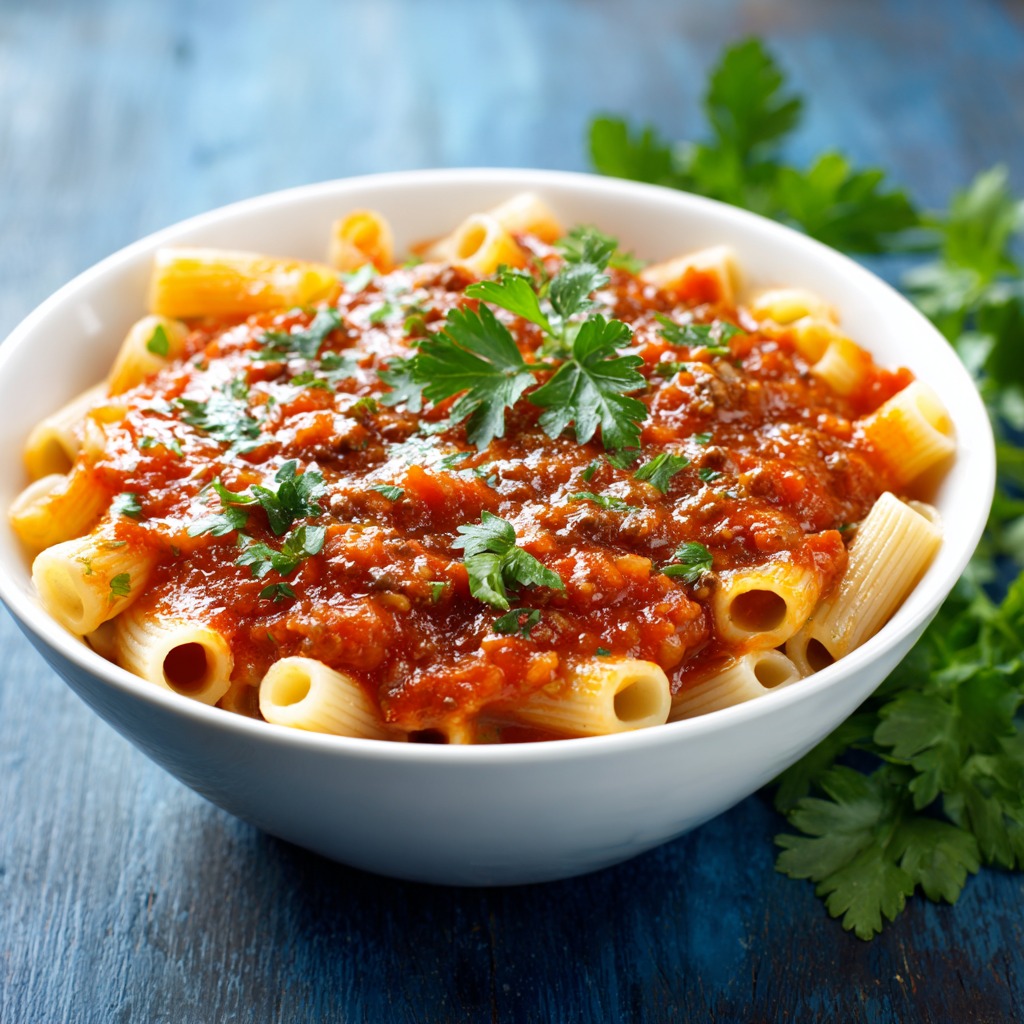
- Why Choose a Low Sodium Pasta Sauce Recipe?
- How to Make a Simple Low Sodium Pasta Sauce Recipe
- Health Benefits of Using Low Sodium Pasta Sauce Recipe
- Benefits of Low Sodium Pasta Sauce Recipe
- Lower Sodium Intake for Better Health
- Key Ingredients for a Low Sodium Pasta Sauce Recipe
- Simple Variations for Your Low Sodium Pasta Sauce Recipe
- Simple Variations for Your Low Sodium Pasta Sauce Recipe
- How to Store and Use Your Low Sodium Pasta Sauce Recipe
- Why Homemade Sauces Are Always Better Than Store-Bought
- Step-by-Step Guide to Preparing Low Sodium Pasta Sauce Recipe
- Tips for Enhancing the Flavor of Low Sodium Pasta Sauce Recipe
- How to Customize Your Low Sodium Pasta Sauce Recipe
- Pairing Low Sodium Pasta Sauce with Different Types of Pasta
- How to Adjust the Sauce for Different Dietary Preferences
- Share Your Twist!
Why Choose a Low Sodium Pasta Sauce Recipe?
If you want to make a healthy change without sacrificing flavour, changing over to a low-sodium pasta sauce recipe can make all the difference in the world. Most store-bought pasta sauces are laden with added salt, which can cause health problems such as high blood pressure, kidney disease and greater heart risks. If you make your own sauce, you control the sodium levels so that your recipe is flavorful yet healthier. Homemade sauce is great because you can control what fresh, whole foods go into it! For those looking to enjoy the occasional pasta dish without all of the added sodium – this is the one for you!
How to Make a Simple Low Sodium Pasta Sauce Recipe
A low-sodium pasta sauce recipe is easier than you may think to make at home. Begin with fresh tomatoes, or a no-salt-added canned one as the foundation. Layer in garlic, onions and a combination of herbs such as basil, oregano and thyme for depth. The key to making a flavorful sauce that doesn’t rely on added salt is leaning on natural flavours from the vegetables and fresh herbs you cook with, in lieu of high-sodium ingredients like canned tomato sauce or pre-bottled seasonings. You can also drizzle a little balsamic vinegar or sprinkle in some parmesan to up the flavours.
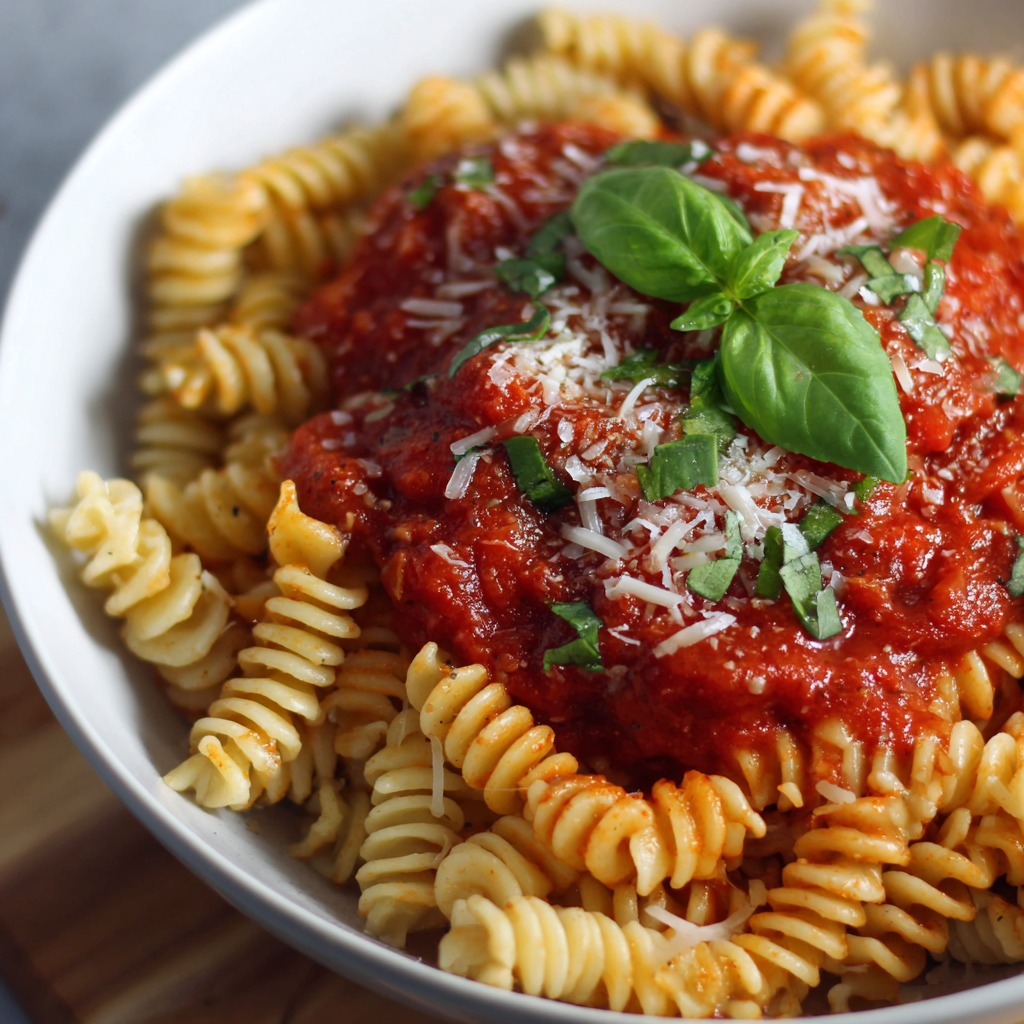
Health Benefits of Using Low Sodium Pasta Sauce Recipe
Low sodium pasta sauce recipe not only tastes good for your taste buds, but it’s also great for your health! Limit salt: Lowering your sodium can aid in controlling blood pressure, lower the chance of heart disease and improve kidney function. Plus, when you make pasta sauce at home, you can include a bunch of healthy ingredients like veggies, antioxidants and healthy fats. There is also the added benefit of it making the meal healthier, more delicious and filling because pasta contains vital nutrients but with less need for sodium.
Benefits of Low Sodium Pasta Sauce Recipe
Lower Sodium Intake for Better Health
Limiting the sodium in your pasta sauce means you can still eat good food without sacrificing your health. Less sodium consumption helps to control blood pressure and minimises the risk of heart problems. Homemade pasta sauce allows you complete control of the ingredients, so you can sidestep those hidden salt bombs lurking in store-bought products.
Healthier Digestion and Kidney Function
Fasttabs sodiumI: High sodium intake puts long-term strain on ur kidneys, particularly if excessive. Low-sodium pasta sauce recipe lowers this strain, improves kidney health, and helps digestion. As for homemade sauces, these usually contain fresh vegetables, which tend to aid digestion and nutrient assimilation.
Key Ingredients for a Low Sodium Pasta Sauce Recipe
Fresh Tomatoes vs. Canned Varieties
Fresh tomatoes provide the best flavour and lowest sodium, but when in a pinch, choose canned whole or crushed tomatoes with “no added salt” on their nutrition label. You can even roast or puree fresh tomatoes to create a naturally sweet, flavorful sauce without added preservatives or sodium.
Flavorful Herbs and Spices
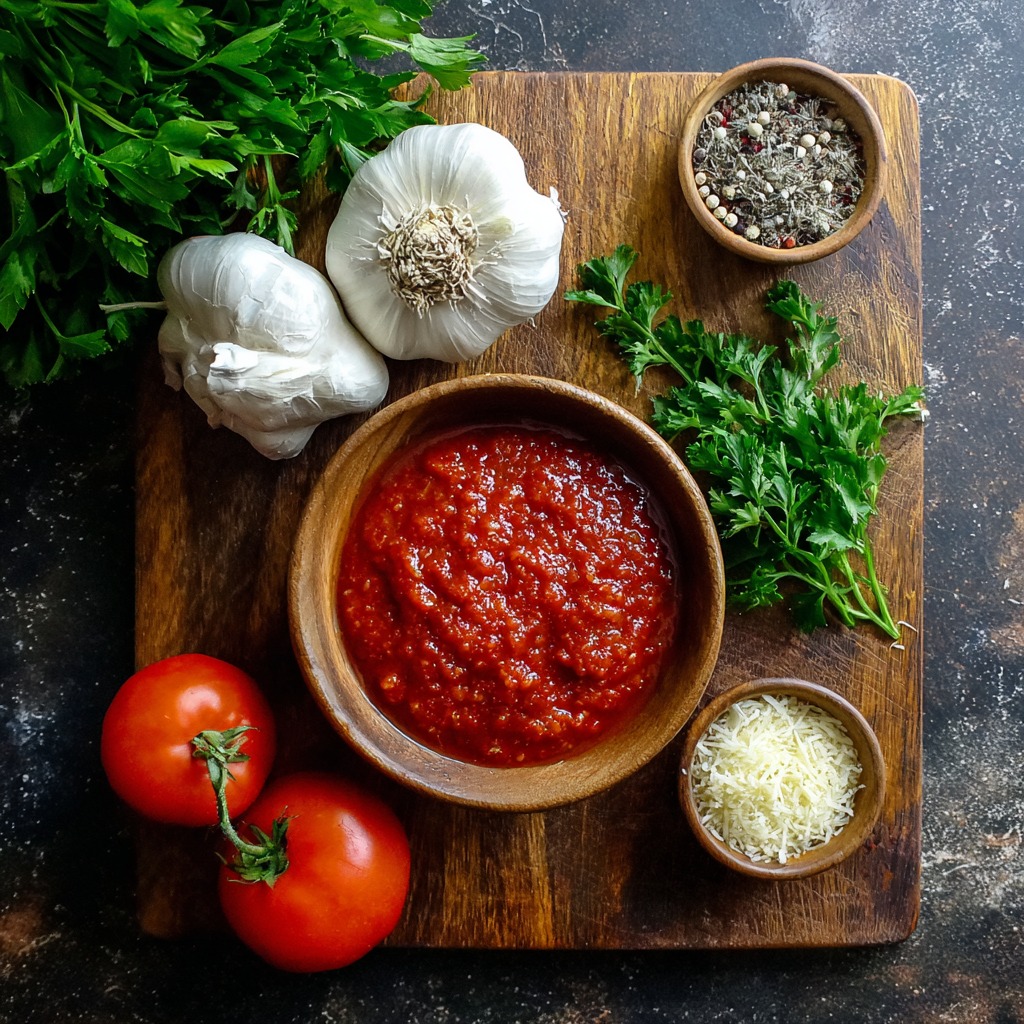
Herbs and spices are everything in a flavorful, low-sodium pasta sauce recipe. Add a few sprigs of fresh basil, oregano, thyme or rosemary to give your sauce depth. Red pepper flakes or black pepper can provide a bit of a spice kick; garlic and onion bring an aromatic sweetness without any salt.
Simple Variations for Your Low Sodium Pasta Sauce Recipe
Add Vegetables for Extra Nutrients
Add vegetables to the sauce if you like finely chopped bell peppers, zucchini, or spinach. These veggies will make your somewhat-indulgent sauce a little more nutritious (and definitely tasty) with extra fibre, vitamins, and minerals.
Experiment with Different Bases
Don’t stick to just tomatoes; other base alternatives can include roasted red peppers or even cauliflower. Roasted red pepper sauces contribute a nice smoky depth and richness, while cauliflower helps dial up the creamy factor and works well with many pasta dishes sans the sodium.
Simple Variations for Your Low Sodium Pasta Sauce Recipe
Add Vegetables for Extra Nutrients
Pump up your sauce with chopped veggies, think bell peppers, zucchini or even spinach. The veggies not only add flavour, but they also pack more nutrition into your sauce c: (fibre, vitamins, minerals)
Experiment with Different Bases
Instead of relying solely on tomatoes, experiment with other base ingredients (roasted red pepper or cauliflower). Roasted red pepper makes a smoky, rich sauce, too; so does cauliflower, and you can use it in some creamy pastas without all that added sodium.
How to Store and Use Your Low Sodium Pasta Sauce Recipe
Storing Your Homemade Sauce
You can keep your low-sodium pasta sauce in a container in the fridge for up to five days after being prepared. If you’re making the patties in advance, freeze them in small portions; they’ll be easy to pull out from the freezer when it’s time for meal prep. That means you can still enjoy a guilt-free homemade sauce whenever the pasta craving strikes.
Quick Meal Ideas Using Low Sodium Sauce
Your low-sodium pasta sauce recipe can be used in so many other dishes besides just over pasta. It makes an excellent pizza sauce and garlic bread spread, too, as well as the base for stews and soups. Its adaptability means you will be able to take advantage of it in so many more meals during the week.
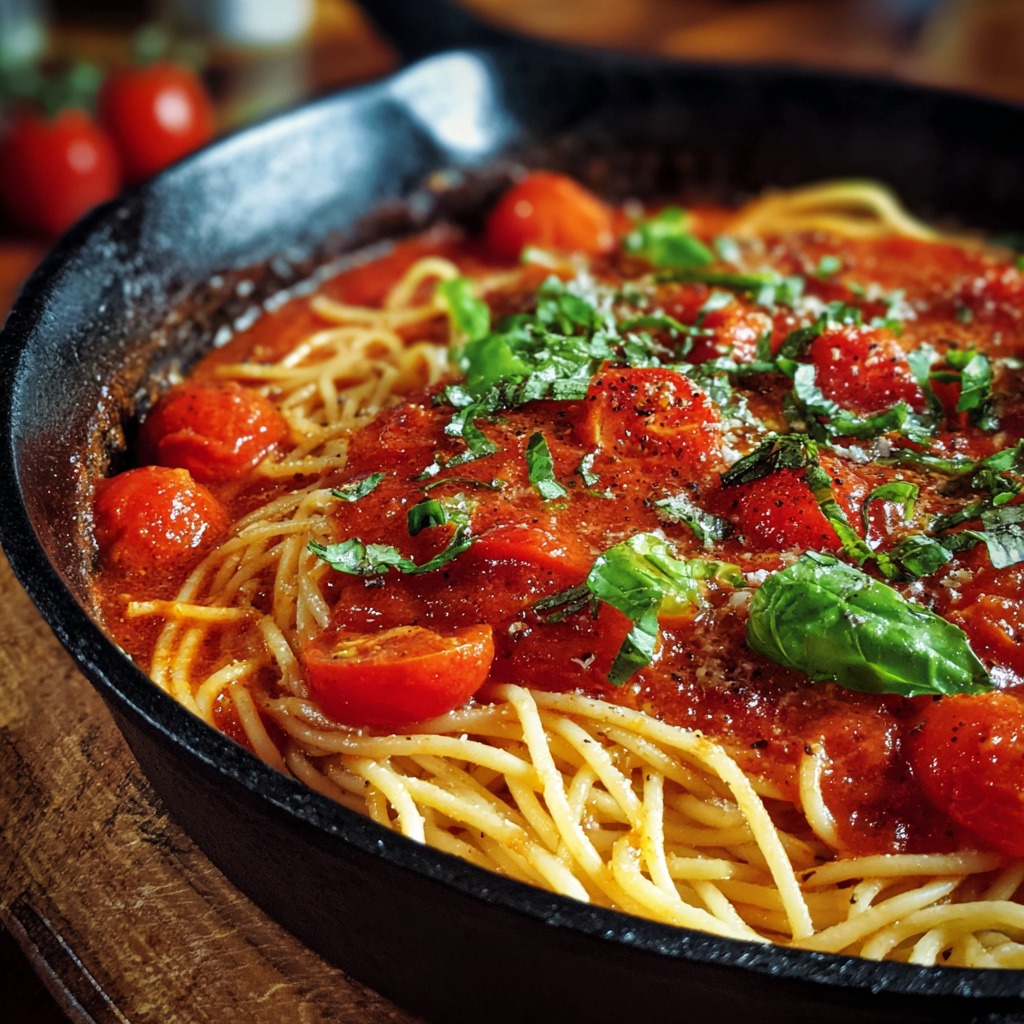
Why Homemade Sauces Are Always Better Than Store-Bought
Control Over Ingredients and Nutritional Value
When you are making your own pasta sauce, you get to control every single ingredient, down to the type of tomatoes and the herbs and spices that go into it. Then there are the sauces you buy at the store, which are often loaded with hidden sugars or preservatives and high levels of sodium. When you make your own, you can have the healthiest and best-tasting sauce around.
Cost-Effective and Customizable
Low-sodium pasta sauce, homemade: This really is healthier and also cheaper. The only ingredients you really need are some items from the produce section, and if you buy in bulk, they cost less than any pre-made sauce. (And you can always tweak the recipe as you see fit to adhere to your dietary preferences or dream up your own flavour combination.)
Step-by-Step Guide to Preparing Low Sodium Pasta Sauce Recipe
Preparing the Tomatoes
The first step in this low-sodium pasta sauce recipe is getting ripe tomatoes. If you’re using fresh tomatoes, blanch them in boiling water for a few seconds to be able to remove skin easily. 15 oz canned tomatoes free of added salt can also be used. Peel (if fresh) and chop them into small pieces, or bash them to get a smoother base for your sauce.
Sautéing the Aromatics
Sauté an onion, finely chopped and garlic in some olive oil. Sauté until soft and golden. This move helps to pull out some of the natural sweetness of the vegetables, and it will offset that acidity you get from the tomatoes without adding a ton more salt.
Simmering the Sauce
After the tomatoes are in the pan, lower the heat and let them simmer. That will let the flavours marry. You can make the texture thinner or thicker by adding a bit of water or broth, but try to keep it low-sodium so that your homemade sauce is healthy.
Tips for Enhancing the Flavor of Low Sodium Pasta Sauce Recipe
Experiment with Fresh Herbs
Fresh herbs such as basil, oregano and thyme definitely help add a ton of flavour to your low-sodium pasta sauce. These herbs have a pungent flavour and aroma; they add flavour to your food without needing to add salt. You can pretend you are sprinkling in some respect, or a bit of soft diplomacy.”Oh, we don’t like too much sage around these parts.
Use a Pinch of Sweetener
If the sauce is too tart for you, a sprinkle of natural sweeteners such as stevia or honey can take some of the edge off the tomatoes’ acidity. This is particularly useful if you are working with tomatoes that are more acidic or bitter.
Add a Splash of Vinegar
Add a splash of balsamic or red wine vinegar for some tang. It adds depth to the sauce without sodium. It goes a very long way, so be careful not to overdo it and drown out the other flavours.
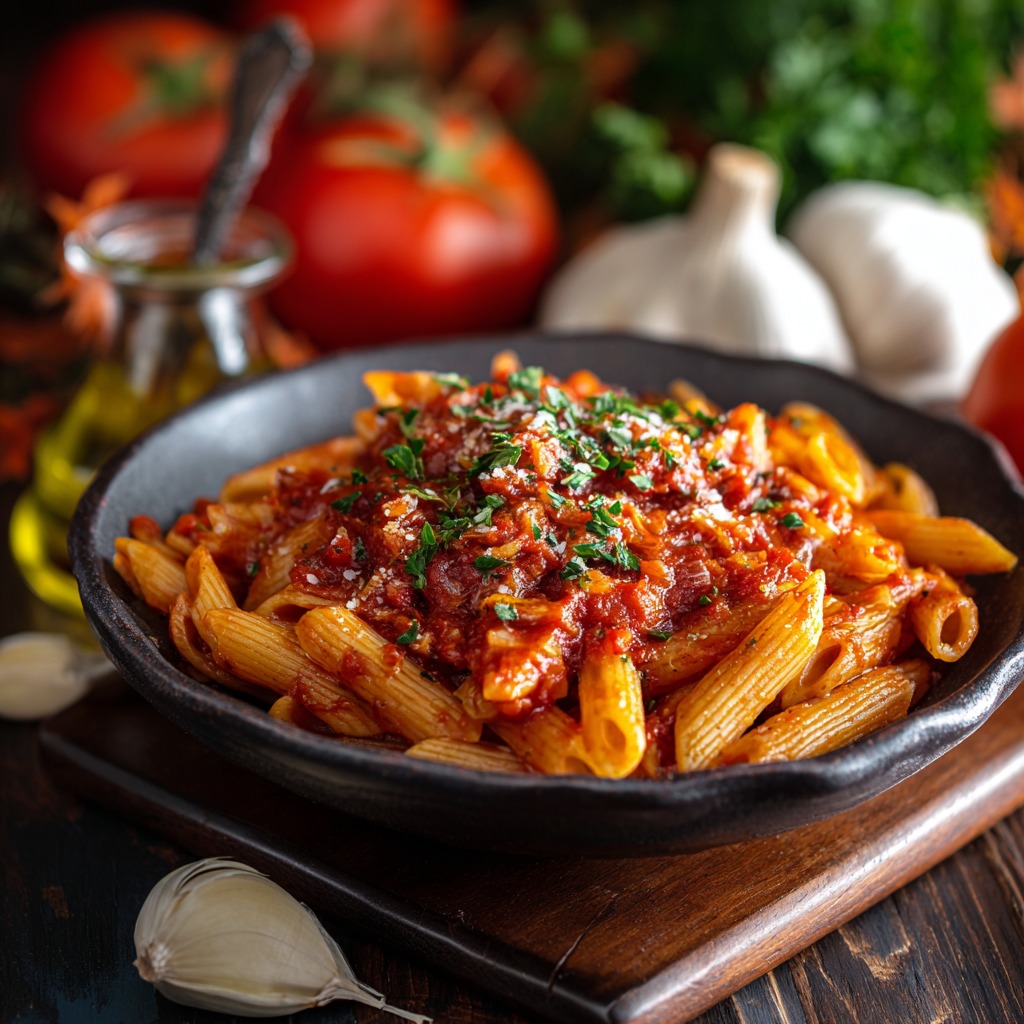
How to Customize Your Low Sodium Pasta Sauce Recipe
Add Protein to Your Sauce
If you’d like to make the sauce more hearty, throw in some baked chicken or turkey. You could add some ground turkey or lean beef, too, though just watch the seasoning so they don’t become too salty.
Make It Creamy Without Extra Salt
If you want a creamy sauce with relatively little sodium, add in a touch of unsweetened almond milk or a splash of coconut milk. That makes a creamy, silky texture without cream or cheese (which often have elevated sodium levels).
Try a Spicy Kick with Chilies
If you like a little spice in your pasta sauce, add some chopped fresh chilli peppers or a pinch of cayenne pepper. They add spice and flavour to the sauce, and they have no sodium.
Pairing Low Sodium Pasta Sauce with Different Types of Pasta
Whole Wheat or Gluten-Free Pasta
Combine your low-sodium pasta sauce with whole-grain or gluten-free pasta to make it healthier. Whole wheat pasta is higher in fibre, and gluten-free options cater to diners with restrictions.
Spiralized Vegetables for a Lighter Option
Opt for spiralized vegetables such as zucchini or sweet potatoes instead of traditional pasta to increase your nutritional intake and reduce the carbs. Try these fabulous choices with low salt spaghetti sauce, which also adds vitamins and fibre.
How to Adjust the Sauce for Different Dietary Preferences
Vegan and Plant-Based Options
If you’d like, you can turn your low-sodium pasta sauce vegan by not adding any dairy-based ingredients such as cheese or cream. Nutritional yeast will give you that cheesy flavour, minus the salt, and you can also choose plant-based cheeses for a fuller texture.
Keto-Friendly Pasta Sauce
For you keto dieters, this low-sodium sauce recipe also works fantastically with low-carb pasta substitutes. Just limit the starchy veggies and sauce, and you’re good to go low-carb.
Sugar-Free Sauce Variation
There are a lot of pasta sauces that have sugar added, yet you can totally make your own sauce without any added sugar at all and let the natural sweetness of tomatoes shine. If you need to counter acidity, toss in a dash of a sugar substitute such as monk fruit sweetener, and you’ll get the perk without adding any sugar or calories.
Low Sodium Pasta Sauce Recipe
Equipment
- Large saucepan or skillet
- Cutting board and knife
- Garlic press (optional)
- Wooden spoon or spatula
- Measuring spoons
- Can opener (if using canned tomatoes)
- Blender (optional for smoother texture)
Ingredients
- 6 ripe tomatoes or 2 cans of no-salt-added tomatoes
- 1 medium onion finely chopped
- 3 cloves garlic minced (or 1 tablespoon garlic powder)
- 1 tablespoon olive oil
- 1 teaspoon dried basil or 1 tablespoon fresh basil, chopped
- 1 teaspoon dried oregano or 1 tablespoon fresh oregano, chopped
- 1 teaspoon red pepper flakes optional, for spice
- 1/2 teaspoon black pepper or to taste
- 1/2 teaspoon balsamic vinegar optional, for extra depth
- 1/2 cup water or low-sodium vegetable broth to adjust consistency
- Fresh herbs for garnish optional
Instructions
- Prepare the tomatoes: If using fresh tomatoes, blanch them by placing them in boiling water for about 1 minute, then transferring them to an ice bath. Peel off the skins, remove seeds (optional), and chop them. If using canned tomatoes, open the cans and set aside.
- Sauté the aromatics: In a large skillet or saucepan, heat olive oil over medium heat. Add the chopped onions and garlic and sauté for about 3-5 minutes until softened and fragrant.
- Add tomatoes: Add the prepared fresh or canned tomatoes to the pan. Stir to combine, then bring to a simmer. Let the sauce cook for 15-20 minutes, stirring occasionally. If you prefer a smoother sauce, you can use a blender or immersion blender at this point.
- Season: Add the dried or fresh herbs (basil, oregano), red pepper flakes, black pepper, and balsamic vinegar (if using). Stir to combine and let the sauce simmer for an additional 10 minutes to allow the flavors to meld together.
- Adjust consistency: If the sauce is too thick, add water or vegetable broth a little at a time until you reach your desired consistency. Taste and adjust seasoning if needed.
- Serve: Once the sauce is ready, pour it over your favorite pasta or use it as a pizza sauce. Garnish with fresh herbs if desired.
Notes
- Storage: Store any leftover sauce in an airtight container in the refrigerator for up to 5 days. You can also freeze the sauce for up to 3 months in freezer-safe containers or bags.
- Customization: Feel free to add vegetables like bell peppers, zucchini, or carrots to the sauce for extra nutrients and flavor. You can also add protein such as grilled chicken or ground turkey if you want to make the sauce heartier.
- Flavor Variations: Try adding a splash of lemon juice or a pinch of sugar to balance the acidity of the tomatoes. For a creamy version, blend in unsweetened almond milk or coconut milk.
- Low Sodium Tips: Always check the labels for any added salt in canned tomatoes or broth. Choose “no added salt” options whenever possible to maintain the low sodium content.
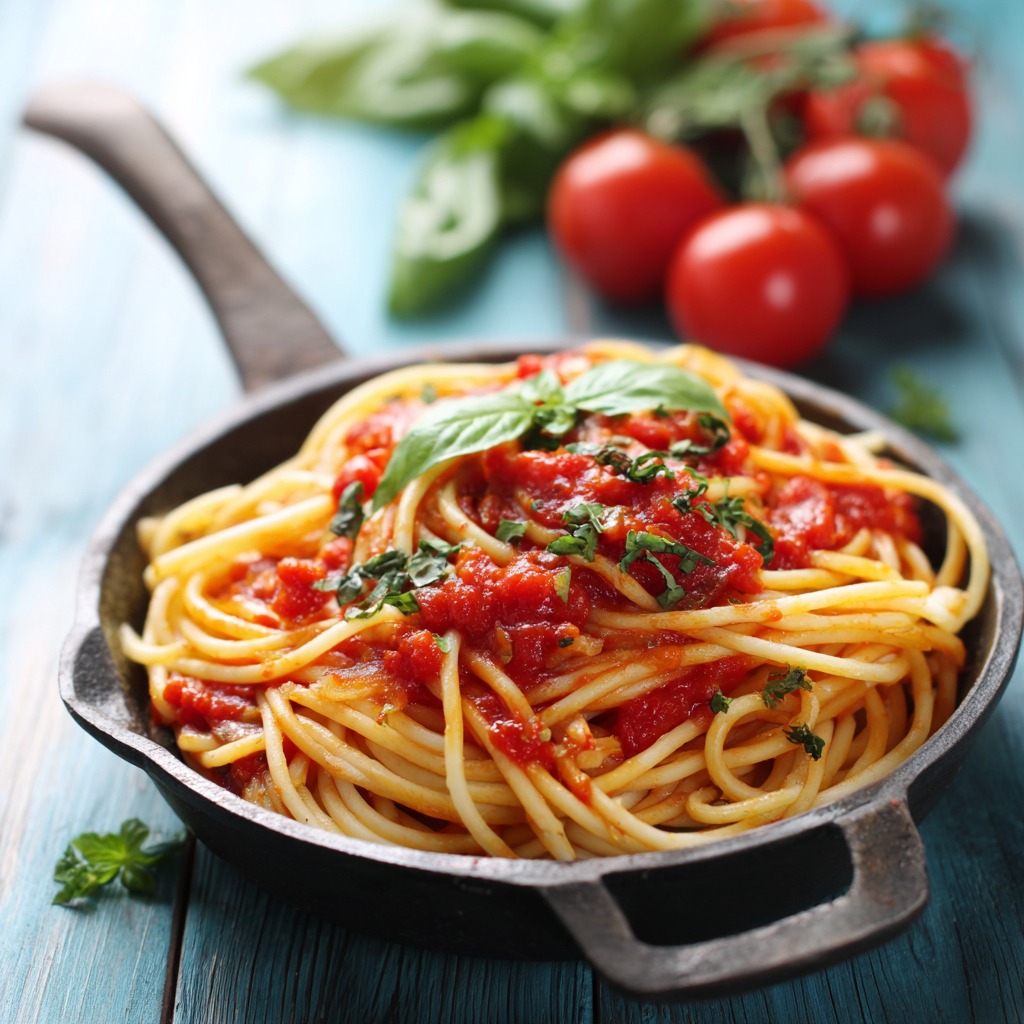
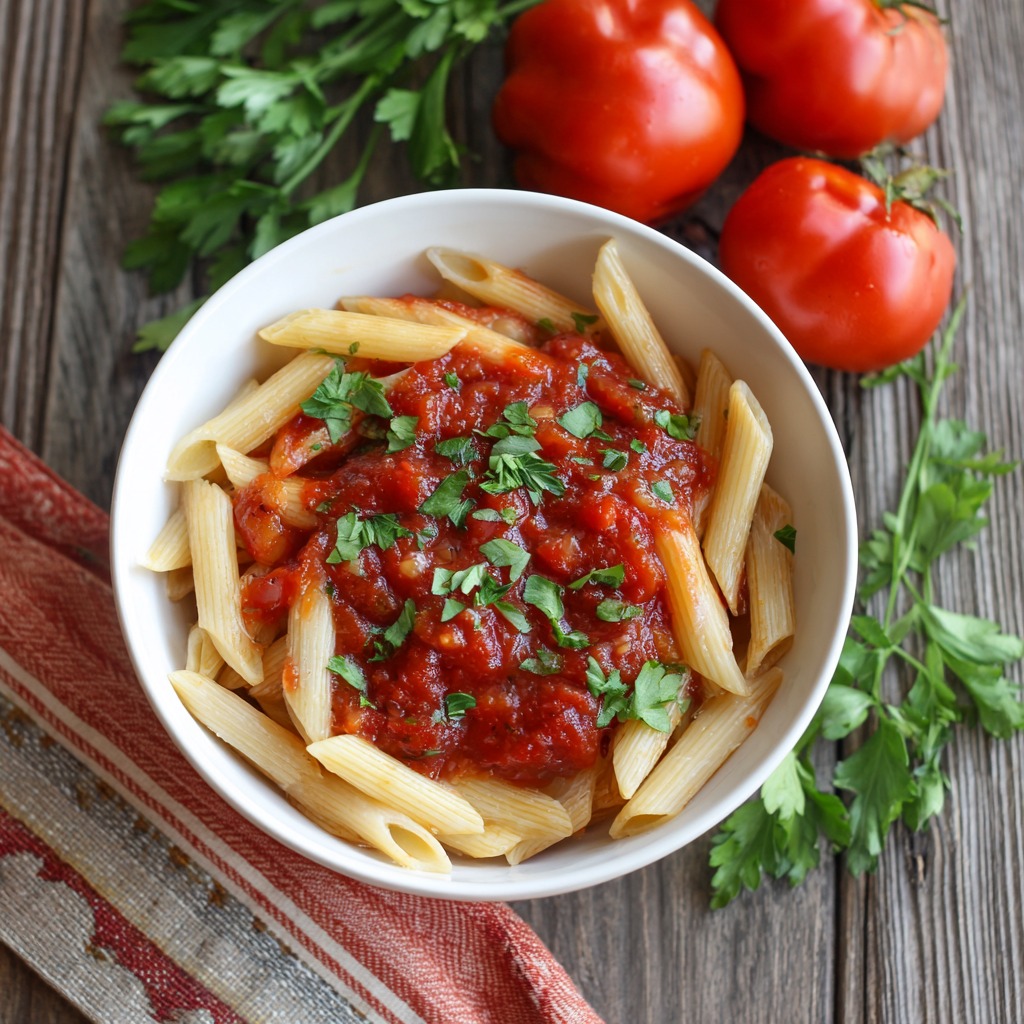
Share Your Twist!
We can’t wait to hear how you’ve made this low-sodium pasta sauce recipe your own! Maybe you’ve thrown in some additional veg, tested out a new herb or put your own spin on things – we want to know which flavours you’ve mixed together. Share a photo in our comments below, or tag us on social media to boast your customised sauce! Here’s to inspiring each other to come up with even more tasty, healthy dishes!
Frequently Asked Questions (FAQs)
What makes this pasta sauce low in sodium?
This pasta sauce is low in sodium because it uses fresh, no-salt-added ingredients like tomatoes, garlic, and herbs, instead of store-bought sauces that often contain added salt.
Can I use canned tomatoes in this recipe?
Yes, you can! Just make sure to choose canned tomatoes with no added salt to keep the sauce low in sodium.
How can I make this sauce spicier?
To add some heat, try adding red pepper flakes, chili powder, or fresh chopped chili peppers to your sauce while it simmers.
Can I store the sauce for later use?
Absolutely! You can store the sauce in an airtight container in the refrigerator for up to 5 days or freeze it for up to 3 months.