Go Back
Low Sodium Pasta Sauce Recipe

Low Sodium Pasta Sauce Recipe

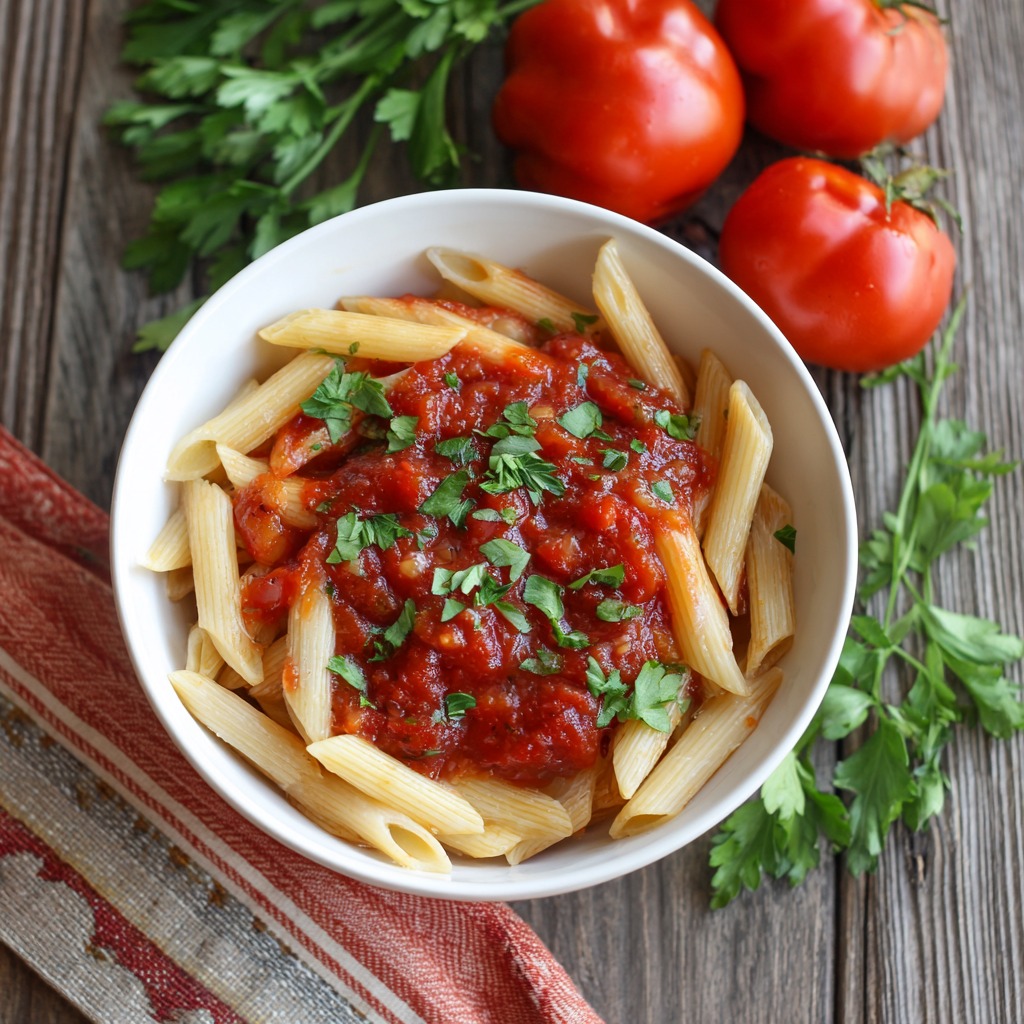
This homemade low sodium pasta sauce is a flavorful, healthier alternative to store-bought options. With fresh tomatoes, aromatic herbs, and spices, this sauce is rich in flavor yet low in sodium, making it perfect for those looking to reduce their salt intake. You can customize it to suit your taste and dietary needs, whether you prefer a simple marinara or a creamy variant. Perfect for pasta dishes, pizzas, and more!
Prep Time 10 minutes
Cook Time 29 minutes
Total Time 39 minutes
Servings: 4
Course: Main Course
Cuisine: Italian
Calories: 100

Ingredients
  

  • 6 ripe tomatoes or 2 cans of no-salt-added tomatoes
  • 1 medium onion finely chopped
  • 3 cloves garlic minced (or 1 tablespoon garlic powder)
  • 1 tablespoon olive oil
  • 1 teaspoon dried basil or 1 tablespoon fresh basil, chopped
  • 1 teaspoon dried oregano or 1 tablespoon fresh oregano, chopped
  • 1 teaspoon red pepper flakes optional, for spice
  • 1/2 teaspoon black pepper or to taste
  • 1/2 teaspoon balsamic vinegar optional, for extra depth
  • 1/2 cup water or low-sodium vegetable broth to adjust consistency
  • Fresh herbs for garnish optional

Equipment

  • Large saucepan or skillet
  • Cutting board and knife
  • Garlic press (optional)
  • Wooden spoon or spatula
  • Measuring spoons
  • Can opener (if using canned tomatoes)
  • Blender (optional for smoother texture)

Method
 

  1. Prepare the tomatoes: If using fresh tomatoes, blanch them by placing them in boiling water for about 1 minute, then transferring them to an ice bath. Peel off the skins, remove seeds (optional), and chop them. If using canned tomatoes, open the cans and set aside.
  2. Sauté the aromatics: In a large skillet or saucepan, heat olive oil over medium heat. Add the chopped onions and garlic and sauté for about 3-5 minutes until softened and fragrant.
  3. Add tomatoes: Add the prepared fresh or canned tomatoes to the pan. Stir to combine, then bring to a simmer. Let the sauce cook for 15-20 minutes, stirring occasionally. If you prefer a smoother sauce, you can use a blender or immersion blender at this point.
  4. Season: Add the dried or fresh herbs (basil, oregano), red pepper flakes, black pepper, and balsamic vinegar (if using). Stir to combine and let the sauce simmer for an additional 10 minutes to allow the flavors to meld together.
  5. Adjust consistency: If the sauce is too thick, add water or vegetable broth a little at a time until you reach your desired consistency. Taste and adjust seasoning if needed.
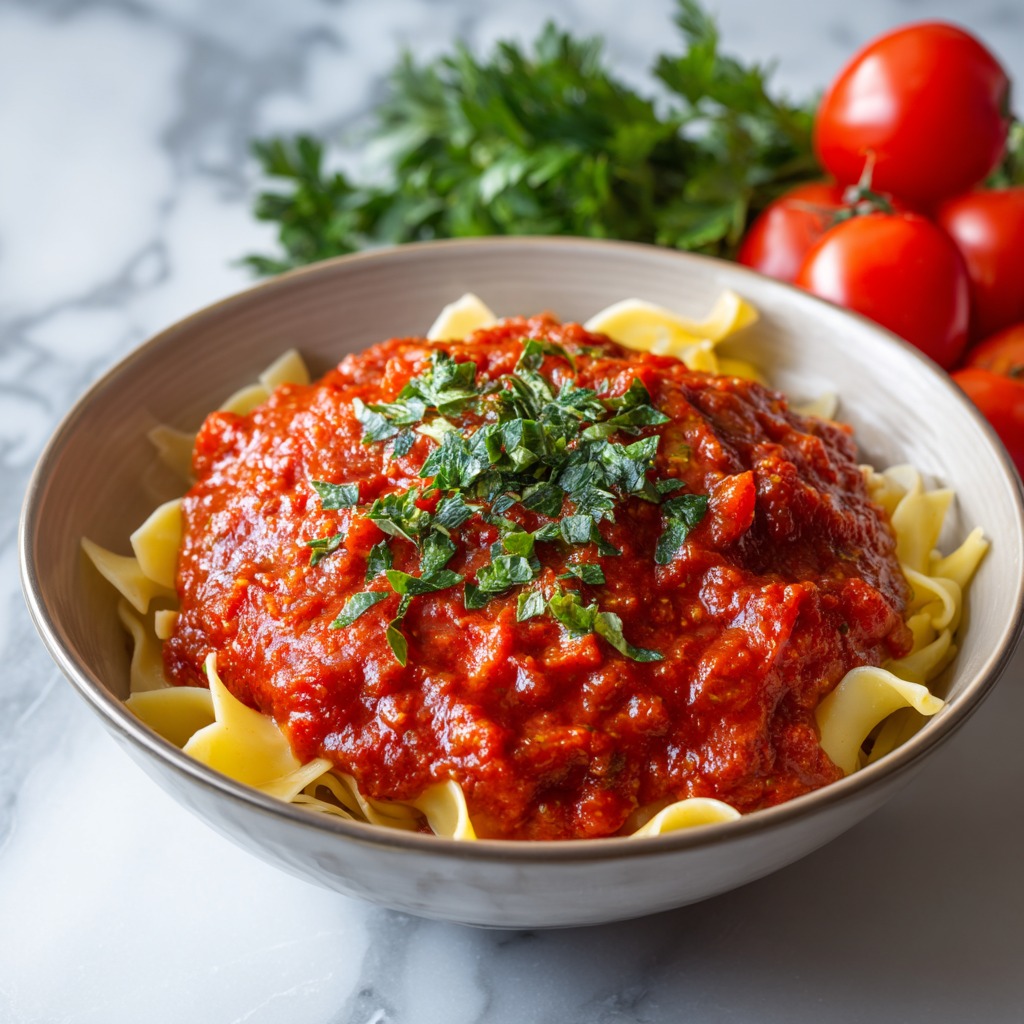
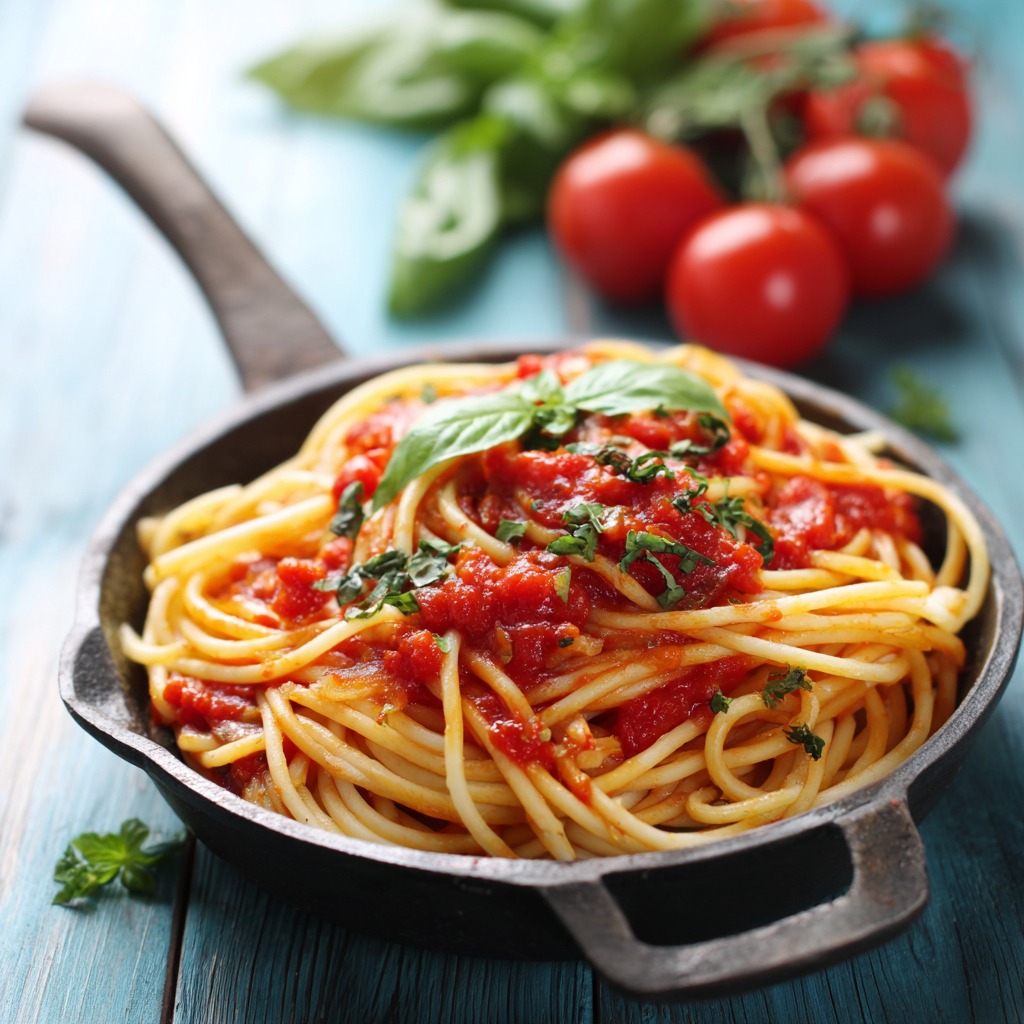
  6. Serve: Once the sauce is ready, pour it over your favorite pasta or use it as a pizza sauce. Garnish with fresh herbs if desired.
Notes

  • Storage: Store any leftover sauce in an airtight container in the refrigerator for up to 5 days. You can also freeze the sauce for up to 3 months in freezer-safe containers or bags.
  • Customization: Feel free to add vegetables like bell peppers, zucchini, or carrots to the sauce for extra nutrients and flavor. You can also add protein such as grilled chicken or ground turkey if you want to make the sauce heartier.
  • Flavor Variations: Try adding a splash of lemon juice or a pinch of sugar to balance the acidity of the tomatoes. For a creamy version, blend in unsweetened almond milk or coconut milk.
  • Low Sodium Tips: Always check the labels for any added salt in canned tomatoes or broth. Choose "no added salt" options whenever possible to maintain the low sodium content.
Low Sodium Pasta Sauce Recipe