
As a fan of strong flavours and innovative snacking, if you haven’t already tried the prune mui recipe, now could be just the time. Originating from the classic Chinese preserved plum snack, prune mui combines sweet, salty, and tangy all in one bite – a symphony for your taste buds! Whether it’s a casual gathering or as an accompaniment to a meal, this delightful snack is so versatile that people can enjoy it according to their own needs. It’s a relatively simple prune mui recipe, but full of flavour. With it, you can taste the traditional taste in a modern and inspiring way.
Whether you’re going through this recipe for the first time or refining your technique, the instructions are easy to follow and will leave your mouth wanting more. With just a few ingredients and a little patience, you can have a delicious snack to enjoy in the company of friends and family.
This prune mui recipe not only lets you taste its fine flavour, but also brings an element of nostalgia to your cooking experiences! Whether you ate prune mui at Chinese restaurants or at home, learn to make it yourself gives a personal touch to the creation. So, enjoy the simplest form of this wonder food and savour the taste!

What is Prune Mui? Understanding This Unique Snack
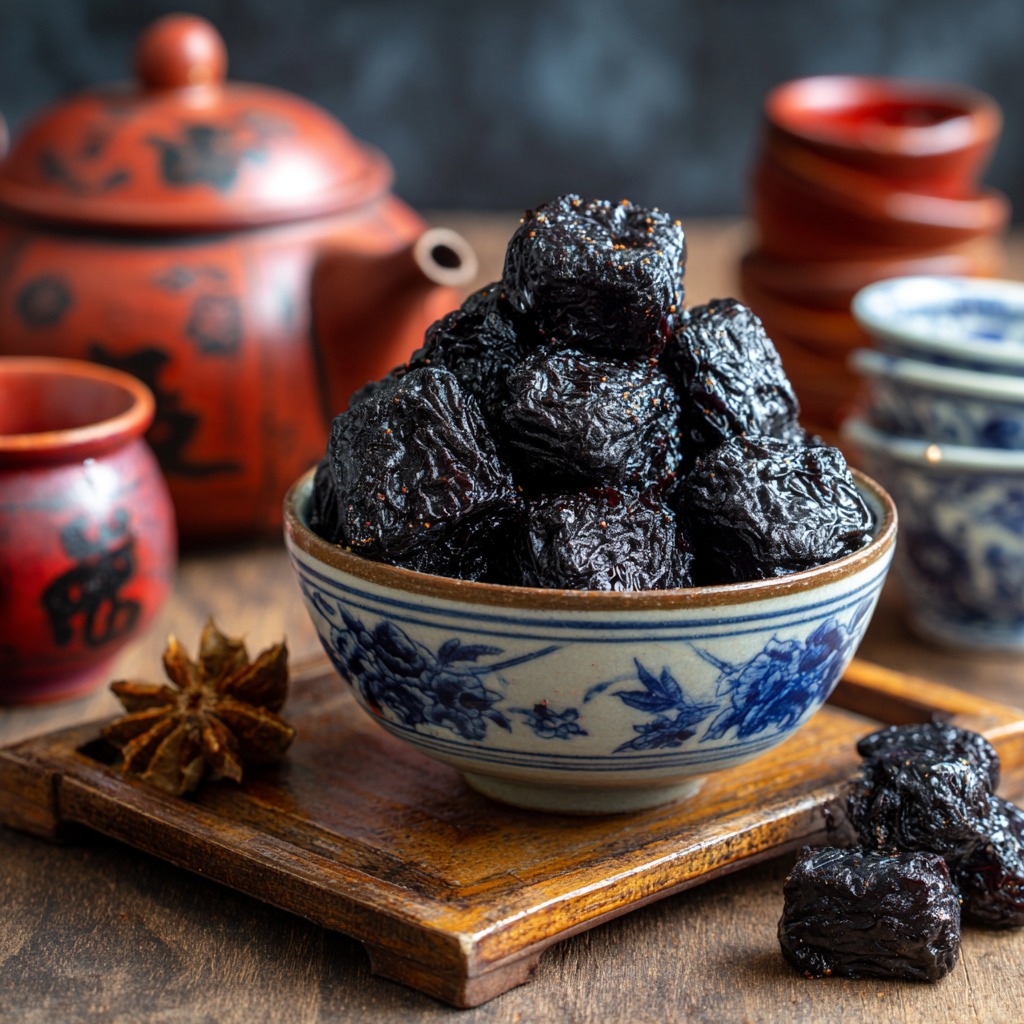
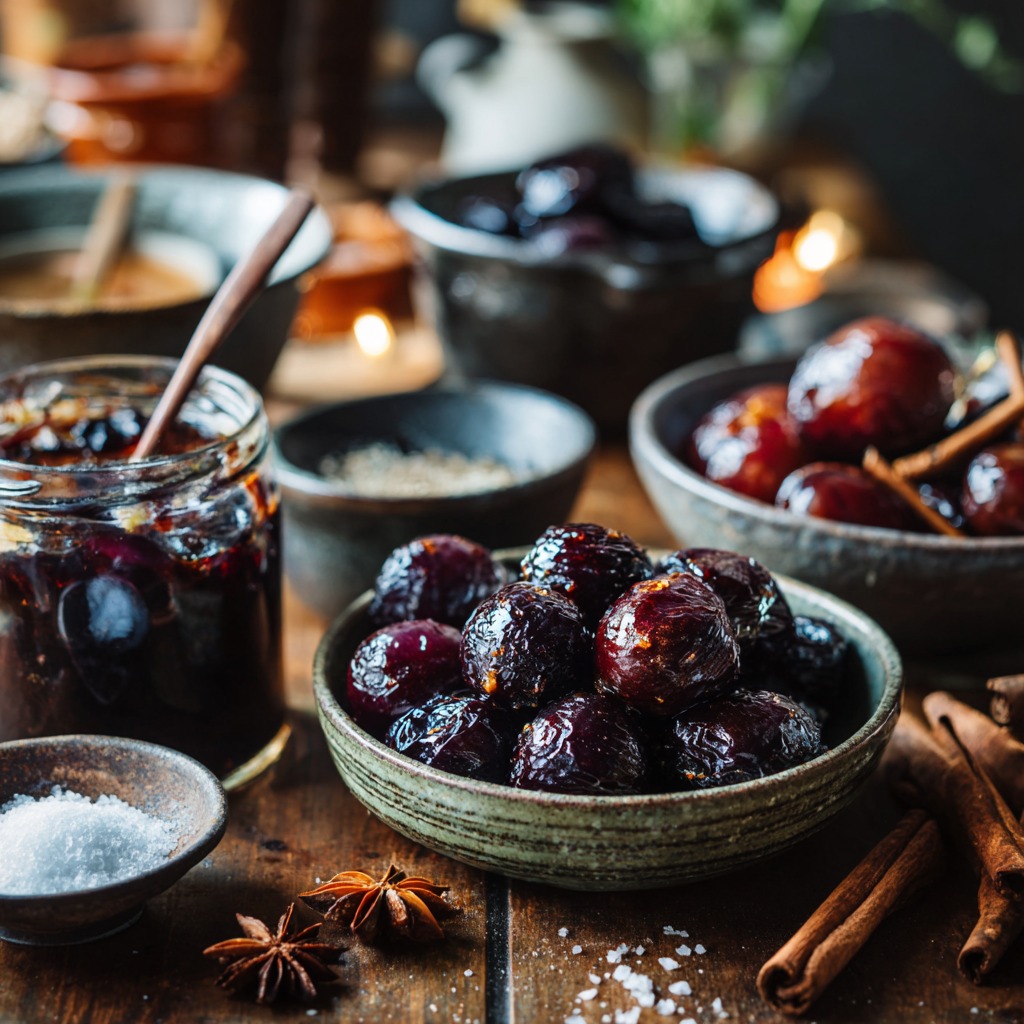
Preserved plums bundled together in shrink-wrapped packages are a favoured snack in several cuisines in Asia. The taste of this treat comes with a combination of dried plums, salted, sugared, and occasionally flavoured to possess flavours both sweet, salty, and tangy. As a snack, a whole meal, or even drink additives, children could not only get prune mui to eat on their way home from school, but bring it along and have a piece in class. Prune mui is particularly striking when consumed as a snack; its three flavours of sweetness, saltiness, and tartness are simply ideal for the discriminator who enjoys above all a certain harmony in his food.
Traditionally, the not fully salty-tasting prune mui could preserve plums for several months, a great advantage in the damp and hot months. Over time, it became established as a popular snack that went with everything from tea to savoury dishes. The unique flavour of prune mui comes from the preservation process, which both increases the natural sweetness of the plums and introduces a strong umami sensation. In this section, we will examine the history and origin of prune mui in order to better appreciate its place in world snack culture.

Prune Mui Recipe: Ingredients You’ll Need
In order to make your own prune mui from scratch, you need some simple ingredients that are easy to get hold of.In traditional recipes, the ingredients do vary slightly according to locality, but they’re mainly pretty standard: This is what you will need:
- Dried Plums (Prunes): The main ingredient that provides the base for prune mui. Look for unsweetened dried plums to balance the sweetness with the salt and spices.
- Salt: Helps preserve the plums while providing the salty element that defines prune mui.
- Sugar: Balances the salt with sweetness. Some variations may use brown sugar or honey for a deeper, richer flavor.
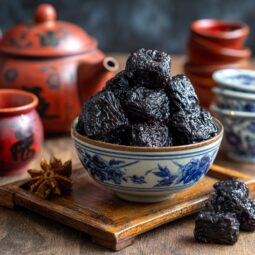
- Spices (optional): Depending on your recipe, you may want to add star anise, licorice root, or even chili flakes to enhance the flavor of the prune mui.
The highest part of such a change model formula is changeability. Sugar, salt or flavourings can all be adjusted to suit the taste buds and even create brand-new flavours that are just for you. This book tells you exactly how much to measure and how to carry produce, prune mui, so that you get a delicious but well-balanced taste enjoyment each time.
Step-by-Step Guide to Making Prune Mui
Though it takes a little time for the process, the quality is worth the wait. Get ready now, let’s make some ourselves, Prune Mui!
- Clean the Plums: Start by rinsing your dried plums under cold water to rinse off any dirt or preservatives they may have. Pat them dry with a clean cloth, then set them aside.
- Prepare the Sauce: Mix a little salt, sugar and spices together in a mixing bowl. If you’re using star anise or other spices, grind them a bit so their flavour will be released more easily. Add a small amount of water to make a syrup-like paste, stirring well until everything is dissolved.
- Marinade the Plums: Simply place the dried plums into a clean jar or other container, and then pour the marinade over them. Make sure the entire plum is covered with the liquid. Then seal the container tightly and refrigerate.
- Wait for the Flavorto Develop: Let the plums marinate for at least 24-48 hours. The longer they sit, the more intense the flavour will become. Shake the jar every few hours to ensure that all the plums are evenly coated.
- Serve and Enjoy: Once the plums have taken in all of the flavours, they’re ready for consumption! As a snack on their own, with tea, as garnish for other dishes–however you like them best, enjoy.
It’s a simple method, you have to repeat according to the final result: making a sort of strong and sweet prune mui that can only be had at home. The key to making a good baked prune mui is patience – the longer you let it soak, the better it will taste.
Tips for Perfecting Your Prune Mui Recipe
While the prune mui recipe is quite simple, there are a few tips that can help you perfect your batch. Here are some suggestions to ensure your prune mui turns out just the way you like:
- Select the Best Prunes. Go for decent dried plums. The fresher the plums, the better the result will be. In general, ones that are less dried or not dry at all (but still “live”) will have an easier time absorbing flavours.
- Adjust Sweetness and Saltiness: Taste the marinade you are making, and adjust levels of sugar and salt to your liking. This may be due to regional preferences or simply a matter of individual taste. Some prefer a sweet prune mui, others a more savoury, salty version.
- Play Around with Spices: While the classic prune mui recipe is incredibly basic, don’t be afraid to try adding other spices such as ginger, cinnamon or even a sprinkle of chilli flakes-perfect for a touch of heat!
- Storage: Keep your prune mui in an airtight container in the refrigerator. They should keep for more than a week, but the flavour will continue to improve as time goes by.
These simple tips will ensure that your prune mui recipe is customized to your liking, whether you prefer it sweeter, spicier, or saltier.
Creative Ways to Enjoy Prune Mui
Once you make a bottle of prune mui, you may wonder how best it can be enjoyed. But I’d say right from the can is kind of all get out, although I could be wrong, so that’s just my personal habit. There are countless ways you could use this exceptionally delicious stuff. Here are some ideas to get started:
- In tea Partnering: prunes, it has a sweet-salty flavour that complements the bitterness of the tea, and without contest makes for harmony.
- For Salads: Its addition lends variety to a fruit salad or brings out products from different angles in the leaf vegetables.
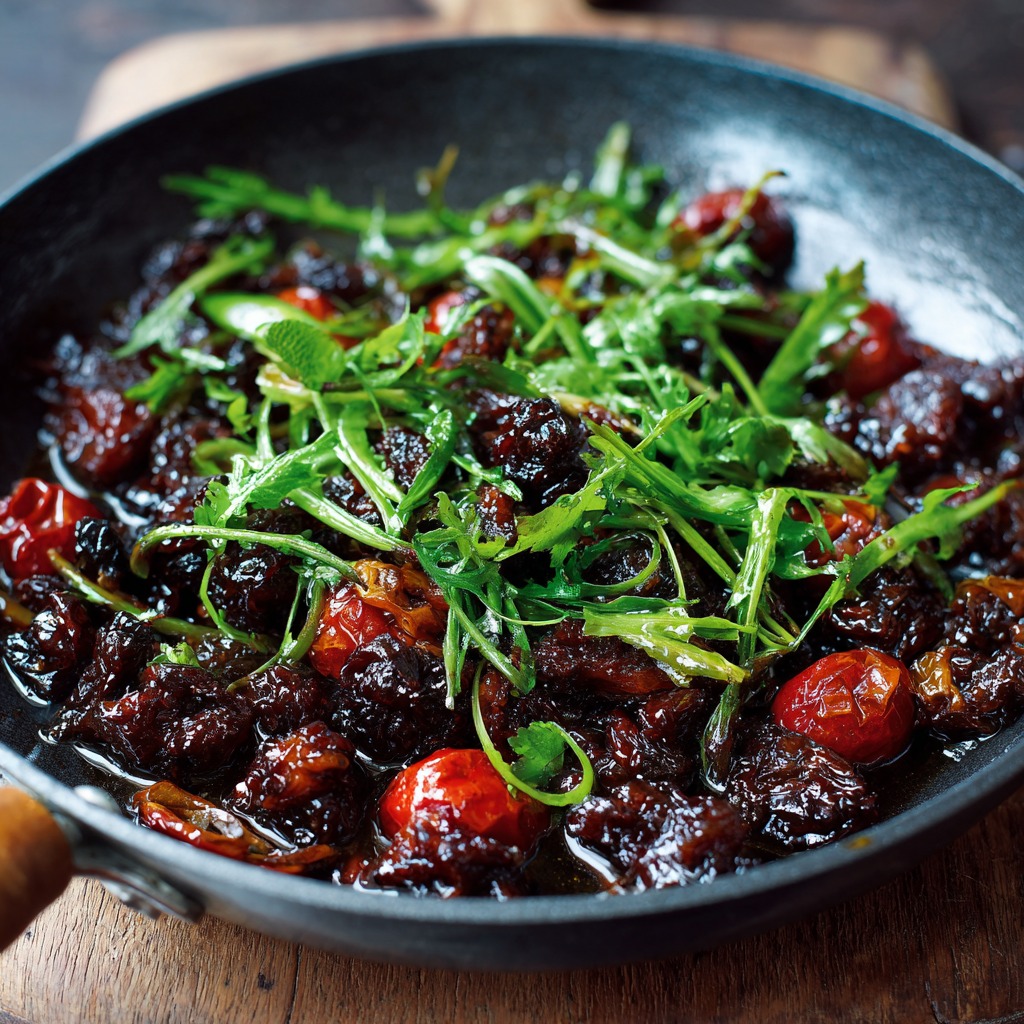
- As an Accoutrement with Rice or Noodles: Delicate, wilted taste is added to rice or noodles by prawn mui, especially in reconstituted Asian fare.
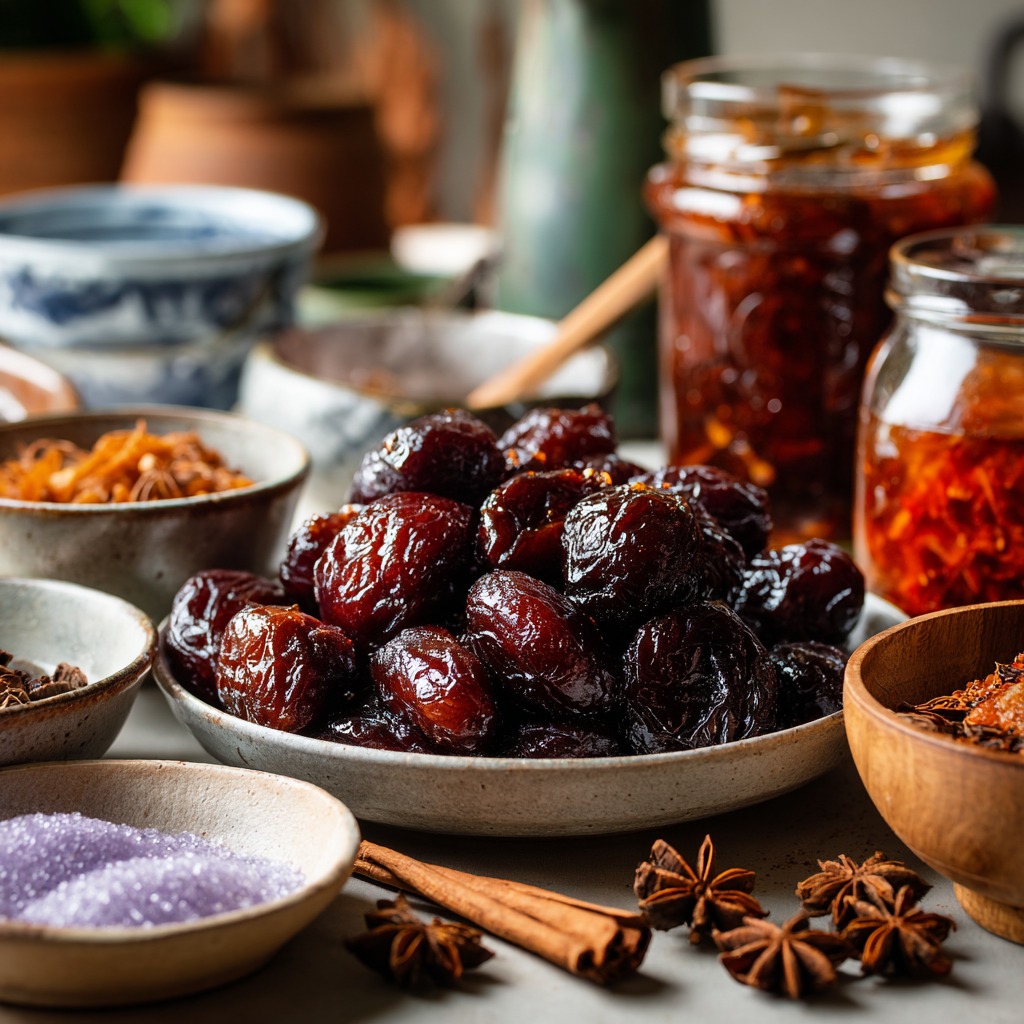
- For Sweets: Give your dessert a different guise, try using prune mui. Slices of minced prune mui may be added to cooked food such as muffins or cakes with a liquorice or sweet-sour taste
These ideas will help you get creative with your prune mui, turning this simple snack into an exciting addition to your meals or gatherings.
Prune Mui Recipe
Equipment
- Mixing bowl
- Airtight jar or container
- Spoon for stirring
- Measuring cups and spoons
- Clean towel for drying plums
- Small saucepan (optional, if making syrup)
Ingredients
- Dried Plums Prunes: 1 cup (unsweetened)
- Salt: 2 tablespoons
- Sugar: 3 tablespoons adjust based on sweetness preference
- Spices optional:
- Star anise 1 or 2 pods
- Licorice root a small piece
- Chili flakes for a spicy kick
- Water: 1/4 cup to create syrup-like consistency for marinade
Instructions
- Prepare the Plums: Rinse the dried plums under cold water to remove any dirt or preservatives. Pat them dry with a clean towel.
- Make the Marinade: In a mixing bowl, combine salt, sugar, and any optional spices (like star anise or licorice root). Add a small amount of water (about 1/4 cup) and stir until the sugar and salt dissolve completely. If you're using a saucepan, you can heat the water slightly to help dissolve the sugar and salt, but avoid boiling.
- Marinate the Plums: Place the dried plums in an airtight jar or container and pour the marinade over them, ensuring that the plums are evenly coated. Seal the container tightly.
- Refrigerate and Shake: Let the plums marinate in the fridge for 24-48 hours. Shake the jar every few hours to ensure that the plums are well-coated with the marinade.
- Serve and Enjoy: After the plums have marinated, they’re ready to eat. Serve them as a snack, pair with tea, or use them in other recipes like salads or rice dishes.
Notes
- Customization: Adjust the sweetness and saltiness by increasing or decreasing the amount of sugar and salt in the marinade to suit your taste preferences.
- Storage: Store the prune mui in an airtight container in the fridge. The flavor will continue to develop over time, and it will last for up to a week.
- Spice Variations: Feel free to experiment with other spices such as cinnamon or ginger for a different flavor profile.
- Serve Ideas: Prune mui pairs wonderfully with green tea or black tea. You can also add it to salads, rice dishes, or use it in baking for a unique twist.
Conclusion
The end product is a prune mui recipe that is simplicity itself, and has just the right balance of sweet, salty, and tart flavour. We are not only making this for the first time but also demonstrating a high degree of flexibility as to the mixture of ingredients.
You only need a few ingredients, and it takes patience, but with those two combined, you can make a snack that is appropriate to any occasion, from a lazy afternoon tea session or movies in your living room’s small projection shots. Either that, if it is good enough as a meal, yumcha and bon by the way, with some nice dimsum thrown in just when absorption has taken over for five more hours of general browsing at a mall, which doesn’t require full attention.
If you make your own prune mui, then you not only get to enjoy the traditional snack stuff, but also have control over the flavour. It’s a personalised creation that comes right into your hand, sharing with family and friends. It’s a good way to explore Asian culinary traditions while putting your own touch on them. And so after you collect all the ingredients, follow those simple steps, give it a taste test–and here’s one delicious bite of sweetmeats sure satisfying for your palate!
Share Your Twist!
You’ve created your own prune mui – now why not put a little of your own love into it? And there are so many choices in this recipe! You can try out spices on a whim, you can mix sweet and salty tastes to your taste, or even stick in more fruit or herbs for a whole new kind of flavour.
Maybe you’d like a bit of chilli to make them hot and spicy, or use brown sugar for that nicer, classy flavour. Or perhaps a tropical touch could be achieved by adding some desiccated coconut (which is very light, unlike the fresh fruit) and ginger, where a piece of tangerine peel lengthwise across the top makes an attractive decoration indeed. The possibilities do indeed seem endless; it’s all up to you and your imagination!
Don’t forget to share your version with friends and relatives, online friends, and tag us! We want to see your own distinct take on the old classic prune mui. It would be such a wonderful thing to share with others if you had a little surprise ingredient, or a special style that caught on somewhere in the kitchens of people around. Happy Cooking!
FAQs: Prune Mui Recipe
Can I make prune mui without using spices?
Yes, you can make prune mui with just salt, sugar, and plums, leaving out the spices. It will still be delicious but with a simpler flavor profile.
What is prune mui?
Prune mui is a popular snack made from dried plums (prunes) that are preserved in a mixture of salt, sugar, and spices. It has a unique combination of sweet, salty, and tangy flavors, making it a delicious and addictive treat.
How long does it take to make prune mui?
The preparation time is only about 10 minutes, but the plums need to marinate in the fridge for 24 to 48 hours to fully absorb the flavors and develop the distinctive taste.
Can I adjust the sweetness and saltiness?
Yes! The beauty of this recipe is that you can customize the balance of sweetness and saltiness to suit your taste. You can increase or decrease the amount of sugar and salt based on your preference.
What spices can I add to prune mui?
Traditional prune mui uses basic spices like star anise and licorice root. However, you can also add chili flakes, cinnamon, ginger, or other spices to create a unique flavor profile based on your taste.
How long can I store prune mui?
Prune mui can be stored in an airtight container in the fridge for up to a week. The longer it marinates, the more intense the flavors will become.