
In Guyana, “bake” does not mean something you put in the oven. A Guyanese bake is a round of soft, lightly sweet dough fried in hot oil until it puffs up like a little pillow, golden outside and fluffy inside. It is the bread of weekend breakfasts, eaten split open with saltfish, cheese or butter and a hot cup of tea.
This Guyanese bake recipe uses pantry staples: flour, baking powder, a little sugar, butter and warm water. The dough comes together in about 10 minutes, rests for half an hour, and fries in batches of one or two. Below you will find the ratios that make bakes puff, a troubleshooting guide for flat or greasy bakes, the yeast variation, and a simple saltfish to serve alongside.
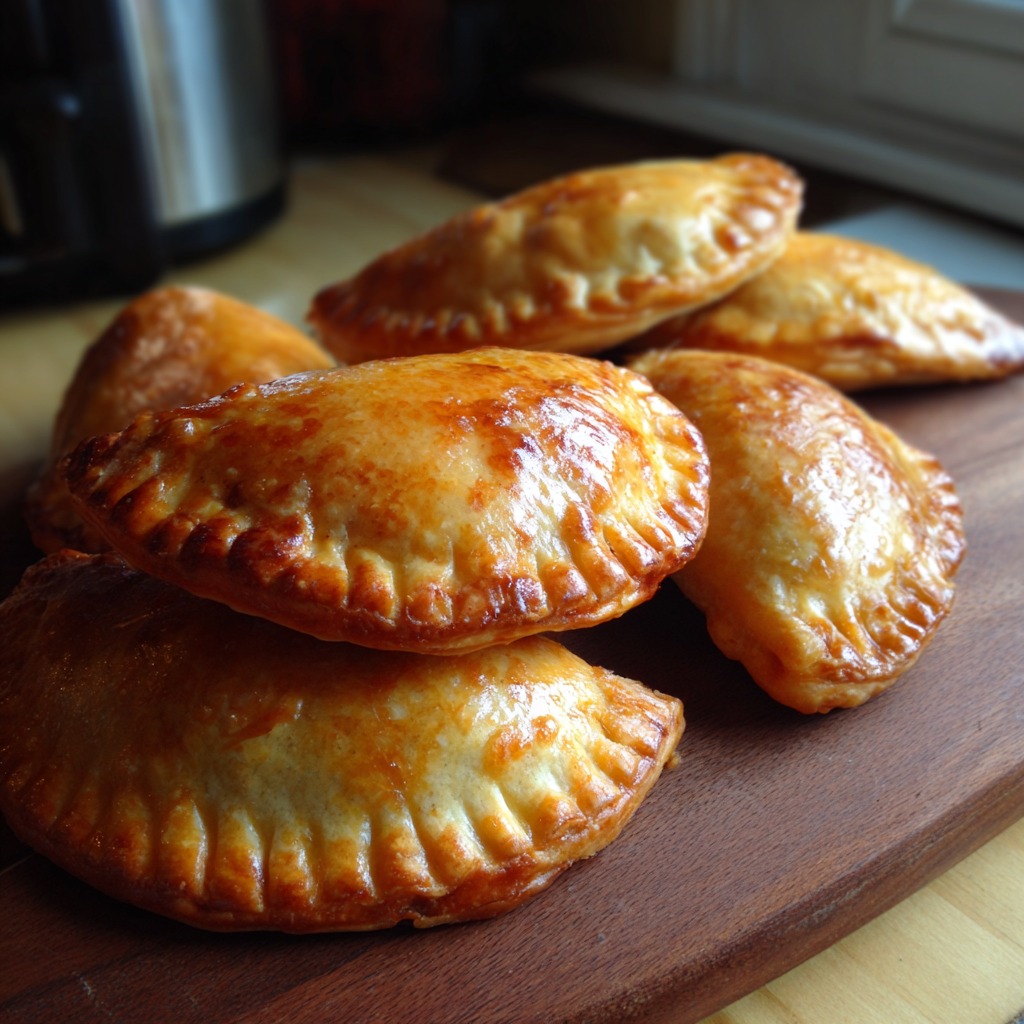
Bake, Float or Fry Bake: What Guyanese Mean by “Bake”
Ask for bake in a Guyanese home and you will almost always get fried bake. Many families call them floats, because a well-made bake rises to the surface of the oil and floats as it puffs. Across the Caribbean the same idea goes by other names: fried dumplings in Jamaica, Johnny cakes in several islands, float or fry bake in Trinidad and Tobago, and fry jacks in Belize. If you have made our Belizean fry jack recipe, you will notice the family resemblance right away.
The dough reflects Guyana’s mixed food history: wheat flour and frying traditions shaped by African, Indian, Portuguese and British influences, made with ingredients that were cheap and easy to keep. That is why the recipe is so simple, and why nearly every family has its own small twist, such as brown sugar instead of white, coconut oil instead of butter, or a pinch of yeast for extra softness.
Guyanese Bake Ingredients and What Each One Does
| Ingredient | Amount | Why it matters |
|---|---|---|
| All-purpose flour | 3 cups (375 g) | Gives structure without the chew of bread flour |
| Baking powder | 1 tablespoon | The main leavener; creates the puff in hot oil |
| Sugar (white or brown) | 2 tablespoons | Light sweetness and better browning |
| Salt | ½ teaspoon | Balances the sugar and seasons the dough |
| Cold butter or shortening | 2 tablespoons | Tenderizes the dough so bakes stay soft |
| Lukewarm water (or half milk) | About 1 cup (240 ml) | Hydrates the flour; milk gives a richer, softer bake |
| Neutral oil | About 2 inches in the pot | For frying; vegetable, canola or peanut oil |
A few notes on swaps: coconut oil can replace the butter for a subtle coconut aroma, and some cooks use a little coconut milk as part of the liquid. Self-rising flour works too; leave out the salt and use only 1 teaspoon of extra baking powder. Make sure your baking powder is fresh. Old baking powder is the most common reason bakes come out flat and tight.
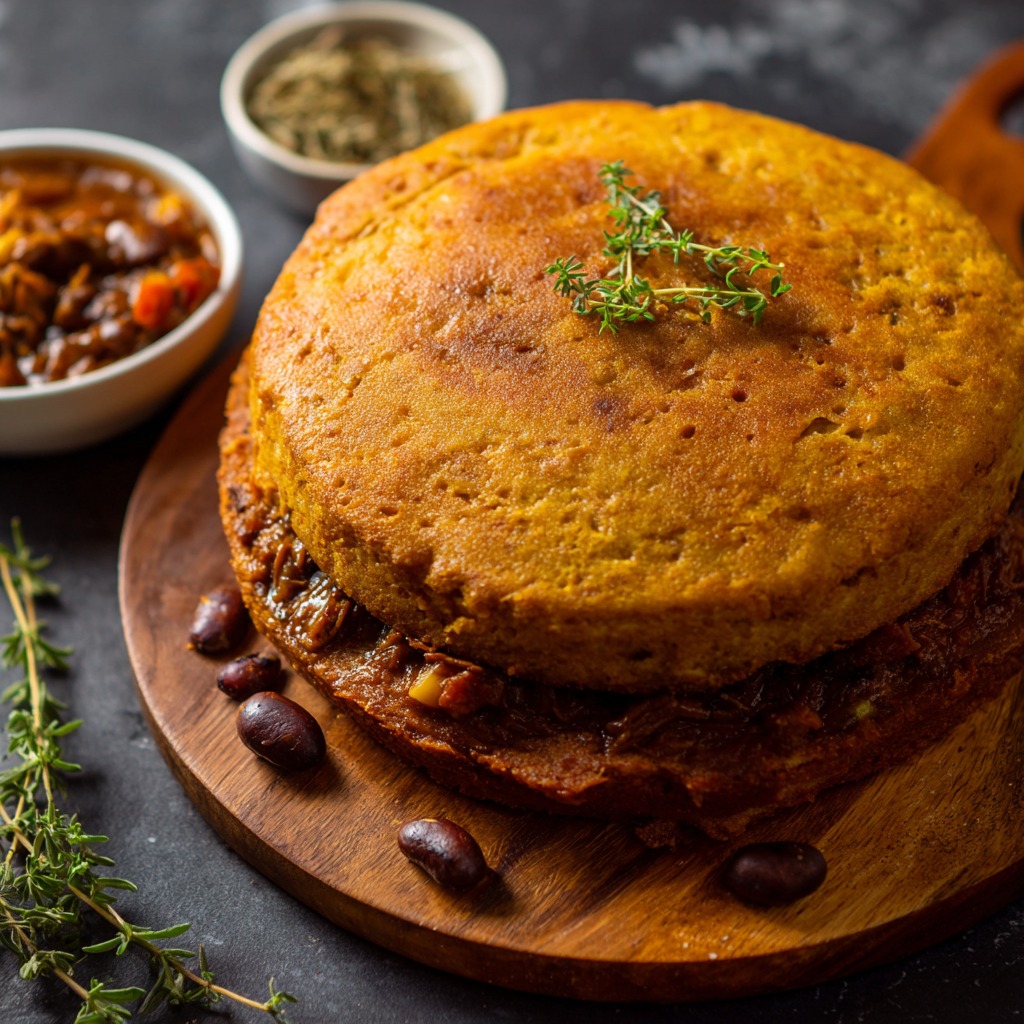
How to Make Guyanese Bake
Here is the whole process with the cues to look for at each stage. The printable recipe card further down has the same steps in short form.
- Mix the dry ingredients. Whisk the flour, baking powder, sugar and salt in a large bowl. If you are using brown sugar, dissolve it in the warm water first so it does not leave dark specks or a bumpy surface.
- Rub in the butter. Add the cold butter in small pieces and rub it into the flour with your fingertips until no large lumps remain and the mixture looks like coarse sand.
- Add the water gradually. Pour in about ¾ cup of lukewarm water and mix with your hand or a spoon. Add the rest a tablespoon at a time until a soft, slightly tacky dough forms. Flour absorbs water differently by brand and humidity, so go by feel: it should be softer than pizza dough but not sticky enough to cling to your fingers.
- Knead briefly. Knead on a lightly floured counter for 3 to 5 minutes, just until smooth. This is not bread dough; long kneading builds too much gluten and makes bakes tough.
- Rest the dough. Rub a few drops of oil over the ball, cover the bowl and let it rest for 30 minutes. Resting relaxes the gluten so the dough rolls out easily and puffs properly. Do not skip it.
- Divide and rest again. Cut the dough into 8 equal pieces, roll each into a smooth ball, and cover them for another 10 minutes while the oil heats.
- Heat the oil. Pour about 2 inches of oil into a deep, heavy pot and heat it to 325 to 340°F (163 to 171°C). Without a thermometer, drop in a small piece of dough: it should sink briefly, then rise and bubble steadily within a few seconds.
- Roll out the bakes. Flatten each ball into a round about 5 inches across and ¼ inch thick, a little thinner at the edges than in the center. Roll them one or two at a time, just before frying, so they do not dry out.
- Fry and baste. Slide a round into the oil, away from you. As it rises, spoon hot oil over the top; this is what makes it balloon. Fry about 1 minute, until the bottom is golden, then flip and cook 45 seconds to 1 minute more.
- Drain and serve. Lift the bake out with a slotted spoon, let the excess oil drip back into the pot, and set it on a rack or paper towels. Keep finished bakes loosely covered with a clean towel so they stay soft while you fry the rest.
Hot oil deserves respect. Use a pot no more than half full, keep children away from the stove, and never leave the oil unattended. The USDA guide to deep fat frying has more tips on oil temperature, smoke points and reusing frying oil safely.
Why Won’t My Bakes Puff? A Troubleshooting Guide
Most problems with bakes come down to the dough’s moisture, the rest time or the oil temperature. Use this table to figure out what went wrong:
| Problem | Likely cause | Fix |
|---|---|---|
| Flat, no puff | Old baking powder, dough too dry, or oil too cool | Test baking powder in hot water (it should fizz), add a little more water, heat the oil to 325°F or higher |
| Hard or chewy | Too much kneading or too much flour | Knead only until smooth and measure flour by spooning it into the cup |
| Greasy | Oil not hot enough or pot overcrowded | Fry one or two at a time and let the oil recover between batches |
| Dark outside, raw inside | Oil too hot or bakes too thick | Lower the heat slightly and roll to ¼ inch |
| Dough tears when rolling | Gluten has not relaxed | Cover and rest the balls 10 more minutes |
| Bumpy surface | Undissolved sugar | Dissolve the sugar in the warm water first |
Baking Powder vs. Yeast Bakes
Most Guyanese bake recipes rely on baking powder alone, which is why they are quick enough for a weekday breakfast. Some cooks add a small amount of yeast for a softer, slightly bready texture that stays tender longer after frying. Both are traditional; it depends on the family.
To make a Guyanese bake recipe with yeast, reduce the baking powder to 2 teaspoons and add 1 teaspoon of instant yeast to the dry ingredients. Use warm water around 105 to 110°F, then let the dough rise, covered, for about 1 hour instead of 30 minutes. The rest of the method stays the same. The result is a little lighter and more aromatic, with a texture closer to a fried dinner roll.

Other Kinds of Guyanese Bake
Once you can make fried bakes, the same dough opens the door to a few related breads:
- Thick or stuffed bakes: roll the dough closer to ½ inch thick and shallow-fry in less oil, spooning oil over the top. Split them open like a pita and fill with saltfish, cheddar or corned beef.
- Pot bake: instead of frying individual rounds, a larger piece of dough is cooked slowly in a covered heavy pot on the stovetop, then cut into wedges. It is denser than fried bake and uses very little oil.
- Roast bake: a flat round of dough cooked on a dry griddle (a tawa) or in the oven. It has a firmer crust and a bread-like crumb, and is popular in Trinidad as well as Guyana.
- Sweet bakes: add an extra tablespoon of sugar and a pinch of cinnamon or nutmeg to the dough, then serve warm with butter and jam or a drizzle of condensed milk.
If you enjoy baking-powder breads from the region, our Belizean powder bun recipe is an oven-baked cousin with a lightly sweet, scone-like crumb.
What to Eat With Guyanese Bake
Bake and saltfish is the classic pairing, and the reason many people search for this recipe in the first place. Other favorites include:
- Baigan choka (fire-roasted eggplant mashed with garlic, onion and pepper) or tomato choka
- Sharp cheddar cheese, simply sliced and tucked inside a warm bake
- Sautéed canned salmon or corned beef with onions and tomatoes
- Fried eggs, or butter and jam with a cup of tea or cocoa
- Curry chicken or other curries, to scoop up the sauce
- A spoonful of hot pepper sauce, such as our mango habanero sauce, for heat lovers
Quick Saltfish to Serve With Bake
Saltfish is dried, salted cod, and it must be desalted before cooking. Cover ½ pound of boneless salt cod with fresh water in a pot, bring it to a boil, and simmer for 15 minutes. Drain, cover with fresh water and boil again for 10 minutes. Taste a flake: it should be pleasantly salty, not harsh. If it is still too salty, repeat once more. Drain, cool and flake the fish, removing any bones or skin.
Heat 2 tablespoons of oil in a skillet and cook 1 sliced onion, 3 minced garlic cloves and 1 finely chopped wiri wiri pepper (or ½ seeded Scotch bonnet) until soft. Add 2 chopped tomatoes and a sprig of thyme and cook until the tomatoes break down. Stir in the flaked saltfish and 2 sliced scallions, cook for 3 to 4 minutes, and finish with black pepper. Spoon it into split bakes while they are still warm.

Make Ahead, Storage and Reheating
- Dough ahead: make the dough the night before, wrap it well and refrigerate. Let it sit at room temperature for 30 minutes before dividing and rolling.
- Room temperature: bakes are best the day they are made. Keep them in a towel-lined container for up to 1 day.
- Fridge: store cooled bakes in an airtight container for up to 4 days.
- Freezer: freeze cooled bakes in a freezer bag for up to 2 months.
- Reheat: warm in a dry skillet over low heat for a minute per side, in a 350°F oven for 5 to 8 minutes, or in the microwave for 20 to 30 seconds under a damp paper towel.
Guyanese Bake (Fried Bakes or Floats)
Equipment
- Large mixing bowl
- Rolling Pin
- Deep heavy pot or Dutch oven
- Deep-fry or instant-read thermometer
- Slotted spoon
- – Wire rack or paper towels
Ingredients
- 3 cups all-purpose flour 375 g, spooned and leveled
- 1 tbsp baking powder fresh
- 2 tbsp sugar white or brown
- ½ tsp salt
- 2 tbsp cold butter or shortening or coconut oil
- 1 cup lukewarm water 240 ml, or half water and half milk; add gradually
- vegetable or canola oil for frying, about 2 inches deep
Instructions
- Whisk the flour, baking powder, sugar and salt in a large bowl. If using brown sugar, dissolve it in the warm water first.
- Rub the cold butter into the flour with your fingertips until the mixture looks like coarse sand.
- Add about ¾ cup lukewarm water and mix, then add more a tablespoon at a time until a soft, slightly tacky dough forms.
- Knead on a lightly floured surface for 3 to 5 minutes until smooth. Coat lightly with oil, cover and rest for 30 minutes.
- Divide the dough into 8 equal balls, cover and rest 10 minutes more.
- Heat about 2 inches of oil in a deep, heavy pot to 325-340°F (163-171°C).
- Roll each ball into a round about 5 inches wide and ¼ inch thick, slightly thinner at the edges. Roll just before frying.
- Fry one or two at a time, spooning hot oil over the top so they puff. Cook about 1 minute until golden underneath, flip and cook 45 to 60 seconds more.
- Drain on a rack or paper towels and keep covered with a clean towel. Serve warm with saltfish, cheese, butter or eggs.
Notes
- Yeast version: use 2 tsp baking powder plus 1 tsp instant yeast, warm water (105-110°F) and let the dough rise 1 hour before dividing.
- Flat bakes? Check that your baking powder is fresh, the dough is soft enough, and the oil is at least 325°F.
- Greasy bakes? The oil is too cool or the pot is crowded. Fry one or two at a time.
- Make ahead: refrigerate the dough overnight; bring to room temperature for 30 minutes before rolling.
- Storage: keep cooled bakes airtight in the fridge up to 4 days or freeze up to 2 months. Reheat in a dry skillet or a 350°F oven.
Frequently Asked Questions
Is Guyanese bake baked or fried?
Despite the name, the everyday Guyanese bake is fried in hot oil. Oven-baked or griddle versions exist, such as roast bake, but when people say “bake” in Guyana they usually mean fried bake.
Why are Guyanese bakes called floats?
Because a well-made bake puffs and floats on top of the hot oil as it fries. The name is used in Guyana and in Trinidad and Tobago.
How do I make soft Guyanese bakes?
Keep the dough soft and slightly tacky, rub in the butter well, knead only briefly, and rest the dough for at least 30 minutes. Using half milk instead of all water, or adding a teaspoon of yeast, makes them even softer.
What oil temperature is best for frying bakes?
Around 325 to 340°F (163 to 171°C). Much hotter and the outside browns before the inside cooks; cooler and the bakes soak up oil and stay flat.
Can I make Guyanese bake without baking powder?
Yes, with yeast. Use 2 teaspoons of instant yeast, warm water and a 1-hour rise. The bakes will taste more like fried bread rolls but will still puff in the oil.
What’s the difference between Guyanese bake and Jamaican fried dumplings?
They are close relatives. Jamaican fried dumplings are usually shaped into thick balls or small discs and have a denser, crustier texture, while Guyanese bakes are rolled thin so they puff into light, hollow-centered rounds.
A Guyanese Breakfast You Can Make Anywhere
Good bakes do not need special flour or equipment, only fresh baking powder, a soft dough that has had time to rest, and oil at the right temperature. Make a batch on a slow morning, fry a pot of saltfish while the dough rests, and you have a complete Guyanese breakfast on the table in about an hour. After the first batch, you will know exactly how the dough should feel, and the next ones get even easier.