
Atlantic Wolffish Recipe is a nutrient-rich fish that can be used in many ways. It is becoming more popular with both home cooks and professional chefs. Atlantic Wolffish has a unique taste, a firm texture, and numerous health benefits. It’s an excellent choice for anyone who wants to try new seafood. Atlantic Wolffish can be used in so many different ways, whether you’re making a special meal or a quick weeknight dinner.
This complete guide will cover all the essential information about Atlantic Wolffish, including where it comes from, how to prepare it, cook it, and serve it with the best sides. We’ll also give you a few Atlantic Wolffish recipes to help you get started on your cooking journey.
- What is Atlantic Wolffish?
- Health Benefits of Atlantic Wolffish
- Flavor and Texture of Atlantic Wolffish
- How to Prepare Atlantic Wolffish: Step-by-Step Instructions
- Best Atlantic Wolffish Recipes: Cooking Methods and Ideas
- How to Tell When Atlantic Wolffish Is Fully Cooked
- How to Pair Atlantic Wolffish with Sides and Sauces
- Expert Tips for Perfect Atlantic Wolffish
- Tips for Cooking Atlantic Wolffish Perfectly Every Time
- Where to Buy Atlantic Wolffish and What to Look For
- Atlantic Wolffish Recipe Variations
- Best Seasonings for Atlantic Wolffish
- What to Serve with Atlantic Wolffish
- Nutrition Information (Per Serving)
- Common Mistakes to Avoid
- Storage and Freezing
- Conclusion: Enjoy Cooking Your Atlantic Wolffish Recipe!
- Share Your Twist!
What is Atlantic Wolffish?
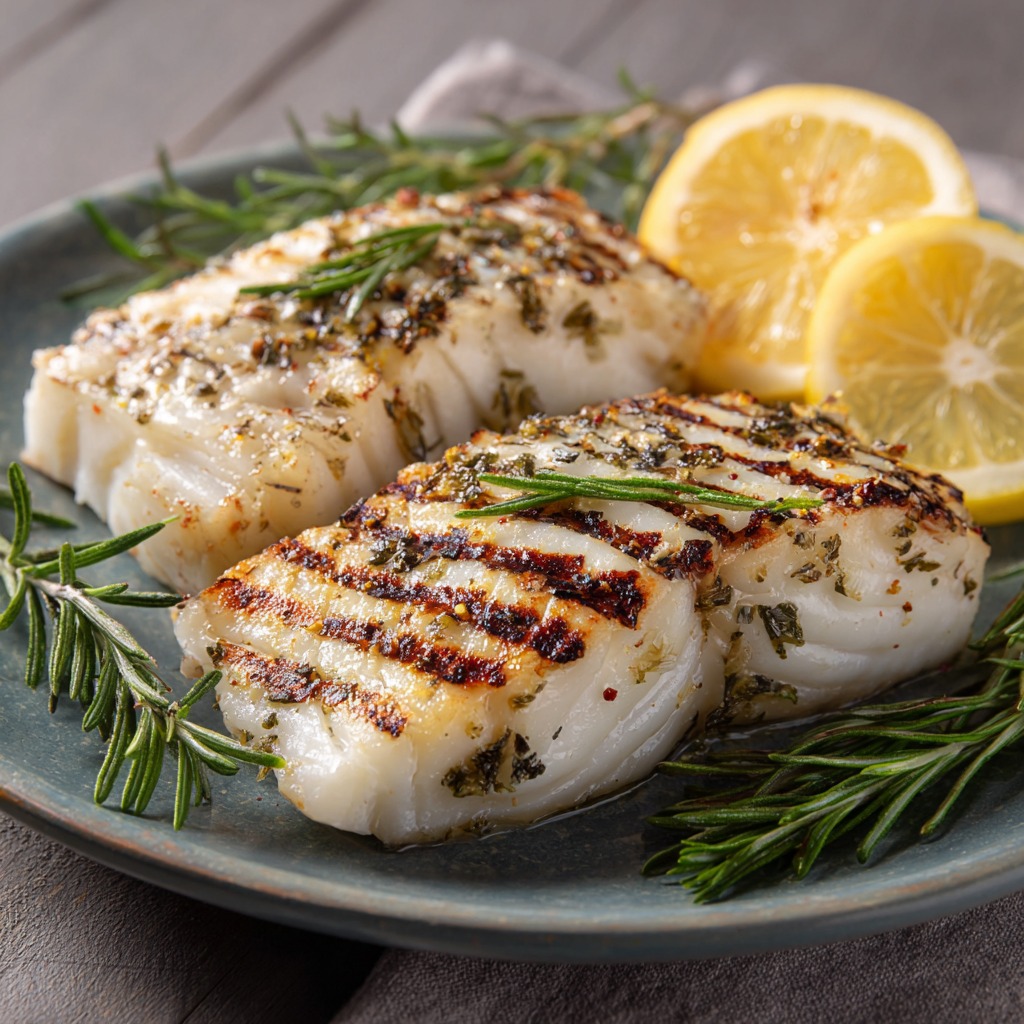
The Atlantic Wolffish (Anarhichas lupus) is a cold-water fish that lives in the North Atlantic Ocean. It is mainly found along the coasts of Canada, Greenland, Iceland, and northern Europe. The species gets its name from its teeth, which resemble those of a wolf and are used to crush shellfish such as clams and mussels. People like these fish because their flesh is thick and firm, which makes them great for grilling, baking, and stewing.
Atlantic Wolffish isn’t as popular on menus as salmon or cod, but it’s slowly gaining popularity because it has a mild flavor and can be used in many different ways in the kitchen. You’re missing out on a one-of-a-kind seafood experience if you haven’t tried it yet.
Health Benefits of Atlantic Wolffish
One of the major reasons to cook Atlantic Wolffish is its nutritional value. Here are some health benefits:
- High in Protein: Like many fish, Wolffish is a great source of lean protein. A 3-ounce serving contains about 20 grams of protein, making it an excellent choice for muscle repair and overall health.
- Rich in Omega-3 Fatty Acids: Omega-3 fatty acids are known for their anti-inflammatory properties and positive effects on heart health. Atlantic Wolffish provides a solid dose of this healthy fat.
- Low in Fat and Calories: Atlantic Wolffish is a lean fish, with only about 90 calories and 2 grams of fat per 3-ounce serving. It’s an excellent option for those watching their calorie intake.
- Good Source of Essential Vitamins and Minerals: Atlantic Wolffish is rich in vitamin B12, vitamin D, phosphorus, and selenium, all of which play vital roles in maintaining a healthy immune system and bone health.
Atlantic Wolffish Nutritional Breakdown (per 3 ounces):
| Nutrient | Amount |
|---|---|
| Calories | 90 |
| Protein | 20g |
| Total Fat | 2g |
| Omega-3 Fatty Acids | 0.5g |
| Vitamin B12 | 2.5 µg |
| Vitamin D | 120 IU |
Flavor and Texture of Atlantic Wolffish
Atlantic Wolffish has a taste that is mild, a little sweet, and almost buttery. It has a firm, meaty texture that works well with a variety of cooking methods, so it’s a great substitute for other white fish like cod or haddock. Wolffish stays whole when cooked, unlike delicate fish that breaks apart easily. This makes it great for grilling or pan-searing.
- Flavor: Mild and sweet with a slight brininess.
- Texture: Firm and meaty with a slight chewiness.
How to Prepare Atlantic Wolffish: Step-by-Step Instructions
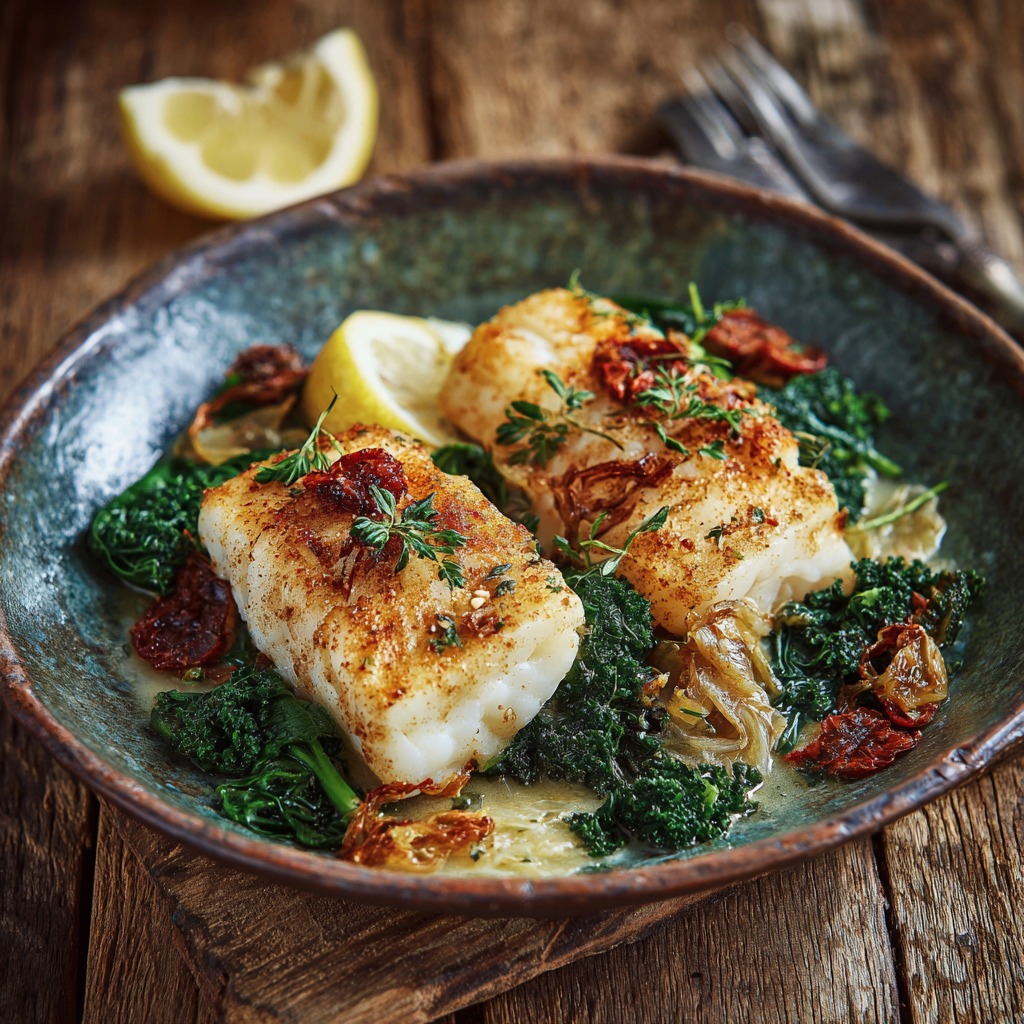
Before you dive into cooking your Atlantic Wolffish recipe, it’s important to prepare the fish properly.
Cleaning and Filleting Atlantic Wolffish
If you’re working with whole Wolffish, here’s how to clean and fillet it:
- Scale the fish: Use a fish scaler or the back of a knife to remove the scales from the fish. Start from the tail and move toward the head.
- Gut the fish: Cut along the belly to remove the internal organs.
- Fillet the fish: Lay the fish on its side, then cut along the spine to remove the fillets. Trim off any skin or bones as needed.
Thawing and Storing Atlantic Wolffish
If you’re using frozen Wolffish, here are the steps:
Storage: Store raw Wolffish in an airtight container in the fridge for up to 2 days. If it’s not cooked within that time, freeze it for later use.
Thawing: Always thaw frozen Wolffish overnight in the refrigerator to maintain its texture. Avoid thawing it at room temperature to prevent bacteria growth.
Best Atlantic Wolffish Recipes: Cooking Methods and Ideas
Now that you know how to prepare Atlantic Wolffish, let’s dive into some delicious Atlantic Wolffish recipes.
Grilled Atlantic Wolffish Fillets
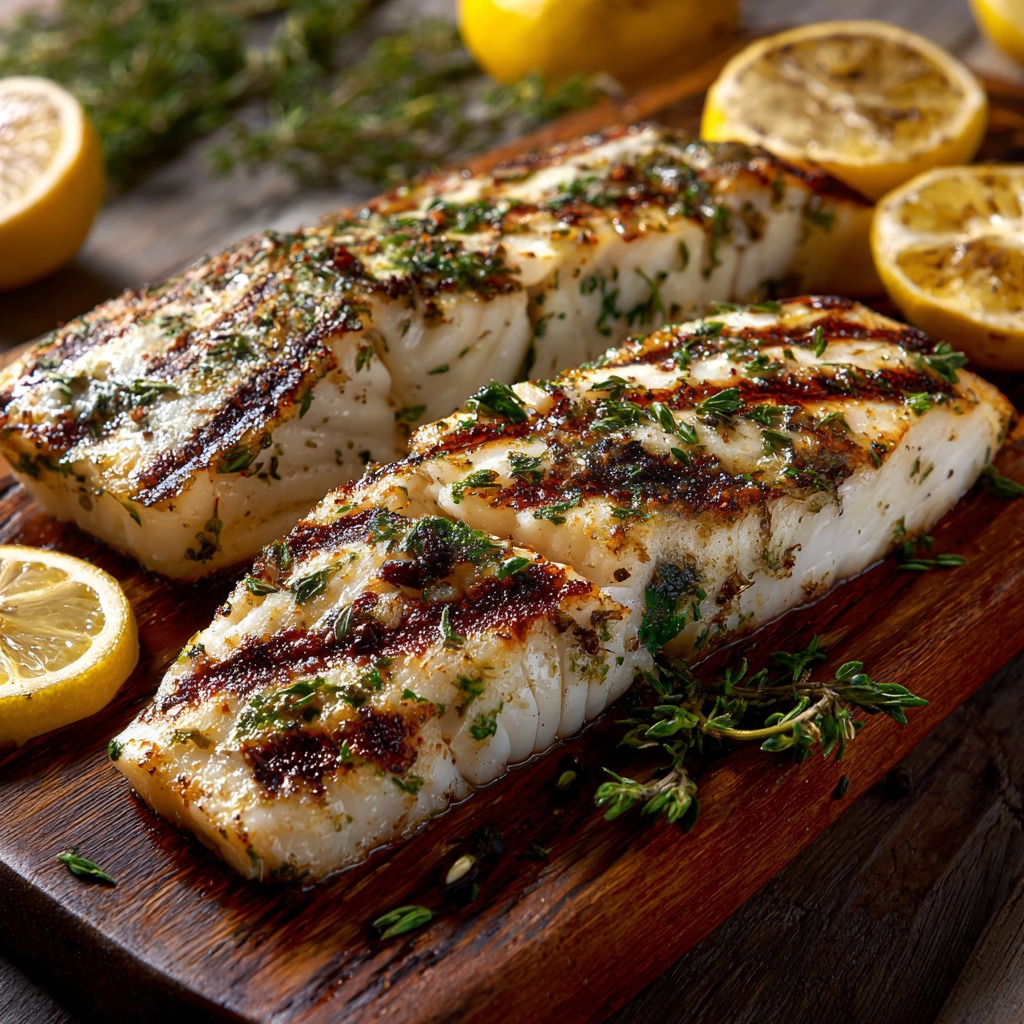
Grilling brings out the best in Atlantic Wolffish’s natural sweetness. Here’s a simple recipe:
Ingredients:
- 2 Atlantic Wolffish fillets
- 2 tablespoons olive oil
- 1 lemon (sliced)
- Salt and pepper to taste
- Fresh parsley for garnish
Equipment Needed
Preparing Atlantic wolffish doesn’t require any specialized equipment, but these kitchen tools make the process much easier.
- Sharp fillet knife
- Cutting board
- Large non-stick or cast-iron skillet
- Baking dish
- Fish spatula
- Mixing bowl
- Measuring spoons
- Citrus juicer
- Instant-read thermometer (optional)
- Paper towels
Using a heavy skillet or cast-iron pan helps create a beautifully golden crust while keeping the fish moist and tender.
Instructions:
- Preheat the grill to medium-high heat.
- Brush the fillets with olive oil and season with salt and pepper.
- Place the fillets on the grill and cook for about 3-4 minutes per side, or until the fish is opaque and easily flakes with a fork.
- Serve with lemon slices and garnish with parsley.
How to Tell When Atlantic Wolffish Is Fully Cooked
The easiest way to know your wolffish is done is by checking its texture.
- The flesh should turn opaque.
- It should flake easily with a fork.
- The internal temperature should reach 145°F (63°C).
- The fish should remain moist and slightly firm, not dry or rubbery.
Overcooking is the most common reason seafood loses its delicate texture, so begin checking for doneness a few minutes before the recommended cooking time ends.
Pan-Seared Atlantic Wolffish with Garlic Butter Sauce
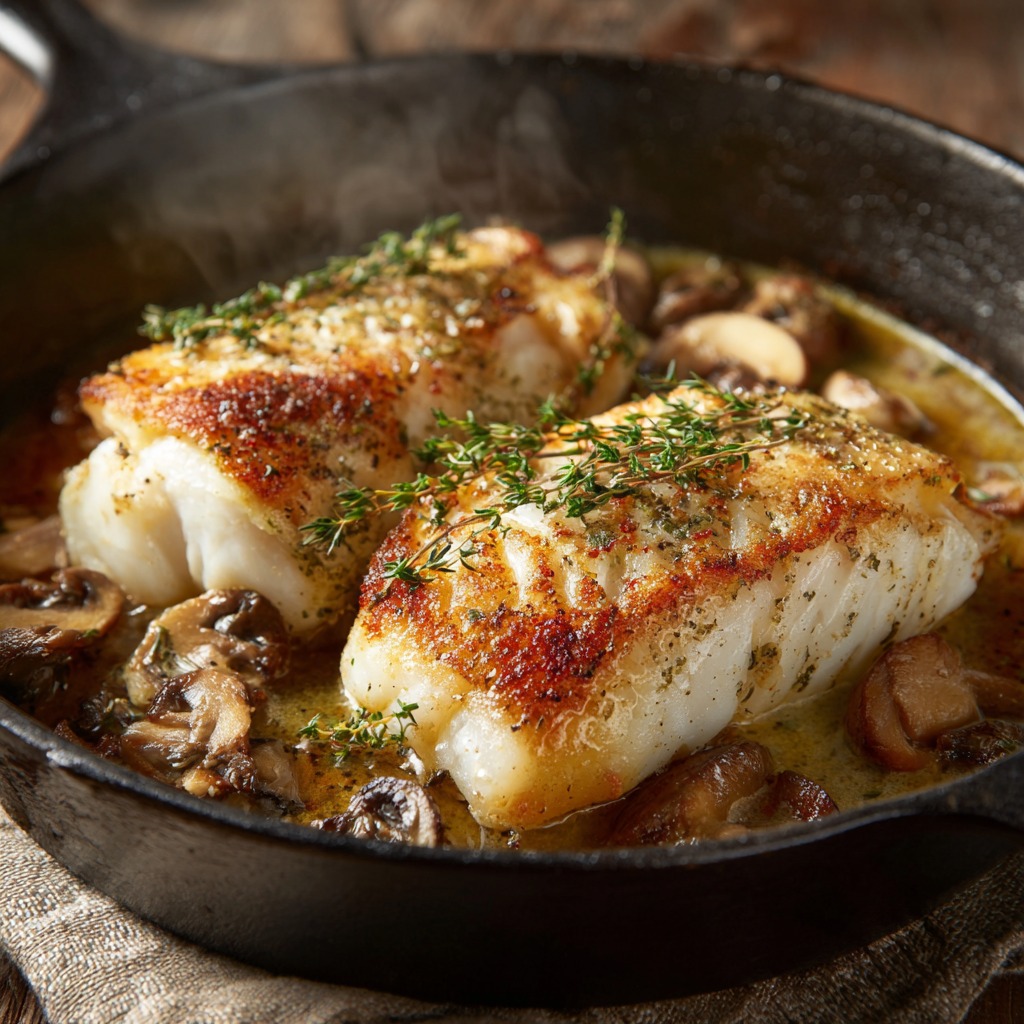
For a rich, buttery flavor, try pan-searing your Wolffish with garlic butter.
Ingredients:
- 2 Atlantic Wolffish fillets
- 3 tablespoons butter
- 2 garlic cloves (minced)
- 1 tablespoon lemon juice
- Fresh thyme for garnish
Instructions:
- Heat the butter in a large skillet over medium heat.
- Add the garlic and sauté for 1-2 minutes until fragrant.
- Add the fillets and cook for 3-4 minutes per side, or until golden and cooked through.
- Drizzle with lemon juice and garnish with fresh thyme.
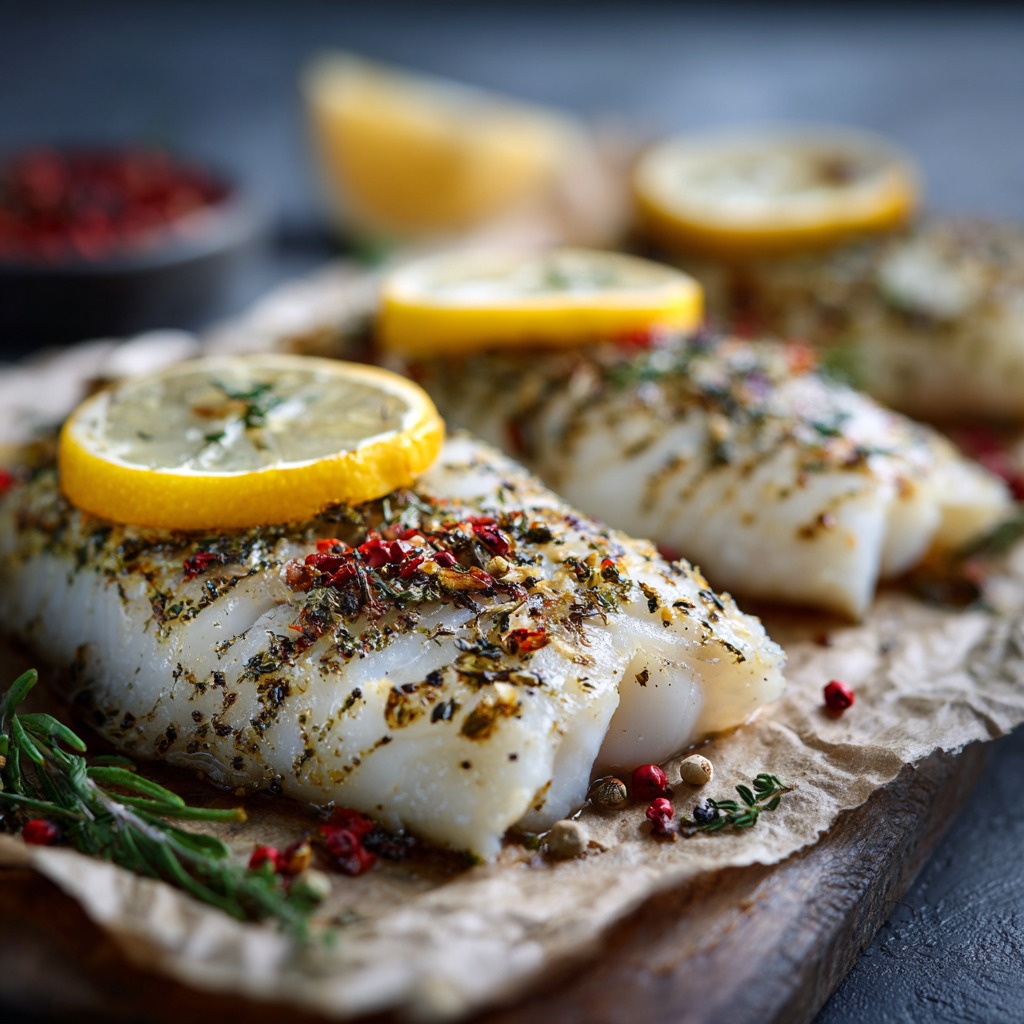
Baked Atlantic Wolffish with Lemon and Herbs
Baking Atlantic Wolffish enhances its delicate flavor and allows the herbs to infuse the fish.
Ingredients:
- 2 Atlantic Wolffish fillets
- 1 lemon (sliced)
- Fresh rosemary and thyme
- 2 tablespoons olive oil
- Salt and pepper to taste
Instructions:
- Preheat the oven to 375°F (190°C).
- Place the fillets in a baking dish and drizzle with olive oil.
- Top with lemon slices and fresh herbs.
- Bake for 15-20 minutes, or until the fish flakes easily with a fork.
Atlantic Wolffish Fish Tacos
For a fun twist on your Atlantic Wolffish recipe, try making fish tacos.
Ingredients:
- 2 Atlantic Wolffish fillets (grilled or pan-seared)
- Soft tortillas
- 1 avocado (sliced)
- Fresh salsa
- Shredded cabbage
- Lime wedges
Instructions:
- Prepare the fish as per your preferred method (grilled or pan-seared).
- Warm the tortillas and assemble the tacos with fish, avocado, salsa, and cabbage.
- Squeeze lime over the tacos for added flavor.
Atlantic Wolffish Chowder
A warm, hearty chowder is the perfect way to enjoy Atlantic Wolffish in colder months.
Ingredients:
- 2 Atlantic Wolffish fillets (diced)
- 1 cup potatoes (diced)
- 1 cup celery (chopped)
- Salt and pepper to taste
- 1 cup carrots (chopped)
- 4 cups fish stock
- 1 cup heavy cream
Instructions:
Cook for an additional 5-10 minutes, until the fish is cooked through.
In a large pot, sauté the celery and carrots until softened.
Add the potatoes, fish stock, and bring to a boil.
Simmer until potatoes are tender, then add the diced Wolffish and heavy cream.
How to Pair Atlantic Wolffish with Sides and Sauces
Best Sides for Atlantic Wolffish
When preparing an Atlantic Wolffish recipe, you’ll want sides that complement the fish’s mild flavor. Here are some ideas:
- Roasted vegetables like asparagus, Brussels sprouts, or sweet potatoes
- Mashed potatoes or couscous
- A fresh salad with mixed greens, cucumbers, and a lemon vinaigrette
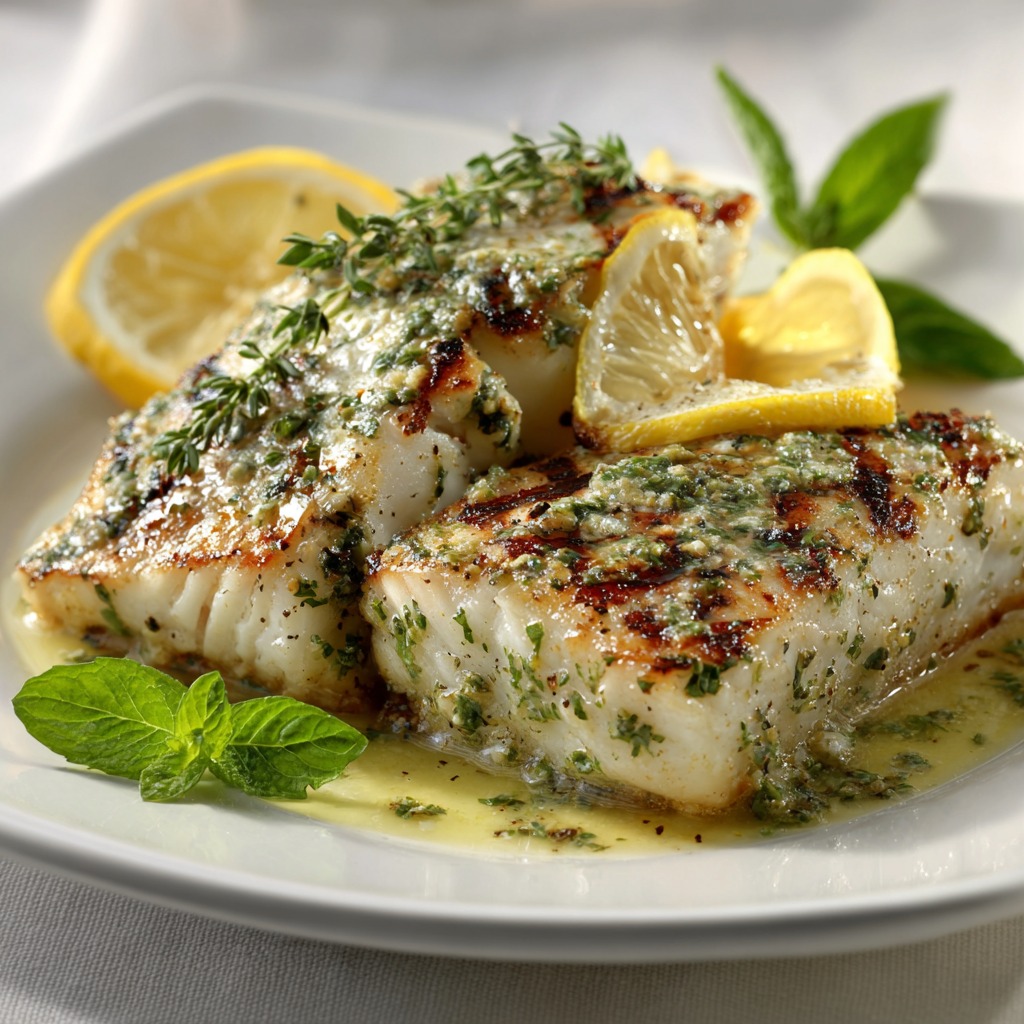
Delicious Sauces to Serve with Atlantic Wolffish
Sauces can elevate your Wolffish meal. Consider these options:
Lemon dill sauce for a fresh, zesty contrast
Garlic butter sauce for a rich, flavorful touch
Tartar sauce for a classic, creamy accompaniment
Expert Tips for Perfect Atlantic Wolffish
Atlantic wolffish has a naturally firm texture, making it forgiving to cook, but these professional tips will help you achieve the best results every time.
- Allow the fish to rest for 2 minutes before serving.
- Pat the fillets dry before seasoning to achieve better browning.
- Let the fish sit at room temperature for 10–15 minutes before cooking.
- Season just before cooking to preserve moisture.
- Use medium-high heat to develop a flavorful crust without drying out the fish.
- Cook until the flesh becomes opaque and flakes easily with a fork.
- Avoid overcooking, as even firm fish can become dry if left too long.
- Finish with fresh lemon juice and herbs after cooking for the brightest flavor.
Tips for Cooking Atlantic Wolffish Perfectly Every Time
Here are a few key tips to ensure your Atlantic Wolffish recipe turns out perfectly every time:
Check for Doneness: The fish should flake easily with a fork, and the internal temperature should reach 145°F (63°C).
Cooking Time and Temperature: Don’t overcook your Wolffish. The ideal cooking time is 3-5 minutes per side, depending on the thickness of the fillets.
Don’t Overcrowd the Pan: If pan-searing, cook the fillets in batches to avoid steaming and ensure even browning.
Where to Buy Atlantic Wolffish and What to Look For
Best Places to Buy Atlantic Wolffish
You can purchase Atlantic Wolffish at your local fish market, specialty grocery stores, or online seafood retailers. When buying, look for:
- Fresh fillets with a clean, ocean-like smell
- Firm, translucent flesh that’s free of discoloration
Atlantic Wolffish Recipe Variations
Atlantic wolffish is incredibly versatile and works well with different flavor profiles.
Garlic Butter Wolffish
Pan-seared with garlic, butter, parsley, and fresh lemon.
Cajun Wolffish
Season with Cajun spices before grilling for a smoky, spicy flavor.
Mediterranean Style
Bake with cherry tomatoes, olives, garlic, oregano, and olive oil.
Parmesan-Crusted Wolffish
Coat the fillets with Parmesan cheese and breadcrumbs before baking.
Herb-Grilled Wolffish
Marinate with olive oil, rosemary, thyme, and lemon before grilling.
Best Seasonings for Atlantic Wolffish
Because Atlantic wolffish has a mild, slightly sweet flavor, it pairs well with many herbs and spices.
- Black Pepper
- Garlic
- Lemon Pepper
- Smoked Paprika
- Cajun Seasoning
- Old Bay
- Dill
- Thyme
- Rosemary
- Parsley
What to Serve with Atlantic Wolffish
Atlantic wolffish pairs beautifully with a variety of side dishes.
- Creamy risotto
- Garlic mashed potatoes
- Roasted asparagus
- Buttered green beans
- Lemon rice
- Wild rice pilaf
- Grilled vegetables
- Caesar salad
- Coleslaw
- Roasted baby potatoes
Nutrition Information (Per Serving)
The nutrition values below are estimates and may vary depending on the cooking method and ingredients used.
| Nutrient | Amount |
|---|---|
| Calories | 245 kcal |
| Protein | 34 g |
| Carbohydrates | 3 g |
| Fat | 10 g |
| Saturated Fat | 2 g |
| Cholesterol | 78 mg |
| Sodium | 320 mg |
| Omega-3 Fatty Acids | 650 mg |
| Vitamin D | 18% DV |
| Vitamin B12 | 95% DV |
| Selenium | 70% DV |
Nutrition Tip: Atlantic wolffish is naturally rich in lean protein, omega-3 fatty acids, vitamin B12, and selenium, making it an excellent choice for a healthy seafood dinner.
Common Mistakes to Avoid
Avoid these common mistakes to get perfectly cooked Atlantic wolffish every time.
- Over-seasoning and masking the fish’s natural flavor.
- Cooking the fish straight from the refrigerator.
- Overcooking until the flesh becomes dry.
- Using low heat when pan-searing.
- Flipping the fillets too early.
- Skipping the step of patting the fish dry.
Storage and Freezing
Store cooked Atlantic wolffish in an airtight container in the refrigerator for up to 3 days.
For longer storage, freeze cooked or uncooked fillets in freezer-safe bags for up to 3 months.
Thaw frozen fillets overnight in the refrigerator before cooking. Avoid thawing at room temperature to maintain both texture and food safety.
Reheat gently in a skillet or a 300°F (150°C) oven until warmed through.
Atlantic Wolffish Recipe
Equipment
- Grill or grill pan
- Basting brush
- Tongs
- Small bowl for seasoning
- Knife and cutting board
Ingredients
- 2 Atlantic Wolffish fillets
- 2 tablespoons olive oil
- 1 lemon sliced
- Salt and pepper to taste
- Fresh parsley for garnish optional
- 1 tablespoon fresh thyme or rosemary optional
Instructions
- Preheat the grill: Heat your grill to medium-high heat, or preheat a grill pan over medium-high heat.
- Prepare the fillets: Pat the Atlantic Wolffish fillets dry with a paper towel to remove excess moisture. This helps achieve a better sear.
- Season the fillets: Brush both sides of the fillets with olive oil. Sprinkle with salt, pepper, and any additional herbs (such as thyme or rosemary) for extra flavor.
- Grill the fish: Place the fillets on the grill, skin-side down (if applicable). Grill for 3-4 minutes on each side, or until the fish is opaque and easily flakes with a fork. Be careful not to overcook the fish.
- Serve: Remove the fillets from the grill and transfer them to a serving plate. Garnish with fresh parsley and serve with lemon slices on the side.
- Enjoy: Serve immediately with your favorite sides, like roasted vegetables, couscous, or a fresh green salad.
Notes
- Choosing the right Wolffish fillets: If buying fresh Atlantic Wolffish, look for fillets that have firm, translucent flesh. If using frozen, thaw them overnight in the fridge for best results.
- Grill timing: Adjust the grilling time based on the thickness of your fillets. Thicker fillets may need an extra minute or two on each side.
- Herb variations: Feel free to experiment with different herbs, such as dill or basil, to complement the lemony flavor of the fish.
- Side ideas: This grilled Atlantic Wolffish pairs wonderfully with steamed asparagus, garlic mashed potatoes, or a fresh tomato and cucumber salad.

Conclusion: Enjoy Cooking Your Atlantic Wolffish Recipe!
Atlantic Wolffish is a very healthy and flexible choice for your next meal. It’s great for grilling, baking, and pan-searing because it has a mild flavor, a firm texture, and a lot of health benefits. Atlantic Wolffish recipes are sure to impress, whether you’re making a simple weeknight meal or a fancy dish for guests. So go ahead and try it out. You’ll love the great taste of this one-of-a-kind fish
Share Your Twist!
Now that you’ve discovered all the fantastic ways to cook Atlantic Wolffish, we’d love to hear how you put your own spin on these recipes! Whether it’s a unique seasoning, a different side dish pairing, or an exciting cooking technique, your creativity can make these dishes even more special.
Here are some ideas to spark your imagination:
- Add a little heat: Try incorporating chili flakes or fresh jalapeños to give your Atlantic Wolffish dish a spicy kick.
- Experiment with marinades: Instead of just olive oil and lemon, create a savory marinade with soy sauce, garlic, and ginger for a unique twist on grilling.
- Try a tropical twist: Pair your Wolffish with a mango salsa for a refreshing and tropical flair.
We’d love for you to share your creations and variations of the Atlantic Wolffish recipe in the comments below. How did you customize the dish to suit your tastes? Your input might even inspire someone else to try something new!
Wolffish Recipe FAQs
1. What does wolffish taste like?
Wolffish has a mild, slightly sweet flavor with firm, meaty white flesh. It’s less “fishy” than many seafood varieties.
2. Do I need to remove bones before cooking?
Most wolffish fillets sold in markets are already deboned, but it’s a good idea to check for any remaining pin bones before cooking.
3. What’s the best way to cook wolffish?
Pan-searing, baking, grilling, and poaching all work well because the flesh is firm and holds together during cooking.
4. How do I know when wolffish is done?
The flesh should become opaque and flake easily with a fork. An internal temperature of 63°C (145°F) is generally recommended.
5. Can I grill wolffish?
Yes. Its firm texture makes it excellent for grilling. Lightly oil the fish and grill grates to prevent sticking.
6. What seasonings pair well with wolffish?
Lemon, garlic, parsley, dill, thyme, butter, paprika, black pepper, and olive oil all complement its mild flavor.
7. Can I use frozen wolffish?
Yes. Thaw it in the refrigerator overnight and pat it dry before cooking for the best texture.
8. What side dishes go well with wolffish?
Roasted vegetables, potatoes, rice, couscous, green beans, asparagus, and fresh salads are popular choices.
9. Is wolffish healthy?
Yes. Wolffish is a good source of protein and provides vitamins and minerals while being relatively low in saturated fat.