
Smoked Ribs Recipe are about as iconic to the world of barbecuing as anything else I can think of. Smoking ribs is truly an art, and it takes dedication in order to see the kind of results that are worth bragging about. Whether you fancy yourself a pit master or you’re an amateur in the grill department, learning how to make smoked ribs is one of those culinary skills can impress your family and crew. There’s nothing like that rich, knarled aroma that wafts through the air as those ribs cook low and slow, bringing us together in a way few experiences can compare to.”
Here’s the secret: You need a good piece of meat, properly prepared. Pork ribs, such as spare ribs and baby backs are the most requested types of ribs to be smoked because they offer a rich flavor profile and are tender and delicious. Using a good rub with spices and herbs brings out the flavor of the meat and lends complexity to your dish. Also smoking the ribs allows the collagen in them to disintegrate and achieve that fall-off-the-bone consistency you want from a great barbecue.
The best smoked ribs recipe takes time and patience. In many cases smoking the ribs involves a few steps: seasoning and letting them rest, then smoking over indirect heat for hours. Various types of wood, for instance hickory, apple or cherry, bring their own flavor to that BBQ meat jack so the barbecuer gets a chance to play around with tastes. Glazed with bbq sauce after finishing over the coals, and served with all your sides we love these smoked ribs – they’re a delicious celebration of smoking outdoors!

Overview: Why This Smoked Ribs Recipe Works
This smoked ribs recipe is noteworthy because the dish concentrates entirely on developing flavor from the outside in. We’re not just grilling ribs; we’re producing a symphony of texture and taste. That perfect bark is the hallmark of a pitmaster who has some refined cooking skills and, after reading through this guide, that could be you!
- Difficulty Level: Easy to Intermediate. Don’t be scared! We’ll walk through every step.
- Active Prep Time: 30 minutes
- Cook Time: 5-6 hours
- Resting Time: 30 minutes
- Total Time: About 6-7 hours
Low and slow cooking is the key. The long smoke time gives the bark time to form and become amazing.

Essential Ingredients for the Best Bark: Smoked Ribs Recipe
Great bark starts with great ingredients. Here’s what you need and why it’s so important:
The Ribs:
- What to Use: A full rack of St. Louis-style spare ribs or baby back ribs. Spare ribs have more fat and flavor, which is great for bark. Baby back ribs are a bit leaner and cook faster.
- Why It’s Important: You need a good base. Look for ribs with a nice layer of fat and meat. The fat will render (melt) slowly, basting the meat and helping the bark form.
The Binder:
- What to Use: Yellow mustard, hot sauce, or even just water.
- Why It’s Important: A binder is like glue. It helps the rub stick to the meat. Don’t worry—you won’t taste the mustard! It just helps create a foundation for the bark.
The Rub (The Star of the Show!):
This is where the bark really starts. You can buy a good rub, but making your own is easy and fun.
- Base Ingredients:
- Coarse Kosher Salt: Bigger grains don’t dissolve as fast, seasoning the meat deeply.
- Coarse Black Pepper: This is non-negotiable for bark. The coarse bits create little flavor pockets and texture.
- Flavor Boosters:
- Garlic Powder
- Onion Powder
- Paprika (for color and a sweet note)
- Brown Sugar (a little helps with caramelization)
The Smoke:
- What to Use: Wood chunks or chips. Good woods for ribs are hickory, oak, apple, or cherry.
- Why It’s Important: Smoke particles stick to the moist surface of the rub and meat, adding flavor and helping to darken the bark.
Substitutions:
- No Mustard? Use olive oil or hot sauce.
- Watching Sugar? You can leave the brown sugar out for a savory, Texas-style bark.
- Different Wood? Pecan is also a fantastic choice for ribs.

Step-by-Step Instructions for Smoky Perfection
Follow these steps closely for the best results.
Step 1: Prep the Ribs (The “Secret” Step)
First, take your ribs out of the package. Pat them completely dry with paper towels. A dry surface is key for bark formation.
Next, remove the membrane. This is the thin, shiny layer on the bone side of the ribs. It’s tough and blocks smoke and flavor. Slide a butter knife under it, grab it with a paper towel for a good grip, and pull it right off.
Step 2: Apply the Binder and Rub
Lightly coat the ribs on all sides with your mustard or binder. Don’t drown them; just a thin, even layer is perfect.
Now, generously apply your rub. Don’t be shy! Cover every single part of the meat. Press it down gently so it sticks. You want a nice, even coating. This layer of seasoning will transform into your bark.
Step 3: Fire Up the Smoker
Preheat your smoker to 225°F (107°C). This low temperature is the “low and slow” part. It gives the fat and connective tissues time to break down without burning the rub.
Add your wood chunks for smoke. We want a clean, thin, blue smoke; not thick, white, billowy smoke.
Step 4: The Smoke (Patience is a Virtue)
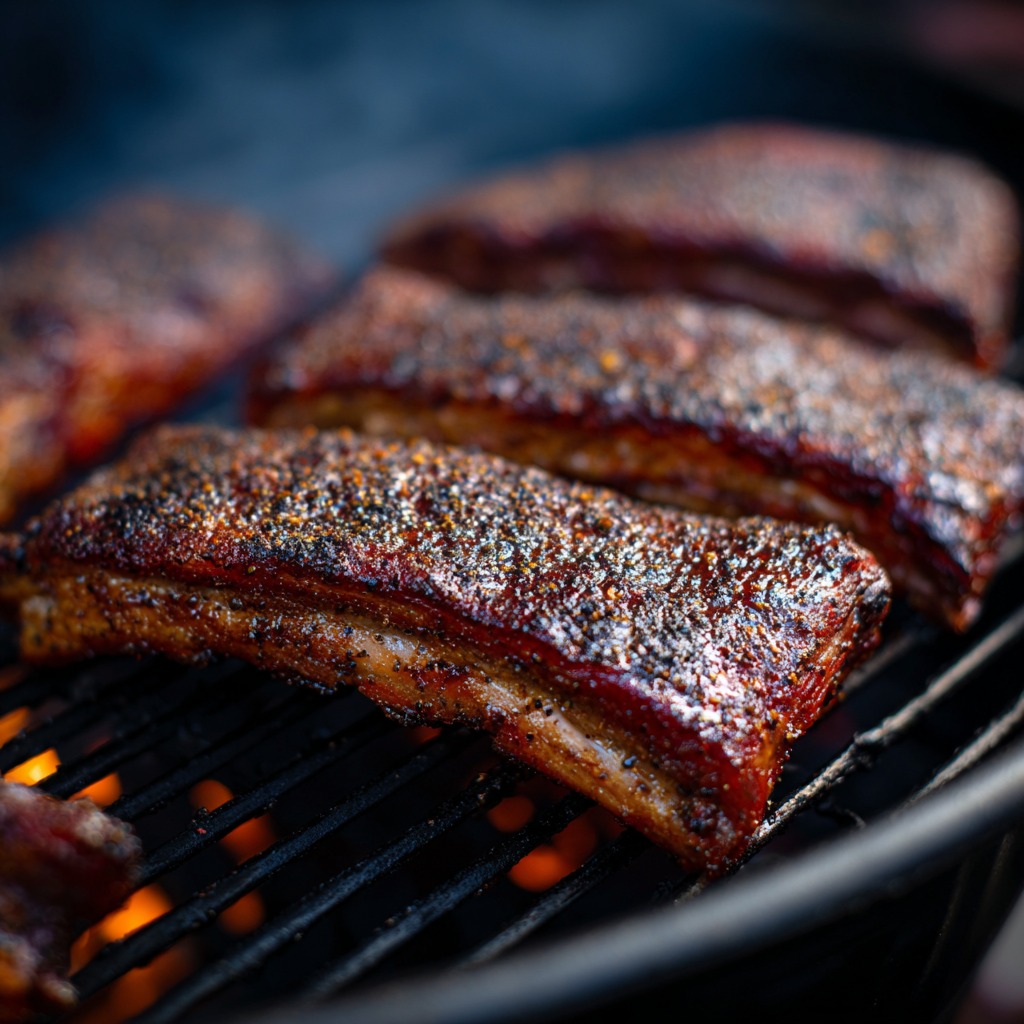
Place the ribs directly on the grill grates, bone-side down. Close the lid and walk away! This is important. Don’t keep opening the smoker. You let the heat and smoke out. Trust the process.
Let the ribs smoke for about 3 hours at this stage. You’ll start to see the bark forming: a beautiful, dark, reddish-brown color.
Step 5: The Texas Crutch (Optional but Helpful)
After 3 hours, you can choose to “wrap” your ribs. This step keeps them moist and helps them get extra tender.
- Take a large piece of heavy-duty aluminum foil.
- Place the ribs meat-side down on the foil.
- You can add a little bit of apple juice, cider vinegar, or even a pat of butter on top.
- Wrap the ribs tightly so no steam escapes.
Put them back in the smoker, meat-side down, for another 2 hours. This steams the ribs in their own juices.
Step 6: Unwrap and Set the Bark
After 2 hours in the wrap, carefully unwrap the ribs. They will be tender, so be careful not to tear them.
Place them back on the smoker, meat-side up, for another hour. This final hour helps to firm up the bark that softened a bit during the wrapping step. It gives you that final, perfect texture.
Step 7: The Rest (Don’t Skip This!)
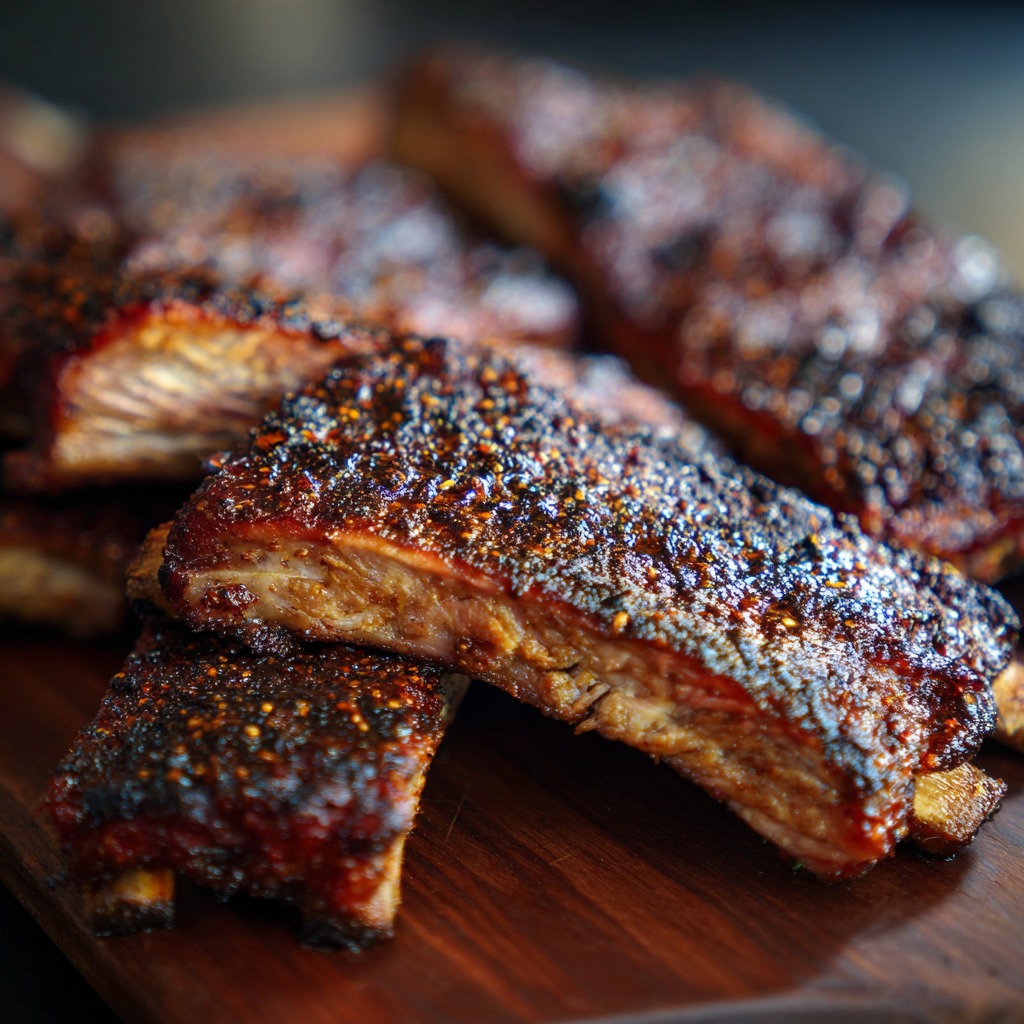
Take the ribs off the smoker. They will look and smell incredible. But you must let them rest!
Tent them loosely with foil and let them sit for at least 30 minutes. This lets the juices spread back throughout the meat. If you cut them right away, all the tasty juices will run out.
Assembly and Presentation
Once rested, it’s time to slice and serve.
- Slicing: Turn the ribs over so the bone side is up. Slice between the bones with a sharp knife. You’ll see the beautiful pink “smoke ring” underneath the bark—a sign of a well-smoked piece of meat.
- Presentation: Arrange the ribs on a platter. You can add a light brush of your favorite BBQ sauce right at the end, but with bark this good, sauce is totally optional!
Storage and Make-Ahead Tips: Smoked Ribs Recipe
- Storing: Let leftover ribs cool completely. Store them in an airtight container in the fridge for up to 4 days.
- Freezing: Wrap individual portions tightly in plastic wrap and then in foil. Freeze for up to 3 months.
- Reheating for Best Bark: The best way to reheat is in the oven. Preheat to 250°F. Place the ribs on a baking sheet and warm for 15-20 minutes until heated through. You can even give them a quick minute under the broiler to re-crisp the bark. Avoid the microwave, as it will make the bark soft.
Recipe Variations to Try: Smoked Ribs Recipe
Once you master the basic smoked ribs recipe, try these fun twists:
Memphis Style: Skip the wrap and sauce entirely for a pure, bark-forward rib experience.
Spicy Kick: Add cayenne pepper or chili powder to your rub.
Sweet & Sticky: In the last 30 minutes, brush with a honey-based BBQ sauce.

Foolproof Smoked Ribs with Perfect Bark
Equipment
- Smoker (or grill set up for indirect heat)
- Smoking wood chunks (hickory, oak, or fruitwoods like apple)
- Digital meat thermometer
- Heavy-duty aluminum foil
- Paper towels
- Sharp knife for trimming and slicing
- Rimmed baking sheet (for prep)
Ingredients
- 1 full rack St. Louis-style spare ribs or baby back ribs about 3-4 lbs
- For the Binder: 2 tablespoons yellow mustard
- For the Rub:
- 1/4 cup coarse black pepper
- 2 tablespoons coarse kosher salt
- 2 tablespoons brown sugar
- 1 tablespoon paprika
- 2 teaspoons garlic powder
- 2 teaspoons onion powder
Instructions
- Prep the Ribs: Remove the ribs from the package and pat them completely dry with paper towels. On the bone side, slide a knife under the thin, shiny membrane (the silver skin), lift it, grab it with a paper towel, and pull it off completely.
- Apply the Binder & Rub: Lightly coat the ribs on all sides with the yellow mustard. In a bowl, mix all the rub ingredients together. Generously sprinkle the rub over the ribs, pressing it into the meat to create a uniform, even coating on all sides.
- Preheat the Smoker: Preheat your smoker to 225°F (107°C). Add your wood chunks to the fire.
- Smoke: Place the ribs directly on the grill grates, bone-side down. Close the lid and smoke for 3 hours. Do not open the lid often.
- Wrap (Optional): After 3 hours, place the ribs meat-side down on a large sheet of heavy-duty aluminum foil. You can add a few tablespoons of apple juice or butter on top if desired. Wrap the ribs tightly to create a sealed packet. Return to the smoker for 2 more hours.
- Set the Bark: Carefully unwrap the ribs and place them back on the smoker grates, meat-side up. Cook for another 1-2 hours, or until the bark is dark and crispy and the ribs are tender.
- Rest: Remove the ribs from the smoker, tent loosely with foil, and let them rest for at least 30 minutes before slicing and serving.

Notes
- Binder Swap: Mustard adds no distinct flavor, only helping the rub stick. You can use hot sauce, olive oil, or even water instead.
- No Smoker? You can bake these in a 250°F oven on a baking sheet. Follow all the same steps—the bark will still form, just without the smoky flavor.
- The Rest is Key: Never skip the resting step! It allows the juices to redistribute, resulting in much more tender and flavorful ribs.
- Don’t Peek! Keeping the smoker lid closed is crucial for maintaining a consistent temperature and building that perfect bark.

Conclusion: You Are a Bark Master
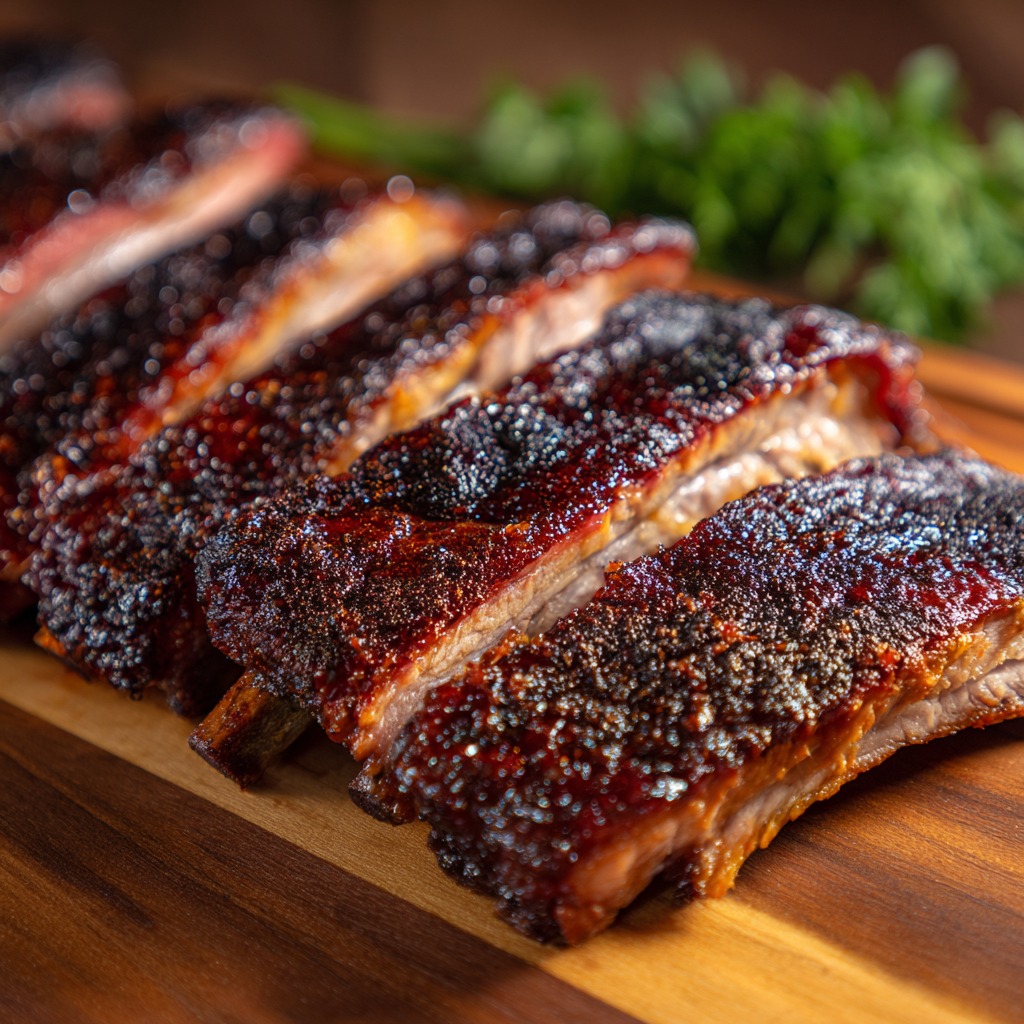
See? That beautiful, mouthwatering bark had not been a mystery. It was a process. Great, now you can smoke some of the most amazing ribs your friends and family have ever had! Here’s your building block: the recipe for smoked ribs. And don’t be afraid to play around with different rubs and woods. The most crucial ingredient is fun. Now, go fire up that smoker!
Share Your Twist!
That’s an awesome question! I love hearing how people make a recipe their own. That’s where the real magic happens.
So, I have to ask: What’s YOUR secret twist?
Do you have a special ingredient you sneak into your rub? A surprising wood you love to use? Maybe a family trick for getting that bark just right?
Share your genius in the comments below! Let’s build a pitmaster community right here. Here are a few “twists” from my kitchen to get the ideas flowing:
- The Coffee Rub: I sometimes add a tablespoon of fine espresso powder to my rub. It doesn’t make the ribs taste like coffee, but it adds an incredible, deep richness that makes the bark even darker.
- The Hot Honey Glaze: In the last 10 minutes, I brush on a mix of warm honey and a dash of hot sauce. It creates a sweet, spicy, and shiny finish that’s just unbelievable.
- The Fruity Smoke: I’m a huge fan of using cherry wood chunks, but I’ll throw in a few fresh rosemary sprigs right on the coals for the last hour. The herbal, smoky aroma is next-level.
Your turn! I’m always looking for new ideas to try.
Frequently Asked Questions (FAQs)
What makes the bark on smoked ribs so important?
The bark is that dark, flavorful crust that forms on the outside of smoked ribs. It’s packed with concentrated flavor from the rub and smoke, creating that amazing texture and taste that makes smoked ribs so special.
Can I get good bark without a smoker?
Yes! While a smoker gives the best results, you can achieve decent bark in a regular oven. Use the same rub and cook low and slow at 250°F. The bark won’t have smoky flavor, but you’ll still get that delicious crust.
Why is my bark not turning dark enough?
This usually happens from not using enough coarse black pepper in your rub, opening the smoker too often, or not cooking long enough. Be patient and trust the process – that beautiful dark color will develop!
How do I store leftover smoked ribs?
Let ribs cool completely, then store in an airtight container in the fridge for up to 4 days. For longer storage, wrap tightly and freeze for up to 3 months.
What’s the best way to reheat ribs without losing the bark?
Reheat in a 250°F oven for 15-20 minutes. For extra-crispy bark, give them a quick minute under the broiler at the end. Avoid microwaving, as it makes the bark soft.
Can I make smoked ribs healthier?
Absolutely! Use a sugar-free rub, trim excess fat before cooking, and choose leaner baby back ribs. Smoking is actually a healthy cooking method since the fat drips away during the long cook time.